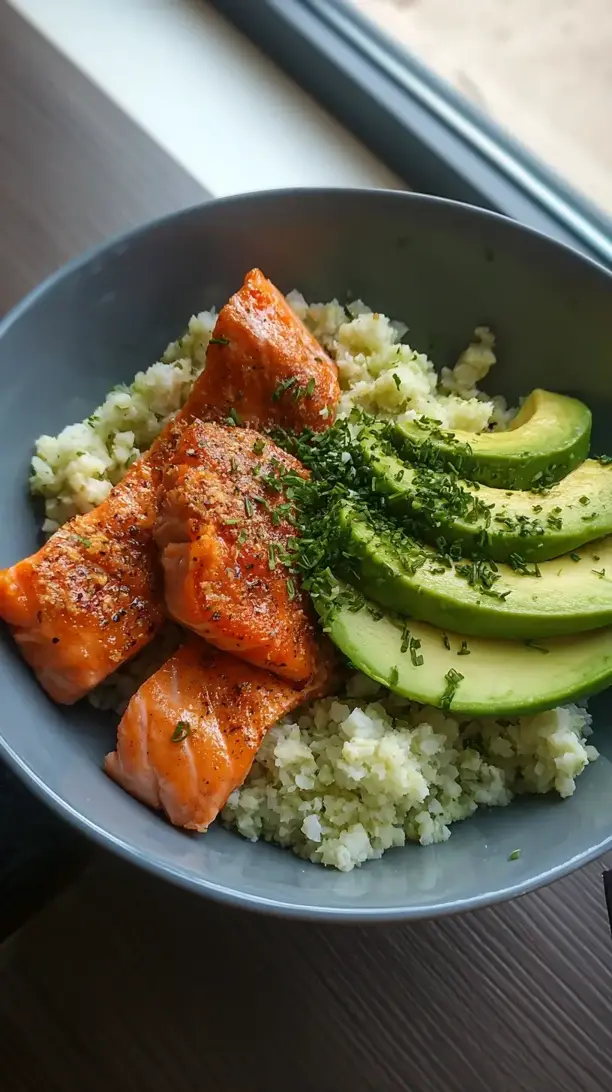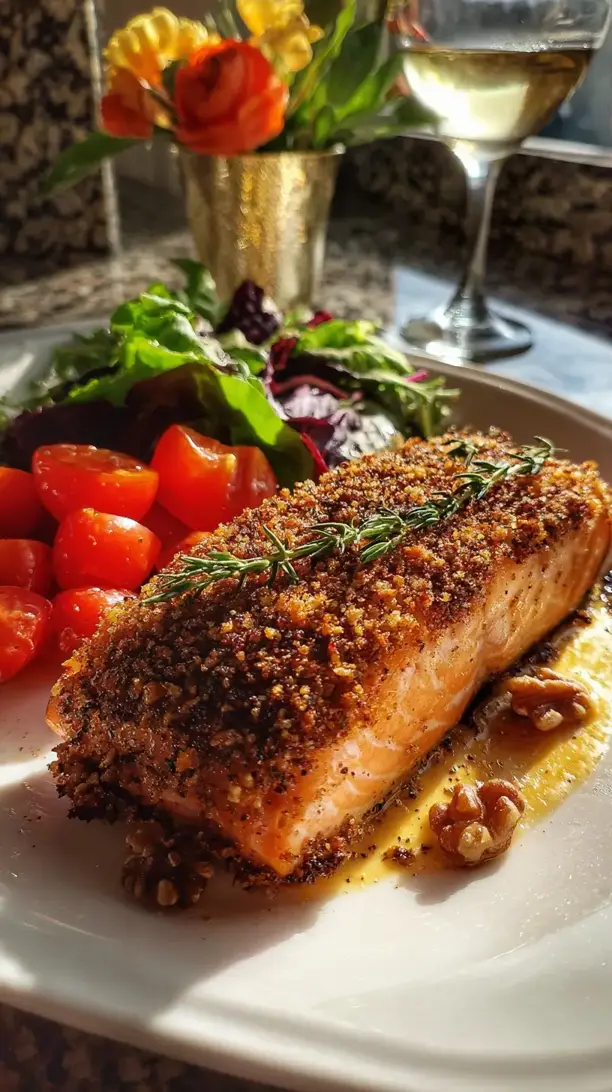

These Make-Ahead Salmon Fillets are your secret to a stunning, healthy dinner with minimal effort. Marinate the salmon in a vibrant lemon-garlic herb mixture up to a day in advance, then simply bake when ready. The result is incredibly moist, flaky, and flavor-packed fish perfect for busy nights.
Why You’ll Love This Make-Ahead Salmon Fillets
- Effortless elegance: Looks and tastes gourmet but is surprisingly simple.
- Future-friendly: Prep up to 24 hours ahead for stress-free dinners.
- Incredibly versatile: Pairs well with rice, roasted veggies, or salads.
- Perfectly cooked: Ensures flaky, tender, and never-dry results.
Ingredients & Tools
- 4 salmon fillets (about 150-180 g each), skin-on or skinless
- 3 tbsp extra virgin olive oil
- Zest and juice of 1 large lemon
- 3 cloves garlic, minced
- 1 tbsp fresh dill, finely chopped
- 1 tsp fresh thyme leaves
- 1/2 tsp smoked paprika
- 1/2 tsp sea salt, plus more to taste
- 1/4 tsp freshly cracked black pepper
- 1 lemon, thinly sliced, for garnish
Tools: A small bowl for the marinade, a baking sheet, parchment paper or a silicone baking mat, and a brush for applying the oil.
Notes: Using high-quality, fresh salmon really makes a difference here—you’ll taste the clean, buttery flavor shine through. And don’t skip the fresh herbs if you can help it; their bright, aromatic quality is what makes this marinade so special.
Nutrition (per serving)
| Calories: | 320 kcal |
| Protein: | 35 g |
| Fat: | 19 g |
| Carbs: | 3 g |
| Fiber: | 1 g |
Serves: 4 | Prep Time: 10 minutes | Cook Time: 12-15 minutes | Total Time: 25 minutes (plus marinating time)
Before You Start: Tips & Ingredient Notes
- What’s the best salmon to use? I prefer center-cut fillets for even thickness, which helps them cook uniformly. You can use skin-on or skinless—the skin can help protect the flesh during cooking and gets deliciously crispy, but it’s easy to remove after baking if you prefer.
- Can I use dried herbs? You can in a pinch, but the flavor will be more muted. If you must, use 1 teaspoon dried dill and 1/2 teaspoon dried thyme. The fresh herbs really make the dish pop, so they’re worth seeking out.
- How far in advance can I marinate? The sweet spot is 30 minutes to 24 hours. Any less and the flavors won’t fully penetrate; any more and the acid in the lemon juice can start to “cook” the exterior of the salmon, giving it a slightly chalky texture.
- Don’t forget to pat the salmon dry. Before marinating, use a paper towel to gently pat the fillets dry. This helps the marinade cling to the fish better and promotes a nicer sear and texture in the oven.
How to Make Make-Ahead Salmon Fillets
Step 1: First, make your marinade. In a small bowl, whisk together the olive oil, lemon zest, lemon juice, minced garlic, chopped dill, thyme, smoked paprika, salt, and pepper. You’ll notice the mixture will emulsify slightly and become wonderfully fragrant—that’s how you know all the flavors are mingling perfectly. Give it a taste and adjust the seasoning if needed; remember, this is what will flavor the entire dish.
Step 2: Prepare your salmon. Pat the fillets completely dry with paper towels. This is a crucial step for getting a good sear and ensuring the marinade sticks. Place the fillets in a single layer in a shallow dish or a large resealable plastic bag. Pour about two-thirds of the marinade over the salmon, making sure to coat each piece thoroughly. Reserve the remaining marinade for basting later. If using a bag, press out the air and seal it. If using a dish, you can cover it with plastic wrap.
Step 3: Now, let it marinate. Place the dish or bag in the refrigerator for at least 30 minutes and up to 24 hours. The longer it marinates, the more profound the flavor will be. You’ll see the exterior of the salmon change color slightly as it soaks up all those herby, lemony notes. This is the “make-ahead” magic happening!
Step 4: When you’re ready to cook, preheat your oven to 200°C (400°F). Line a baking sheet with parchment paper or a silicone mat for easy cleanup. Arrange the salmon fillets on the prepared sheet, leaving a little space between them for even air circulation. Discard the used marinade from the dish or bag.
Step 5: Brush the top of each fillet generously with the reserved, fresh marinade. This gives the salmon a gorgeous, glossy finish and an extra burst of flavor. Top each piece with a thin slice or two of lemon. The lemon will caramelize slightly in the oven, adding a beautiful sweetness and presentation flair.
Step 6: Bake the salmon for 12 to 15 minutes. The exact time will depend on the thickness of your fillets. You’re looking for the salmon to be opaque and flake easily with a fork at its thickest part. Be careful not to overcook it—the residual heat will continue to cook the fish even after you take it out of the oven. The aroma filling your kitchen will be absolutely irresistible.
Step 7: Once baked, remove the salmon from the oven and let it rest for 2-3 minutes on the baking sheet. This allows the juices to redistribute throughout the fillets, ensuring every single bite is moist and flavorful. Serve immediately, with the roasted lemon slices on top for a beautiful, finished look.
Storage & Freshness Guide
- Fridge: Store leftover cooked salmon in an airtight container for up to 2 days.
- Freezer: Freezing is not recommended for best texture after thawing.
- Reviving: Reheat gently in a covered dish with a splash of water at 150°C (300°F) for about 10 minutes.
Serving Suggestions
Complementary Dishes
- Garlic Herb Quinoa — The light, fluffy texture of quinoa is the perfect canvas to soak up the delicious lemony juices from the salmon.
- Roasted Asparagus Spears — Their earthy, slightly bitter flavor provides a wonderful contrast to the rich, oily fish. A squeeze of fresh lemon over the top ties everything together.
- Simple Arugula Salad — The peppery bite of arugula with a light vinaigrette cuts through the richness of the salmon and cleanses the palate beautifully.
Drinks
- A Crisp Sauvignon Blanc — Its bright acidity and citrus notes mirror the flavors in the marinade, creating a harmonious pairing that feels both refreshing and elegant.
- Sparkling Water with Lemon — For a non-alcoholic option, the bubbles and citrus are incredibly cleansing and make the meal feel even lighter and more vibrant.
- A Light Pale Ale — The subtle bitterness and carbonation can stand up to the fish’s oiliness without overpowering its delicate herbal notes.
Something Sweet
- Lemon Sorbet — It’s a classic for a reason. The intense, clean lemon flavor continues the citrus theme from the main course in a refreshing, palate-cleansing way.
- Almond Shortbread Cookies — Their buttery, nutty flavor and crumbly texture are a simple, not-too-sweet ending that feels just right after a savory fish dinner.
- Fresh Berry Compote — The natural sweetness and slight tartness of berries provide a bright, juicy finish that doesn’t feel heavy.
Top Mistakes to Avoid
- Mistake: Over-marinating with strong acid. Leaving the salmon in the lemon juice marinade for more than 24 hours can cause the outer layer to become tough and grainy, as the acid essentially “cooks” it. Stick to the recommended time frame.
- Mistake: Skipping the pat-dry step. If the salmon is wet, the marinade will slide right off and you’ll end up steaming the fish instead of getting a nicely caramelized exterior. A dry surface is key for flavor adhesion.
- Mistake: Overcooking the salmon. This is the most common error! Salmon continues to cook after it leaves the oven. Take it out when it’s still slightly translucent in the very center—it will perfect itself during the resting time. Overcooked salmon becomes dry and chalky.
- Mistake: Using the same marinade for basting. The marinade that touched the raw fish should be discarded due to cross-contamination risks. Always reserve a portion of fresh, untouched marinade specifically for brushing on before baking.
Expert Tips
- Tip: Bring the salmon to room temperature. Before baking, let the marinated salmon sit on the counter for about 15-20 minutes. This helps it cook more evenly, preventing a cold center and an overcooked exterior.
- Tip: Use the skin to your advantage. If your fillets have skin, place them skin-side down on the baking sheet. The skin acts as a natural barrier, protecting the delicate flesh from direct heat and keeping it incredibly moist. It also becomes deliciously crispy.
- Tip: Check for doneness with a fork. Don’t just rely on the timer. Gently press the top of the fillet with a fork. If it flakes apart easily and the flesh is opaque, it’s done. If it still feels firm and resists, it needs more time.
- Tip: Get a restaurant-style sear. For an extra-crispy top, you can finish the salmon under the broiler for the last 1-2 minutes of cooking. Watch it closely though—it can burn in a flash!
FAQs
Can I use frozen salmon for this recipe?
Absolutely! Just make sure it’s fully thawed first. The best way to thaw salmon is to transfer it from the freezer to the refrigerator the night before you plan to cook. Thawing it slowly in the fridge helps preserve its texture. Never thaw salmon at room temperature or in warm water, as this can lead to a mushy result and increase the risk of bacterial growth. Once it’s completely thawed, pat it dry thoroughly before marinating.
How should I store leftover cooked salmon?
Let the cooked salmon cool to room temperature (but don’t leave it out for more than 2 hours). Then, place it in an airtight container in the refrigerator. It will keep well for up to 2 days. You can enjoy it cold, flaked over a salad, or gently reheated. To reheat, place it in a covered oven-safe dish with a splash of water or broth at a low temperature (around 150°C / 300°F) for about 10 minutes to prevent it from drying out.
Can I cook this on the stovetop instead of in the oven?
You sure can! For a pan-seared version, heat a tablespoon of oil in a non-stick skillet over medium-high heat. Place the marinated fillets in the hot pan (skin-side down if they have skin) and cook for 4-6 minutes. Then, flip and cook for another 2-4 minutes, or until cooked to your liking. The stovetop method gives you a wonderfully crispy crust, while the oven method provides a more gentle, even cook.
What other herbs can I use in the marinade?
This recipe is very adaptable! Tarragon would add a lovely anise-like note, while chopped chives would contribute a mild onion flavor. For a Mediterranean twist, try oregano and a handful of chopped Kalamata olives. If you’re a cilantro fan, it pairs beautifully with lime juice instead of lemon for a totally different profile. Feel free to experiment with your favorite flavors.
Is it safe to marinate fish for so long?
Yes, when done correctly in the refrigerator, it is perfectly safe. The cold temperature of your fridge (at or below 4°C / 40°F) prevents harmful bacteria from multiplying. The acid in the lemon juice does not kill bacteria, so refrigeration is non-negotiable. Always marinate in a covered dish or sealed bag on the bottom shelf of the fridge to avoid any potential cross-contamination with other foods.

Make Ahead Salmon Fillets
Learn how to make perfect Make-Ahead Salmon Fillets with a zesty lemon-herb marinade. Prep ahead for a quick, healthy, and delicious dinner. Get the easy recipe now!
Ingredients
For the marinade:
-
3 tbsp extra virgin olive oil
-
Zest and juice of 1 large lemon
-
3 cloves garlic (minced)
-
1 tbsp fresh dill (finely chopped)
-
1 tsp fresh thyme leaves
-
1/2 tsp smoked paprika
-
1/2 tsp sea salt (plus more to taste)
-
1/4 tsp freshly cracked black pepper
For the salmon:
-
4 salmon fillets (about 150-180 g each, skin-on or skinless)
-
1 lemon (thinly sliced, for garnish)
Instructions
-
First, make your marinade. In a small bowl, whisk together the olive oil, lemon zest, lemon juice, minced garlic, chopped dill, thyme, smoked paprika, salt, and pepper. You’ll notice the mixture will emulsify slightly and become wonderfully fragrant—that’s how you know all the flavors are mingling perfectly. Give it a taste and adjust the seasoning if needed; remember, this is what will flavor the entire dish.01
-
Prepare your salmon. Pat the fillets completely dry with paper towels. This is a crucial step for getting a good sear and ensuring the marinade sticks. Place the fillets in a single layer in a shallow dish or a large resealable plastic bag. Pour about two-thirds of the marinade over the salmon, making sure to coat each piece thoroughly. Reserve the remaining marinade for basting later. If using a bag, press out the air and seal it. If using a dish, you can cover it with plastic wrap.02
-
Now, let it marinate. Place the dish or bag in the refrigerator for at least 30 minutes and up to 24 hours. The longer it marinates, the more profound the flavor will be. You’ll see the exterior of the salmon change color slightly as it soaks up all those herby, lemony notes. This is the “make-ahead” magic happening!03
-
When you’re ready to cook, preheat your oven to 200°C (400°F). Line a baking sheet with parchment paper or a silicone mat for easy cleanup. Arrange the salmon fillets on the prepared sheet, leaving a little space between them for even air circulation. Discard the used marinade from the dish or bag.04
-
Brush the top of each fillet generously with the reserved, fresh marinade. This gives the salmon a gorgeous, glossy finish and an extra burst of flavor. Top each piece with a thin slice or two of lemon. The lemon will caramelize slightly in the oven, adding a beautiful sweetness and presentation flair.05
-
Bake the salmon for 12 to 15 minutes. The exact time will depend on the thickness of your fillets. You’re looking for the salmon to be opaque and flake easily with a fork at its thickest part. Be careful not to overcook it—the residual heat will continue to cook the fish even after you take it out of the oven. The aroma filling your kitchen will be absolutely irresistible.06
-
Once baked, remove the salmon from the oven and let it rest for 2-3 minutes on the baking sheet. This allows the juices to redistribute throughout the fillets, ensuring every single bite is moist and flavorful. Serve immediately, with the roasted lemon slices on top for a beautiful, finished look.07