
Why You’ll Love This Low Sugar Oatmeal Raisin Cookies
- Perfectly Balanced Sweetness. We’re not cutting out sweetness entirely, just refining it. Using a combination of a little natural sweetener and the inherent sweetness from plump raisins means every bite is satisfying without being cloying. You can actually taste the oats and cinnamon!
- An Incredibly Forgiving Dough. Honestly, this is one of those recipes that doesn’t demand perfection. If you over-mix a little, or your butter was a tad too soft, the cookies will still turn out beautifully. It’s a stress-free baking experience from start to finish.
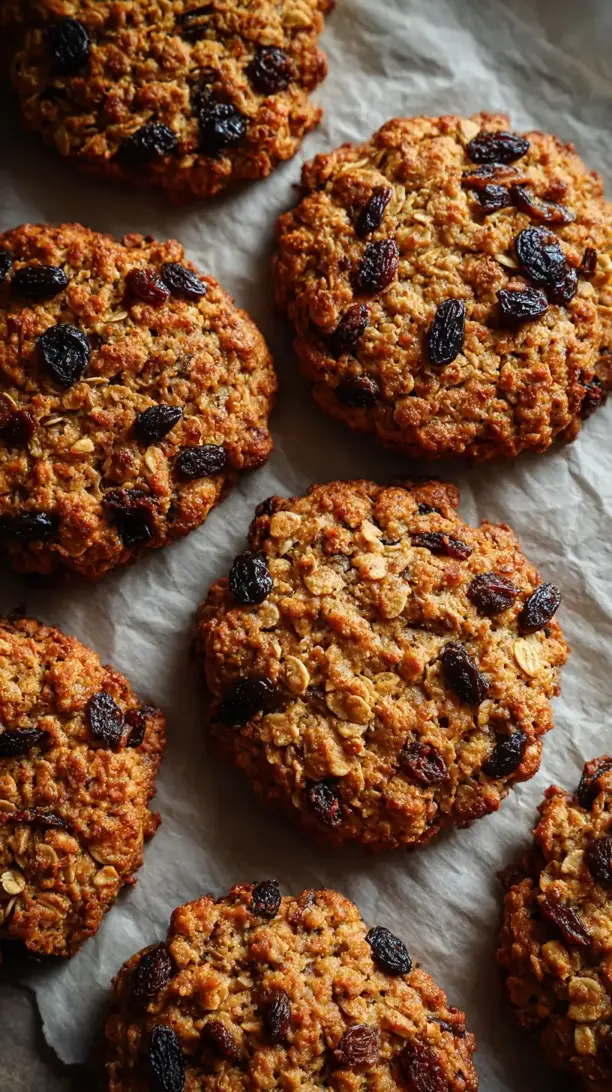
- They Stay Wonderfully Soft. Thanks to a few key ingredient choices, these cookies have a fantastic chewy texture that lasts for days (if they even stick around that long). The centers stay soft and pillowy, while the edges get a delightful hint of crispness.
- A Truly Nostalgic Treat. This recipe captures that classic, homey flavor we all remember. The aroma of cinnamon and oats baking is pure comfort food magic, making your kitchen smell like a bakery and bringing back all the good feelings.
Ingredients & Tools
- 115 g unsalted butter, softened
- 60 mL maple syrup or honey
- 1 large egg, at room temperature
- 1 tsp pure vanilla extract
- 120 g whole wheat pastry flour (or all-purpose)
- 1/2 tsp baking soda
- 1/2 tsp ground cinnamon
- 1/4 tsp ground nutmeg
- 1/4 tsp fine sea salt
- 120 g old-fashioned rolled oats
- 80 g raisins
- 2 tbsp milk (any kind)
Tools: A large mixing bowl, a medium mixing bowl, a whisk, a spatula, a baking sheet, and parchment paper.
A little note on the ingredients: using whole wheat pastry flour gives a lovely, tender crumb, but all-purpose works just as well. And don’t skip the milk at the end—it’s the secret to a perfectly soft and not-dry dough.
Nutrition (per serving)
- Calories: 125 kcal
- Protein: 2 g
- Fat: 6 g
- Carbohydrates: 16 g
- Fiber: 1.5 g
Serves: 18 | Prep Time: 15 mins | Cook Time: 10-12 mins | Total Time: 27 mins
Before You Start: Tips & Ingredient Notes
- Soften that butter correctly. You want it soft enough that your finger leaves an indent, but not melted or greasy. Taking it out of the fridge about 30-60 minutes before you start is perfect. This makes creaming it with the sweetener much easier and leads to a better texture.
- Why room temperature eggs matter. A cold egg can cause the softened butter to seize up a little, making your dough harder to mix and potentially affecting the final spread of the cookie. If you forget, just place the egg in a bowl of warm water for 5-10 minutes.
- The power of plump raisins. If your raisins are a bit dry, plump them up! Soaking them in hot water (or even a little warm tea) for 10 minutes, then draining them well, will make them juicier and prevent them from drying out in the oven.
- Don’t over-measure the flour. The best way to measure flour is to spoon it into your measuring cup and level it off. Scooping directly from the bag can pack in too much flour, leading to a drier, cakier cookie. A kitchen scale is even better for precision!
How to Make Low Sugar Oatmeal Raisin Cookies
Step 1: Start by preheating your oven to 175°C (350°F) and lining a baking sheet with parchment paper. In your large mixing bowl, combine the softened butter and your chosen liquid sweetener—maple syrup or honey both work wonderfully here. Use a whisk or an electric mixer on medium speed to beat them together for about 1-2 minutes, until the mixture is smooth, well-combined, and looks a little paler. You’ll notice it won’t get as fluffy as with granulated sugar, and that’s perfectly fine.
Step 2: Now, beat in the room-temperature egg and the vanilla extract. Mix just until everything is fully incorporated and the mixture looks creamy. Scrape down the sides of the bowl with a spatula to make sure no bits of butter are hiding at the bottom. This is the base of your cookie dough, and getting it well-combined at this stage ensures an even texture later.
Step 3: In your separate medium bowl, it’s time for the dry ingredients. Whisk together the whole wheat pastry flour, baking soda, cinnamon, nutmeg, and salt. Whisking them like this does two things: it combines everything evenly, and it aerates the flour a little, which helps contribute to a tender cookie. You should smell that beautiful spice aroma already.
Step 4: Gradually add the dry ingredient mixture to the wet ingredients in the large bowl. I like to do this in two additions, mixing on low speed or by hand with a spatula until just combined. You don’t want to over-mix here, as that can develop the gluten in the flour and make the cookies tough. A few streaks of flour are okay at this point.
Step 5: Now for the star players! Add the old-fashioned rolled oats and the raisins to the bowl. Pour in the 2 tablespoons of milk as well. The milk is our secret weapon for a soft, pliable dough. Use your spatula to fold everything together until no dry spots remain. The dough will be quite thick and a little sticky, which is exactly what you want.
Step 6: Using a tablespoon or a small cookie scoop, portion out mounds of dough onto your prepared baking sheet, leaving about 5 cm (2 inches) between them. These cookies will spread a bit as they bake. For a slightly flatter, more traditional cookie shape, you can gently press down on each dough ball with the back of a spoon or your fingers.
Step 7: Bake for 10-12 minutes. The trick is to pull them out when the edges are set and look lightly golden, but the centers still appear a little soft and underdone. They will continue to cook on the hot baking sheet after you take them out. This is the key to a super chewy, soft-centered cookie.
Step 8: Let the cookies cool on the baking sheet for at least 5 minutes before you try to move them. They are very fragile when hot! After that initial rest, you can transfer them to a wire rack to cool completely. Or, you know, enjoy one warm… I won’t tell.
Serving Suggestions
Complementary Dishes
- A bowl of creamy Greek yogurt with fresh apple slices — The tangy yogurt and crisp apple provide a lovely, refreshing contrast to the warm, spiced cookies, making it a perfect light breakfast or snack.
- A sharp cheddar cheese plate — The classic pairing of sharp cheese and sweet, oaty cookies is a match made in heaven; the salty, creamy cheese really makes the cinnamon and raisin flavors pop.
- A simple green salad with a lemon vinaigrette — For a more balanced meal, the bright, acidic notes of the salad cut through the richness of the cookies beautifully, cleansing the palate.
Drinks
- A cold glass of whole milk — It’s a timeless combination for a reason; the creamy milk complements the soft, chewy texture of the cookie and mellows the spices perfectly.
- A cup of chai tea — The warm spices in a good chai latte or steeped chai tea echo the cinnamon and nutmeg in the cookies, creating a deeply cozy and aromatic experience.
- Black coffee — The bitterness of a strong black coffee provides a fantastic counterpoint to the subtle sweetness of the cookies, making each bite and sip feel more intense and satisfying.
Something Sweet
- A small scoop of vanilla bean ice cream — Sandwich a slightly warm cookie around a scoop of ice cream for an instant, decadent ice cream sandwich; the melting ice cream with the soft cookie is pure bliss.
- A dish of warm, stewed pears — The soft, gently sweetened pears have a similar comforting vibe and their delicate flavor won’t overpower the simple goodness of the oatmeal raisin.
- A drizzle of dark chocolate ganache — For a special treat, melt a little dark chocolate with a splash of cream and drizzle it over the cooled cookies; it adds a touch of bitterness that elevates the whole cookie.
Top Mistakes to Avoid
- Using melted butter. This is a big one. Melted butter will cause the cookies to spread too much, resulting in a flat, greasy cookie. You want softened butter for the right structure and chew.
- Over-baking. I’ve messed this up before too, waiting for the centers to look fully cooked. They continue to set as they cool on the pan. If you wait for them to look done in the oven, they’ll be dry and crunchy once cooled.
- Substituting quick oats for old-fashioned. Quick oats are cut smaller and absorb moisture differently, which can lead to a mushy or gummy texture. Old-fashioned rolled oats give you that perfect, substantial chew.
- Skipping the salt. Salt isn’t there to make things salty; it’s there to enhance all the other flavors. Without it, your cookies will taste flat and one-dimensional, no matter how much cinnamon you use.
Expert Tips
- Tip: Chill the dough if your kitchen is warm. If your butter was very soft or your kitchen is hot, pop the shaped dough balls on the baking sheet into the fridge for 15-20 minutes before baking. This prevents excessive spreading and helps the cookies keep a thicker, chewier shape.
- Tip: Add a pinch of orange zest. For a bright, aromatic twist, add the zest of half an orange to the wet ingredients. It doesn’t make the cookies taste overtly orangey, but it adds a wonderful, fragrant depth that pairs beautifully with the raisins.
- Tip: Make a “flax egg” for a vegan version. Simply mix 1 tablespoon of ground flaxseed with 3 tablespoons of water, let it sit for 5 minutes to gel, and use it in place of the egg. It works like a charm for binding.
- Tip: Toast your oats for a nuttier flavor. Spread the rolled oats on a baking sheet and toast them in a 180°C (350°F) oven for 5-7 minutes before adding them to the dough. Let them cool completely first. This adds a whole new layer of warm, toasty flavor.
FAQs
Can I use a sugar substitute like stevia or monk fruit?
You can, but it requires a bit of adjustment. Since we’re using a liquid sweetener for moisture, you can’t just do a 1:1 swap. Look for a brown sugar-style granulated monk fruit or erythritol blend that is meant for baking. You’d use about 100g of that granulated substitute and likely need to add an extra 1-2 tablespoons of milk to compensate for the lost liquid from the maple syrup. The texture might be slightly different, but it should work.
Why are my cookies cakey and puffy?
This usually points to two potential issues. First, you might have measured too much flour. Remember to spoon and level! Second, you could have over-mixed the dough after adding the flour. Over-mixing develops gluten, which gives baked goods a more bread-like, cakey structure. Mix just until you no longer see streaks of flour, even if the dough looks a little shaggy—it will come together.
Can I freeze the cookie dough?
Absolutely! This dough freezes beautifully. Simply scoop the dough balls onto a parchment-lined tray, freeze them solid (about 1-2 hours), and then transfer the frozen dough balls to a zip-top bag. You can bake them straight from frozen, just add 1-2 minutes to the baking time. It’s the best way to have fresh, warm cookies on demand.
My cookies didn’t spread much. What happened?
If your cookies stayed in a tall, compact ball, your dough was likely too cold when it went into the oven, or there was too much flour. The butter needs to be able to melt and spread in the oven’s heat. Next time, ensure your butter is properly softened (not melted, just soft) and double-check your flour measurement. Also, that little press with your fingers before baking can encourage a better spread.
Can I add nuts or chocolate chips?
Of course! Feel free to make them your own. You can replace half the raisins with chopped walnuts or pecans for a lovely crunch. If you’re adding chocolate chips, dark chocolate is a fantastic choice as its bitterness pairs well with the low-sugar profile. Just keep the total add-in quantity to around 100-120g so the dough can still hold together properly.
Low Sugar Oatmeal Raisin Cookies
Make soft, chewy Low Sugar Oatmeal Raisin Cookies with natural sweetness. This easy recipe is perfect for a healthier treat. Bake a batch today!
Ingredients
For the wet ingredients:
-
115 g unsalted butter (softened)
-
60 mL maple syrup or honey
-
1 large egg (at room temperature)
-
1 tsp pure vanilla extract
For the dry ingredients:
-
120 g whole wheat pastry flour (or all-purpose)
-
1/2 tsp baking soda
-
1/2 tsp ground cinnamon
-
1/4 tsp ground nutmeg
-
1/4 tsp fine sea salt
-
120 g old-fashioned rolled oats
-
80 g raisins
-
2 tbsp milk (any kind)
Instructions
-
Start by preheating your oven to 175°C (350°F) and lining a baking sheet with parchment paper. In your large mixing bowl, combine the softened butter and your chosen liquid sweetener—maple syrup or honey both work wonderfully here. Use a whisk or an electric mixer on medium speed to beat them together for about 1-2 minutes, until the mixture is smooth, well-combined, and looks a little paler. You’ll notice it won’t get as fluffy as with granulated sugar, and that’s perfectly fine.01
-
Now, beat in the room-temperature egg and the vanilla extract. Mix just until everything is fully incorporated and the mixture looks creamy. Scrape down the sides of the bowl with a spatula to make sure no bits of butter are hiding at the bottom. This is the base of your cookie dough, and getting it well-combined at this stage ensures an even texture later.02
-
In your separate medium bowl, it’s time for the dry ingredients. Whisk together the whole wheat pastry flour, baking soda, cinnamon, nutmeg, and salt. Whisking them like this does two things: it combines everything evenly, and it aerates the flour a little, which helps contribute to a tender cookie. You should smell that beautiful spice aroma already.03
-
Gradually add the dry ingredient mixture to the wet ingredients in the large bowl. I like to do this in two additions, mixing on low speed or by hand with a spatula until just combined. You don’t want to over-mix here, as that can develop the gluten in the flour and make the cookies tough. A few streaks of flour are okay at this point.04
-
Now for the star players! Add the old-fashioned rolled oats and the raisins to the bowl. Pour in the 2 tablespoons of milk as well. The milk is our secret weapon for a soft, pliable dough. Use your spatula to fold everything together until no dry spots remain. The dough will be quite thick and a little sticky, which is exactly what you want.05
-
Using a tablespoon or a small cookie scoop, portion out mounds of dough onto your prepared baking sheet, leaving about 5 cm (2 inches) between them. These cookies will spread a bit as they bake. For a slightly flatter, more traditional cookie shape, you can gently press down on each dough ball with the back of a spoon or your fingers.06
-
Bake for 10-12 minutes. The trick is to pull them out when the edges are set and look lightly golden, but the centers still appear a little soft and underdone. They will continue to cook on the hot baking sheet after you take them out. This is the key to a super chewy, soft-centered cookie.07
-
Let the cookies cool on the baking sheet for at least 5 minutes before you try to move them. They are very fragile when hot! After that initial rest, you can transfer them to a wire rack to cool completely. Or, you know, enjoy one warm… I won’t tell.08