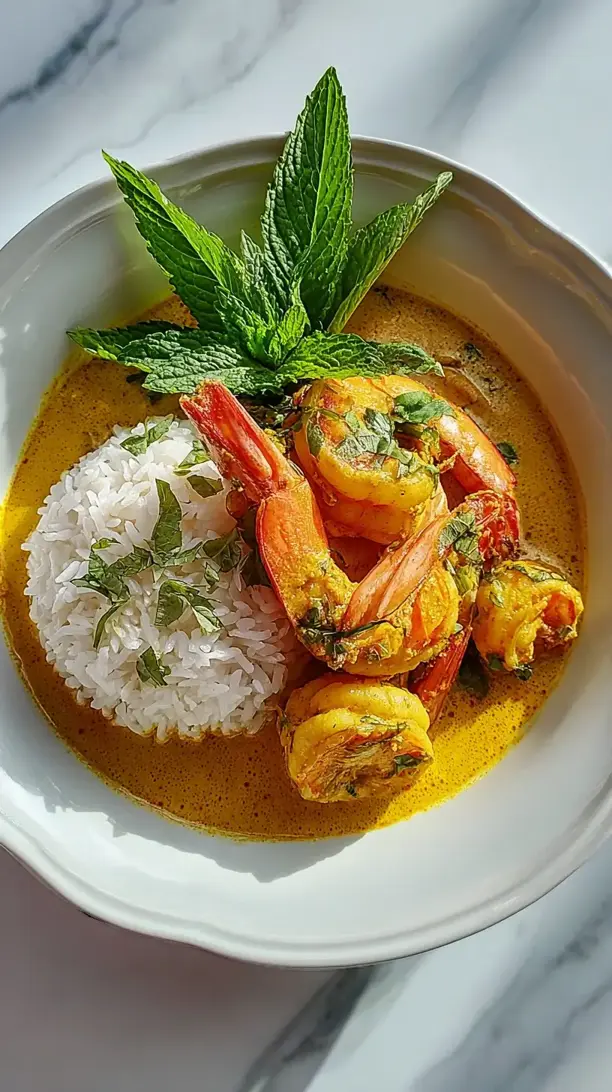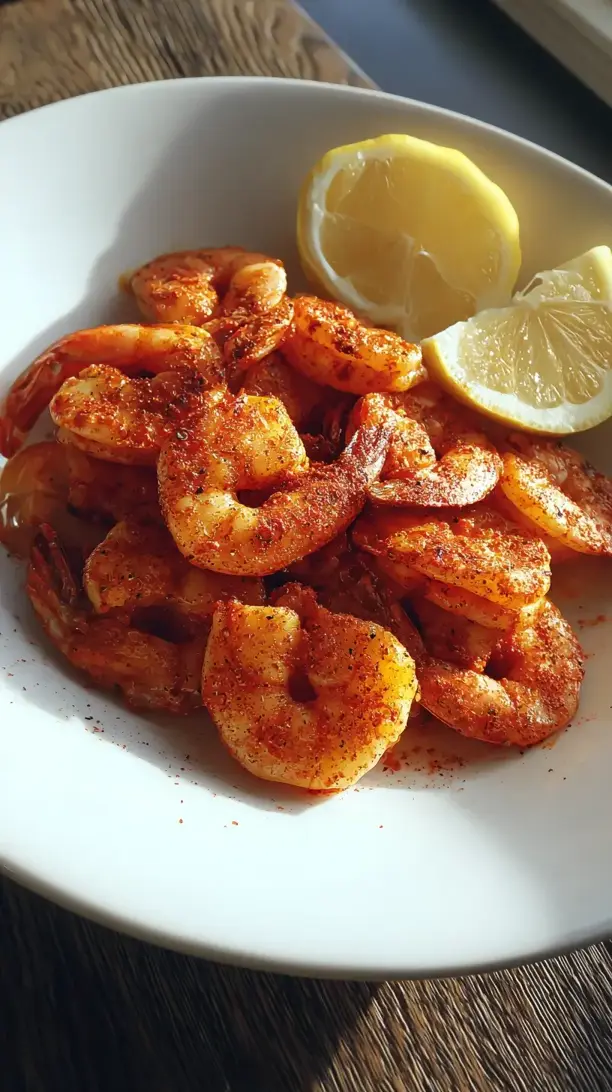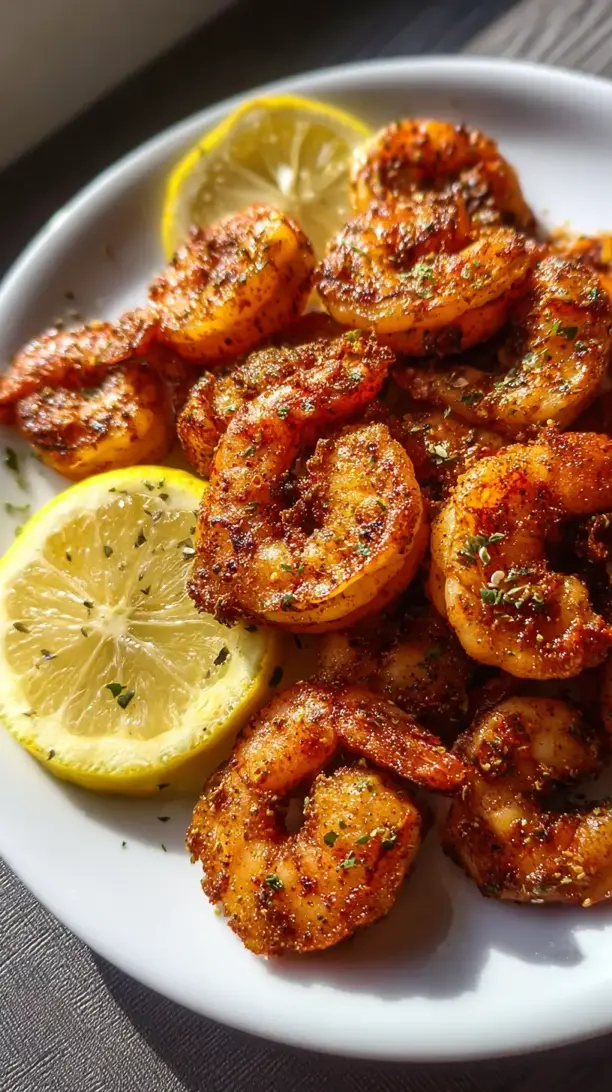

Lemon Pepper Shrimp combines bright, zesty lemon and spicy black pepper with plump, juicy shrimp for a dish that feels fancy but comes together in minutes. It’s perfect for busy weeknights or last-minute dinners. The aroma of fresh lemon zest, cracked pepper, and garlic is absolutely intoxicating.
Why You’ll Love This Lemon Pepper Shrimp
- Quick & Easy: Ready in 15 minutes—faster than takeout.
- Bright & Balanced: Fresh lemon and coarse pepper create a vibrant, tangy sauce.
- Versatile Serving: Great over pasta, rice, salads, or tacos.
- Elegant Vibe: Restaurant-quality look with minimal effort.
Ingredients & Tools
- 450 g large raw shrimp, peeled and deveined
- 2 tbsp olive oil
- 3 garlic cloves, minced
- 1 large lemon (you’ll use zest and juice)
- 1 tsp coarsely ground black pepper
- ½ tsp salt, or to taste
- 2 tbsp unsalted butter
- 2 tbsp fresh parsley, chopped
- ¼ tsp red pepper flakes (optional, for a little heat)
Tools: A large skillet (non-stick or stainless steel), microplane or zester, citrus juicer, tongs.
Notes: Fresh, high-quality ingredients make a difference—especially the lemon and black pepper. Freshly squeezed lemon juice and zest provide brighter flavor than bottled, and coarsely ground pepper gives lovely bursts of spice. Don’t skip the fresh parsley for color and balance.
Nutrition (per serving)
| Calories: | 245 kcal |
| Protein: | 24 g |
| Fat: | 15 g |
| Carbs: | 4 g |
| Fiber: | 1 g |
Serves: 3 | Prep Time: 10 minutes | Cook Time: 5 minutes | Total Time: 15 minutes
Before You Start: Tips & Ingredient Notes
- Pat your shrimp dry. This might seem like a small step, but it’s crucial for getting a nice sear instead of steaming the shrimp. Use paper towels to gently pat them dry before seasoning—you’ll notice they brown much better and have a nicer texture.
- Use raw shrimp, not pre-cooked. Pre-cooked shrimp can become rubbery when reheated. Raw shrimp cook quickly and stay tender, absorbing all the lovely lemon pepper flavors as they sizzle in the pan.
- Don’t skimp on the black pepper. Coarsely ground pepper is key here—it provides little pops of heat and aroma that finely ground pepper just can’t match. If you have whole peppercorns, grind them yourself for the best flavor.
- Zest your lemon before juicing it. It’s so much easier to zest a whole, firm lemon than one that’s been juiced and gone soft. The zest holds a ton of aromatic oils that will make your sauce incredibly fragrant.
How to Make Lemon Pepper Shrimp
Step 1: Start by preparing your shrimp. If they’re frozen, thaw them completely in cold water and then pat them very dry with paper towels. This step is important—you want to remove as much moisture as possible so they sear nicely instead of steaming. Place the dried shrimp in a bowl and season them with half of the salt and all of the coarsely ground black pepper, tossing to coat evenly. You’ll notice the pepper clinging to the shrimp, which is exactly what you want.
Step 2: Heat the olive oil in a large skillet over medium-high heat. You want the pan to be properly hot before adding the shrimp—a good test is when the oil shimmers and moves fluidly across the surface. Carefully add the shrimp in a single layer, making sure they aren’t crowded. Let them cook undisturbed for about 1–2 minutes until the bottoms turn pink and develop a slight sear.
Step 3: Flip the shrimp using tongs. They should be about halfway cooked at this point—pink on the bottom but still translucent on top. Cook for another minute on the second side until they’re just cooked through. Be careful not to overcook them, or they can become tough. You’ll know they’re done when they’ve curled into a loose “C” shape and are opaque all the way through.
Step 4: Remove the shrimp from the skillet and set them aside on a plate. Reduce the heat to medium and add the minced garlic to the same skillet. Sauté for about 30 seconds until fragrant—be careful not to burn it, or it’ll turn bitter. The aroma at this stage is absolutely heavenly… garlic and pepper mingling with the residual shrimp flavors.
Step 5: Add the butter to the skillet, letting it melt and foam slightly. Then, pour in the fresh lemon juice and add the lemon zest. Use a whisk or wooden spoon to scrape up any browned bits from the bottom of the pan—those little flavor gems will make your sauce incredibly rich and delicious. Let the sauce simmer for a minute until it slightly thickens.
Step 6: Return the cooked shrimp to the skillet, tossing them gently in the lemon butter sauce until they’re well coated and heated through. This should only take about 30–45 seconds. The sauce should look glossy and cling to the shrimp beautifully. Sprinkle with the remaining salt, fresh parsley, and red pepper flakes if using. Give everything one final toss, then remove from heat immediately.
Storage & Freshness Guide
- Fridge: Store in an airtight container for up to 2 days.
- Freezer: Freeze in a single layer then transfer to a bag for up to 1 month.
- Reviving: Gently reheat in a skillet with a splash of water or broth.
Serving Suggestions
Complementary Dishes
- Garlic Parmesan Orzo — The creamy, cheesy orzo is a fantastic base that soaks up the lemony sauce beautifully, creating a complete and comforting meal.
- Simple Arugula Salad — The peppery arugula with a light lemon vinaigrette complements the shrimp perfectly and adds a fresh, crisp contrast to the dish.
- Roasted Asparagus — The earthy, slightly charred flavor of roasted asparagus pairs wonderfully with the bright, zesty shrimp, making for a well-balanced plate.
Drinks
- Crisp Sauvignon Blanc — Its citrusy notes and bright acidity mirror the lemon in the dish, cleansing your palate between bites and enhancing the overall experience.
- Sparkling Water with Lemon — A non-alcoholic option that keeps things light and refreshing, with the lemon slice reinforcing the dish’s dominant flavor profile.
- Iced Herbal Tea — A lightly sweetened mint or lemon verbena tea served over ice provides a cool, soothing counterpoint to the dish’s slight peppery heat.
Something Sweet
- Lemon Sorbet — Continuing the citrus theme, a scoop of tangy, refreshing lemon sorbet is the perfect palate-cleansing dessert that feels light and satisfying.
- Almond Biscotti — The nutty, crunchy biscotti are lovely for dipping and provide a subtle sweetness that doesn’t overpower the memory of the shrimp.
- Berry Parfait — Layers of fresh berries, Greek yogurt, and a drizzle of honey offer a creamy, fruity finish that feels indulgent yet wholesome.
Top Mistakes to Avoid
- Overcooking the shrimp. Shrimp cook incredibly quickly and can go from tender to rubbery in just a minute or two. Once they curl into a “C” shape and turn opaque, they’re done—remove them from the heat immediately to prevent overcooking.
- Using bottled lemon juice. The flavor just isn’t the same—it lacks the bright, fresh zing of real lemon juice and can sometimes have a slightly bitter or metallic aftertaste. Fresh

Lemon Pepper Shrimp
Make easy Lemon Pepper Shrimp in 15 minutes! This zesty, flavorful dish is perfect for a quick weeknight dinner. Get the simple recipe here.
Ingredients
For the Ingredients
-
450 g large raw shrimp (peeled and deveined)
-
2 tbsp olive oil
-
3 garlic cloves (minced)
-
1 large lemon (you’ll use zest and juice)
-
1 tsp coarsely ground black pepper
-
0.5 tsp salt (or to taste)
-
2 tbsp unsalted butter
-
2 tbsp fresh parsley (chopped)
-
0.25 tsp red pepper flakes (optional, for a little heat)
Instructions
-
Start by preparing your shrimp. If they’re frozen, thaw them completely in cold water and then pat them very dry with paper towels. This step is important—you want to remove as much moisture as possible so they sear nicely instead of steaming. Place the dried shrimp in a bowl and season them with half of the salt and all of the coarsely ground black pepper, tossing to coat evenly. You’ll notice the pepper clinging to the shrimp, which is exactly what you want.01
-
Heat the olive oil in a large skillet over medium-high heat. You want the pan to be properly hot before adding the shrimp—a good test is when the oil shimmers and moves fluidly across the surface. Carefully add the shrimp in a single layer, making sure they aren’t crowded. Let them cook undisturbed for about 1–2 minutes until the bottoms turn pink and develop a slight sear.02
-
Flip the shrimp using tongs. They should be about halfway cooked at this point—pink on the bottom but still translucent on top. Cook for another minute on the second side until they’re just cooked through. Be careful not to overcook them, or they can become tough. You’ll know they’re done when they’ve curled into a loose “C” shape and are opaque all the way through.03
-
Remove the shrimp from the skillet and set them aside on a plate. Reduce the heat to medium and add the minced garlic to the same skillet. Sauté for about 30 seconds until fragrant—be careful not to burn it, or it’ll turn bitter. The aroma at this stage is absolutely heavenly… garlic and pepper mingling with the residual shrimp flavors.04
-
Add the butter to the skillet, letting it melt and foam slightly. Then, pour in the fresh lemon juice and add the lemon zest. Use a whisk or wooden spoon to scrape up any browned bits from the bottom of the pan—those little flavor gems will make your sauce incredibly rich and delicious. Let the sauce simmer for a minute until it slightly thickens.05
-
Return the cooked shrimp to the skillet, tossing them gently in the lemon butter sauce until they’re well coated and heated through. This should only take about 30–45 seconds. The sauce should look glossy and cling to the shrimp beautifully. Sprinkle with the remaining salt, fresh parsley, and red pepper flakes if using. Give everything one final toss, then remove from heat immediately.06