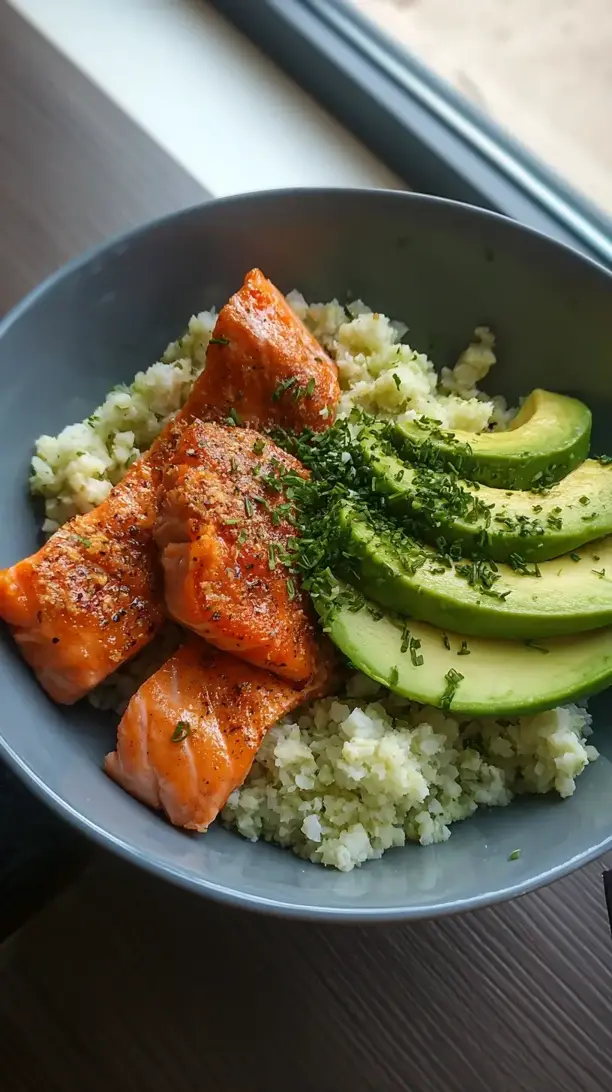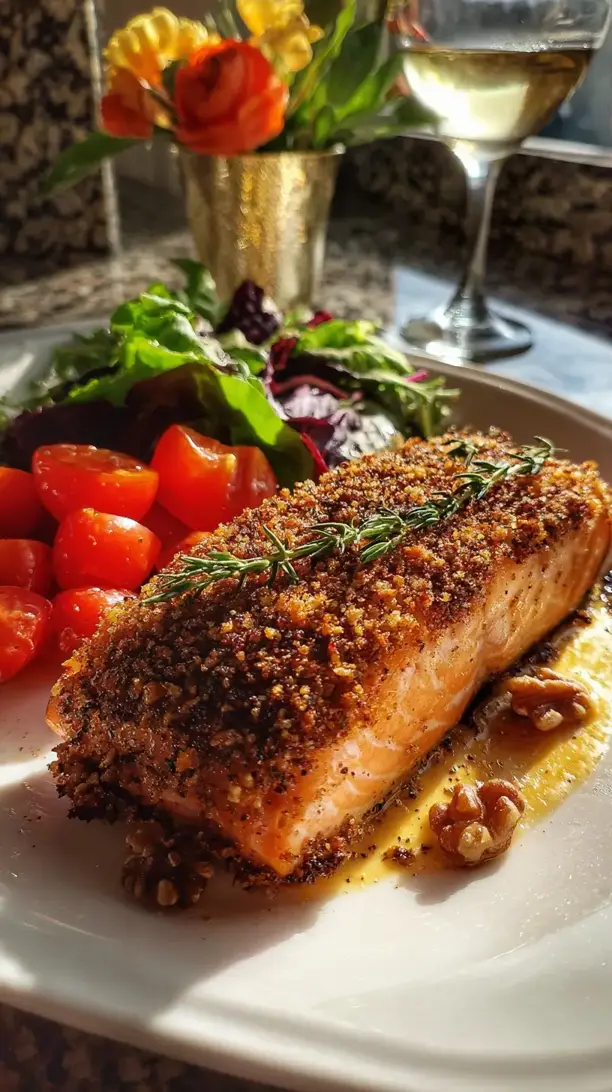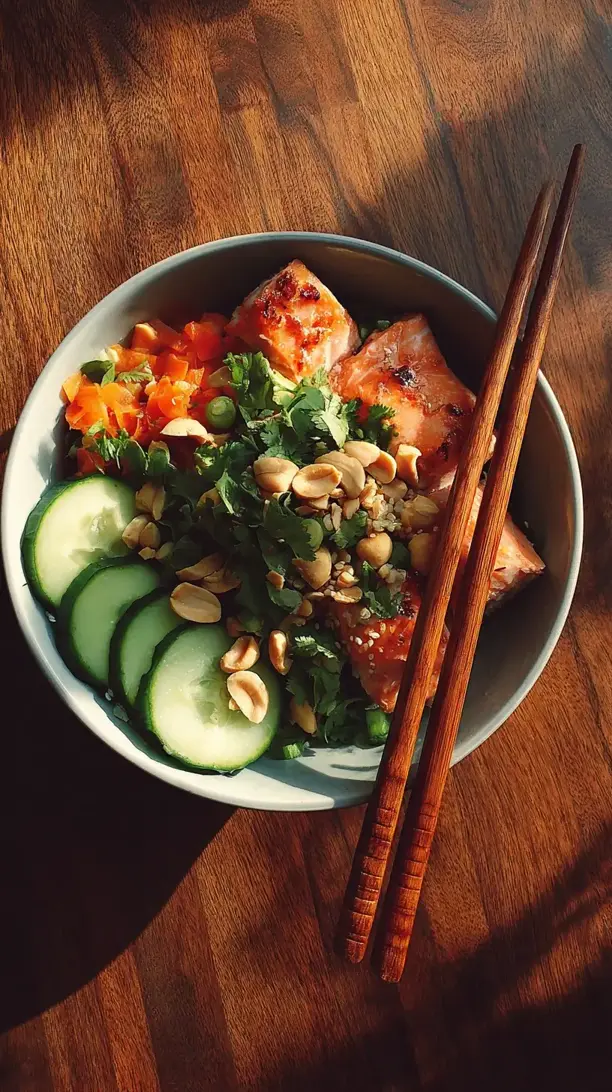

This Lemon Pepper Salmon delivers a fancy, flavorful meal with minimal effort. Tender, flaky fillets get a crisp crust and bright zesty kick from lemon and aromatic black pepper. It’s a healthy, impressive dinner ready in about 20 minutes.
Why You’ll Love This Lemon Pepper Salmon
- Quick & fuss-free: Ready in under 20 minutes with minimal cleanup.
- Bright, craveable flavor: Zesty lemon and warm pepper create a refreshing, satisfying harmony.
- Versatile pairing: Works with salads, roasted veggies, pasta, and more.
- Healthy & wholesome: Packed with omega-3s, protein, and fresh ingredients.
Ingredients & Tools
- 2 salmon fillets (about 150–180 g each), skin-on or skinless
- 1 large lemon
- 1½ tsp freshly cracked black pepper
- ¾ tsp fine sea salt
- 2 tbsp olive oil
- 2 garlic cloves, minced
- 1 tbsp fresh parsley, finely chopped (optional, for garnish)
Tools: A large skillet (non-stick or cast iron works great), microplane or zester, sharp knife, measuring spoons.
Notes: Freshly cracked pepper (not pre-ground) offers more fragrance and better texture. Use a fresh lemon for maximum zest and juice impact.
Nutrition (per serving)
| Calories: | 320 kcal |
| Protein: | 35 g |
| Fat: | 19 g |
| Carbs: | 3 g |
| Fiber: | 1 g |
Serves: 2 | Prep Time: 5 minutes | Cook Time: 12 minutes | Total Time: 17 minutes
Before You Start: Tips & Ingredient Notes
- Let the salmon come to room temperature. Taking the fillets out of the fridge about 15–20 minutes before cooking helps them cook more evenly, preventing a cold center and an overcooked exterior.
- Don’t skip the zest! The yellow part of the lemon peel is packed with aromatic oils that give a powerful citrus punch without the acidity—it’s the secret to a really vibrant flavor.
- Use a hot pan. A properly preheated skillet is key to getting that beautiful, crisp sear on the salmon. If the pan isn’t hot enough, the fish might steam instead of sear, and you’ll miss out on that lovely texture.
- Freshly crack your pepper. Pre-ground pepper can taste a bit dusty and muted. Freshly cracked gives you a brighter, more complex spice that really shines through in the final dish.
How to Make Lemon Pepper Salmon
Step 1: First, pat the salmon fillets completely dry with paper towels. This is a small step, but it’s crucial—any surface moisture will prevent the skin from getting crisp and can lead to steaming. You’ll notice a big difference in texture if you take the time to do this properly. Then, season both sides generously with the salt and that freshly cracked black pepper, pressing gently so it adheres.
Step 2: Now, zest the entire lemon using a microplane or the fine side of a box grater. Be careful to only grate the yellow part, as the white pith underneath is bitter. Then, halve the lemon—you’ll use one half for juicing later, and the other half can be sliced into thin rounds for garnish and extra flavor during cooking.
Step 3: Place your skillet over medium-high heat and add the olive oil. Let it heat up until it shimmers—you should see gentle waves forming in the oil. To test, you can flick a tiny drop of water into the pan; if it sizzles immediately, you’re good to go. This ensures a perfect sear from the moment the salmon hits the pan.
Step 4: Carefully place the salmon fillets in the hot skillet, presentation-side down (that’s the side that didn’t have the skin). If you’re using skin-on, place it skin-side up. You should hear a confident sizzle. Resist the urge to move them! Let them cook undisturbed for about 4–5 minutes to develop a gorgeous golden-brown crust.
Step 5: While the first side is cooking, mince your garlic cloves. You’ll also want to juice half of the zested lemon—you should get about 1½ to 2 tablespoons of juice. Having these prepped and ready to go makes the next steps smooth and quick.
Step 6: Now, it’s time to flip. Gently slide a spatula under each fillet and turn them over. If you’re using skin-on salmon, it’s now skin-side down. Reduce the heat to medium. Toss the minced garlic into the oil around the salmon—not directly on top—and let it become fragrant, which should only take about 30 seconds.
Step 7: Pour the fresh lemon juice and sprinkle the lemon zest into the skillet, again aiming for the space around the fillets. The liquid will bubble and steam up, creating an instant, aromatic sauce. You can also add the lemon slices to the pan at this point to caramelize slightly and infuse even more citrus flavor.
Step 8: Continue cooking for another 4–6 minutes, or until the salmon is cooked to your liking. The trick is to look for opaque flesh that flakes easily with a fork at the thickest part. For medium, you’re aiming for an internal temperature of about 125°F (52°C). Be careful not to overcook it, as salmon can dry out quickly.
Step 9: Once done, remove the skillet from the heat. If you’re using the fresh parsley, sprinkle it over the top now. To serve, spoon the pan juices, garlic, and any caramelized lemon slices over the fillets. This ensures every bite is infused with that incredible lemon pepper sauce.
Storage & Freshness Guide
- Fridge: Cool completely, store in an airtight container for up to 2 days.
- Freezer: Wrap tightly or place in a freezer bag; freeze for up to 1 month.
- Reviving: Reheat gently in a covered skillet with a splash of water or in a 275°F oven until warmed through.
Serving Suggestions
Complementary Dishes
- Garlic Herb Quinoa — The fluffy, nutty grains soak up the lemony pan sauce beautifully, making for a complete and satisfying meal.
- Simple Arugula Salad — The peppery bite of arugula dressed with just a squeeze of lemon and a drizzle of olive oil complements the salmon without overpowering it.
- Roasted Asparagus — Toss asparagus spears with oil, salt, and pepper and roast until tender-crisp; their earthy flavor is a perfect match for the zesty fish.
Drinks
- A Crisp Sauvignon Blanc — Its citrusy and herbal notes mirror the flavors in the dish, creating a wonderfully harmonious pairing.
- Sparkling Water with Lemon — A simple, refreshing non-alcoholic option that cleanses the palate and enhances the citrus theme.
- Iced Herbal Tea — A chilled mint or lemongrass tea offers a cool, aromatic contrast that feels light and revitalizing.
Something Sweet
- Lemon Sorbet — A scoop of sharp, clean sorbet continues the citrus journey and provides a palate-cleansing, refreshing finish.
- Almond Shortbread Cookies — Their buttery, nutty flavor and crumbly texture are a lovely, simple contrast to the main course.
- Fresh Berry Salad — Mixed berries with a hint of mint and a drizzle of honey feel light, sweet, and just right after a savory meal.
Top Mistakes to Avoid
- Mistake: Using a cold pan. If your skillet isn’t properly preheated, the salmon will start to release its moisture and steam instead of sear. You’ll end up with a pale, soft exterior instead of that delicious, crisp crust we’re after.
- Mistake: Moving the salmon too soon. I know it’s tempting to peek or shift it, but you have to let it sit for those first few minutes to build a proper sear. If you move it too early, it’ll stick and tear.
- Mistake: Overcooking the salmon. Salmon continues to cook for a minute or two after you take it off the heat (this is called carryover cooking). Pull it off just before it’s perfectly done to your liking, and let it rest. Overcooked salmon becomes dry and chalky.
- Mistake: Adding lemon juice too early. If you add the acidic lemon juice at the very beginning, it can start to “cook” the fish (like in a ceviche) and give it a tough, rubbery texture. We add it near the end to make a sauce and keep the flesh tender.
Expert Tips
- Tip: Press the seasoning onto the fish. After sprinkling the salt and pepper, gently press it into the flesh with your fingertips. This helps it form a flavorful crust that won’t just fall off during cooking.
- Tip: Baste the salmon for extra flavor. In the last couple minutes of cooking, tilt the pan slightly and use a spoon to continuously pour the hot, lemony oil and garlic over the top of the fillets. This infuses flavor and keeps the surface incredibly moist.
- Tip: Let it rest before serving. Just like a steak, let the salmon sit for 2–3 minutes after cooking. This allows the juices to redistribute throughout the fillet, resulting in a more tender and flavorful bite.
- Tip: Use the pan sauce. Don’t leave those delicious browned bits and infused oil behind! After removing the salmon, you can swirl a little extra butter or a splash of white wine into the pan to make an even more decadent sauce to drizzle over everything.
FAQs
Can I use frozen salmon for this recipe?
Absolutely, but the key is to thaw it properly. The best way is to move it from the freezer to the fridge the night before. Never thaw salmon at room temperature or in warm water, as this can compromise texture and safety. Once fully thawed, pat it extremely dry with paper towels—even more so than fresh—to remove any excess moisture that was released during freezing.
What’s the best way to tell when the salmon is done?
The most reliable method is to use an instant-read thermometer. Insert it into the thickest part of the fillet; for medium, you’re aiming for 125°F (52°C). If you don’t have a thermometer, use a fork to gently press down on the top. The flesh should flake apart easily and look opaque all the way through, with just a hint of translucency in the very center for medium.
Can I bake this lemon pepper salmon instead of pan-searing?
You sure can! Preheat your oven to 400°F (200°C). Season the salmon as directed and place it on a parchment-lined baking sheet. Drizzle with oil and bake for 12–15 minutes, depending on thickness. Add the lemon juice and zest in the last 2–3 minutes of baking to keep the flavor bright. Baking is a great hands-off method, though you won’t get the same crisp crust.
I don’t have fresh lemons. Can I use bottled lemon juice?
You can in a pinch, but honestly, the flavor won’t be nearly as vibrant. Bottled juice lacks the fresh, bright acidity and the complex aromatic oils from the zest. If you must substitute, use half the amount of bottled juice (it’s more concentrated and often has a harsher taste) and consider adding a tiny pinch of sugar to balance it out.
How should I store and reheat leftovers?
Let the salmon cool completely, then store it in an airtight container in the fridge for up to 2 days. The best way to reheat it is gently—either in a covered skillet with a splash of water over low heat, or in a 275°F (135°C) oven until just warmed through. Microwaving will likely overcook it and make it rubbery, so I’d avoid that if you can.
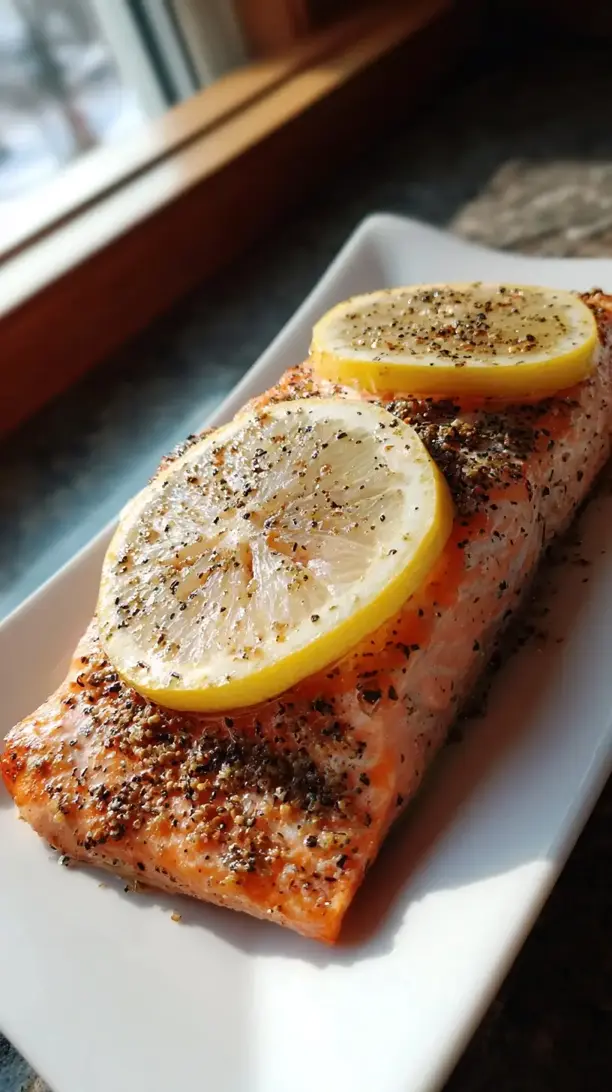
Lemon Pepper Salmon
Make perfect Lemon Pepper Salmon in 20 minutes! This easy recipe delivers tender, flaky fish with a zesty, crisp crust. Get the simple steps and cook it tonight!
Ingredients
For the Ingredients & Tools
-
2 salmon fillets (about 150–180 g each, skin-on or skinless)
-
1 large lemon
-
1½ tsp freshly cracked black pepper
-
¾ tsp fine sea salt
-
2 tbsp olive oil
-
2 garlic cloves (minced)
-
1 tbsp fresh parsley (finely chopped (optional, for garnish))
Instructions
-
First, pat the salmon fillets completely dry with paper towels. Then, season both sides generously with the salt and that freshly cracked black pepper, pressing gently so it adheres.01
-
Now, zest the entire lemon using a microplane or the fine side of a box grater. Then, halve the lemon—you’ll use one half for juicing later, and the other half can be sliced into thin rounds for garnish and extra flavor during cooking.02
-
Place your skillet over medium-high heat and add the olive oil. Let it heat up until it shimmers—you should see gentle waves forming in the oil.03
-
Carefully place the salmon fillets in the hot skillet, presentation-side down (that’s the side that didn’t have the skin). If you’re using skin-on, place it skin-side up. Let them cook undisturbed for about 4–5 minutes to develop a gorgeous golden-brown crust.04
-
While the first side is cooking, mince your garlic cloves. You’ll also want to juice half of the zested lemon—you should get about 1½ to 2 tablespoons of juice.05
-
Now, it’s time to flip. Gently slide a spatula under each fillet and turn them over. If you’re using skin-on salmon, it’s now skin-side down. Reduce the heat to medium. Toss the minced garlic into the oil around the salmon—not directly on top—and let it become fragrant, which should only take about 30 seconds.06
-
Pour the fresh lemon juice and sprinkle the lemon zest into the skillet, again aiming for the space around the fillets. You can also add the lemon slices to the pan at this point to caramelize slightly and infuse even more citrus flavor.07
-
Continue cooking for another 4–6 minutes, or until the salmon is cooked to your liking. The trick is to look for opaque flesh that flakes easily with a fork at the thickest part. For medium, you’re aiming for an internal temperature of about 125°F (52°C).08
-
Once done, remove the skillet from the heat. If you’re using the fresh parsley, sprinkle it over the top now. To serve, spoon the pan juices, garlic, and any caramelized lemon slices over the fillets.09