
This Lemon Cream Shrimp recipe delivers plump shrimp in a bright, creamy citrus sauce. It’s an elegant yet quick meal that comes together in under 30 minutes. Serve this lemon cream shrimp over pasta or rice for a truly satisfying dinner.
Why You’ll Love This Lemon Cream Shrimp
Fast & Fuss-Free: Ready in about 20 minutes of active cooking.
Perfect Flavor Balance: Velvety cream is brightened by zesty lemon.
Incredibly Versatile: Great over pasta, rice, or polenta.
Decadent Yet Light: Feels indulgent without being overly heavy.
Ingredients & Tools
- 450 g large raw shrimp, peeled and deveined
- 2 tbsp olive oil
- 3 cloves garlic, minced
- 1 small shallot, finely chopped
- 120 ml dry white wine (like Sauvignon Blanc or Pinot Grigio)
- 240 ml heavy cream (or double cream)
- 1 large lemon (for zest and juice)
- 2 tbsp fresh parsley, chopped
- 1 tbsp fresh dill, chopped
- To taste salt and freshly ground black pepper
- ¼ tsp red pepper flakes (optional, for a little heat)
Tools: A large skillet (preferably stainless steel or cast iron), microplane or zester, citrus juicer.
Notes: Don’t skip the shallot—it adds a subtle, sweet aromatic base. The white wine deglazes the pan and adds complex acidity.
Nutrition (per serving)
| Calories: | 385 kcal |
| Protein: | 25 g |
| Fat: | 28 g |
| Carbs: | 8 g |
| Fiber: | 1 g |
Serves: 4 | Prep Time: 10 minutes | Cook Time: 15 minutes | Total Time: 25 minutes
Before You Start: Tips & Ingredient Notes
- Get your shrimp right. I highly recommend using raw, frozen shrimp that you’ve thawed yourself. They’re often fresher than the “fresh” shrimp sitting on ice at the counter. Thaw them overnight in the fridge or in a bowl of cold water for 30 minutes. Pat them VERY dry with paper towels—this is the secret to a good sear.
- Don’t skimp on the cream. For the best texture and to prevent the sauce from breaking, use a heavy cream or double cream with a high fat content. Lower-fat alternatives like half-and-half or milk are more likely to curdle when the acid from the lemon is introduced.
- Zest first, juice second. Always zest your lemon before you juice it. It’s nearly impossible to zest a juiced lemon half! Use a microplane for the finest zest, which will incorporate seamlessly into the sauce without any unpleasant chewy bits.
- Have everything prepped and ready. This recipe moves quickly once you start cooking. Having your garlic minced, shallot chopped, and herbs ready to go (your *mise en place*) will make the process smooth and stress-free, preventing anything from burning while you scramble.
How to Make Lemon Cream Shrimp
Step 1: Start by preparing your shrimp. If they aren’t already, peel and devein them, leaving the tails on or off based on your preference. Pat them thoroughly dry with several layers of paper towels. This step is non-negotiable—wet shrimp will steam instead of sear. Season them generously with salt and pepper on both sides.
Step 2: Place your large skillet over medium-high heat and add the olive oil. Once the oil is shimmering hot, add the shrimp in a single layer, making sure not to overcrowd the pan. You might need to do this in two batches. Cook for just 1-2 minutes per side, until they turn pink and opaque with a light golden sear. They cook incredibly fast! Remove them from the skillet immediately and set them aside on a plate. They will finish cooking later in the sauce.
Step 3: Reduce the heat to medium. In the same skillet, you’ll now see all those delicious browned bits stuck to the bottom—that’s pure flavor! Add the chopped shallot and cook for about 2 minutes until it softens and becomes translucent. Now add the minced garlic and the optional red pepper flakes, cooking for just 30-60 seconds until fragrant. Be careful not to burn the garlic, or it will turn bitter.
Step 4: Pour in the white wine to deglaze the pan. Use your spatula to scrape all those browned bits from the bottom of the skillet. Let the wine simmer and reduce by about half, which should take 2-3 minutes. You’ll notice the sharp alcohol smell fading, leaving behind a concentrated, flavorful base for your sauce.
Step 5: Lower the heat to medium-low and pour in the heavy cream. Stir to combine it with the wine and aromatics. Let it come to a gentle simmer—don’t let it boil vigorously. You’ll see the sauce start to thicken slightly as it heats. Stir in the lemon zest at this stage, which will infuse the cream with its beautiful citrus oil.
Step 6: Now, return the cooked shrimp (and any accumulated juices) back to the skillet. Stir them gently to coat them in the creamy sauce and let them heat through for a final minute. This is just to warm them up and finish their cooking.
Step 7: Turn off the heat. This is the crucial moment for the lemon juice. Stir in the fresh lemon juice and most of your chopped fresh herbs. Adding the acid off the heat helps maintain the fresh, bright flavor and reduces the risk of the cream curdling. Give it a final taste and adjust the seasoning with more salt or pepper if needed.
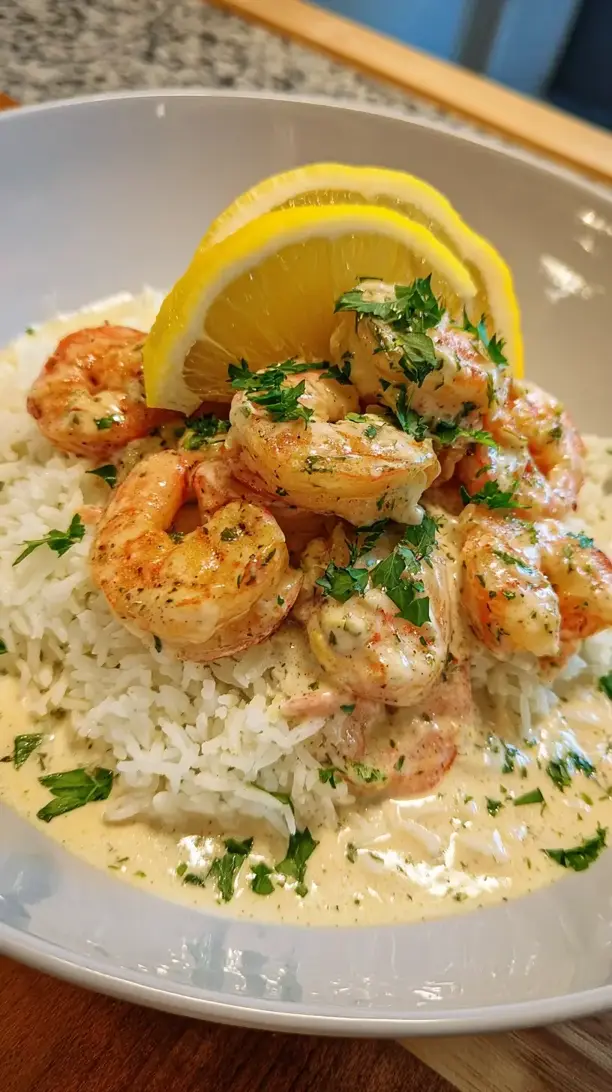
Step 8: Serve immediately! Spoon the Lemon Cream Shrimp over your chosen base and garnish with the remaining fresh herbs and an extra little grind of black pepper. The sauce will be creamy, glossy, and perfectly clinging to every single shrimp.
Storage & Freshness Guide
- Fridge: Store in an airtight container for up to 2 days.
- Freezer: Not recommended; cream sauces can separate upon thawing.
- Reviving: Gently reheat on low, stirring in a splash of cream or broth if needed.
Serving Suggestions
Complementary Dishes
- Angel Hair Pasta or Linguine — The delicate, thin strands are perfect for twirling and capturing every bit of that luxurious lemon cream sauce.
- Fluffy Jasmine or Basmati Rice — The light, fragrant grains act as a wonderful neutral canvas, allowing the shrimp and sauce to be the absolute stars of the show.
- Creamy Parmesan Polenta — The rich, cheesy polenta creates a dreamy bed that pairs wonderfully with the tangy, saucy shrimp for the ultimate comfort food experience.
Drinks
- A Crisp Sauvignon Blanc — The wine’s natural citrus and herbaceous notes are a mirror image of the flavors in the dish, creating a harmonious pairing that elevates both the food and the drink.
- Sparkling Water with Lemon — For a non-alcoholic option, the bubbles help cut through the richness of the cream, and the lemon wedge continues the bright, citrus theme.
Something Sweet
- Lemon Sorbet — A palate-cleansing, ultra-refreshing scoop of sorbet continues the lemon theme in a light, sweet, and wonderfully refreshing way to end the meal.
- Shortbread Cookies — Their simple, buttery sweetness is the perfect, gentle contrast to the tangy, savory main course without being too heavy or overpowering.
Top Mistakes to Avoid
- Overcooking the shrimp. Shrimp go from perfectly tender to rubbery and tough in a matter of seconds. Remember, you’re just searing them initially—they’ll finish cooking when you return them to the warm sauce. A slight C-shape means they’re done; a tight O-shape means they’re overdone.
- Adding lemon juice to boiling cream. High heat and acid are a dangerous combination for dairy. It can cause the cream to curdle or separate, giving your sauce a grainy texture. Always add the lemon juice after you’ve turned off the heat.
- Not deglazing the pan properly. Those browned bits left from searing the shrimp are packed with flavor. If you don’t use the wine to scrape them all up, you’re literally washing flavor down the drain. Take your time with this step.
- Using bottled lemon juice. The flavor is flat, often bitter, and lacks the vibrant, fresh acidity that makes this dish so special. Freshly squeezed lemon juice is non-negotiable here for the best possible result.
Expert Tips
- Tip: For an even richer, more complex sauce, stir in a tablespoon of cold, unsalted butter at the very end, after you’ve turned off the heat. Swirl the pan until it melts in—this technique, called *monter au beurre*, gives the sauce an incredible silky sheen and body.
- Tip: If your sauce seems a bit too thin for your liking, let it simmer for an extra minute or two to reduce further. If it gets too thick, simply thin it out with a tablespoon or two of warm water, chicken broth, or even a splash more cream until it reaches your desired consistency.
- Tip: For a flavor boost, you can infuse the cream itself. Gently warm the cream in a separate saucepan with the lemon zest and a sprig of thyme for 10 minutes (do not boil), then strain it before adding it to the deglazed pan. It’s an extra step, but the depth of flavor is incredible.
- Tip: If you have them, use shrimp with the shells on to make a quick shrimp stock. Sauté the shells in a bit of oil, add water, and simmer for 15 minutes. Strain and use a splash of this stock instead of water to thin your sauce—it adds an unbelievable layer of seafood essence.
FAQs
Can I make this dish ahead of time?
You can prep the components ahead, but I don’t recommend fully assembling it. You can clean the shrimp and chop the herbs/garlic/shallot a few hours in advance. However, the sauce is best served immediately after cooking, as it can separate or become greasy upon reheating. The shrimp also become tough when reheated. It’s truly a 25-minute meal meant for enjoying right away.
What can I use instead of white wine?
No problem! The best non-alcoholic substitute is an equal amount of chicken or vegetable broth mixed with a teaspoon of either white wine vinegar or fresh lemon juice. This will replicate the acidity and depth that the wine provides. Just be mindful of the extra lemon juice if you go that route, as it will make the final dish more tart.
How can I tell when the shrimp are cooked perfectly?
Look for visual and textural cues. Raw shrimp are gray and translucent. Perfectly cooked shrimp will be pink and opaque all the way through and will have curled into a loose C-shape. If they’ve curled into a tight O-shape, they are almost certainly overcooked. They should feel firm but still slightly springy to the touch.
Is it possible to make this recipe dairy-free?
Yes, with a few adjustments. For the cream, use a high-fat, unsweetened canned coconut milk. The flavor will be different—slightly tropical—but still delicious. Alternatively, a cashew cream can work well. For the butter finish at the end, simply use a plant-based butter alternative or omit it. The lemon and herbs will still provide tons of flavor.
My sauce looks a bit curdled. Can I fix it?
Don’t panic! This can happen if the heat was too high when you added the lemon juice. Immediately remove it from the heat and pour the sauce into a blender. Blend on high for 30 seconds; the emulsification power of the blender can often bring it back together smoothly. If you don’t have a blender, vigorously whisk in a tablespoon of cold cream or butter.
Lemon Cream Shrimp
Make this easy Lemon Cream Shrimp recipe in under 30 minutes! Plump shrimp in a bright, creamy sauce. Perfect over pasta or rice. Get the recipe now!
Ingredients
For the Shrimp and Sauce:
-
450 g large raw shrimp (peeled and deveined)
-
2 tbsp olive oil
-
3 cloves garlic (minced)
-
1 small shallot (finely chopped)
-
120 ml dry white wine (like Sauvignon Blanc or Pinot Grigio)
-
240 ml heavy cream (or double cream)
-
1 large lemon (for zest and juice)
-
2 tbsp fresh parsley (chopped)
-
1 tbsp fresh dill (chopped)
-
salt and freshly ground black pepper (to taste)
-
¼ tsp red pepper flakes (optional, for a little heat)
Instructions
-
Start by preparing your shrimp. If they aren’t already, peel and devein them, leaving the tails on or off based on your preference. Pat them thoroughly dry with several layers of paper towels. This step is non-negotiable—wet shrimp will steam instead of sear. Season them generously with salt and pepper on both sides.01
-
Place your large skillet over medium-high heat and add the olive oil. Once the oil is shimmering hot, add the shrimp in a single layer, making sure not to overcrowd the pan. You might need to do this in two batches. Cook for just 1-2 minutes per side, until they turn pink and opaque with a light golden sear. They cook incredibly fast! Remove them from the skillet immediately and set them aside on a plate. They will finish cooking later in the sauce.02
-
Reduce the heat to medium. In the same skillet, you’ll now see all those delicious browned bits stuck to the bottom—that’s pure flavor! Add the chopped shallot and cook for about 2 minutes until it softens and becomes translucent. Now add the minced garlic and the optional red pepper flakes, cooking for just 30-60 seconds until fragrant. Be careful not to burn the garlic, or it will turn bitter.03
-
Pour in the white wine to deglaze the pan. Use your spatula to scrape all those browned bits from the bottom of the skillet. Let the wine simmer and reduce by about half, which should take 2-3 minutes. You’ll notice the sharp alcohol smell fading, leaving behind a concentrated, flavorful base for your sauce.04
-
Lower the heat to medium-low and pour in the heavy cream. Stir to combine it with the wine and aromatics. Let it come to a gentle simmer—don’t let it boil vigorously. You’ll see the sauce start to thicken slightly as it heats. Stir in the lemon zest at this stage, which will infuse the cream with its beautiful citrus oil.05
-
Now, return the cooked shrimp (and any accumulated juices) back to the skillet. Stir them gently to coat them in the creamy sauce and let them heat through for a final minute. This is just to warm them up and finish their cooking.06
-
Turn off the heat. This is the crucial moment for the lemon juice. Stir in the fresh lemon juice and most of your chopped fresh herbs. Adding the acid off the heat helps maintain the fresh, bright flavor and reduces the risk of the cream curdling. Give it a final taste and adjust the seasoning with more salt or pepper if needed.07
-
Serve immediately! Spoon the Lemon Cream Shrimp over your chosen base and garnish with the remaining fresh herbs and an extra little grind of black pepper. The sauce will be creamy, glossy, and perfectly clinging to every single shrimp.08