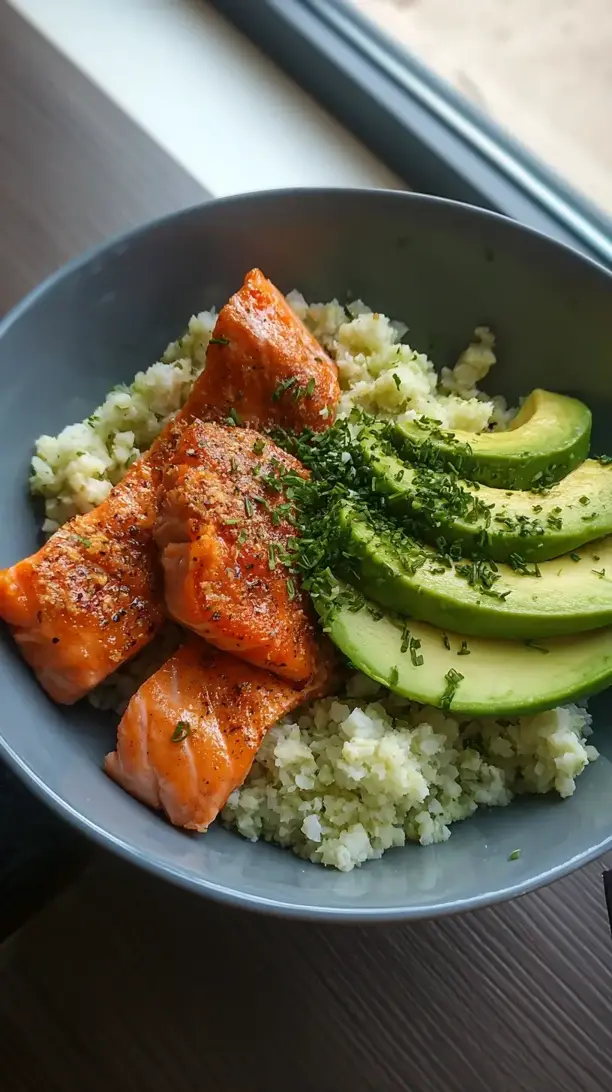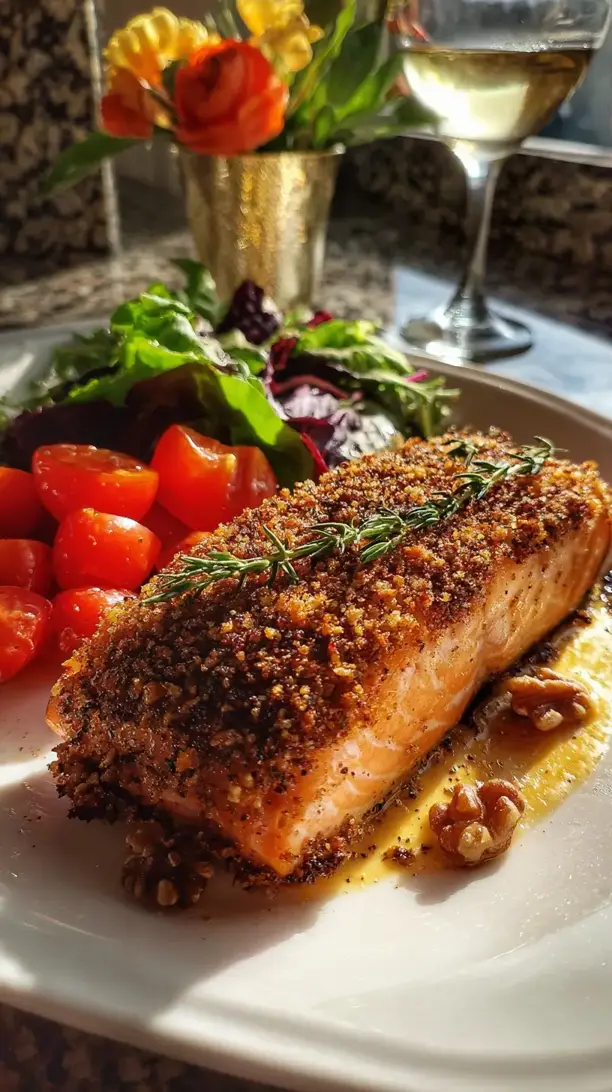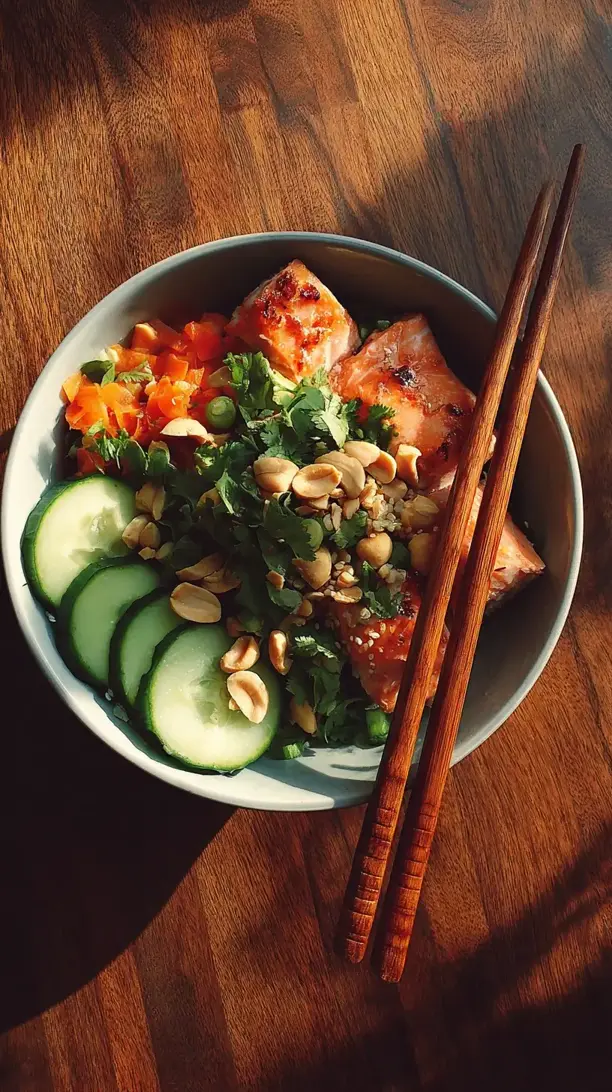

This Kung Pao Salmon transforms flaky fish with a sweet, spicy, and tangy sauce for a quick, restaurant-worthy dinner. It’s a one-pan wonder that comes together in minutes. You’ll love this easy kung-pao-salmon twist on a classic.
Why You’ll Love This Kung Pao Salmon
- Flavor explosion: Perfect balance of sweet, sour, salty, and spicy.
- Quick & easy: Ready in about 20 minutes of active cooking.
- Healthier twist: Packed with omega-3s and lean protein.
- Textural contrast: Tender fish, crisp veggies, and crunchy peanuts.
Ingredients & Tools
- 2 salmon fillets (about 150-180 g each), skin on or off
- 2 tbsp vegetable or peanut oil, divided
- 1 tbsp cornstarch
- 1/2 tsp Sichuan peppercorns, lightly crushed
- 3-4 dried red chilies, whole
- 2 cloves garlic, minced
- 1 tsp fresh ginger, grated
- 1/2 red bell pepper, diced
- 2 spring onions, sliced (whites and greens separated)
- 1/4 cup roasted unsalted peanuts
- 3 tbsp soy sauce
- 2 tbsp Chinese black vinegar (or rice vinegar)
- 1 tbsp hoisin sauce
- 1 tbsp brown sugar
- 1 tsp sesame oil
- 2 tbsp water
Tools: A large skillet or wok, a small bowl for the sauce, and a plate for resting the salmon.
Notes: Don’t be intimidated by the list—most are pantry staples. Sichuan peppercorns are key for the tingly numbness, but black pepper works in a pinch.
Nutrition (per serving)
| Calories: | 485 kcal |
| Protein: | 38 g |
| Fat: | 28 g |
| Carbs: | 18 g |
| Fiber: | 3 g |
Serves: 2 | Prep Time: 10 minutes | Cook Time: 12 minutes | Total Time: 22 minutes
Before You Start: Tips & Ingredient Notes
- Get your salmon to room temperature. Taking the salmon out of the fridge 15-20 minutes before cooking helps it cook more evenly, preventing a cold center and an overcooked exterior.
- Don’t skip the cornstarch dusting. This light coating is our secret weapon—it creates a delicate, crisp crust on the salmon and helps the sauce cling beautifully to every nook and cranny.
- Understand your chili heat. The dried chilies add aroma and a slow-building heat. For less spice, remove the seeds before adding them. For more fire, break a few in half to release the seeds into the oil.
- Have everything prepped and ready. This recipe moves fast once you start cooking. Having your sauce mixed, vegetables chopped, and spices measured out means you won’t be scrambling and risk overcooking the salmon.
How to Make Kung Pao Salmon
Step 1: Pat the salmon fillets completely dry with a paper towel. This is crucial for getting a nice sear. Lightly dust all sides with the cornstarch, tapping off any excess. You’re not looking for a thick batter, just a very fine, even coating.
Step 2: In a small bowl, whisk together the soy sauce, black vinegar, hoisin sauce, brown sugar, sesame oil, and water until the sugar is dissolved. This is your powerhouse Kung Pao sauce—taste it and feel free to adjust the sweet or sour notes to your liking.
Step 3: Heat one tablespoon of oil in a large skillet over medium-high heat. Once the oil is shimmering, carefully place the salmon fillets in the pan, presentation-side down. Cook for 3-4 minutes without moving them, until a golden-brown crust forms. Flip and cook for another 2 minutes. The salmon should be just cooked through but still very moist. Transfer to a plate.
Step 4: Reduce the heat to medium and add the remaining tablespoon of oil to the same skillet. Toss in the Sichuan peppercorns and dried chilies. Stir for about 30 seconds until they become fragrant—you’ll get that amazing, tingling aroma filling your kitchen.
Step 5: Add the garlic, ginger, and the white parts of the spring onions. Stir-fry for just 30 seconds until fragrant, being careful not to let the garlic burn. Then, add the diced red bell pepper and stir-fry for another minute until it just begins to soften but still has a nice crunch.
Step 6: Give your prepared sauce a quick stir (the cornstarch in the hoisin might have settled) and pour it into the skillet. It will bubble and thicken almost immediately. Let it simmer for about a minute until it becomes glossy and coats the back of a spoon.
Step 7: Return the salmon fillets to the pan, nestling them into the sauce. Spoon some of the sauce and peppers over the top. Scatter in the roasted peanuts and the green parts of the spring onions. Let everything heat through for a final minute so the salmon is warmed and has absorbed some of that incredible sauce. Serve immediately!
Storage & Freshness Guide
- Fridge: Store leftovers in an airtight container for up to 2 days.
- Freezer: Not recommended; salmon texture becomes watery upon thawing.
- Reviving: Gently reheat in a skillet over low heat with a splash of water.
Serving Suggestions
Complementary Dishes
- Steamed jasmine rice — The fluffy, fragrant rice is the perfect neutral base to soak up every last drop of the delicious Kung Pao sauce.
- Simple stir-fried greens — A quick bok choy or gai lan stir-fried with garlic provides a fresh, crisp counterpoint to the rich and saucy salmon.
- Cooling cucumber salad — Thinly sliced cucumbers with a light rice vinegar dressing offer a refreshing, palate-cleansing crunch between bites.
Drinks
- Jasmine or green tea — The subtle, floral notes of the tea help cleanse the palate and balance the spice and richness of the dish beautifully.
- A crisp lager — A cold, light beer like a Japanese lager or a pilsner cuts through the sauce’s intensity and complements the dish’s savory notes.
- Off-dry Riesling — A wine with a touch of sweetness and high acidity is a fantastic partner, balancing the heat and highlighting the dish’s complex flavors.
Something Sweet
- Lychee sorbet — The floral, sweet, and icy sorbet is a wonderfully light and refreshing way to end the meal after all those bold flavors.
- Mango pudding — This creamy, tropical dessert is cool and soothing, providing a sweet and smooth finish that contrasts the spicy-salty main course.
- Fortune cookies and orange wedges — A classic, simple ending that feels authentic and leaves you with a bright, citrusy freshness.
Top Mistakes to Avoid
- Overcooking the salmon. Salmon continues to cook after it’s removed from the heat. Pull it from the pan when it’s still slightly translucent in the very center for a perfectly moist result.
- Burning the aromatics. Garlic and ginger burn in a flash. Once you add them to the hot oil, keep them moving and don’t walk away—you want them fragrant, not bitter.
- Using a crowded pan. If your skillet is too small, the salmon will steam instead

Kung Pao Salmon
Make restaurant-style Kung Pao Salmon at home in just 20 minutes! This easy recipe features a sweet & spicy sauce and flaky fish. Get the simple recipe here!
Ingredients
For the salmon and sauce:
-
2 salmon fillets (about 150-180 g each, skin on or off)
-
2 tbsp vegetable or peanut oil (divided)
-
1 tbsp cornstarch
-
1/2 tsp Sichuan peppercorns (lightly crushed)
-
3-4 dried red chilies (whole)
-
2 cloves garlic (minced)
-
1 tsp fresh ginger (grated)
-
1/2 red bell pepper (diced)
-
2 spring onions (sliced (whites and greens separated))
-
1/4 cup roasted unsalted peanuts
-
3 tbsp soy sauce
-
2 tbsp Chinese black vinegar (or rice vinegar)
-
1 tbsp hoisin sauce
-
1 tbsp brown sugar
-
1 tsp sesame oil
-
2 tbsp water
Instructions
-
Pat the salmon fillets completely dry with a paper towel. Lightly dust all sides with the cornstarch, tapping off any excess.01
-
In a small bowl, whisk together the soy sauce, black vinegar, hoisin sauce, brown sugar, sesame oil, and water until the sugar is dissolved.02
-
Heat one tablespoon of oil in a large skillet over medium-high heat. Once the oil is shimmering, carefully place the salmon fillets in the pan, presentation-side down. Cook for 3-4 minutes without moving them, until a golden-brown crust forms. Flip and cook for another 2 minutes. Transfer to a plate.03
-
Reduce the heat to medium and add the remaining tablespoon of oil to the same skillet. Toss in the Sichuan peppercorns and dried chilies. Stir for about 30 seconds until they become fragrant.04
-
Add the garlic, ginger, and the white parts of the spring onions. Stir-fry for just 30 seconds until fragrant. Then, add the diced red bell pepper and stir-fry for another minute until it just begins to soften.05
-
Give your prepared sauce a quick stir and pour it into the skillet. Let it simmer for about a minute until it becomes glossy and coats the back of a spoon.06
-
Return the salmon fillets to the pan, nestling them into the sauce. Spoon some of the sauce and peppers over the top. Scatter in the roasted peanuts and the green parts of the spring onions. Let everything heat through for a final minute. Serve immediately.07