
Why You’ll Love This Greek Yogurt Mashed Potatoes
- Unbelievably Creamy Texture. The thick, protein-rich nature of Greek yogurt whips into the potatoes creating a velvety, cloud-like consistency that’s just dreamy. It’s richer than versions made with just milk, without feeling heavy or greasy on your palate.
- A Delightful Flavor Twist. You get all the classic, comforting potato flavor, but then there’s this subtle, tangy undertone from the yogurt that really wakes everything up. It cuts through the butter beautifully and makes the whole dish feel more balanced and sophisticated.
- Surprisingly Simple to Make. If you can make regular mashed potatoes, you can make these. The process is identical—you’re just swapping one creamy ingredient for another. It’s a one-pot wonder (after boiling, of course) that comes together in minutes.
- Impressive & Versatile. These aren’t your average spuds. That little tang makes them a fantastic partner for everything from a simple roasted chicken to a rich beef stew. They feel a little more special, a little more chef-y, without any extra effort from you.
Ingredients & Tools
- 2 lbs Russet or Yukon Gold potatoes
- 1 cup plain, full-fat Greek yogurt
- 1/2 cup unsalted butter, softened
- 1/3 cup whole milk or warm heavy cream
- 3 cloves garlic, minced (optional, but highly recommended)
- 1 tsp fine sea salt, plus more for the water
- 1/2 tsp freshly cracked black pepper
- 2 tbsp fresh chives, finely chopped
Tools: A large pot, a potato ricer or masher, a fine grater or microplane (if adding raw garlic), and a sturdy mixing bowl.
A quick note on the ingredients: using full-fat Greek yogurt is non-negotiable for the best texture and flavor—low-fat versions can sometimes separate or make the potatoes a bit watery. And honestly, the softened butter is a game-changer; it incorporates so much more smoothly than cold butter straight from the fridge.
Nutrition (per serving)
- Calories: 285 kcal
- Protein: 8 g
- Fat: 16 g
- Carbohydrates: 28 g
- Fiber: 2 g
Serves: 6 | Prep Time: 15 mins | Cook Time: 20 mins | Total Time: 35 mins
Before You Start: Tips & Ingredient Notes
- Potato Power. The type of potato really matters here. Russets will give you the fluffiest, lightest mash, while Yukon Golds yield a naturally creamier, richer texture. You really can’t go wrong with either, so it just depends on your personal preference for fluff versus cream.
- Embrace the Fat. I know I sound like a broken record, but please use full-fat Greek yogurt. The fat content is what gives the potatoes their luxurious mouthfeel and prevents the yogurt from curdling when it hits the warm potatoes. It’s worth it, I promise.
- Warm Everything Up. This is the secret to supremely smooth mashed potatoes. Having your butter soft, your milk warm, and your yogurt at room temperature means they all incorporate seamlessly without cooling down the potatoes and making them gluey. A little planning goes a long way.
- To Peel or Not to Peel? For the absolute smoothest texture, peeling is the way to go. But if you enjoy a more rustic mash with a bit of texture and extra fiber, leaving the skins on Yukon Golds is a fantastic option. Just give them a really good scrub first.
How to Make Greek Yogurt Mashed Potatoes
Step 1: First, you’ll want to prep your potatoes. Give them a good scrub under cold water to remove any dirt. If you’re peeling them, do that now. Then, cut them into evenly sized chunks, about 1 to 1.5 inches thick. The uniform size is crucial here—it ensures they all cook at the same rate, so you don’t end up with some pieces mushy and others still crunchy.
Step 2: Place the potato chunks into a large pot and cover them with cold water by about an inch. Generously salt the water—it should taste like the sea. This is your only chance to season the potatoes from the inside out. Bring the pot to a boil over high heat, then reduce to a steady simmer. Let them cook for about 15-20 minutes, or until they are completely fork-tender. You should be able to easily pierce a chunk with no resistance.
Step 3: While the potatoes are boiling, this is the perfect time to get your other ingredients ready. Measure out your Greek yogurt and let it sit on the counter to lose its chill. Soften your butter if it isn’t already, and gently warm your milk or cream—you don’t want it hot, just pleasantly warm to the touch. Mince your garlic and chop your chives. Being prepared makes the final mashing process so quick and smooth.
Step 4: Once the potatoes are perfectly tender, drain them thoroughly in a colander. Let them sit for a minute or two to steam off any excess surface moisture. This is a key step for avoiding watery mashed potatoes. Then, while they are still very hot, it’s time to rice or mash them. If you have a potato ricer, this is its moment to shine—it gives you the fluffiest, most lump-free texture imaginable. If you’re using a masher, just work steadily until most of the big lumps are gone.
Step 5: Now, transfer your hot, riced potatoes to a large mixing bowl. Immediately add the softened butter and the minced garlic (if using). The heat from the potatoes will melt the butter and gently cook the raw garlic, mellowing its flavor beautifully. Stir everything together until the butter is fully melted and incorporated. You’ll notice the potatoes already look glossy and rich.
Step 6: Next, fold in the room-temperature Greek yogurt. Use a gentle hand here—stir just until it’s combined. Overmixing at this stage can cause the potatoes to become gummy as the starches break down. Once the yogurt is in, stream in the warm milk or cream a little at a time, stirring until you reach your desired consistency. Some people like them super thick, others a bit looser.
Step 7: Finally, season your masterpiece. Add the teaspoon of salt and the cracked black pepper. Taste it! This is the most important part. Does it need more salt? A bit more pepper? Adjust to your liking. Gently fold in most of your chopped chives, saving a few for a pretty garnish on top. Give it one final, gentle stir, and they’re ready to serve immediately while they’re still wonderfully warm and fluffy.
Serving Suggestions
Complementary Dishes
- Herb-Roasted Chicken — The savory, crispy skin and juicy meat are a perfect textural contrast to the creamy potatoes, and the herbs complement the tang from the yogurt beautifully.
- Simple Pan-Seared Pork Chops — A quick pan sauce with a splash of apple cider vinegar or whole-grain mustard echoes the tangy notes in the potatoes and brings the whole plate together.
- Rich Beef Bourguignon — These potatoes are sturdy enough to act as a base for a stew without turning to mush, and their brightness helps balance the deep, wine-rich sauce.
Drinks
- A Crisp Chardonnay — Look for an unoaked or lightly oaked version; its bright acidity and citrus notes will mirror the yogurt’s tang and cleanse your palate between bites.
- A Dark & Malty Brown Ale — The caramel and toasty notes in the beer are a wonderful companion to the buttery potatoes, creating a really cozy and satisfying combination.
Something Sweet
- Lemon Olive Oil Cake — The bright, zesty lemon flavor is a fantastic way to finish the meal, continuing the theme of balancing richness with a touch of acidity.
- Spiced Pear Galette — The warm, soft pears and flaky, rustic pastry feel elegant yet simple, and the spices are a natural pairing with the comforting potato flavor.
Top Mistakes to Avoid
- Overmixing the Potatoes. Once you add the yogurt and milk, stir gently and just until combined. Aggressive stirring or using a hand mixer releases too much starch, which turns your fluffy potatoes into a sticky, glue-like paste. I’ve messed this up before too, and the texture is just not the same.
- Using Cold Dairy. Adding cold yogurt or milk straight from the fridge is a surefire way to make your potatoes cool down too quickly and become lumpy. They just won’t incorporate properly. Taking those extra few minutes to let everything come to room temp is a total game-changer for smoothness.
- Underseasoning. Potatoes need a surprising amount of salt. Be generous with the salt in the boiling water and don’t be shy when seasoning at the end. Taste as you go! Bland mashed potatoes are a real tragedy when they are so easy to make delicious.
- Not Draining the Potatoes Well Enough. If you rush the draining step, you’ll end up with extra water in the bowl, which will make your final mash watery and dilute all the wonderful flavors you’ve worked so hard to build.
Expert Tips
- Tip: For an extra layer of flavor, try roasting the garlic instead of using it raw. Toss a whole head of garlic with a drizzle of olive oil, wrap it in foil, and roast at 400°F (200°C) for about 40 minutes until soft and caramelized. Squeeze the sweet, mellow cloves into the potatoes along with the butter.
- Tip: If you want to make these ahead of time, transfer the finished mashed potatoes to a buttered baking dish, dot the top with a little extra butter, and cover. You can refrigerate them for up to a day. Reheat, covered, in a 350°F (175°C) oven for 20-30 minutes until hot all the way through.
- Tip: Feel free to play with the herbs! While chives are classic, fresh dill is a phenomenal pairing with the Greek yogurt, giving it a real Greek taverna vibe. Thyme or rosemary are also wonderful, especially if you’re serving them with roast meat.
- Tip: If your mashed potatoes do end up a bit stiffer than you’d like, don’t panic. Just whisk in a tablespoon or two of additional warm milk or cream until they loosen up to your perfect consistency.
FAQs
Can I use sour cream instead of Greek yogurt?
You absolutely can, and it will still be delicious! The texture and tang will be very similar. The main difference is that Greek yogurt typically has more protein and a slightly tarter, fresher flavor profile compared to the richer, more decadent tang of sour cream. It’s really a matter of personal preference—both work wonderfully in this context.
Why did my mashed potatoes turn out gummy?
This is almost always due to overworking the potatoes. When you mix them too vigorously (especially with a food processor or hand mixer), the starch cells rupture and release too much starch, creating a gluey, sticky texture. The trick is to be gentle. A potato ricer is your best friend here, and otherwise, a light hand with a potato masher or a sturdy wooden spoon is the way to go.
Can I make these dairy-free or vegan?
Yes, with a few simple swaps! Use a high-quality, plain, unsweetened vegan yogurt (cashew or coconut-based work well) and your favorite plant-based butter. For the milk, any unsweetened, unflavored non-dairy milk like oat or almond will do. Just be sure to warm it all up as you would with the dairy versions for the best result.
What’s the best way to reheat leftovers?
The oven or stovetop is your best bet to preserve the texture. For the oven, spread them in a baking dish, add a splash of milk, dot with butter, cover with foil, and heat at 350°F (175°C) for 20-30 minutes. On the stovetop, warm them gently in a saucepan over low heat, stirring frequently and adding a bit more liquid as needed. Avoid the microwave if you can, as it tends to heat unevenly and can make them rubbery.
Can I freeze Greek Yogurt Mashed Potatoes?
You can, but the texture might be a little different upon thawing. Potatoes have a high water content, and freezing can sometimes make them a bit grainy or watery when reheated. If you do freeze them, place them in an airtight container, leaving a little space for expansion. Thaw in the refrigerator overnight before reheating gently on the stovetop, and be prepared to whisk in a little extra liquid to bring them back to life.
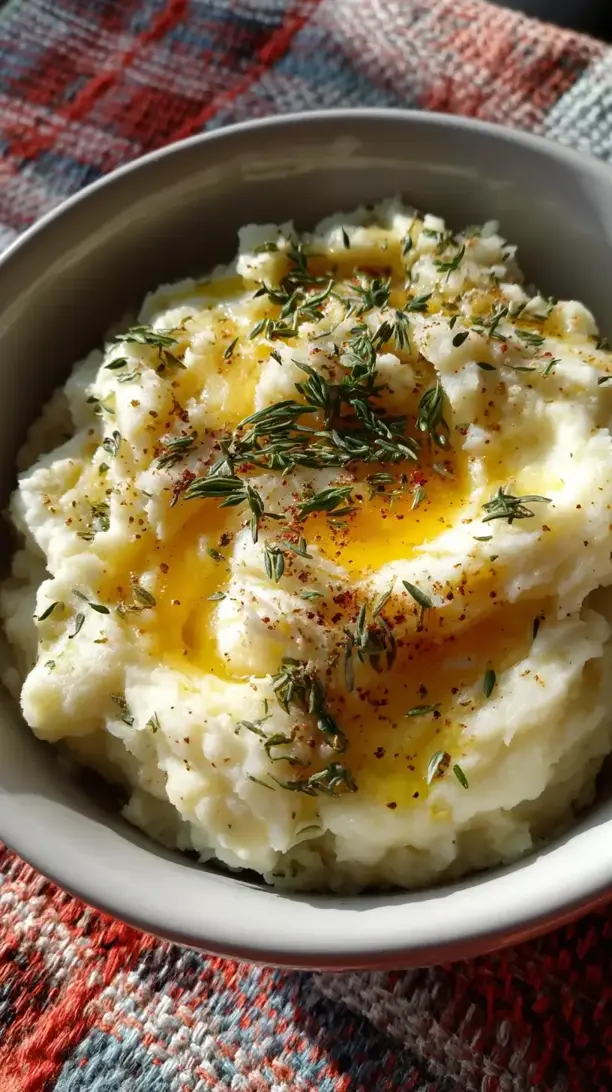
Greek Yogurt Mashed Potatoes
Discover the secret to ultra-creamy Greek Yogurt Mashed Potatoes. This easy recipe adds a delicious tang and rich texture. Get the simple recipe now!
Ingredients
For the Ingredients
-
2 lbs Russet or Yukon Gold potatoes
-
1 cup plain, full-fat Greek yogurt
-
1/2 cup unsalted butter (softened)
-
1/3 cup whole milk or warm heavy cream
-
3 cloves garlic (minced (optional, but highly recommended))
-
1 tsp fine sea salt (plus more for the water)
-
1/2 tsp freshly cracked black pepper
-
2 tbsp fresh chives (finely chopped)
Instructions
-
First, you’ll want to prep your potatoes. Give them a good scrub under cold water to remove any dirt. If you’re peeling them, do that now. Then, cut them into evenly sized chunks, about 1 to 1.5 inches thick. The uniform size is crucial here—it ensures they all cook at the same rate, so you don’t end up with some pieces mushy and others still crunchy.01
-
Place the potato chunks into a large pot and cover them with cold water by about an inch. Generously salt the water—it should taste like the sea. This is your only chance to season the potatoes from the inside out. Bring the pot to a boil over high heat, then reduce to a steady simmer. Let them cook for about 15-20 minutes, or until they are completely fork-tender. You should be able to easily pierce a chunk with no resistance.02
-
While the potatoes are boiling, this is the perfect time to get your other ingredients ready. Measure out your Greek yogurt and let it sit on the counter to lose its chill. Soften your butter if it isn't already, and gently warm your milk or cream—you don’t want it hot, just pleasantly warm to the touch. Mince your garlic and chop your chives. Being prepared makes the final mashing process so quick and smooth.03
-
Once the potatoes are perfectly tender, drain them thoroughly in a colander. Let them sit for a minute or two to steam off any excess surface moisture. This is a key step for avoiding watery mashed potatoes. Then, while they are still very hot, it’s time to rice or mash them. If you have a potato ricer, this is its moment to shine—it gives you the fluffiest, most lump-free texture imaginable. If you’re using a masher, just work steadily until most of the big lumps are gone.04
-
Now, transfer your hot, riced potatoes to a large mixing bowl. Immediately add the softened butter and the minced garlic (if using). The heat from the potatoes will melt the butter and gently cook the raw garlic, mellowing its flavor beautifully. Stir everything together until the butter is fully melted and incorporated. You’ll notice the potatoes already look glossy and rich.05
-
Next, fold in the room-temperature Greek yogurt. Use a gentle hand here—stir just until it’s combined. Overmixing at this stage can cause the potatoes to become gummy as the starches break down. Once the yogurt is in, stream in the warm milk or cream a little at a time, stirring until you reach your desired consistency. Some people like them super thick, others a bit looser.06
-
Finally, season your masterpiece. Add the teaspoon of salt and the cracked black pepper. Taste it! This is the most important part. Does it need more salt? A bit more pepper? Adjust to your liking. Gently fold in most of your chopped chives, saving a few for a pretty garnish on top. Give it one final, gentle stir, and they’re ready to serve immediately while they’re still wonderfully warm and fluffy.07