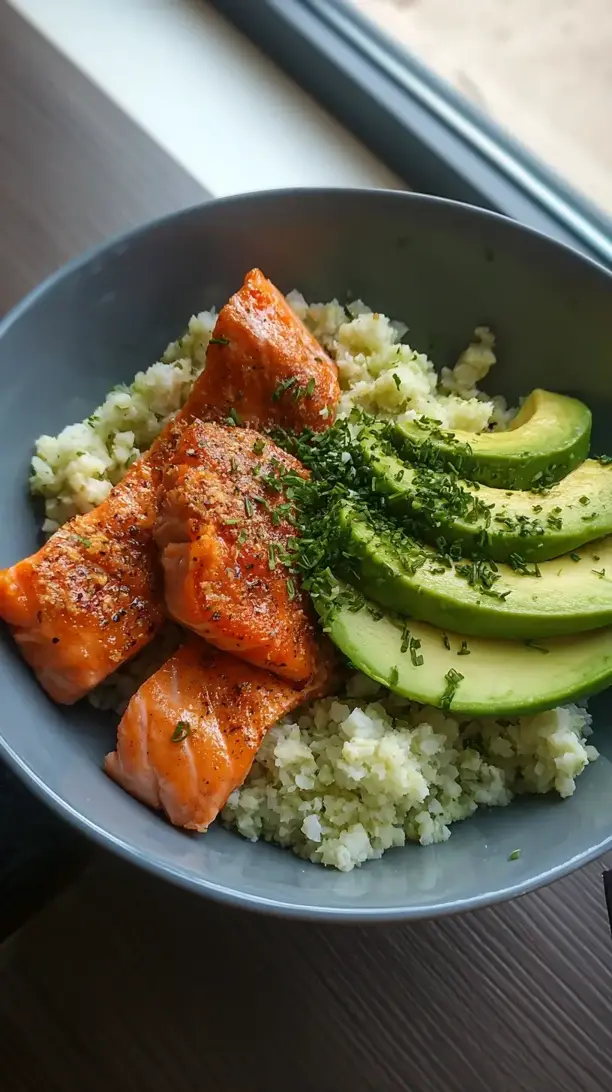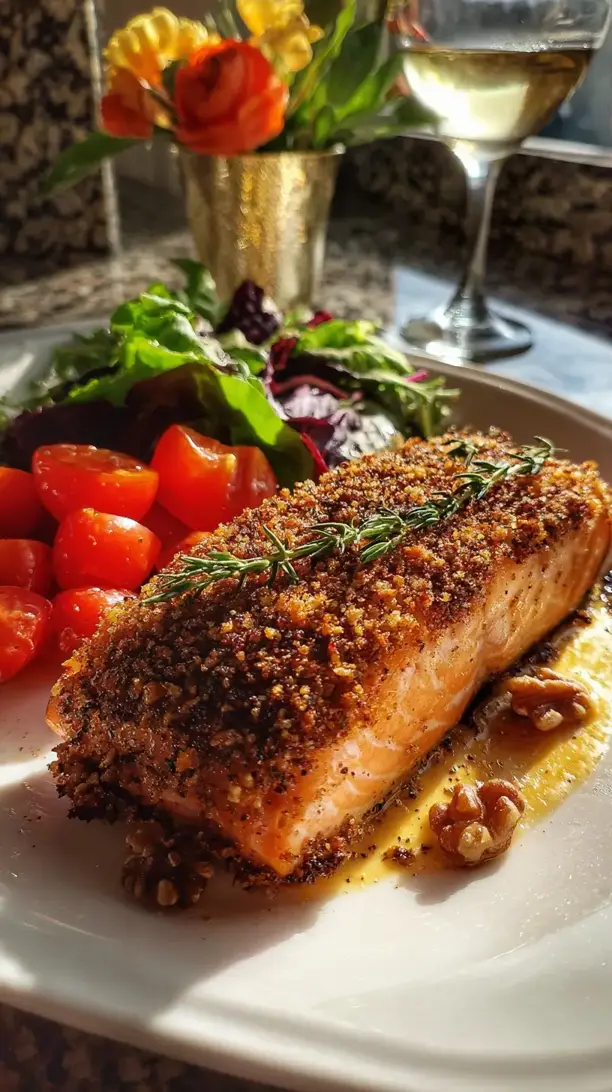

This Dijon Mustard Salmon recipe is an elegant, restaurant-worthy dish that comes together with minimal effort. The Dijon mustard creates a savory crust that locks in moisture, balanced by a hint of honey and herbs. It’s a reliable, satisfying meal perfect for any night.
Why You’ll Love This Dijon Mustard Salmon
- Fast & Foolproof: Ready in under 20 minutes with minimal hands-on work.
- Complex Flavor, Minimal Effort: Tangy Dijon and sweet honey create a sophisticated, caramelized glaze.
- Healthy & Satisfying: Packed with protein and good fats for a nourishing meal.
- Extremely Versatile: Pairs beautifully with salads, grains, or simple roasted veggies.
Ingredients & Tools
- 4 salmon fillets (about 150-180 g each), skin-on or skinless
- 3 tablespoons Dijon mustard
- 1 tablespoon honey or maple syrup
- 1 tablespoon olive oil
- 2 garlic cloves, minced
- 1 teaspoon fresh lemon juice
- 1/2 teaspoon smoked paprika
- 1/4 teaspoon black pepper
- 1/4 teaspoon salt, or to taste
- 1 tablespoon fresh dill or parsley, chopped (for garnish)
- Lemon wedges for serving
Tools: A small bowl, a baking sheet, parchment paper or a silicone baking mat, and a basting brush or spoon.
Notes: Use a Dijon mustard you enjoy, and don’t skip the smoked paprika—it adds warmth without overpowering.
Nutrition (per serving)
| Calories: | 285 kcal |
| Protein: | 25 g |
| Fat: | 16 g |
| Carbs: | 5 g |
| Fiber: | 0.5 g |
Serves: 4 | Prep Time: 5 minutes | Cook Time: 12-15 minutes | Total Time: 20 minutes
Before You Start: Tips & Ingredient Notes
- What kind of salmon should I use? I prefer center-cut fillets that are about 1-inch thick for even cooking. You can use skin-on or skinless; the skin can help keep the bottom moist, but it’s easy to remove after cooking if you prefer.
- Is the Dijon flavor too strong? Not at all! The sharpness of the Dijon mellows significantly in the oven, blending with the honey and oil to create a savory, tangy glaze rather than an overpowering punch.
- Can I make the mustard glaze ahead of time? Absolutely. You can whisk the Dijon, honey, oil, garlic, and spices together up to two days in advance and store it in the fridge. Just give it a good stir before using.
- What if my salmon is frozen? No problem! Thaw it completely in the refrigerator overnight. Pat it very dry with paper towels before applying the glaze. A wet surface will steam the fish instead of letting the crust form.
How to Make Dijon Mustard Salmon
Step 1: Preheat your oven to 200°C (400°F) and line a baking sheet with parchment paper. This little step is a lifesaver for cleanup. While the oven heats up, pat your salmon fillets completely dry with paper towels. This is a non-negotiable step for getting a beautifully caramelized glaze instead of a steamed, watery one. You’ll notice the difference in the final texture, I promise.
Step 2: In a small bowl, whisk together the Dijon mustard, honey, olive oil, minced garlic, lemon juice, smoked paprika, salt, and pepper. Keep whisking until it’s smooth and fully emulsified. The mixture should look glossy and have a spreadable consistency. Give it a quick taste—this is your chance to adjust the seasoning, maybe adding a pinch more salt or a tiny extra drizzle of honey if you like.
Step 3: Place the dried salmon fillets on the prepared baking sheet. Using a basting brush or the back of a spoon, generously coat the top and sides of each fillet with the mustard glaze. Don’t be shy—you want a good, even layer that will form that delicious crust. Make sure to get the glaze into any nooks and crannies.
Step 4: Transfer the baking sheet to the preheated oven. Bake for 12-15 minutes. The exact time will depend on the thickness of your fillets. You’re looking for the salmon to be opaque and flake easily with a fork at the thickest part. The glaze should be set and have some lightly browned, caramelized spots. Be careful not to overcook it, as salmon can dry out quickly.
Step 5: Once out of the oven, let the salmon rest on the baking sheet for 2-3 minutes. This allows the juices to redistribute throughout the fillets, ensuring every bite is moist. Garnish with your fresh chopped dill or parsley and serve immediately with lemon wedges on the side for a bright, fresh squeeze over the top.
Storage & Freshness Guide
- Fridge: Store leftovers in an airtight container for up to 2 days.
- Freezer: Freeze cooked salmon in a sealed bag for up to 1 month. Thaw in fridge before reheating.
- Reviving: Reheat gently in a covered oven-safe dish with a splash of water at 150°C (300°F) for about 10 minutes to prevent drying.
Serving Suggestions
Complementary Dishes
- Garlic Mashed Potatoes — The creamy, comforting potatoes are a dream with the tangy, savory salmon. They soak up the extra glaze beautifully.
- Simple Arugula Salad — A pile of peppery arugula with a light lemon vinaigrette cuts through the richness of the fish and adds a fresh, crisp element.
- Roasted Asparagus — Toss asparagus spears with olive oil, salt, and pepper and roast them on the same pan as the salmon for the last 10 minutes of cook time. A true one-pan wonder.
Drinks
- A Crisp Sauvignon Blanc — The wine’s citrusy and herbal notes mirror the lemon and dill in the dish, creating a really harmonious pairing.
- Sparkling Water with Lemon — For a non-alcoholic option, the bubbles and citrus cleanse the palate between bites of the rich salmon, keeping each mouthful tasting fresh.
Something Sweet
- Lemon Sorbet — The bright, clean flavor of lemon sorbet is a perfect, light finish that continues the citrus theme from the main course without feeling too heavy.
- Dark Chocolate Truffles — A single, rich dark chocolate truffle provides a sophisticated, bittersweet end to the meal that contrasts nicely with the savory salmon.
Top Mistakes to Avoid
- Mistake: Not patting the salmon dry. Any surface moisture will create steam in the oven, which prevents that beautiful, caramelized crust from forming on the glaze. You’ll end up with a softer, less flavorful coating.
- Mistake: Overcooking the salmon. Salmon continues to cook from residual heat after it comes out of the oven. Pull it out when it’s just slightly underdone in the very center—it will perfect itself during the resting period. Overcooked salmon becomes dry and chalky.
- Mistake: Using a glass baking dish. A rimmed baking sheet allows for better air circulation, helping the salmon cook evenly and the glaze to set properly. A glass dish can sometimes trap moisture and make the bottom of the fish soggy.
- Mistake: Skipping the rest time. I know it’s tempting to dig right in, but letting the salmon rest for a few minutes allows the protein fibers to relax and reabsorb their juices. This simple step guarantees a moist
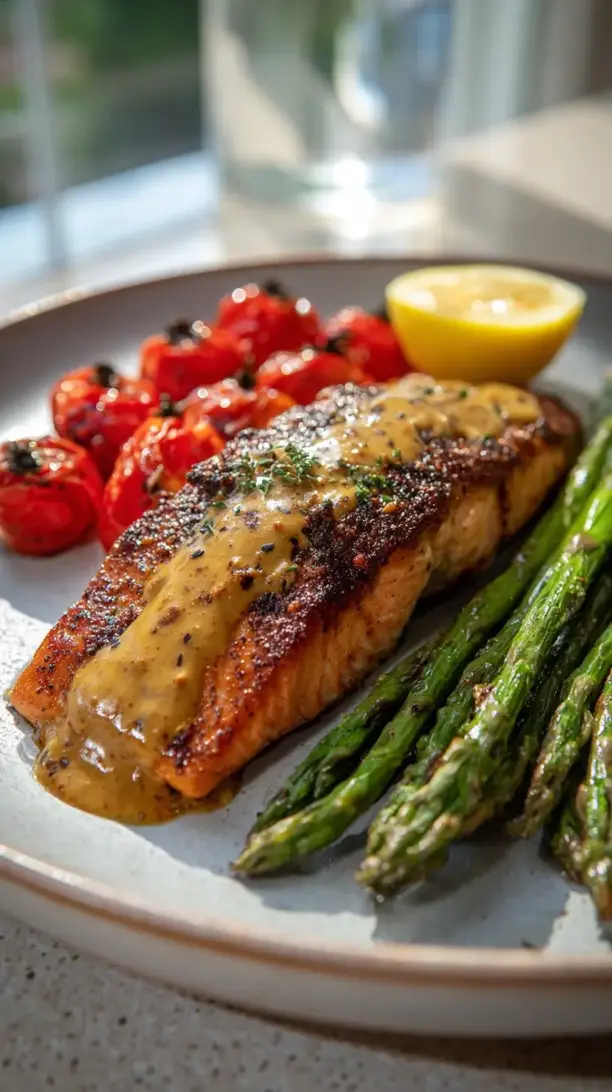
Dijon Mustard Salmon
Make perfect Dijon Mustard Salmon in 20 minutes! This easy recipe creates a savory, caramelized glaze over tender fish. Get the foolproof method and serve tonight!
Ingredients
For the salmon:
-
4 salmon fillets (about 150-180 g each, skin-on or skinless)
-
3 tablespoons Dijon mustard
-
1 tablespoon honey or maple syrup
-
1 tablespoon olive oil
-
2 garlic cloves (minced)
-
1 teaspoon fresh lemon juice
-
1/2 teaspoon smoked paprika
-
1/4 teaspoon black pepper
-
1/4 teaspoon salt (or to taste)
-
1 tablespoon fresh dill or parsley (chopped (for garnish))
-
1 Lemon wedges (for serving)
Instructions
-
Preheat your oven to 200°C (400°F) and line a baking sheet with parchment paper. While the oven heats up, pat your salmon fillets completely dry with paper towels.01
-
In a small bowl, whisk together the Dijon mustard, honey, olive oil, minced garlic, lemon juice, smoked paprika, salt, and pepper. Keep whisking until it’s smooth and fully emulsified.02
-
Place the dried salmon fillets on the prepared baking sheet. Using a basting brush or the back of a spoon, generously coat the top and sides of each fillet with the mustard glaze.03
-
Transfer the baking sheet to the preheated oven. Bake for 12-15 minutes. You’re looking for the salmon to be opaque and flake easily with a fork at the thickest part. The glaze should be set and have some lightly browned, caramelized spots.04
-
Once out of the oven, let the salmon rest on the baking sheet for 2-3 minutes. Garnish with your fresh chopped dill or parsley and serve immediately with lemon wedges on the side for a bright, fresh squeeze over the top.05