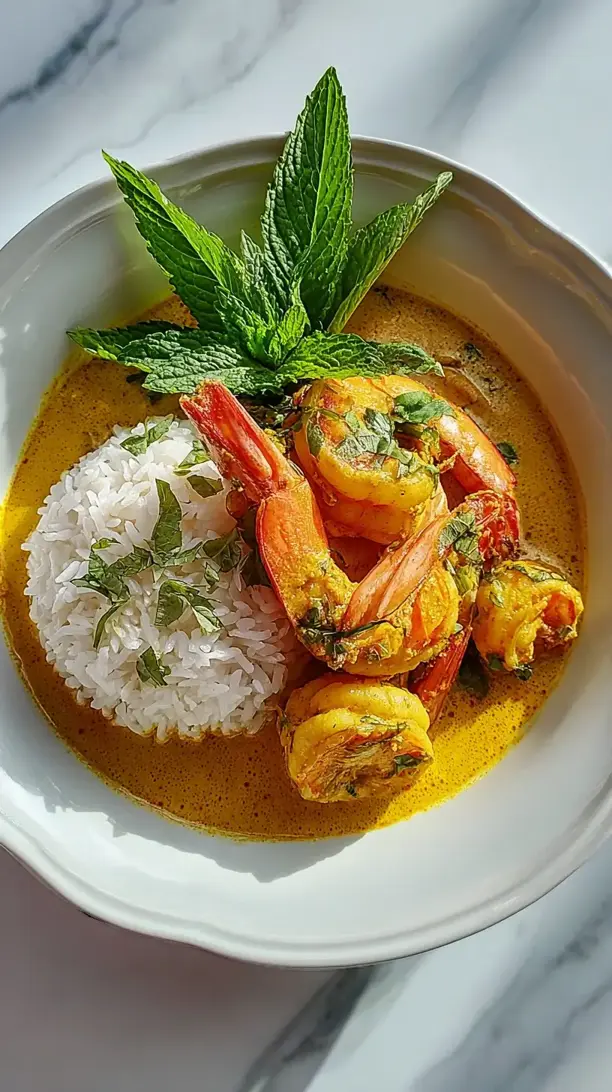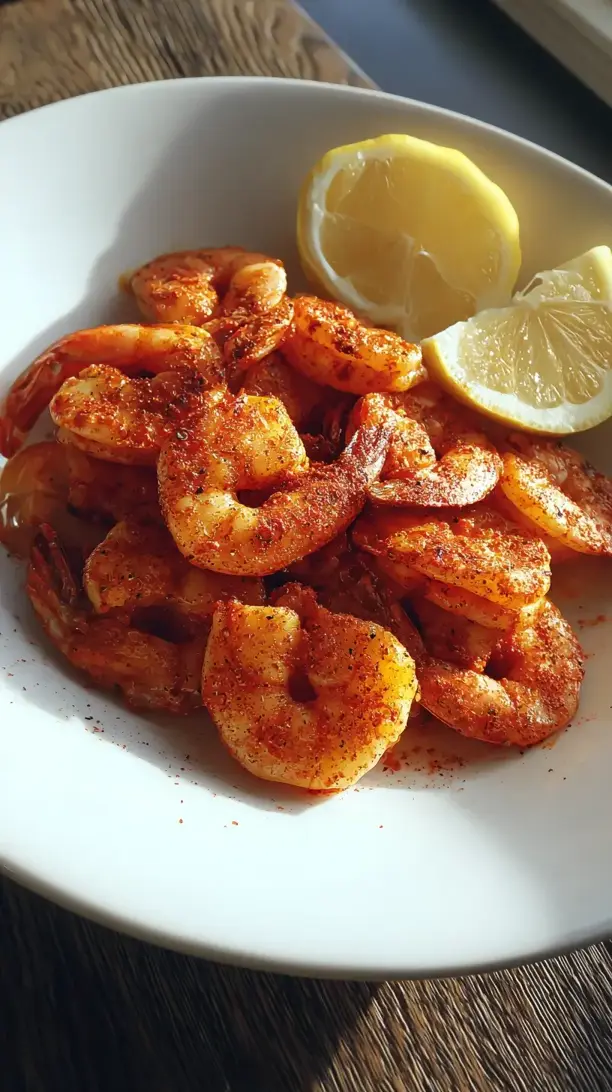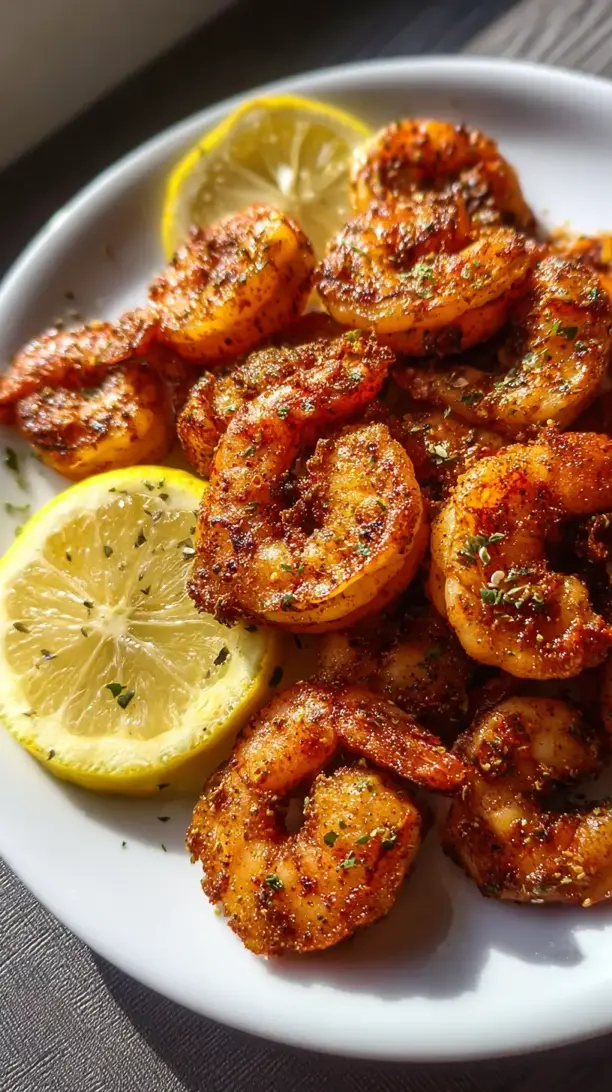

This Dijon Cream Shrimp recipe creates a perfectly balanced, luxurious pan sauce in just 20 minutes. The sharp tang of Dijon mustard melds beautifully with rich cream, garlic, and white wine for an elegant yet simple dinner. Plump, juicy shrimp bathe in the silky sauce, making this Dijon Cream Shrimp a weeknight favorite that feels anything but ordinary.
Why You’ll Love This Dijon Cream Shrimp
- Quick & impressive: Ready in 20 minutes with minimal cleanup.
- Perfect flavor balance: Tangy mustard cuts through rich cream for a sophisticated sauce.
- Endlessly adaptable: Serve over pasta, rice, or polenta, or add veggies.
- Delightful texture: Tender shrimp in a silky, clingy cream sauce.
Ingredients & Tools
- 450 g large raw shrimp, peeled and deveined
- 2 tbsp olive oil
- 3 garlic cloves, minced
- 120 ml dry white wine (like Sauvignon Blanc or Pinot Grigio)
- 240 ml heavy cream (or double cream)
- 3 tbsp Dijon mustard
- 1 tbsp whole-grain mustard
- 1 lemon, juiced (about 2 tbsp)
- 2 tbsp fresh parsley, finely chopped
- ½ tsp smoked paprika (optional, for a hint of warmth)
- Salt and freshly ground black pepper, to taste
Tools: A large skillet (preferably stainless steel or cast iron), tongs, a microplane or garlic press, and a whisk.
Notes: Using both smooth Dijon and whole-grain mustard gives creamy texture and flavor pops. Dry white wine deglazes the pan, building the sauce foundation.
Nutrition (per serving)
| Calories: | 385 kcal |
| Protein: | 25 g |
| Fat: | 28 g |
| Carbs: | 6 g |
| Fiber: | 1 g |
Serves: 3-4 | Prep Time: 5 minutes | Cook Time: 15 minutes | Total Time: 20 minutes
Before You Start: Tips & Ingredient Notes
- Pat your shrimp completely dry. This is the single most important step for getting a beautiful sear instead of a steam. Use paper towels and press gently to remove all surface moisture—you’ll be rewarded with golden, caramelized edges and a much more flavorful fond in the pan.
- Don’t skip the white wine. If you’re hesitant, know that the alcohol cooks off, leaving behind a complex acidity that balances the rich cream and sharp mustard. If you absolutely must substitute, use an equal amount of chicken or vegetable broth with a squeeze of lemon juice, but the wine really does make a difference.
- Use a combination of mustards. Smooth Dijon integrates seamlessly into the cream for a consistent, tangy base, while whole-grain mustard adds texture and visual appeal. If you only have one type, that’s fine—just use 4 tablespoons total of whichever you have. The flavor will still be fantastic.
- Have all your ingredients prepped and ready. This recipe moves quickly once you start cooking. Having your garlic minced, cream measured, and mustards ready to go means you can focus on the process without scrambling. It’s the key to a stress-free, restaurant-quality result at home.
How to Make Dijon Cream Shrimp
Step 1: Start by prepping your shrimp. If they aren’t already peeled and deveined, do that now. Then, lay them out on a stack of paper towels and pat them thoroughly dry on all sides. Season generously with salt and black pepper. This initial seasoning is crucial—it’s your chance to get flavor right into the shrimp itself.
Step 2: Place your large skillet over medium-high heat and add the olive oil. Let the oil heat until it shimmers—you should see little ripples moving across the surface. Carefully add the shrimp in a single layer, making sure they aren’t crowded. You might need to cook them in two batches depending on your pan size. Let them sear undisturbed for about 1-2 minutes per side, until they turn pink and opaque with a nice golden-brown crust. Remove them from the pan and set them aside on a plate. They will not be fully cooked through, and that’s perfect—they’ll finish in the sauce later.
Step 3: Reduce the heat to medium. In the same skillet, you’ll now see all those delicious browned bits stuck to the bottom. That’s flavor gold! Add the minced garlic and sauté for just 30-60 seconds until it becomes fragrant. You have to watch it closely—burnt garlic tastes bitter. The moment you catch that nutty, toasty aroma, it’s time for the next step.
Step 4: Pour in the white wine. It will sizzle and steam dramatically—that’s what you want! Use your whisk or a wooden spoon to scrape all those browned bits from the bottom of the pan. This process, called deglazing, is what builds the deep, complex base of your sauce. Let the wine simmer and reduce by about half, which should take 2-3 minutes. You’ll notice the sharp alcohol smell fading, replaced by a mellower, fruitier aroma.
Step 5: Lower the heat to medium-low and whisk in the heavy cream, followed by both mustards and the smoked paprika (if using). Keep whisking until the mustards are fully incorporated and the sauce is smooth. Let it come to a gentle simmer—you’ll see lazy bubbles breaking the surface—and cook for 2-3 minutes, stirring occasionally. The sauce will thicken slightly and become glossy.
Step 6: Return the seared shrimp (and any accumulated juices on the plate) back to the skillet. Toss them gently in the sauce to coat and let them warm through for 1-2 minutes. They’ll finish cooking and absorb all that wonderful mustardy creaminess. Be careful not to overcook them at this stage, or they can become rubbery.
Step 7: Turn off the heat. Stir in the fresh lemon juice and most of the chopped parsley, reserving a little for garnish. The lemon juice is your final flavor brightener—it cuts the richness and makes all the other ingredients pop. Give the sauce a final taste and adjust the seasoning with more salt or pepper if needed.
Storage & Freshness Guide
- Fridge: Store in an airtight container for up to 2 days.
- Freezer: Freezing not recommended; cream sauces may separate.
- Reviving: Reheat gently on stove with a splash of cream or water.
Serving Suggestions
Complementary Dishes
- Buttered Linguine or Fettuccine — The long, flat noodles are perfect for twirling and capturing every drop of that luxurious cream sauce. The simple, buttery pasta provides a neutral base that lets the shrimp truly shine.
- Creamy Parmesan Polenta — A soft, cheesy polenta acts like a cozy edible bowl for the shrimp and sauce. The contrast between the smooth polenta and the saucy shrimp is textural heaven.
- Garlic Bread or Crusty Baguette — This is non-negotiable if you’re a sauce person. You’ll want something to swipe through the pan and get every last bit of that delicious Dijon cream. It’s the best part of the meal, honestly.
Drinks
- A Crisp Sauvignon Blanc — The wine’s citrusy and herbal notes mirror the lemon and parsley in the dish, while its acidity cleanses the palate between each rich, creamy bite.
- A Light Belgian Witbier — The coriander and orange peel notes in a witbier complement the tangy mustard and cream beautifully, offering a refreshing, effervescent counterpoint.
- Sparkling Water with Lemon — For a non-alcoholic option, the bubbles and citrus are fantastic for cutting through the richness and resetting your taste buds, making each mouthful taste as vibrant as the first.
Something Sweet
- Lemon Sorbet — A scoop of bright, tart sorbet is the perfect palate-cleanser after a rich meal. It feels light and refreshing, continuing the citrus theme in a delightful way.
- Dark Chocolate Espresso Truffles — The deep, bitter notes of dark chocolate and coffee provide a sophisticated, grown-up finish that contrasts wonderfully with the creamy, tangy main course.
- Simple Shortbread Cookies — Their buttery, crumbly simplicity is a gentle, not-too-sweet ending that doesn’t compete with the complex flavors you’ve just enjoyed.
Top Mistakes to Avoid
- Overcrowding the pan when searing the shrimp. If you dump all the shrimp in at once, they’ll steam instead of sear. You’ll end up with pale, rubbery shrimp and miss out on all the flavorful fond that creates your sauce base. Cook in batches if your pan is small—it’s worth the extra minute.
- Letting the garlic burn. Garlic goes from golden and fragrant to bitter and burnt in seconds. Once you add it to the pan, keep it moving and don’t walk away. That toasty aroma is your cue to add the wine immediately.
- Boiling the cream sauce aggressively. High heat can cause the cream to break or become greasy. You want a gentle simmer where the sauce thickens slowly and stays emulsified. If you see it bubbling too vigorously, just reduce the heat.
- Overcooking the shrimp when returning them to the sauce. They only need a minute or two to heat through and finish cooking. Any longer and they’ll turn tough and chewy. Remember, they continue to cook from residual heat even after you turn off the stove.
Expert Tips
- Tip: For an even deeper flavor, add a tablespoon of rinsed capers along with the garlic. They’ll fry slightly and add a lovely briny, salty punch that complements the mustard perfectly.
- Tip: If your sauce seems a bit too thin after adding the shrimp, you can let it simmer for another minute or two to reduce further. If it’s too thick, just splash in a tablespoon or two of water, chicken broth, or even more cream to loosen it up to your desired consistency.
- Tip: Take the cream out of the fridge about 15 minutes before you start cooking. Using cream that isn’t ice-cold helps it incorporate into the sauce more smoothly and reduces the risk of curdling when it hits the warm pan.
- Tip: For a little extra freshness and color, stir in a handful of baby spinach during the last minute of cooking. The residual heat will wilt it perfectly, adding a vibrant green element and a subtle earthy flavor.
- Tip: If you have any leftovers (a rare occurrence!), store the shrimp and sauce together in an airtight container. Gently reheat them on the stovetop over low heat, adding a tiny splash of cream or water to re-emulsify the sauce.
FAQs
Can I use frozen shrimp for this recipe?
Absolutely! Frozen shrimp are often a great, convenient option. Just make sure to thaw them properly first. The best method is to place them in a colander under cold running water for 5-10 minutes. Never thaw them at room temperature or in warm water, as this can affect their texture. And remember—the most critical step is to pat them completely dry with paper towels before seasoning and searing.
What can I use instead of white wine?
If you prefer not to cook with wine, you can substitute it with an equal amount of low-sodium chicken or vegetable broth. To mimic the acidity that the wine provides, add an extra tablespoon of fresh lemon juice to the sauce at the end. The flavor profile will be slightly different, but it will still be delicious and well-balanced.
Is there a way to make this dish lighter?
You can lighten it up a bit by using half-and-half instead of heavy cream, though the sauce will be a little less rich and thick. For a dairy-free version, full-fat canned coconut milk is a fantastic substitute—it provides a similar creamy body and a subtle sweetness that works surprisingly well with the mustard and lemon.
Can I prepare the sauce ahead of time?
You can make the base of the sauce (through the reduction step) ahead of time, but I’d recommend finishing it with the cream, mustard, and shrimp just before serving. The sauce can thicken and separate if left to sit, and the shrimp are always best cooked fresh. If you do need to reheat, do it gently over low heat while stirring frequently.
My sauce broke or looks curdled. How can I fix it?
Don’t panic! A broken sauce is usually caused by too high heat. Remove the pan from the heat immediately. You can often bring it back by whisking in a tablespoon of cold cream or even a splash of hot water. If that doesn’t work, transferring the sauce to a blender and pulsing for a few seconds can re-emulsify it beautifully.

Dijon Cream Shrimp
Make this easy Dijon Cream Shrimp with a tangy, luxurious sauce in just 20 minutes. Perfect for a quick, impressive dinner. Get the recipe now!
Ingredients
For the Ingredients
-
450 g large raw shrimp (peeled and deveined)
-
2 tbsp olive oil
-
3 cloves garlic (minced)
-
120 ml dry white wine (like Sauvignon Blanc or Pinot Grigio)
-
240 ml heavy cream (or double cream)
-
3 tbsp Dijon mustard
-
1 tbsp whole-grain mustard
-
1 lemon (juiced (about 2 tbsp))
-
2 tbsp fresh parsley (finely chopped)
-
½ tsp smoked paprika (optional, for a hint of warmth)
-
Salt and freshly ground black pepper (to taste)
Instructions
-
Start by prepping your shrimp. If they aren’t already peeled and deveined, do that now. Then, lay them out on a stack of paper towels and pat them thoroughly dry on all sides. Season generously with salt and black pepper. This initial seasoning is crucial—it’s your chance to get flavor right into the shrimp itself.01
-
Place your large skillet over medium-high heat and add the olive oil. Let the oil heat until it shimmers—you should see little ripples moving across the surface. Carefully add the shrimp in a single layer, making sure they aren’t crowded. You might need to cook them in two batches depending on your pan size. Let them sear undisturbed for about 1-2 minutes per side, until they turn pink and opaque with a nice golden-brown crust. Remove them from the pan and set them aside on a plate. They will not be fully cooked through, and that’s perfect—they’ll finish in the sauce later.02
-
Reduce the heat to medium. In the same skillet, you’ll now see all those delicious browned bits stuck to the bottom. That’s flavor gold! Add the minced garlic and sauté for just 30-60 seconds until it becomes fragrant. You have to watch it closely—burnt garlic tastes bitter. The moment you catch that nutty, toasty aroma, it’s time for the next step.03
-
Pour in the white wine. It will sizzle and steam dramatically—that’s what you want! Use your whisk or a wooden spoon to scrape all those browned bits from the bottom of the pan. This process, called deglazing, is what builds the deep, complex base of your sauce. Let the wine simmer and reduce by about half, which should take 2-3 minutes. You’ll notice the sharp alcohol smell fading, replaced by a mellower, fruitier aroma.04
-
Lower the heat to medium-low and whisk in the heavy cream, followed by both mustards and the smoked paprika (if using). Keep whisking until the mustards are fully incorporated and the sauce is smooth. Let it come to a gentle simmer—you’ll see lazy bubbles breaking the surface—and cook for 2-3 minutes, stirring occasionally. The sauce will thicken slightly and become glossy.05
-
Return the seared shrimp (and any accumulated juices on the plate) back to the skillet. Toss them gently in the sauce to coat and let them warm through for 1-2 minutes. They’ll finish cooking and absorb all that wonderful mustardy creaminess. Be careful not to overcook them at this stage, or they can become rubbery.06
-
Turn off the heat. Stir in the fresh lemon juice and most of the chopped parsley, reserving a little for garnish. The lemon juice is your final flavor brightener—it cuts the richness and makes all the other ingredients pop. Give the sauce a final taste and adjust the seasoning with more salt or pepper if needed.07