

Why You’ll Love This Coconut Oatmeal Cookies
- They’re a textural dream. We’re talking a crisp, golden-brown exterior that shatters ever so slightly to reveal a wonderfully soft and chewy middle. The combination of rolled oats and shredded coconut creates a delightful heartiness that’s so satisfying to bite into.
- The toasted coconut flavor is next-level. By taking a few extra minutes to toast the coconut before it goes into the dough, we unlock a deep, nutty, almost caramel-like flavor that permeates every single bite. It’s a simple step that makes a world of difference.
- They’re incredibly versatile. Feel like adding a handful of dark chocolate chips? Go for it. A sprinkle of flaky sea salt on top before baking? Absolutely. This recipe is a fantastic base that welcomes your own personal twists.
- They stay soft for days. Thanks to the combination of brown sugar and oats, these cookies retain their moisture beautifully. Stored in an airtight container, they’ll be just as delicious on day three as they were fresh from the oven—if they last that long!
Ingredients & Tools
- 115 g unsalted butter, softened to room temperature
- 100 g light brown sugar, packed
- 50 g granulated sugar
- 1 large egg, at room temperature
- 1 tsp pure vanilla extract
- 120 g all-purpose flour
- ½ tsp baking soda
- ½ tsp ground cinnamon
- ¼ tsp fine sea salt
- 120 g old-fashioned rolled oats
- 100 g sweetened shredded coconut, toasted
Tools: Mixing bowls, hand mixer or stand mixer, baking sheets, parchment paper or silicone baking mats, wire cooling rack.
Getting your ingredients to the right state is half the battle here. Room temperature butter and egg are non-negotiable for a creamed mixture that’s light and fluffy, which gives the cookies their perfect structure. And don’t skip toasting the coconut—it’s the secret weapon that elevates these from good to unforgettable.
Serves: Makes about 18 cookies | Prep Time: 20 minutes | Cook Time: 10-12 minutes per batch | Total Time: About 45 minutes (including cooling)
Before You Start: Tips & Ingredient Notes
- Why toast the coconut? Toasting transforms the coconut from a bland, chewy ingredient into a fragrant, nutty, and crispy powerhouse. It intensifies the flavor so much that you’ll never make coconut cookies without doing it again. Just spread it on a baking sheet and bake at 175°C for 5-7 minutes, stirring once, until golden.
- What’s the deal with room temperature ingredients? When your butter and egg are at the same cool room temperature, they emulsify much more easily, trapping air and creating a lighter cookie. If your butter is too cold, it won’t cream properly; if it’s melted, the cookies will spread too much.
- Can I use quick oats instead of old-fashioned? You can, but the texture will be different. Old-fashioned rolled oats give a much heartier, chewier bite. Quick oats are more processed and will result in a softer, less distinct oat texture. I really prefer the substance of old-fashioned here.
- How do I know when my butter is properly softened? It should yield easily to light pressure from your finger, leaving a slight indentation, but shouldn’t be shiny or greasy. A quick test: you should be able to bend a stick of butter without it snapping or squishing completely flat.
How to Make Coconut Oatmeal Cookies
Step 1: Toast the Coconut. First things first, let’s get that coconut toasted. Preheat your oven to 175°C. Spread the shredded coconut in a thin, even layer on a dry baking sheet. Pop it in the oven for 5 to 7 minutes, but keep a very close eye on it—it can go from perfectly golden to burnt in seconds. You’ll know it’s ready when your kitchen smells amazing and the coconut has taken on a light tan color. Stir it once halfway through for even toasting. Set it aside to cool completely while you work on the dough.
Step 2: Cream the Butter and Sugars. In a large mixing bowl, combine the softened butter, packed brown sugar, and granulated sugar. Using a hand mixer or a stand mixer fitted with the paddle attachment, beat them together on medium speed for a good 2-3 minutes. You’re looking for the mixture to become light, pale, and fluffy. This step is crucial because it incorporates air into the dough, which helps the cookies rise. Scrape down the sides of the bowl with a spatula to make sure everything is well combined.
Step 3: Add the Wet Ingredients. Beat in the room temperature egg and the vanilla extract until they are fully incorporated. The mixture might look a little curdled at first, but just keep mixing and it will come together into a smooth, homogenous blend. Again, scrape down the sides of the bowl to ensure no pockets of unmixed ingredients are hiding.
Step 4: Combine the Dry Ingredients. In a separate, medium-sized bowl, whisk together the flour, baking soda, cinnamon, and salt. This isn’t just about mixing—whisking aerates the flour and ensures the leavening agents are evenly distributed, so you don’t get a pocket of baking soda in one cookie and not another. Gradually add this dry mixture to the wet ingredients, mixing on low speed just until the flour disappears. You really don’t want to overmix at this stage.
Step 5: Fold in the Oats and Coconut. Now, switch to a sturdy spatula or wooden spoon. Add the rolled oats and the cooled, toasted coconut to the bowl. Gently fold everything together until the oats and coconut are evenly distributed throughout the dough. The dough will be quite thick and a little sticky—that’s exactly what we want for a chewy cookie.
Step 6: Chill the Dough (Optional but Recommended). For the best results, cover the bowl and chill the dough for at least 30 minutes. This allows the flour to fully hydrate and the fats to firm up, which prevents the cookies from spreading too thin in the oven. Chilled dough also results in a thicker, chewier cookie. If you’re impatient, you can bake them right away, but they’ll be a bit flatter.
Step 7: Scoop and Bake. Preheat your oven to 190°C and line baking sheets with parchment paper or silicone mats. Using a cookie scoop or a tablespoon, portion out mounds of dough, placing them about 5 cm apart on the prepared sheets to allow for spreading. You can gently press the tops down slightly if you want a more uniform shape. Bake for 10-12 minutes, or until the edges are set and golden brown but the centers still look soft and slightly underdone.
Step 8: Cool Completely. This is the hardest part—patience! Let the cookies cool on the hot baking sheet for 5 minutes. They will continue to set up during this time. Then, carefully transfer them to a wire rack to cool completely. This step ensures they firm up to the perfect chewy texture instead of falling apart.
Serving Suggestions
Complementary Dishes
- A bowl of vanilla bean ice cream — Sandwich a slightly warm cookie around a scoop for an epic ice cream sandwich, or simply crumble one over the top. The warm, spiced cookie against the cold, creamy ice cream is a classic for a reason.
- A fresh fruit platter with mango and pineapple — The bright, tropical acidity of the fruit cuts through the richness of the cookie beautifully, making the whole experience feel a bit more balanced and refreshing.
- A sharp cheddar cheese plate — Don’t knock it till you try it! The sweet and salty combination is incredible. A bite of aged cheddar followed by a bite of coconut oatmeal cookie is a surprisingly sophisticated flavor pairing.
Drinks
- A cold glass of milk — It’s the ultimate pairing for a reason. The creaminess of the milk is the perfect complement to the chewy, oat-y texture and the sweet coconut flavor.
- A cup of strong black coffee — The bitterness of the coffee provides a fantastic contrast to the sweetness of the cookies, making each bite taste even more complex and satisfying.
- A creamy chai latte — The warm spices in a chai latte—cinnamon, cardamom, cloves—echo the cinnamon in the cookies, creating a wonderfully cozy and harmonious flavor experience.
Something Sweet
- A simple dark chocolate mousse — The deep, bitter notes of dark chocolate provide a stunning contrast to the sweet, coconutty cookies, making for a decadent yet not overly heavy dessert duo.
- Lemon sorbet — The intense, clean, tart flavor of lemon sorbet is like a palate cleanser that makes you ready for another bite of cookie. It’s a bright and zesty way to end a meal.
- A dollop of whipped coconut cream — Double down on the coconut theme! Lightly sweetened whipped coconut cream on top of a cookie feels indulgent but also keeps the tropical vibe going strong.
Top Mistakes to Avoid
- Mistake: Using melted butter. This is the number one reason cookies spread into thin, greasy puddles. Creaming softened butter with sugar is essential for structure. If your butter melts, chill the dough thoroughly before baking.
- Mistake: Overmixing the dough after adding the flour. Once the flour is incorporated, stop mixing! Overworking the flour develops gluten, which can make the cookies tough and dense instead of tender and crumbly.
- Mistake: Baking until the centers look fully done. If you wait for the center to look dry, you’ve overbaked them. The cookies will continue to cook on the hot tray out of the oven. You want those soft, slightly underbaked centers for maximum chewiness.
- Mistake: Not letting the toasted coconut cool. Adding warm coconut to the dough can start to melt the butter, leading to—you guessed it—overly spread cookies. Let it cool completely on the pan before using.
Expert Tips
- Tip: Weigh your ingredients. For truly consistent results every single time, use a kitchen scale. Cup measurements can vary wildly, but grams are precise. This is especially important for flour—too much flour is a common culprit for dry, cakey cookies.
- Tip: Make a double batch and freeze some. Portion the cookie dough balls onto a tray, freeze them solid, then transfer to a freezer bag. You can bake frozen dough balls straight from the freezer, adding just a minute or two to the baking time. Fresh, warm cookies on demand!
- Tip: Add a pinch of flaky sea salt on top. Right after the cookies come out of the oven, sprinkle a tiny bit of flaky sea salt over each one. It enhances the sweetness and adds a fantastic little salty crunch that takes these cookies to a whole new level.
- Tip: Underbake slightly for ultimate chew. Err on the side of underbaking. When you take them out, the centers should still look a bit puffy and moist. They will set up as they cool, giving you that perfect soft and chewy texture.
FAQs
Can I make these cookies gluten-free?
Absolutely! The recipe is very adaptable. Simply replace the all-purpose flour with a 1:1 gluten-free baking blend that contains a binder like xanthan gum. Make sure your oats are certified gluten-free, as oats are often processed in facilities that also handle wheat. The texture might be a tiny bit more crumbly, but they’ll still be delicious.
My cookies spread too much. What happened?
This is almost always a temperature issue. The most common culprits are butter that was too warm or melted, dough that wasn’t chilled, or an oven that wasn’t hot enough. Next time, make sure your butter is just softened (not melty), chill the dough for at least 30 minutes, and double-check your oven temperature with an oven thermometer. Also, avoid putting dough on a warm baking sheet—always use a cool one for each batch.
Can I use desiccated coconut instead of shredded?
You can, but be aware that desiccated coconut is much finer and drier. It will absorb more moisture from the dough, potentially making the cookies a bit drier and less chewy. The texture will also be less pronounced. If it’s all you have, it will work, but shredded coconut really gives the best result for both flavor and texture.
How should I store these cookies to keep them soft?
The key is an airtight container. Once the cookies are completely cool, layer them in a container with a piece of bread tossed in. The cookies will draw moisture from the bread, staying soft for days. Alternatively, you can store them with a commercial food-safe humidity packet. They’ll keep well at room temperature for up to 5 days.
Can I add mix-ins like chocolate chips or nuts?
Please do! This is a fantastic base recipe for customization. A half-cup of semi-sweet chocolate chips, chopped macadamia nuts, or even dried cranberries would be wonderful additions. Just fold them in with the oats and coconut. If you add a lot of extras, you might get an extra cookie or two out of the batch.
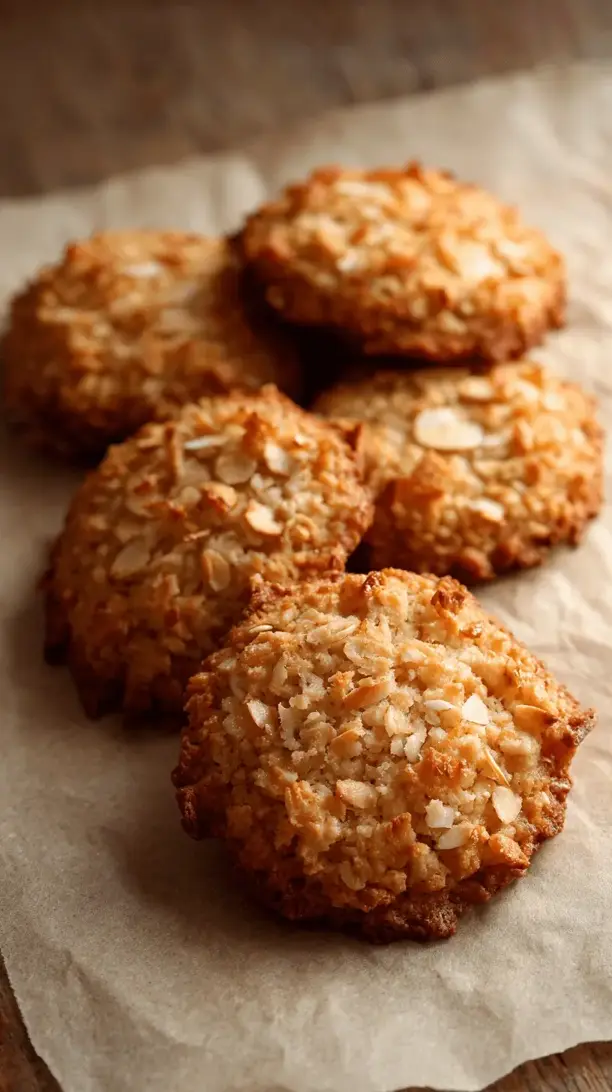
Coconut Oatmeal Cookies
Discover the ultimate chewy Coconut Oatmeal Cookies! My perfected recipe features toasted coconut for deep flavor & a soft center. Easy to make & utterly irresistible. Get baking!
Ingredients
Ingredients
-
115 g unsalted butter (softened to room temperature)
-
100 g light brown sugar (packed)
-
50 g granulated sugar
-
1 large egg (at room temperature)
-
1 tsp pure vanilla extract
-
120 g all-purpose flour
-
½ tsp baking soda
-
½ tsp ground cinnamon
-
¼ tsp fine sea salt
-
120 g old-fashioned rolled oats
-
100 g sweetened shredded coconut (toasted)
Instructions
-
Toast the Coconut. First things first, let's get that coconut toasted. Preheat your oven to 175°C. Spread the shredded coconut in a thin, even layer on a dry baking sheet. Pop it in the oven for 5 to 7 minutes, but keep a very close eye on it—it can go from perfectly golden to burnt in seconds. You'll know it's ready when your kitchen smells amazing and the coconut has taken on a light tan color. Stir it once halfway through for even toasting. Set it aside to cool completely while you work on the dough.01
-
Cream the Butter and Sugars. In a large mixing bowl, combine the softened butter, packed brown sugar, and granulated sugar. Using a hand mixer or a stand mixer fitted with the paddle attachment, beat them together on medium speed for a good 2-3 minutes. You're looking for the mixture to become light, pale, and fluffy. This step is crucial because it incorporates air into the dough, which helps the cookies rise. Scrape down the sides of the bowl with a spatula to make sure everything is well combined.02
-
Add the Wet Ingredients. Beat in the room temperature egg and the vanilla extract until they are fully incorporated. The mixture might look a little curdled at first, but just keep mixing and it will come together into a smooth, homogenous blend. Again, scrape down the sides of the bowl to ensure no pockets of unmixed ingredients are hiding.03
-
Combine the Dry Ingredients. In a separate, medium-sized bowl, whisk together the flour, baking soda, cinnamon, and salt. This isn't just about mixing—whisking aerates the flour and ensures the leavening agents are evenly distributed, so you don't get a pocket of baking soda in one cookie and not another. Gradually add this dry mixture to the wet ingredients, mixing on low speed just until the flour disappears. You really don't want to overmix at this stage.04
-
Fold in the Oats and Coconut. Now, switch to a sturdy spatula or wooden spoon. Add the rolled oats and the cooled, toasted coconut to the bowl. Gently fold everything together until the oats and coconut are evenly distributed throughout the dough. The dough will be quite thick and a little sticky—that's exactly what we want for a chewy cookie.05
-
Chill the Dough (Optional but Recommended). For the best results, cover the bowl and chill the dough for at least 30 minutes. This allows the flour to fully hydrate and the fats to firm up, which prevents the cookies from spreading too thin in the oven. Chilled dough also results in a thicker, chewier cookie. If you're impatient, you can bake them right away, but they'll be a bit flatter.06
-
Scoop and Bake. Preheat your oven to 190°C and line baking sheets with parchment paper or silicone mats. Using a cookie scoop or a tablespoon, portion out mounds of dough, placing them about 5 cm apart on the prepared sheets to allow for spreading. You can gently press the tops down slightly if you want a more uniform shape. Bake for 10-12 minutes, or until the edges are set and golden brown but the centers still look soft and slightly underdone.07
-
Cool Completely. This is the hardest part—patience! Let the cookies cool on the hot baking sheet for 5 minutes. They will continue to set up during this time. Then, carefully transfer them to a wire rack to cool completely. This step ensures they firm up to the perfect chewy texture instead of falling apart.08


