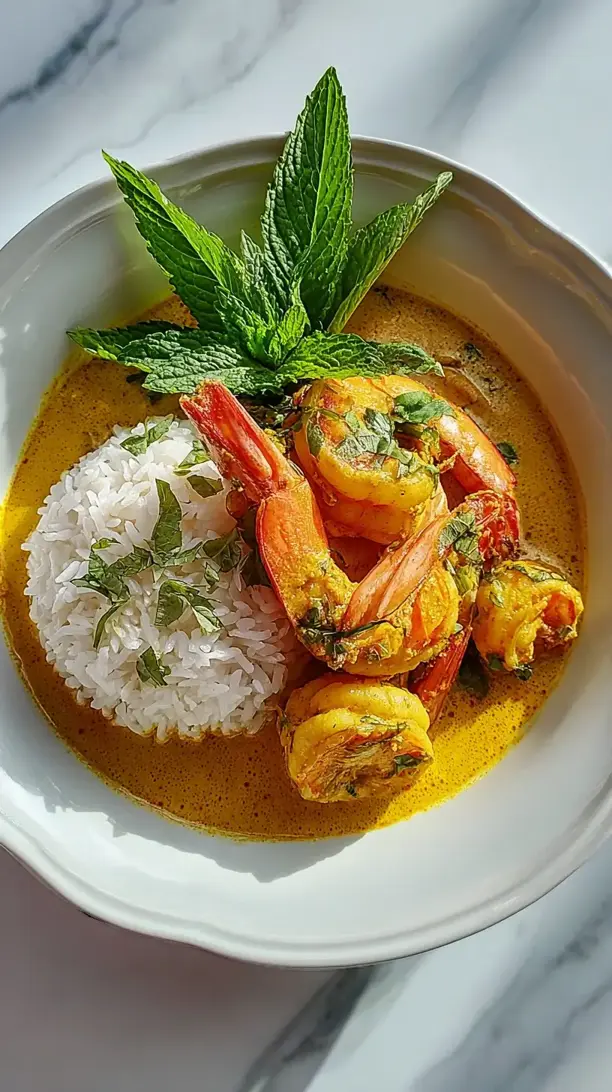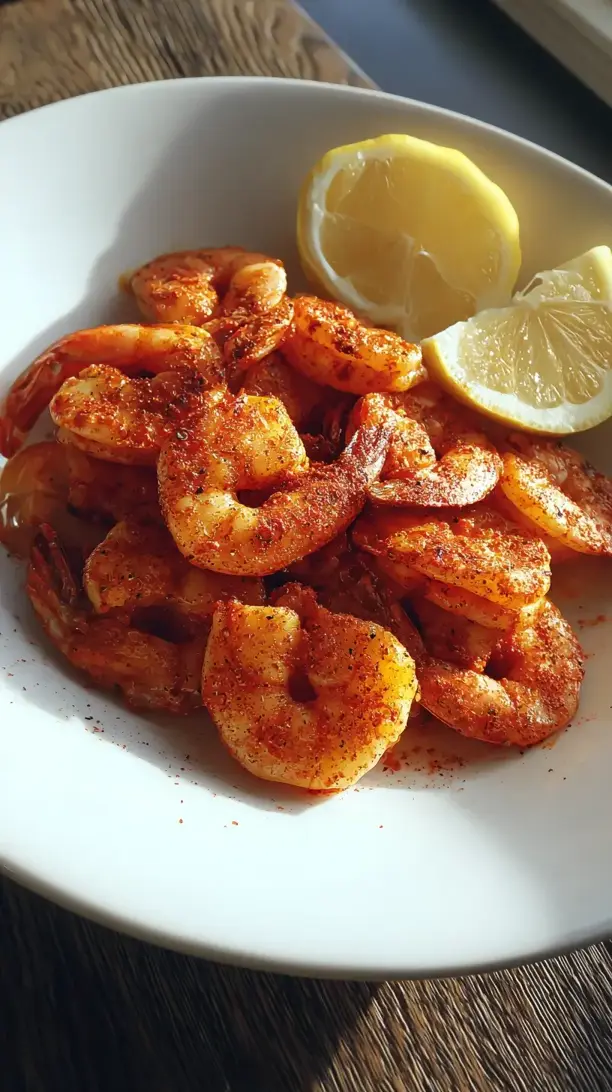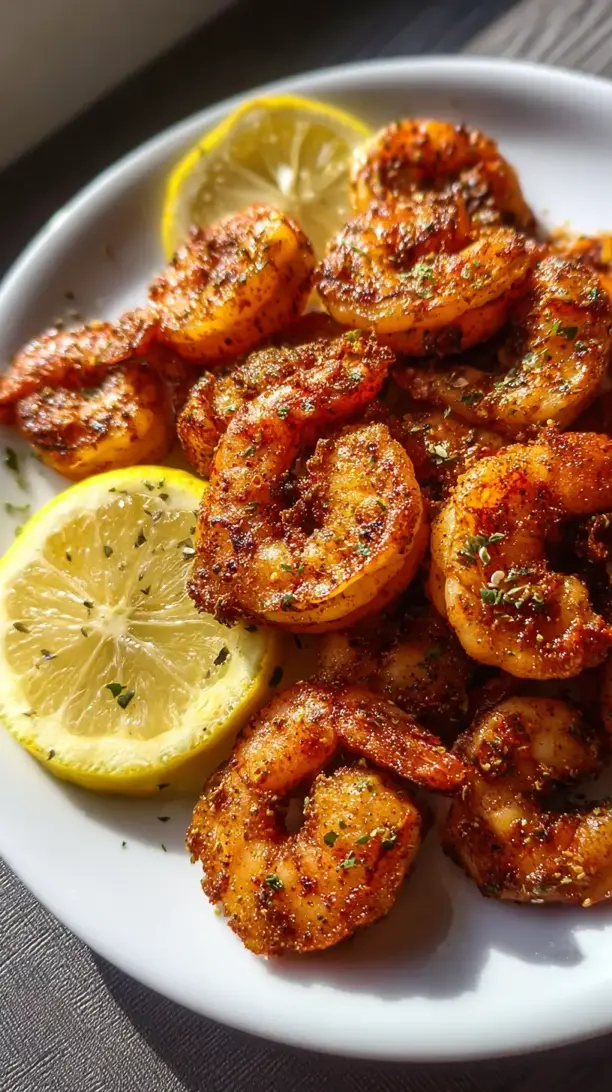

This Coconut Lime Shrimp brings tropical vacation vibes right to your kitchen with minimal effort. The creamy coconut and zesty lime sauce pairs perfectly with tender, juicy shrimp for a luxurious yet approachable meal. You’ll love how the aromas fill your kitchen—it’s a quick, flavorful escape in a skillet.
Why You’ll Love This Coconut Lime Shrimp
- Quick & fuss-free: Ready in about 20 minutes with minimal cleanup.
- Dreamy flavor balance: Creamy coconut, bright lime, and warm ginger create a well-rounded taste.
- Wonderfully versatile: Serve over rice, noodles, or salad for a reliable go-to meal.
- Indulgent yet light: Fresh lime and herbs keep it vibrant and satisfying without heaviness.
Ingredients & Tools
- 450 g large raw shrimp, peeled and deveined
- 1 tbsp olive oil or coconut oil
- 3 cloves garlic, minced
- 1 tbsp fresh ginger, grated
- 1 red chili, finely sliced (or ½ tsp red pepper flakes)
- 400 ml canned full-fat coconut milk
- Zest and juice of 2 limes
- 1 tbsp fish sauce
- 1 tsp honey or maple syrup
- ¼ cup fresh cilantro, chopped
- 2 spring onions, sliced
- Salt and black pepper to taste
Tools: A large skillet (non-stick or stainless steel), microplane or fine grater for zesting, measuring spoons.
Notes: Full-fat coconut milk gives a creamy body; fresh lime juice (not bottled) adds bright zing. Don’t skip the fresh ginger and garlic—they build the flavor foundation.
Nutrition (per serving)
| Calories: | 285 kcal |
| Protein: | 24 g |
| Fat: | 18 g |
| Carbs: | 8 g |
| Fiber: | 1 g |
Serves: 3–4 | Prep Time: 10 minutes | Cook Time: 10 minutes | Total Time: 20 minutes
Before You Start: Tips & Ingredient Notes
- Can I use light coconut milk? You can, but the sauce will be much thinner and less rich. Full-fat coconut milk provides a lovely creamy texture that clings to the shrimp—it’s really worth it for the best results.
- What size shrimp work best? Large or jumbo shrimp (21/25 or 26/30 count per pound) are ideal. They’re substantial enough to stand up to the sauce and won’t overcook as quickly as smaller ones.
- Is fish sauce necessary? Honestly, yes—it adds a savory, umami depth that salt alone can’t provide. It doesn’t make the dish taste fishy, I promise! If you’re strictly vegetarian, you could substitute soy sauce or coconut aminos.
- How spicy is this? It’s mildly spicy as written. For more heat, leave the seeds in your fresh chili or add an extra pinch of red pepper flakes. For a completely mild version, simply omit the chili altogether.
- Can I make it ahead? The sauce can be made a day in advance, but for the best texture, cook the shrimp just before serving. Reheating cooked shrimp can make them rubbery.
How to Make Coconut Lime Shrimp
Step 1: Prep your shrimp and aromatics. Pat your shrimp completely dry with paper towels—this is key for getting a nice sear and avoiding a steamed texture. Season them lightly with a pinch of salt and pepper. Mince your garlic, grate the ginger (no need to peel it, just scrub it well), and thinly slice the red chili. Zest and juice your limes, and chop the cilantro and spring onions. Having everything ready to go makes the cooking process smooth and fast.
Step 2: Sauté the aromatics. Heat the oil in your large skillet over medium heat. Add the garlic, ginger, and red chili. Sauté for just about 60–90 seconds, until incredibly fragrant. You’ll notice the aroma filling your kitchen—be careful not to let the garlic brown, as it can turn bitter. This quick step wakes up all those flavors and infuses the oil.
Step 3: Cook the shrimp. Increase the heat to medium-high and add the shrimp to the skillet in a single layer. Cook for about 1–2 minutes per side, just until they turn pink and opaque. You don’t want to cook them all the way through yet—they’ll finish cooking in the sauce. Remove them from the skillet and set them aside on a plate. They should be slightly underdone in the very center.
Step 4: Build the coconut lime sauce. Reduce the heat to medium and pour the coconut milk into the same skillet. Use a wooden spoon to scrape up any browned bits from the bottom—that’s pure flavor! Add the lime zest, lime juice, fish sauce, and honey. Let the sauce simmer gently for 3–4 minutes, stirring occasionally. It will thicken slightly and the flavors will meld together beautifully.
Step 5: Combine and finish. Return the shrimp (and any accumulated juices) to the skillet, stirring to coat them in the sauce. Let everything heat through for a final minute—the shrimp should be perfectly cooked, tender and curled. Turn off the heat and stir in most of the fresh cilantro and spring onions, saving a little for garnish. Taste the sauce and adjust seasoning if needed—sometimes a tiny extra squeeze of lime does the trick.
Storage & Freshness Guide
- Fridge: Store in an airtight container for up to 2 days.
- Freezer: Freezing not recommended—shrimp can become rubbery upon thawing.
- Reviving: Gently reheat in a skillet with a splash of water or coconut milk to loosen sauce.
Serving Suggestions
Complementary Dishes
- Jasmine rice or coconut rice — The fluffy, slightly sticky grains are perfect for soaking up every last drop of that creamy sauce.
- Vermicelli rice noodles — They offer a light, neutral base that lets the shrimp and sauce truly shine, adding a lovely textural contrast.
- A simple cucumber salad — Its cool, crisp freshness provides a wonderful counterpoint to the rich, warm shrimp.
Drinks
- A crisp Sauvignon Blanc — Its citrusy notes mirror the lime in the dish and cut through the coconut’s richness beautifully.
- A classic Mojito — The mint and lime in the cocktail echo the fresh, zesty flavors on the plate for a truly tropical experience.
- Sparkling water with lime — Sometimes the simplest option is the best—the bubbles cleanse the palate between each flavorful bite.
Something Sweet
- Mango sorbet — It continues the tropical theme and its bright, fruity sweetness is a refreshing finish to the meal.
- Coconut macaroons — These chewy, coconutty bites are a playful and thematic way to end your dinner on a sweet note.
- Key lime pie — It’s the ultimate homage to citrus, providing a creamy, tangy dessert that feels both classic and special.
Top Mistakes to Avoid
- Overcooking the shrimp. Shrimp cook incredibly fast and become tough and rubbery if left on the heat too long. Cook them just until they’re pink and opaque, then pull them out. They’ll finish cooking when you add them back to the warm sauce.
- Using bottled lime juice. The flavor is flat and often has a bitter, preservative-like taste. Freshly squeezed lime juice is non-negotiable for that vibrant, bright acidity that makes this dish sing.
- Not toasting the aromatics. If you just dump the garlic and ginger into the coconut milk without sautéing them first, their flavor will be raw and sharp. That quick fry in oil mellows them and unlocks their full aromatic potential.
- Adding the lime juice too early. If you simmer the lime juice for too long, its bright, fresh flavor can cook out and turn slightly bitter. Adding it towards the end of the sauce-making process preserves its zing.
Expert Tips
- Tip: Use coconut oil for cooking. It reinforces the coconut flavor in a subtle way and has a high smoke point, making it perfect for searing the shrimp without burning.
- Tip: Don’t skip the lime zest. The zest contains potent citrus oils that pack an incredible fragrance and flavor punch—it adds a whole other dimension that the juice alone can’t provide.
- Tip: Let the sauce reduce to your liking. If you prefer a thicker, richer sauce, let it simmer for an extra minute or two. For a saucier, more broth-like consistency, pull it off the heat as soon as it’s warmed through.
- Tip: Add vegetables for a complete meal. Sauté some bell peppers or snap peas along with the aromatics, or stir in a handful of spinach right at the end until it wilts. It’s an easy way to pack in more nutrients and color.
- Tip: Taste and adjust at the end. The balance of salty (fish sauce), sweet (honey), sour (lime), and spicy (chili) is personal. Always do a final taste and tweak it to suit your palate perfectly.
FAQs
Can I use frozen shrimp?
Absolutely—frozen shrimp are often fresher than “fresh” shrimp at the counter, which are typically previously frozen and thawed. Just make sure to thaw them completely in the refrigerator overnight. Pat them very dry before cooking to ensure they sear properly instead of steaming in the pan. I don’t recommend quick-thawing in water, as it can waterlog the shrimp and dilute their sweet flavor.
How do I store and reheat leftovers?
Store any leftovers in an airtight container in the refrigerator for up to 2 days. To reheat, gently warm them in a skillet over low heat, adding a tiny splash of water or coconut milk to loosen the sauce. Avoid the microwave if you can, as it tends to overcook the shrimp and make them rubbery. The texture is best when freshly made, but gently reheated leftovers are still delicious.
Is this recipe gluten-free?
Yes, as written, this recipe is naturally gluten-free. The main ingredients—shrimp, coconut milk, lime, and spices—are all gluten-free. Just double-check your fish sauce brand, as very rarely some can contain wheat-derived ingredients. Most major brands like Red Boat or Thai Kitchen are safe, but a quick glance at the label will confirm.
Can I make this with chicken instead?
You sure can! Use boneless, skinless chicken thighs or breasts, cut into bite-sized pieces. Sauté them until cooked through before removing them from the pan and proceeding with the sauce. Chicken will take longer to cook than shrimp, so adjust your timing accordingly. The creamy coconut lime sauce pairs wonderfully with chicken as well.
My sauce is too thin. How can I thicken it?
If your sauce hasn’t thickened to your liking, let it simmer for another few minutes—the liquid will reduce. For a quicker fix, you can make a quick slurry by mixing 1 teaspoon of cornstarch with 1 tablespoon of cold water, then stirring it into the simmering sauce. Let it cook for another minute until thickened. Be careful not to add too much, or the sauce can become gloppy.

Coconut Lime Shrimp
Make this easy Coconut Lime Shrimp recipe in just 20 minutes! A creamy, zesty, and flavorful dish perfect for dinner. Get the simple recipe now!
Ingredients
For the Ingredients
-
450 g large raw shrimp (peeled and deveined)
-
1 tbsp olive oil or coconut oil
-
3 cloves garlic (minced)
-
1 tbsp fresh ginger (grated)
-
1 red chili (finely sliced (or ½ tsp red pepper flakes))
-
400 ml canned full-fat coconut milk
-
Zest and juice of 2 limes
-
1 tbsp fish sauce
-
1 tsp honey or maple syrup
-
¼ cup fresh cilantro (chopped)
-
2 spring onions (sliced)
-
Salt and black pepper (to taste)
Instructions
-
Prep your shrimp and aromatics. Pat your shrimp completely dry with paper towels—this is key for getting a nice sear and avoiding a steamed texture. Season them lightly with a pinch of salt and pepper. Mince your garlic, grate the ginger (no need to peel it, just scrub it well), and thinly slice the red chili. Zest and juice your limes, and chop the cilantro and spring onions. Having everything ready to go makes the cooking process smooth and fast.01
-
Sauté the aromatics. Heat the oil in your large skillet over medium heat. Add the garlic, ginger, and red chili. Sauté for just about 60–90 seconds, until incredibly fragrant. You’ll notice the aroma filling your kitchen—be careful not to let the garlic brown, as it can turn bitter. This quick step wakes up all those flavors and infuses the oil.02
-
Cook the shrimp. Increase the heat to medium-high and add the shrimp to the skillet in a single layer. Cook for about 1–2 minutes per side, just until they turn pink and opaque. You don’t want to cook them all the way through yet—they’ll finish cooking in the sauce. Remove them from the skillet and set them aside on a plate. They should be slightly underdone in the very center.03
-
Build the coconut lime sauce. Reduce the heat to medium and pour the coconut milk into the same skillet. Use a wooden spoon to scrape up any browned bits from the bottom—that’s pure flavor! Add the lime zest, lime juice, fish sauce, and honey. Let the sauce simmer gently for 3–4 minutes, stirring occasionally. It will thicken slightly and the flavors will meld together beautifully.04
-
Combine and finish. Return the shrimp (and any accumulated juices) to the skillet, stirring to coat them in the sauce. Let everything heat through for a final minute—the shrimp should be perfectly cooked, tender and curled. Turn off the heat and stir in most of the fresh cilantro and spring onions, saving a little for garnish. Taste the sauce and adjust seasoning if needed—sometimes a tiny extra squeeze of lime does the trick.05