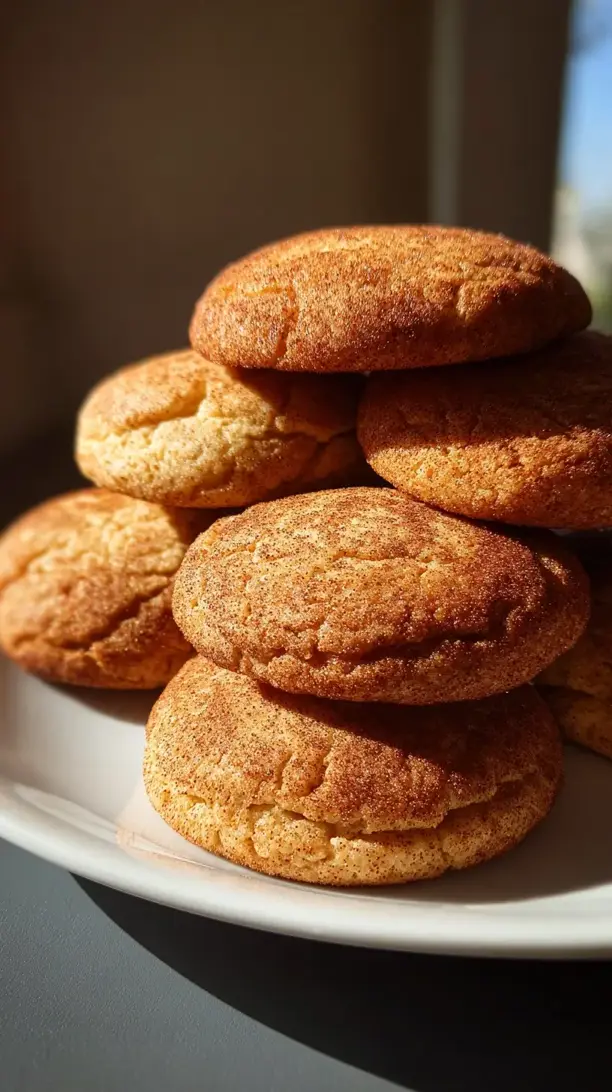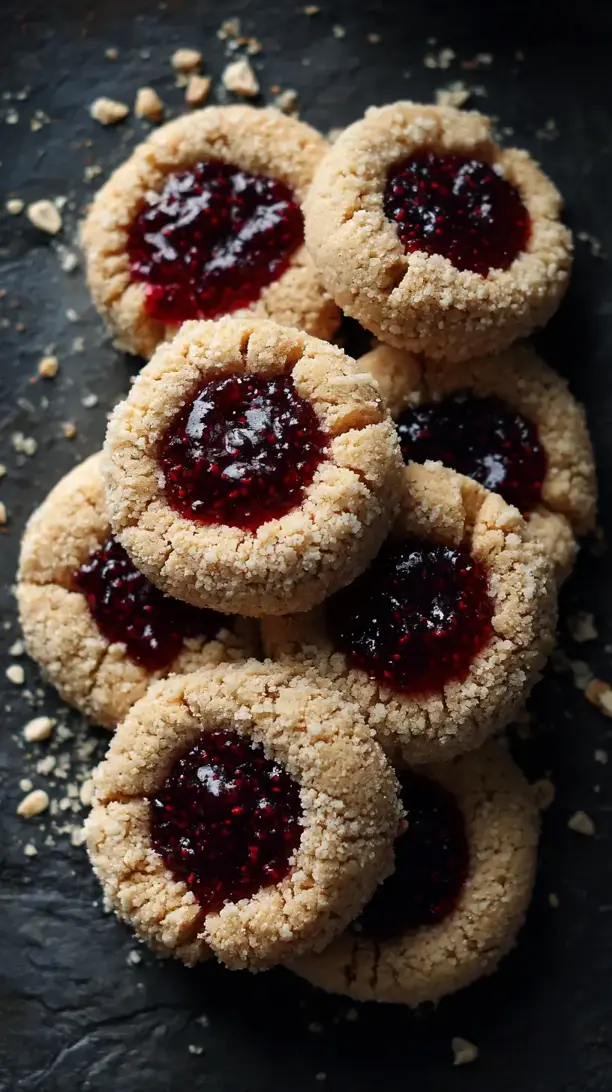

Why You’ll Love This Coconut Flour Sugar Cookies
- They’re incredibly soft and melt-in-your-mouth. The combination of coconut flour and just the right amount of fat creates a cookie that’s tender and delicate, without being dry or gritty. They have a lovely, almost shortbread-like quality that’s just so satisfying to eat.
- The flavor is beautifully simple and versatile. With a base of vanilla and a hint of natural coconut, these cookies are a perfect canvas. You can enjoy them as-is, or dress them up with a sprinkle of cinnamon, a drizzle of dark chocolate, or even a little citrus zest.
- They come together in one bowl with minimal fuss. Honestly, the hardest part is waiting for the dough to chill! You don’t need a mixer or any fancy equipment—just a bowl, a spatula, and a little bit of patience. It’s the kind of recipe you can whip up on a lazy afternoon.
- They’re naturally gluten-free and grain-free. If you’re baking for dietary needs, these cookies are a fantastic option. Coconut flour is a great base for creating treats that everyone can enjoy, without compromising on that classic sugar cookie taste and texture.
Ingredients & Tools
- 90 g (3/4 cup) coconut flour, sifted
- 115 g (1/2 cup) unsalted butter, softened (or coconut oil for a dairy-free version)
- 100 g (1/2 cup) granulated sugar of choice (I like cane or coconut sugar)
- 2 large eggs, at room temperature
- 2 tsp pure vanilla extract
- 1/4 tsp fine sea salt
- 1/4 tsp baking powder (check that it’s gluten-free if needed)
Tools: A medium mixing bowl, a spatula or wooden spoon, a baking sheet, parchment paper, and a cooling rack.
A quick note on the coconut flour—sifting it is non-negotiable here. It can be quite lumpy straight from the bag, and those little lumps will create pockets of dry flour in your finished cookies. And using room temperature eggs is a small step that makes a big difference; it helps them incorporate smoothly into the butter and sugar, creating a more homogenous dough.
Nutrition (per serving)
- Calories: 125 kcal
- Protein: 2 g
- Fat: 8 g
- Carbohydrates: 11 g
- Fiber: 2 g
Serves: 16 | Prep Time: 10 minutes + 30 minutes chilling | Cook Time: 10-12 minutes | Total Time: 50-55 minutes
Before You Start: Tips & Ingredient Notes
- Why sift the coconut flour? Coconut flour is notoriously clumpy. Sifting isn’t just for being fancy—it’s crucial for breaking up those lumps and ensuring your cookies have a uniform, smooth texture. If you skip this, you might bite into a dry, floury pocket, and we don’t want that.
- Can I use a liquid sweetener? I wouldn’t recommend it for this specific recipe. Coconut flour needs the structure that granulated sugar provides. Liquid sweeteners like maple syrup or honey add too much extra moisture, which throws off the delicate balance and can make the cookies spread too much or become gummy.
- What’s the deal with room temperature ingredients? It really helps everything emulsify properly. If your butter and eggs are cold, you’ll end up with a greasy, separated-looking dough that’s harder to work with. Taking them out about 30-60 minutes before you start baking makes the whole process smoother.
- Is the chilling time really that important? Yes, honestly, it is. This dough is quite soft right after mixing. Chilling it firms up the fat, which prevents the cookies from spreading into puddles in the oven. It also allows the coconut flour to fully hydrate, resulting in a better texture.
How to Make Coconut Flour Sugar Cookies
Step 1: Start by preheating your oven to 350°F (175°C) and lining a baking sheet with parchment paper. In your medium mixing bowl, combine the softened butter and sugar. Use your spatula or spoon to cream them together until the mixture is smooth, pale, and well-combined. You don’t need to go for a super fluffy texture like with traditional cookies—just make sure there are no lumps of butter left. The mixture should look like a thick, grainy paste.
Step 2: Add the room temperature eggs one at a time, mixing thoroughly after each addition. This is where you’ll really see the mixture come together. It might look a little curdled or separated at first, but just keep stirring—it will smooth out into a glossy, cohesive mixture. Now, stir in the vanilla extract. The aroma at this point is just wonderful, all sweet and buttery.
Step 3: In a separate small bowl, whisk together the sifted coconut flour, salt, and baking powder. This ensures the leavening and salt are evenly distributed throughout the dry ingredients. Adding them directly to the wet mix can sometimes result in uneven rising or salty spots in your finished cookies.
Step 4: Gradually add the dry ingredients to the wet ingredients. I like to add it in two or three additions, folding it in with the spatula. You’ll notice the dough thicken up almost immediately—coconut flour works fast! Once all the flour is incorporated, keep mixing until you have a soft, uniform dough with no dry streaks. It will be quite a bit softer than a traditional cookie dough, almost like a very thick cake batter.
Step 5: This is the patience part. Cover the bowl with plastic wrap or transfer the dough to an airtight container and chill it in the refrigerator for at least 30 minutes. You’ll know it’s ready when you can scoop it and it holds its shape without being overly sticky. This chilling time is what gives the cookies their structure.
Step 6: Once chilled, scoop the dough by heaping tablespoons and roll them into smooth balls. Place them on your prepared baking sheet, leaving about 2 inches between each one as they will spread a little. You can gently flatten the tops with the palm of your hand or the bottom of a glass if you prefer a flatter cookie.
Step 7: Bake for 10-12 minutes. The cookies are done when the edges are just starting to turn a very light golden brown. The centers will still look quite soft—that’s perfect! They will firm up as they cool. Do not overbake them, or they will become dry and crumbly.
Step 8: Remove the baking sheet from the oven and let the cookies cool on the sheet for at least 10 minutes. They are very fragile when hot and will break if you try to move them too soon. After 10 minutes, you can transfer them to a wire rack to cool completely. They’ll firm up into that perfect, tender texture.
Serving Suggestions
Complementary Dishes
- A scoop of vanilla bean ice cream — The creamy, cold ice cream melting into the warm, crumbly cookie is a textural dream. The simplicity of vanilla really lets the coconut flavor shine through.
- A bowl of fresh mixed berries — The bright, tart acidity of raspberries or strawberries cuts through the sweetness of the cookie beautifully, creating a lovely balance on the palate.
Drinks
- A glass of cold milk or a creamy latte — It’s a classic for a reason. The richness of the dairy complements the buttery cookie perfectly, making for the ultimate comforting bite and sip.
- A cup of Earl Grey tea — The bergamot in the tea adds a subtle citrusy, floral note that pairs unexpectedly well with the vanilla and coconut, turning your snack into a sophisticated little treat.
Something Sweet
- A small square of dark chocolate — Enjoy a piece of high-quality dark chocolate (70% or higher) alongside the cookie. The bitterness of the chocolate provides a fantastic contrast to the cookie’s sweetness.
- A dollop of lemon curd — For a zesty twist, serve these cookies with a little pot of tangy, smooth lemon curd for dipping. The combination of coconut and lemon is absolutely divine.
Top Mistakes to Avoid
- Mistake: Not sifting the coconut flour. I know I sound like a broken record, but this is the number one reason for gritty, uneven cookies. Those little clumps won’t dissolve during mixing, and you’ll taste them in the final bake.
- Mistake: Skipping the chill time. I’ve messed this up before too, thinking I could get away with it. The result? Cookie puddles. The dough needs that time to firm up so the cookies hold their shape and bake up with the right texture.
- Mistake: Overbaking. Because they continue to cook on the hot baking sheet, taking them out when the edges are just golden is key. If you wait for the centers to look fully set in the oven, they’ll be dry and too crumbly once cooled.
- Mistake: Using cold butter or eggs. This prevents proper emulsification, leading to a greasy dough that’s hard to mix and can result in an oily final cookie. Room temperature ingredients are your best friend here.
Expert Tips
- Tip: Weigh your coconut flour. If you have a kitchen scale, use it! Coconut flour can be packed down differently in every cup, so weighing it (90 grams) is the most accurate way to ensure perfect results every single time.
- Tip: Add a flavor twist. Once you’ve mastered the basic recipe, try folding in 1/2 teaspoon of almond extract along with the vanilla, or the zest of one lemon or orange. A little goes a long way in adding a new dimension of flavor.
- Tip: For perfectly round cookies, use a cookie scoop. It creates uniform balls of dough that will bake evenly. It also keeps your hands cleaner and makes the process much faster.
- Tip: Refresh stale cookies. If your cookies have been sitting out for a couple of days and have lost their softness, pop them in the microwave for 5-10 seconds. It will bring back that just-baked, tender texture.
FAQs
Can I make these cookies dairy-free?
Absolutely! The best and easiest swap is to use refined coconut oil in place of the butter. Make sure it’s in a softened, solid state (not melted) for the best texture. The flavor will be a bit more coconut-forward, which is actually quite lovely. I don’t recommend liquid oils, as they won’t provide the same structure.
Why are my cookies so crumbly?
This usually points to two things: either you overbaked them, or you might have used a bit too much coconut flour. Remember, it’s a very absorbent flour, and even a few extra grams can make a big difference. That’s why weighing is so helpful. Also, make sure you’re letting them cool completely on the pan—they need that time to set properly.
Can I freeze the dough?
Yes, you can! Shape the dough into balls and freeze them solid on a parchment-lined tray. Once frozen, transfer them to a zip-top bag. You can bake them straight from the freezer, just add 1-2 minutes to the baking time. It’s a fantastic way to have fresh-baked cookies anytime the mood strikes.
My dough is really dry and won’t come together. What happened?
This can happen if your coconut flour was particularly absorbent or if you measured it with a heavy hand. The good news is, it’s an easy fix! Just add a teaspoon of milk (dairy or non-dairy) or water at a time, mixing after each addition, until the dough comes together into a soft, pliable mass. Be patient—a little liquid goes a long way.
Can I decorate these like classic sugar cookies?
You can, but with a caveat. They are more delicate and crumbly than a standard sugar cookie, so rolling them out and using intricate cutters can be tricky. For a simple decoration, try a drizzle of a simple powdered sugar glaze or a dip in melted chocolate after they’ve cooled completely. For sprinkles, press them gently into the dough balls before baking.
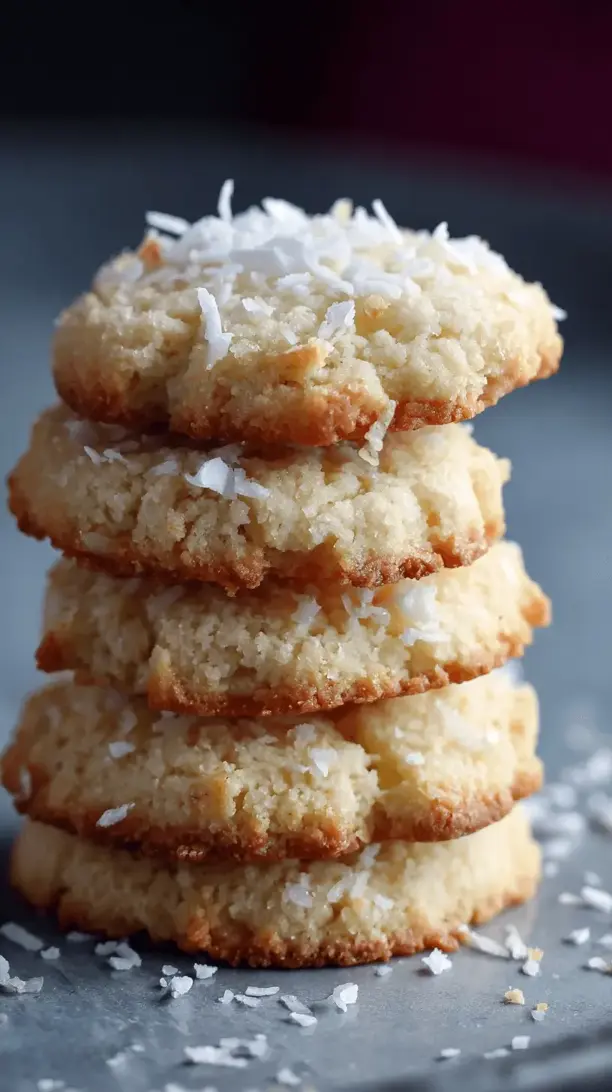
Coconut Flour Sugar Cookies
Make the best soft & delicate Coconut Flour Sugar Cookies! This easy, gluten-free recipe yields the perfect melt-in-your-mouth treat. Get the recipe and bake a batch today!
Ingredients
For the Ingredients
-
90 g coconut flour (sifted (3/4 cup))
-
115 g unsalted butter (softened (or coconut oil for a dairy-free version) (1/2 cup))
-
100 g granulated sugar of choice (I like cane or coconut sugar (1/2 cup))
-
2 large eggs (at room temperature)
-
2 tsp pure vanilla extract
-
1/4 tsp fine sea salt
-
1/4 tsp baking powder (check that it's gluten-free if needed)
Instructions
-
Start by preheating your oven to 350°F (175°C) and lining a baking sheet with parchment paper. In your medium mixing bowl, combine the softened butter and sugar. Use your spatula or spoon to cream them together until the mixture is smooth, pale, and well-combined. You don't need to go for a super fluffy texture like with traditional cookies—just make sure there are no lumps of butter left. The mixture should look like a thick, grainy paste.01
-
Add the room temperature eggs one at a time, mixing thoroughly after each addition. This is where you’ll really see the mixture come together. It might look a little curdled or separated at first, but just keep stirring—it will smooth out into a glossy, cohesive mixture. Now, stir in the vanilla extract. The aroma at this point is just wonderful, all sweet and buttery.02
-
In a separate small bowl, whisk together the sifted coconut flour, salt, and baking powder. This ensures the leavening and salt are evenly distributed throughout the dry ingredients. Adding them directly to the wet mix can sometimes result in uneven rising or salty spots in your finished cookies.03
-
Gradually add the dry ingredients to the wet ingredients. I like to add it in two or three additions, folding it in with the spatula. You’ll notice the dough thicken up almost immediately—coconut flour works fast! Once all the flour is incorporated, keep mixing until you have a soft, uniform dough with no dry streaks. It will be quite a bit softer than a traditional cookie dough, almost like a very thick cake batter.04
-
This is the patience part. Cover the bowl with plastic wrap or transfer the dough to an airtight container and chill it in the refrigerator for at least 30 minutes. You’ll know it’s ready when you can scoop it and it holds its shape without being overly sticky. This chilling time is what gives the cookies their structure.05
-
Once chilled, scoop the dough by heaping tablespoons and roll them into smooth balls. Place them on your prepared baking sheet, leaving about 2 inches between each one as they will spread a little. You can gently flatten the tops with the palm of your hand or the bottom of a glass if you prefer a flatter cookie.06
-
Bake for 10-12 minutes. The cookies are done when the edges are just starting to turn a very light golden brown. The centers will still look quite soft—that’s perfect! They will firm up as they cool. Do not overbake them, or they will become dry and crumbly.07
-
Remove the baking sheet from the oven and let the cookies cool on the sheet for at least 10 minutes. They are very fragile when hot and will break if you try to move them too soon. After 10 minutes, you can transfer them to a wire rack to cool completely. They’ll firm up into that perfect, tender texture.08