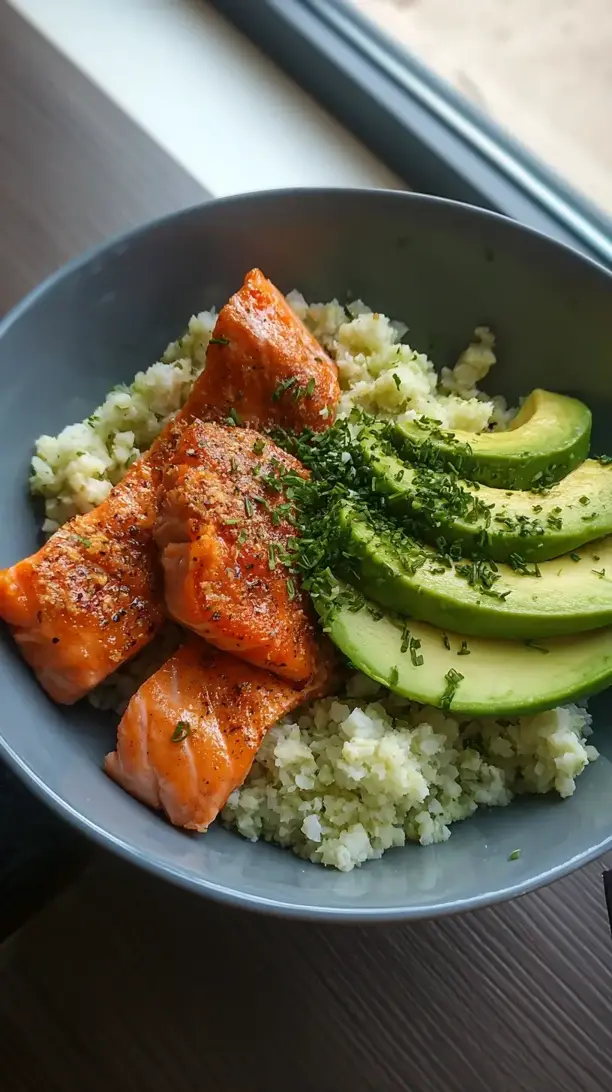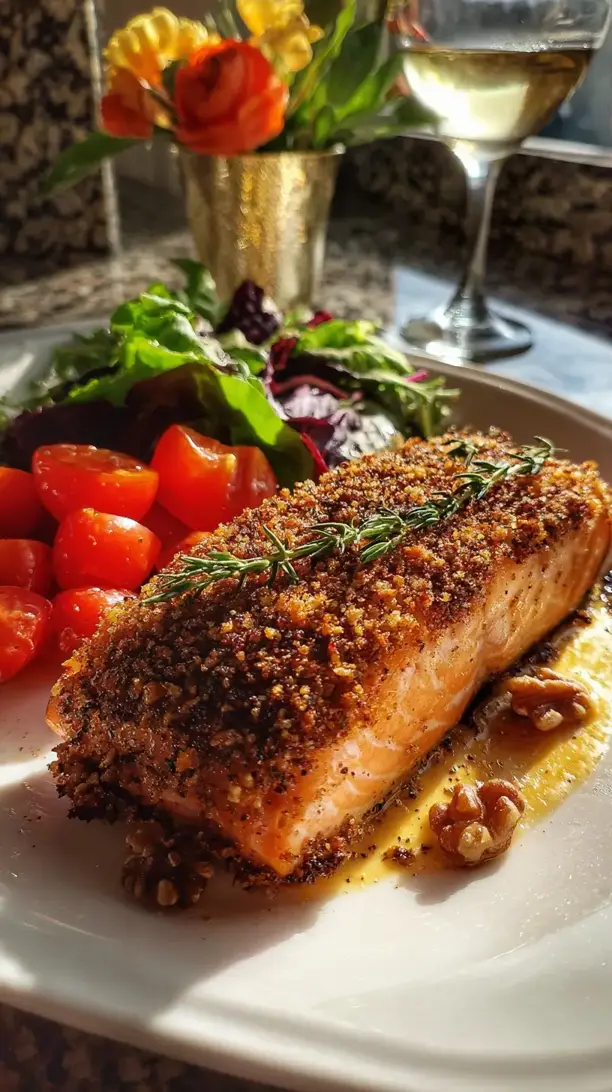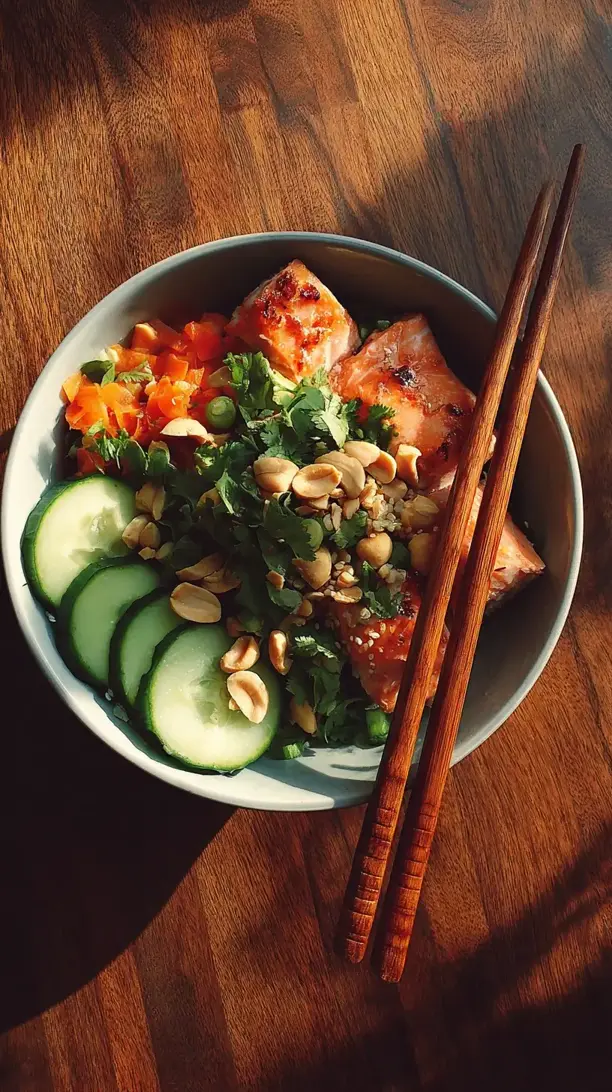

This Coconut Crusted Salmon delivers a perfect balance of textures and flavors. It features a tender, flaky fillet with a wonderfully crunchy and subtly sweet coconut crust. This impressive yet simple dish comes together in under 30 minutes.
Why You’ll Love This Coconut Crusted Salmon
- Textural dream: The contrast between tender salmon and a crisp coconut crust is special.
- Surprisingly simple: The elegant look comes from a straightforward pat, dip, and press process.
- Perfect flavor balance: Salmon’s richness is complemented by sweet, toasty coconut and a hint of spice.
- Incredibly versatile: It adapts beautifully from coconut rice to a simple green salad.
Ingredients & Tools
- 4 salmon fillets, skinless (about 150-180 g each)
- 1 tbsp olive oil or avocado oil
- 1 large egg
- 1 tbsp water
- 120 g unsweetened shredded coconut
- 60 g panko breadcrumbs
- 1 tsp garlic powder
- 1/2 tsp paprika (smoked paprika is fantastic here)
- 1/2 tsp sea salt, plus more for seasoning
- 1/4 tsp black pepper
- 1 lime, cut into wedges for serving
- Fresh cilantro or parsley, for garnish (optional)
Tools: A rimmed baking sheet, parchment paper, three shallow bowls or plates, a pastry brush or spoon, and a small bowl for the egg wash.
Notes: Using unsweetened coconut is non-negotiable. Try to get salmon fillets that are similar in thickness for even cooking. A little freshness from the lime at the end really makes everything pop.
Nutrition (per serving)
| Calories: | 485 kcal |
| Protein: | 35 g |
| Fat: | 32 g |
| Carbs: | 12 g |
| Fiber: | 5 g |
Serves: 4 | Prep Time: 12 minutes | Cook Time: 12-15 minutes | Total Time: 27 minutes
Before You Start: Tips & Ingredient Notes
- Pat that salmon dry! This is the secret to a crust that actually sticks. Any surface moisture will steam and prevent the coating from adhering properly. Use a paper towel and give it a good pat.
- Why unsweetened coconut? Sweetened coconut will burn quickly in the oven and make the dish far too sweet. The unsweetened variety toasts up beautifully and provides a lovely, nutty flavor that pairs perfectly with the savory fish.
- Don’t skip the panko. While you could use all coconut, the panko breadcrumbs add an extra layer of crunch and help to create a sturdier, more cohesive crust that doesn’t fall off when you take a bite.
- Check your fillet thickness. The cooking time is based on fillets that are about 2.5 cm thick at their tallest point. If yours are significantly thinner or thicker, you’ll need to adjust the time accordingly to avoid over or undercooking.
How to Make Coconut Crusted Salmon
Step 1: First, get your station ready. Preheat your oven to 200°C and line a rimmed baking sheet with parchment paper. This prevents sticking and makes cleanup a breeze. In three separate shallow dishes, set up your coating assembly line: one for the flour (seasoned with a pinch of salt and pepper), one for the egg wash (whisk the egg with 1 tablespoon of water until frothy), and one for the coconut-panko mix (combine the shredded coconut, panko, garlic powder, paprika, salt, and pepper).
Step 2: Now, prepare the star of the show. Take your salmon fillets and pat them completely dry with paper towels. This is a crucial step—you’ll notice a big difference in how the crust adheres. Lightly season both sides of the fillets with a little extra salt and pepper. This builds a base layer of flavor right into the fish itself.
Step 3: Time for the crust! Working with one fillet at a time, dredge it in the flour, shaking off any excess. Next, dip it into the egg wash, making sure it’s fully coated. Finally, press the fillet firmly into the coconut-panko mixture. Really get it in there—you want a solid, even layer on the top and sides. The trick is to use a gentle but firm pressing motion to make the crust stick.
Step 4: Place the coated fillets on your prepared baking sheet. Drizzle or brush the tops lightly with the olive oil. This little bit of fat will help the crust achieve that gorgeous, deep golden-brown color as it bakes. You should hear a faint sizzle when they go into the hot oven—that’s how you know you’re on the right track.
Step 5: Bake for 12 to 15 minutes. The exact time will depend on the thickness of your fillets. You’re looking for the crust to be a beautiful toasted golden brown and the salmon to be opaque and flake easily when pressed with a fork at the thickest part. If you have an instant-read thermometer, the internal temperature should read about 52-54°C for medium, as it will continue to cook a bit after coming out of the oven.
Step 6: Once out of the oven, let the salmon rest on the pan for 2-3 minutes. This allows the juices to redistribute, ensuring every bite is moist. Just before serving, squeeze fresh lime juice over the top and sprinkle with chopped cilantro or parsley if you’re using it. The bright acidity from the lime cuts through the richness perfectly.
Storage & Freshness Guide
- Fridge: Store leftovers in an airtight container for up to 2 days.
- Freezer: Not recommended, as the crust will become soggy upon thawing.
- Reviving: Reheat in a 175°C oven for 8-10 minutes to restore crispness; avoid the microwave.
Serving Suggestions
Complementary Dishes
- Coconut Jasmine Rice — The subtle coconut flavor in the rice echoes the crust on the salmon, creating a wonderfully cohesive and tropical-themed plate.
- A Simple Mango & Avocado Salad — The creamy avocado and sweet, juicy mango provide a fresh, cool contrast that balances the warm, savory fish beautifully.
- Sautéed Garlicky Greens — Something like spinach or kale quickly wilted with garlic adds a punch of earthy flavor and makes the meal feel complete and nourishing.
Drinks
- A Crisp Sauvignon Blanc — Its zesty citrus notes and high acidity are a classic pairing for rich fish, cleansing the palate between each flavorful bite.
- A Ginger Beer Mocktail — The spicy kick of ginger stands up to the robust flavors and the slight sweetness complements the coconut without overpowering it.
Something Sweet
- Pineapple Sorbet — A light, fruity, and refreshing dessert that continues the tropical theme without feeling too heavy after a satisfying meal.
- Dark Chocolate-Dipped Coconut Macaroons — For when you really want to lean into the coconut vibe, these are a delightful, chewy treat that feels indulgent.
Top Mistakes to Avoid
- Mistake: Using sweetened coconut. This is the number one error. Sweetened coconut contains added sugar that burns very easily in a hot oven, resulting in a bitter, blackened crust instead of a nicely toasted one.
- Mistake: Not pressing the crust on firmly. A light sprinkling won’t create that satisfying, crunchy coating. You need to press the coconut mixture onto the fish so it forms a solid layer that will crisp up and stay put.
- Mistake: Overcrowding the baking sheet. Give the fillets some space! If they’re too close together, they’ll steam instead of roast, and you’ll end up with a soggy crust. I’ve messed this up before too, and it’s a sad sight.
- Mistake: Overcooking the salmon. Salmon continues to cook after it leaves the oven (carryover cooking). If you bake it until it’s completely firm and opaque in the center, it might be dry by the time you eat it. Pull it out when it’s just slightly translucent in the very middle.
Expert Tips
- Tip: Add a pinch of cayenne. For a very subtle kick that enhances all the other flavors, add a tiny pinch of cayenne pepper to your coconut-panko mixture. It won’t make the dish spicy, just more complex and interesting.
- Tip: Make your own “breadcrumb” blend. If you don’t have panko, you can pulse the shredded coconut a few times in a food processor with some plain crackers or stale bread to create a similar textured, coarse crumb.
- Tip: Use the broiler for a final crisp. If your crust isn’t as golden as you’d like after baking, pop the tray under the broiler for 30-60 seconds. Watch it like a hawk—it can go from perfect to burnt in a flash!
- Tip: Prep the coating ahead. You can mix the dry coconut-panko seasoning blend up to three days in advance and store it in an airtight container. This makes weeknight assembly incredibly fast.
FAQs
Can I use frozen salmon for this recipe?
Absolutely, but you need to thaw it completely first. The best method is to move it from the freezer to the fridge the night before. If you’re in a pinch, you can seal it in a plastic bag and submerge it in cold water, changing the water every 30 minutes. Crucially, you must pat it extremely dry after thawing, as frozen fish releases a lot of water that will ruin your crust.
My coconut is browning too quickly. What should I do?
If you notice the crust getting dark before the salmon is cooked through, simply tent the baking sheet loosely with a piece of aluminum foil. This will shield the topping from direct heat, allowing the fish to finish cooking without the coconut burning. It’s a simple fix that saves dinner!
Can I make this with another type of fish?
You sure can! This crust works wonderfully on other firm, meaty white fish like cod, halibut, or sea bass. Just be mindful that cooking times may vary slightly depending on the thickness and density of the fish you choose. The flakiness test is your best guide.
Is there a good air fryer method?
Yes, the air fryer makes an fantastically crispy crust. Cook at 190°C for about 8-10 minutes, depending on the thickness of your fillets. You might need to work in batches to avoid overcrowding. No need to flip—the circulating air will crisp up all sides beautifully.
How do I store and reheat leftovers?
Store any leftovers in an airtight container in the refrigerator for up to 2 days. To reheat, avoid the microwave, as it will make the crust soggy. Instead, place it on a baking sheet in a 175°C oven for about 8-10 minutes, or until warmed through. This will help revive some of the crunch.
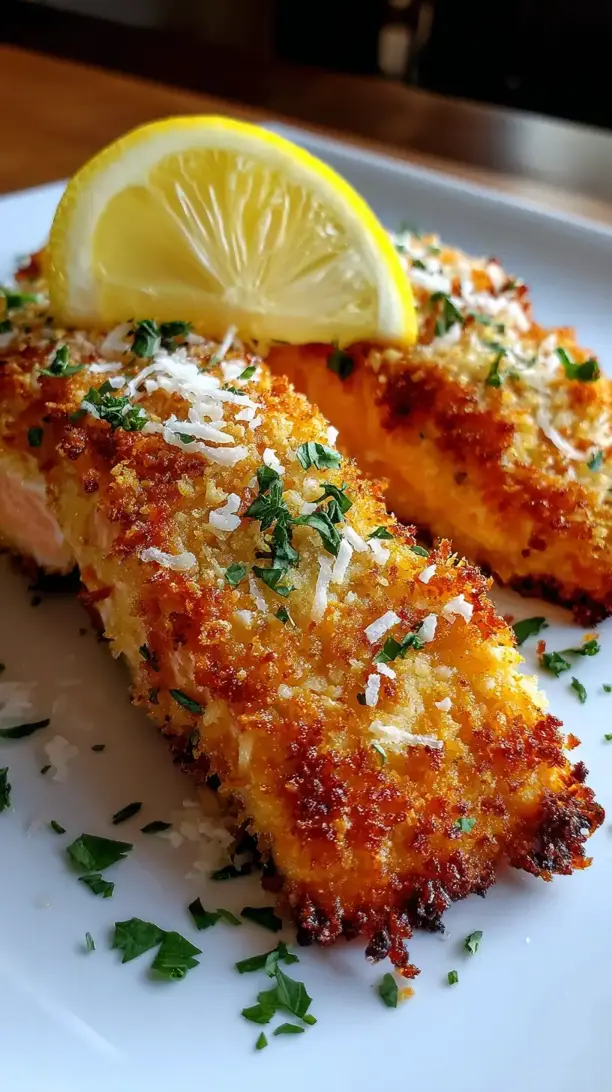
Coconut Crusted Salmon
Make this easy Coconut Crusted Salmon with a crispy, golden crust in under 30 minutes. A healthy, impressive dinner the whole family will love. Get the recipe now!
Ingredients
For the Ingredients
-
4 salmon fillets (skinless, about 150-180 g each)
-
1 tbsp olive oil or avocado oil
-
1 large egg
-
1 tbsp water
-
120 g unsweetened shredded coconut
-
60 g panko breadcrumbs
-
1 tsp garlic powder
-
1/2 tsp paprika (smoked paprika is fantastic here)
-
1/2 tsp sea salt (plus more for seasoning)
-
1/4 tsp black pepper
-
1 lime (cut into wedges for serving)
-
Fresh cilantro or parsley (for garnish (optional))
Instructions
-
First, get your station ready. Preheat your oven to 200°C and line a rimmed baking sheet with parchment paper. This prevents sticking and makes cleanup a breeze. In three separate shallow dishes, set up your coating assembly line: one for the flour (seasoned with a pinch of salt and pepper), one for the egg wash (whisk the egg with 1 tablespoon of water until frothy), and one for the coconut-panko mix (combine the shredded coconut, panko, garlic powder, paprika, salt, and pepper).01
-
Now, prepare the star of the show. Take your salmon fillets and pat them completely dry with paper towels. This is a crucial step—you’ll notice a big difference in how the crust adheres. Lightly season both sides of the fillets with a little extra salt and pepper. This builds a base layer of flavor right into the fish itself.02
-
Time for the crust! Working with one fillet at a time, dredge it in the flour, shaking off any excess. Next, dip it into the egg wash, making sure it’s fully coated. Finally, press the fillet firmly into the coconut-panko mixture. Really get it in there—you want a solid, even layer on the top and sides. The trick is to use a gentle but firm pressing motion to make the crust stick.03
-
Place the coated fillets on your prepared baking sheet. Drizzle or brush the tops lightly with the olive oil. This little bit of fat will help the crust achieve that gorgeous, deep golden-brown color as it bakes. You should hear a faint sizzle when they go into the hot oven—that’s how you know you’re on the right track.04
-
Bake for 12 to 15 minutes. The exact time will depend on the thickness of your fillets. You’re looking for the crust to be a beautiful toasted golden brown and the salmon to be opaque and flake easily when pressed with a fork at the thickest part. If you have an instant-read thermometer, the internal temperature should read about 52-54°C for medium, as it will continue to cook a bit after coming out of the oven.05
-
Once out of the oven, let the salmon rest on the pan for 2-3 minutes. This allows the juices to redistribute, ensuring every bite is moist. Just before serving, squeeze fresh lime juice over the top and sprinkle with chopped cilantro or parsley if you’re using it. The bright acidity from the lime cuts through the richness perfectly.06