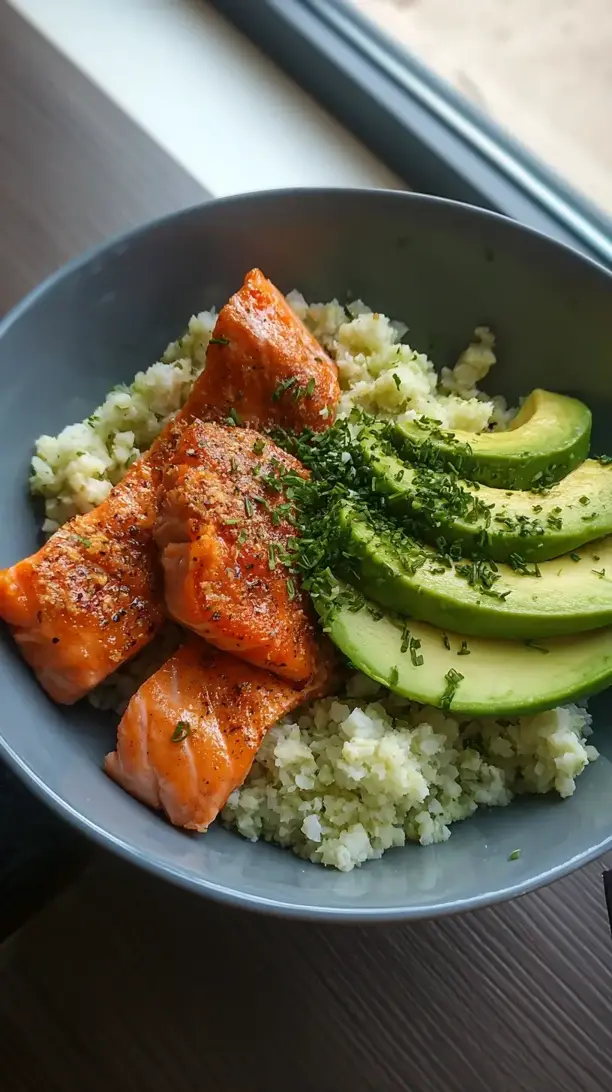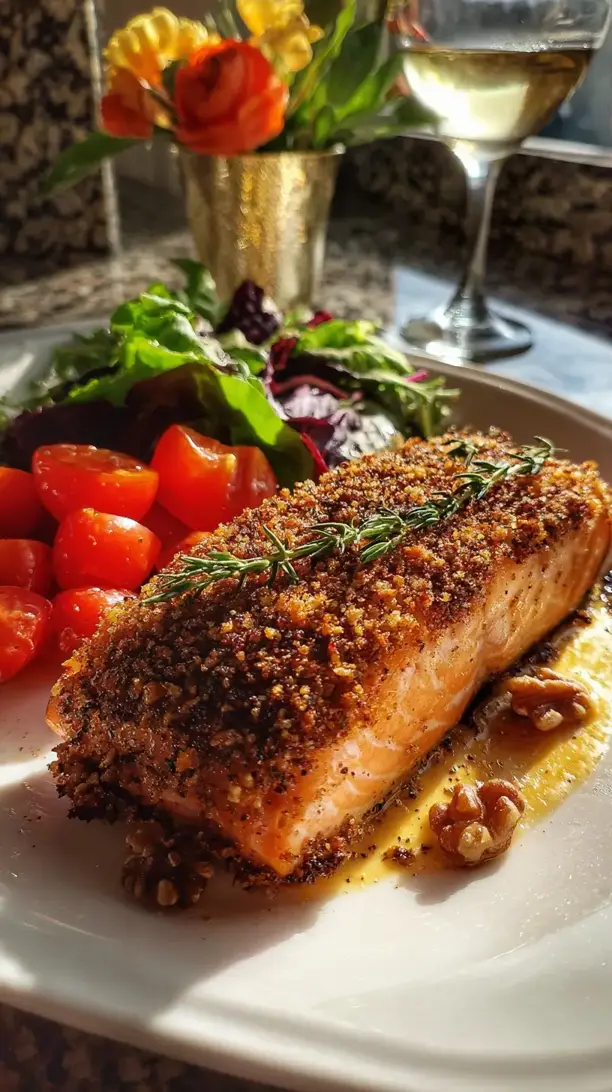

Cedar plank salmon delivers a rustic yet elegant meal with minimal effort. The soaked cedar plank infuses the fish with a gentle, smoky aroma while keeping it incredibly moist. This foolproof recipe yields tender, flaky salmon every time.
Why You’ll Love This Cedar Plank Salmon
- Forgiving method: Gentle plank heat prevents overcooking.
- Unforgettable aroma: Woodsy smoke perfumes the fish and air.
- Minimal cleanup: Plank acts as cooking surface and platter.
- Endlessly adaptable: Works with any glaze or seasoning.
Ingredients & Tools
- 1 (1.5 to 2 lb) skin-on salmon fillet, center-cut
- 2 tbsp pure maple syrup
- 1 tbsp Dijon mustard
- 2 cloves garlic, minced
- 1 tbsp olive oil
- 1 tsp smoked paprika
- 1/2 tsp kosher salt
- 1/4 tsp black pepper
- 1 untreated cedar plank (about 15 x 7 inches)
- 1 lemon, thinly sliced
- 2 tbsp fresh dill, chopped
Tools: Grill (gas or charcoal), tongs, small bowl, pastry brush
Notes: Use a bright, firm salmon fillet with a pleasant scent. Skin-on helps keep the fish intact and moist. Smoked paprika enhances the smoky flavor.
Nutrition (per serving)
| Calories: | 320 kcal |
| Protein: | 34 g |
| Fat: | 18 g |
| Carbs: | 6 g |
| Fiber: | 0.5 g |
Serves: 4 | Prep Time: 15 minutes | Cook Time: 15–20 minutes | Total Time: 35 minutes (plus plank soaking)
Before You Start: Tips & Ingredient Notes
- Don’t skip the soak. This is the most critical step for success. A thoroughly soaked plank will smolder and release aromatic smoke instead of bursting into flames. I like to submerge mine in water for at least 1–2 hours, but if you’re in a rush, 30 minutes is the absolute minimum.
- What if my plank catches fire? Don’t panic! Keep a spray bottle filled with water nearby. A quick spritz will tame any flare-ups. It’s also a good idea to have a backup plank soaking, just in case.
- Can I bake this in the oven? Absolutely. Place the soaked plank on a baking sheet in a cold oven, then preheat to 400°F (200°C). Once hot, carefully place the salmon on the plank and bake as directed. You’ll still get lovely cedar aroma, though perhaps a little less smokiness.
- Is skin-on salmon necessary? I highly recommend it. The skin acts as a natural barrier, protecting the delicate flesh from direct heat and helping it stay supremely moist. It’s also much easier to lift the cooked salmon off the plank in one beautiful piece.
How to Make Cedar Plank Salmon
Step 1: At least one hour before you plan to cook, completely submerge your cedar plank in a sink, large roasting pan, or bucket filled with water. Place a heavy bowl or pot on top to keep it fully underwater. This is non-negotiable—a dry plank is a fire hazard and won’t produce that lovely, slow smoke.
Step 2: While the plank soaks, prepare the salmon and the glaze. Pat the salmon fillet completely dry with paper towels. This helps the seasoning stick and promotes a nice sear on the bottom. In your small bowl, whisk together the maple syrup, Dijon mustard, minced garlic, olive oil, smoked paprika, salt, and pepper. You’ll get a glossy, fragrant glaze that’s both sweet and tangy.
Step 3: Now, preheat your grill to medium-high heat, around 400–450°F (200–230°C). You want it nice and hot so the plank starts smoking as soon as it hits the grates. While it heats, remove the plank from the water and pat the top surface dry with a towel. Place the salmon fillet skin-side down directly onto the dry surface of the plank.
Step 4: Using your pastry brush, generously coat the top of the salmon with about two-thirds of the maple-Dijon glaze. Arrange the thin lemon slices and sprinkle the fresh dill over the top. The lemon will caramelize slightly and infuse the fish with a bright, citrusy note.
Step 5: Carefully place the loaded plank directly onto the hot grill grates. Immediately close the lid. You should hear a satisfying sizzle and, within a minute or two, start to smell that incredible cedar aroma. Let it cook with the lid closed for 12–18 minutes. The cooking time depends entirely on the thickness of your fillet.
Step 6: Resist the urge to open the lid too often! You’ll let all the heat and smoke escape. About halfway through, you can quickly open the grill to brush the salmon with the remaining glaze. The trick is to work fast to maintain the internal temperature.
Step 7: The salmon is done when it’s opaque throughout and flakes easily with a fork. An instant-read thermometer inserted into the thickest part should read 125–130°F (52–54°C) for medium. Remember, it will continue to cook a little after you take it off the heat. If you see white albumin (a harmless protein) seeping out, that’s a sign it’s perfectly cooked, not overdone.
Step 8: Using heavy-duty tongs or grill gloves, carefully transfer the entire plank to a heatproof surface or a baking sheet. Let the salmon rest on the plank for about 5 minutes. This allows the juices to redistribute, ensuring every single bite is moist and flavorful. Serve it right from the plank for a beautiful, rustic presentation.
Storage & Freshness Guide
- Fridge: Store leftovers in an airtight container for up to 2 days.
- Freezer: Wrap tightly and freeze for up to 1 month.
- Reviving: Reheat gently in a low oven or skillet to retain moisture.
Serving Suggestions
Complementary Dishes
- Grilled asparagus — The smoky char on the asparagus mirrors the cedar notes in the salmon, and it cooks on the grill at the same time, making dinner a breeze.
- Quinoa pilaf with herbs — A light, fluffy quinoa salad with parsley and mint soaks up the delicious juices from the salmon and adds a lovely textural contrast.
- Garlic mashed potatoes — For a truly comforting meal, the creamy, rich potatoes are the perfect base for a flaky piece of the cedar-planked fish.
Drinks
- A crisp Sauvignon Blanc — Its bright acidity and citrus notes cut through the richness of the salmon and complement the lemon and herbs beautifully.
- A light-bodied Pinot Noir — If you prefer red, a Pinot Noir has enough earthiness to stand up to the smoke without overpowering the delicate fish.
- Sparkling water with lemon — A simple, refreshing non-alcoholic option that cleanses the palate and highlights the fresh, zesty flavors in the dish.
Something Sweet
- Lemon sorbet — It’s a clean, bright, and palate-cleansing finish that echoes the citrus in the main course without feeling too heavy.
- Mixed berry crumble — The warm, tart berries and buttery topping feel rustic and homey, continuing the cozy, outdoor-eating vibe.
- Dark chocolate bark with sea salt — A few pieces of sophisticated, bittersweet chocolate provide a simple, elegant end to the meal.
Top Mistakes to Avoid
- Mistake: Soaking the plank for less than 30 minutes. This is the fastest way to a flaming plank and bitter, acrid-tasting salmon. A good, long soak is your best insurance policy for a perfect outcome.
- Mistake: Placing the salmon on a wet plank surface. Always pat the top of the plank dry before adding the fish. A wet surface will steam the bottom of the salmon, preventing it from getting that nice, slightly firm texture.
- Mistake: Grilling over direct, high flames. You want medium-high, indirect heat. If the flames are licking the plank, it will char too quickly. If using charcoal, bank the coals to one side and place the plank over the cooler side.
- Mistake: Overcooking the salmon. It continues to cook after it comes off the grill, so take it off when it’s just slightly under your desired doneness. Trust the carryover cooking—it makes all the difference between juicy and dry.
Expert Tips
- Tip: Add flavor to your soak. For an extra aromatic boost, try soaking your plank in apple cider, wine, or even a mix of water and a couple of tablespoons of whiskey. The plank will absorb the liquid and impart a subtle, complex flavor to the salmon.
- Tip: Score the skin. Make a few shallow, diagonal cuts on the skin side of the salmon before placing it on the plank. This isn’t just for looks—it helps the heat penetrate more evenly and prevents the fillet from curling up as it cooks.
- Tip: Create a smoke pouch. For an even smokier flavor, you can place a small handful of wood chips (soaked, of course) in a foil pouch, poke a few holes in the top, and place it directly on the grill coals or burner shields next to your plank.
- Tip: Use the plank for other foods. Don’t let a perfectly good, seasoned plank go to waste after one use! You can use it to cook other delicate items like scallops, shrimp, or even slices of halloumi cheese for a fantastic smoky flavor.
FAQs
Can I reuse a cedar plank?
You can, but with caution. If the plank is only lightly charred after its first use, you can definitely reuse it. Just give it a good scrub under water (no soap!) to remove any food residue and re-soak it thoroughly before grilling again. The flavor might be a bit more subtle the second time around. However, if it’s heavily blackened, cracked, or warped, it’s best to retire it and start with a fresh one for the best results and safety.
What’s the best way to tell when the salmon is done?
The most reliable method is an instant-read thermometer. Aim for 125–130°F (52–54°C) in the thickest part for a perfectly medium, juicy result. If you don’t have a thermometer, look for visual cues: the flesh should be opaque and flake apart easily when nudged with a fork. You’ll also notice that the salmon will feel firm to the touch, and the internal juices will start to rise to the surface.
My grocery store doesn’t carry cedar planks. Where can I find them?
They’re more common than you might think! Check the grilling or seafood section of your supermarket, especially during the spring and summer months. Hardware stores with a good grilling department almost always have them. If you strike out there, they’re readily available online. Just make sure you’re buying food-grade, untreated cedar planks specifically for cooking.
Can I make this recipe with a different type of fish?
Absolutely. While salmon is the classic choice, this method works wonderfully with any firm, oily fish that can stand up to the smoke. Try it with arctic char, steelhead trout, or even thick swordfish steaks. The cooking time may vary slightly depending on the thickness of the fillet, so keep a close eye on it and use a thermometer to be sure.
Why did my plank warp or crack on the grill?
This usually happens for one of two reasons: the plank was either not soaked long enough, or the grill heat was too intense and direct. A good, long soak hydrates the wood, making it more resilient to heat. Also, ensure you’re using medium-high heat, not a blazing inferno. A little warping is normal, but severe cracking can be avoided with proper soaking and heat management.

Cedar Plank Salmon
Learn how to make perfect Cedar Plank Salmon on the grill. This easy, foolproof recipe yields moist, smoky, and flavorful fish every time. Get the recipe now!
Ingredients
For the Ingredients & Tools
-
1 skin-on salmon fillet, center-cut (1.5 to 2 lb)
-
2 tbsp pure maple syrup
-
1 tbsp Dijon mustard
-
2 cloves garlic (minced)
-
1 tbsp olive oil
-
1 tsp smoked paprika
-
0.5 tsp kosher salt
-
0.25 tsp black pepper
-
1 untreated cedar plank (about 15 x 7 inches)
-
1 lemon (thinly sliced)
-
2 tbsp fresh dill (chopped)
Instructions
-
At least one hour before you plan to cook, completely submerge your cedar plank in a sink, large roasting pan, or bucket filled with water. Place a heavy bowl or pot on top to keep it fully underwater. This is non-negotiable—a dry plank is a fire hazard and won’t produce that lovely, slow smoke.01
-
While the plank soaks, prepare the salmon and the glaze. Pat the salmon fillet completely dry with paper towels. This helps the seasoning stick and promotes a nice sear on the bottom. In your small bowl, whisk together the maple syrup, Dijon mustard, minced garlic, olive oil, smoked paprika, salt, and pepper. You’ll get a glossy, fragrant glaze that’s both sweet and tangy.02
-
Now, preheat your grill to medium-high heat, around 400–450°F (200–230°C). You want it nice and hot so the plank starts smoking as soon as it hits the grates. While it heats, remove the plank from the water and pat the top surface dry with a towel. Place the salmon fillet skin-side down directly onto the dry surface of the plank.03
-
Using your pastry brush, generously coat the top of the salmon with about two-thirds of the maple-Dijon glaze. Arrange the thin lemon slices and sprinkle the fresh dill over the top. The lemon will caramelize slightly and infuse the fish with a bright, citrusy note.04
-
Carefully place the loaded plank directly onto the hot grill grates. Immediately close the lid. You should hear a satisfying sizzle and, within a minute or two, start to smell that incredible cedar aroma. Let it cook with the lid closed for 12–18 minutes. The cooking time depends entirely on the thickness of your fillet.05
-
Resist the urge to open the lid too often! You’ll let all the heat and smoke escape. About halfway through, you can quickly open the grill to brush the salmon with the remaining glaze. The trick is to work fast to maintain the internal temperature.06
-
The salmon is done when it’s opaque throughout and flakes easily with a fork. An instant-read thermometer inserted into the thickest part should read 125–130°F (52–54°C) for medium. Remember, it will continue to cook a little after you take it off the heat. If you see white albumin (a harmless protein) seeping out, that’s a sign it’s perfectly cooked, not overdone.07
-
Using heavy-duty tongs or grill gloves, carefully transfer the entire plank to a heatproof surface or a baking sheet. Let the salmon rest on the plank for about 5 minutes. This allows the juices to redistribute, ensuring every single bite is moist and flavorful. Serve it right from the plank for a beautiful, rustic presentation.08