

Why You’ll Love This Cauliflower Mac and Cheese
- It’s the perfect comfort food upgrade. We’re not stripping away the joy, just adding a wonderful vegetable element that brings its own subtle sweetness and texture to the party.
- The sauce is incredibly creamy without being overly heavy. By starting with a simple roux and using sharp, flavourful cheeses, you get a sauce that’s rich and satisfying but doesn’t sit in your stomach like a brick.
- It’s surprisingly versatile. This recipe is a fantastic base. Feel like adding some crispy bacon bits on top? Go for it. Want a bit of heat? A dash of hot sauce or some diced jalapeños will do the trick.
- It makes fantastic leftovers. While best fresh, this reheats beautifully for lunch the next day. The flavours seem to meld together even more, and honestly, it’s something to look forward to.
Ingredients & Tools
- 1 large head of cauliflower, cut into bite-sized florets
- 2 tbsp olive oil
- 1 tsp garlic powder
- 1 tsp smoked paprika
- 100 g whole wheat elbow macaroni (or pasta of your choice)
- 3 tbsp unsalted butter
- 3 tbsp all-purpose flour
- 480 ml whole milk, warmed slightly
- 1 tsp Dijon mustard
- 120 g sharp cheddar cheese, freshly grated
- 60 g Gruyère cheese, freshly grated
- 50 g Parmesan cheese, freshly grated, plus more for serving
- Salt and black pepper to taste
- Pinch of nutmeg (optional, but highly recommended)
- 2 tbsp chopped fresh chives or parsley for garnish
Tools: Large baking sheet, large pot for pasta, medium saucepan, whisk, box grater.
A quick note on the cheeses—honestly, grating your own is a game-changer here. Pre-shredded cheese contains anti-caking agents that can make your sauce a bit grainy. Taking that extra minute to grate it fresh ensures a silky, smooth melt every single time.
Serves: 4 | Prep Time: 15 minutes | Cook Time: 30 minutes | Total Time: 45 minutes
Before You Start: Tips & Ingredient Notes
- Don’t skip roasting the cauliflower. This step is non-negotiable for the best flavour. Roasting caramelizes the natural sugars in the cauliflower, giving it a deep, nutty taste that boiling just can’t achieve. It also helps keep the florets firm and prevents a watery final dish.
- Why warm the milk? Adding cold milk to a hot roux can cause the sauce to seize up or become lumpy. Warming the milk gently (just 30-45 seconds in the microwave is enough) helps it incorporate smoothly for a perfectly velvety sauce.
- The power of a pinch of nutmeg. It might sound like a tiny detail, but nutmeg has an almost magical ability to enhance and deepen cheesy flavours. It’s a classic addition to béchamel-based sauces for a very good reason—it just works.
- Undercook your pasta slightly. You’ll be baking the entire dish together, so if you cook the pasta to al dente (or even a minute less), it will absorb some of the sauce and finish cooking in the oven without becoming mushy.
How to Make Cauliflower Mac and Cheese
Step 1: First, let’s get that cauliflower roasting. Preheat your oven to 220°C (200°C fan). Toss the cauliflower florets on a large baking sheet with the olive oil, garlic powder, smoked paprika, and a good pinch of salt and pepper. Spread them out in a single layer—this is key for getting them nicely browned, not steamed. Roast for 20-25 minutes, or until the edges are crispy and golden brown. You’ll notice that amazing, toasty aroma filling your kitchen.
Step 2: While the cauliflower roasts, cook your pasta. Bring a large pot of salted water to a boil and cook the whole wheat elbows according to package directions, but aim for al dente. Remember, we’re going to finish it in the sauce, so you want it to have a little bite. Once cooked, drain it and set it aside. No need to rinse!
Step 3: Now, for the heart of the dish: the cheese sauce. In your medium saucepan, melt the butter over medium heat. Once it’s foaming, whisk in the flour. Cook this roux for about a minute, whisking constantly, until it smells a bit nutty and is a pale golden colour. This cooks out the raw flour taste.
Step 4: Slowly, and I mean slowly, pour in the warm milk while whisking continuously. This is the moment where patience pays off. If you add the milk too quickly, you might get lumps. Keep whisking until the sauce is smooth and begins to thicken. This should take about 3-5 minutes. You’ll know it’s ready when it coats the back of a spoon.
Step 5: Turn the heat down to low. Stir in the Dijon mustard, a good crack of black pepper, and that optional-but-awesome pinch of nutmeg. Now, start adding the cheese, a handful at a time, letting each addition melt fully before adding the next. This gradual process is the secret to a smooth, non-greasy sauce. Taste it and season with salt as needed—remember, the cheeses are already salty.
Step 6: Bring it all together! In a large mixing bowl, combine the roasted cauliflower, the cooked pasta, and the glorious cheese sauce. Gently fold everything together until it’s evenly coated. The sauce should look glossy and cling to every nook and cranny.
Step 7: You can serve it straight from the bowl for a softer, stovetop-style mac and cheese. But for a bit of extra texture, transfer the mixture to a baking dish, top with a little extra grated Parmesan, and pop it under the grill for 3-4 minutes until the top is bubbly and spotty brown. Let it rest for a couple of minutes before scattering with fresh chives.
Serving Suggestions
Complementary Dishes
- A simple green salad with a sharp vinaigrette — The acidity and freshness cut through the richness of the cheese beautifully, balancing the whole meal.
- Garlicky sautéed greens like kale or spinach — They add a pop of colour and a healthy dose of greens that complement the creamy pasta without overpowering it.
- Grilled chicken breast or lemon-herb salmon — For those wanting a more substantial protein, a simply prepared piece of lean meat or fish turns this side into a complete, satisfying dinner.
Drinks
- A crisp, unoaked Chardonnay or a Pinot Gris — The bright acidity in these wines helps cleanse the palate between bites of the rich, cheesy sauce.
- A cold, malty lager or pale ale — The carbonation and slight bitterness are a classic pairing for cheesy dishes, making each mouthful feel fresh.
- Sparkling water with a squeeze of lemon — A non-alcoholic option that provides the same palate-cleansing fizz and zing that works so well.
Something Sweet
- A simple berry crumble — The tartness of the berries after the savoury, cheesy main course is a perfect, light way to end the meal.
- Dark chocolate pots de crème — Rich, but not too heavy, offering a deep, chocolatey note that contrasts nicely with the dinner’s flavours.
- Lemon sorbet — Incredibly refreshing and light, it acts as the perfect palate cleanser and a bright, zesty finish.
Top Mistakes to Avoid
- Mistake: Using pre-shredded cheese. I know it’s convenient, but those anti-caking agents (like potato starch) prevent the cheese from melting smoothly. Your sauce can end up grainy or oily instead of velvety. A little grating goes a long way for texture.
- Mistake: Boiling the cauliflower instead of roasting it. This is a big one. Boiled cauliflower releases a lot of water as it sits, which can thin out your beautiful cheese sauce and make the whole dish soggy. Roasting concentrates the flavour and keeps things firm.
- Mistake: Adding all the cheese to the sauce at once. When you dump a mountain of cold cheese into a hot sauce, it can cause the fats to separate. Adding it gradually over low heat allows the emulsifiers in the cheese to work their magic for a smooth, cohesive sauce.
- Mistake: Overcooking the pasta initially. Remember, the pasta will continue to absorb liquid and soften when mixed with the hot sauce. Starting with mushy pasta will lead to a textureless final dish. Al dente is your friend here.
Expert Tips
- Tip: Make it a day ahead. You can assemble the entire dish (without the final grilling step), cover it, and refrigerate it overnight. This actually allows the flavours to meld beautifully. Just let it come to room temperature for 20 minutes before baking, and you may need to add 5-10 minutes to the cooking time.
- Tip: Add a crunchy topping. For extra texture, mix together some panko breadcrumbs with a little melted butter and grated Parmesan before the final grill. It creates an irresistible golden, crispy crust that takes this dish to the next level.
- Tip: Customize your cheese blend. While cheddar and Gruyère are a classic combo, feel free to experiment. A bit of Fontina adds incredible meltability, or a touch of smoked Gouda can introduce a wonderful smoky depth.
- Tip: Rescue a broken sauce. If your sauce looks grainy or separated, don’t panic! Remove it from the heat and vigorously whisk in a tablespoon of cold milk or cream. This can often bring it right back together.
FAQs
Can I make this Cauliflower Mac and Cheese gluten-free?
Absolutely! It’s a very easy swap. Simply use your favourite gluten-free pasta and replace the all-purpose flour in the roux with a 1:1 gluten-free flour blend. The process is exactly the same. Just be sure to check that your mustard and other ingredients are certified gluten-free if that’s a concern for you.
How should I store and reheat leftovers?
Store any leftovers in an airtight container in the refrigerator for up to 3 days. To reheat, the microwave is quick—splash in a tiny bit of milk to help loosen the sauce and stir well. For best results, reheat it in an oven-safe dish at 180°C for 15-20 minutes until hot and bubbly. The oven method helps restore some of the texture.
Can I freeze this dish?
You can, but with a caveat. Cream-based sauces can sometimes separate or become grainy upon thawing. If you do freeze it, cool it completely, then transfer to a freezer-safe container for up to 2 months. Thaw overnight in the fridge before reheating gently in the oven, stirring occasionally. The texture might be slightly different, but it will still taste great.
My sauce is too thick. What did I do wrong?
This usually happens if the roux-to-liquid ratio was off or if it reduced too much while cooking. No worries, it’s an easy fix! Just whisk in a little more warm milk, a tablespoon at a time, until it reaches your desired consistency. It should coat the pasta and cauliflower nicely without being gloppy.
Can I use frozen cauliflower?
You can, but you’ll need to adjust the method. Thaw the frozen cauliflower completely and pat it very, very dry with paper towels to remove as much excess moisture as possible. Then, toss it with oil and spices and roast it. If you skip the thorough drying step, you’ll likely end up with a watery final dish.
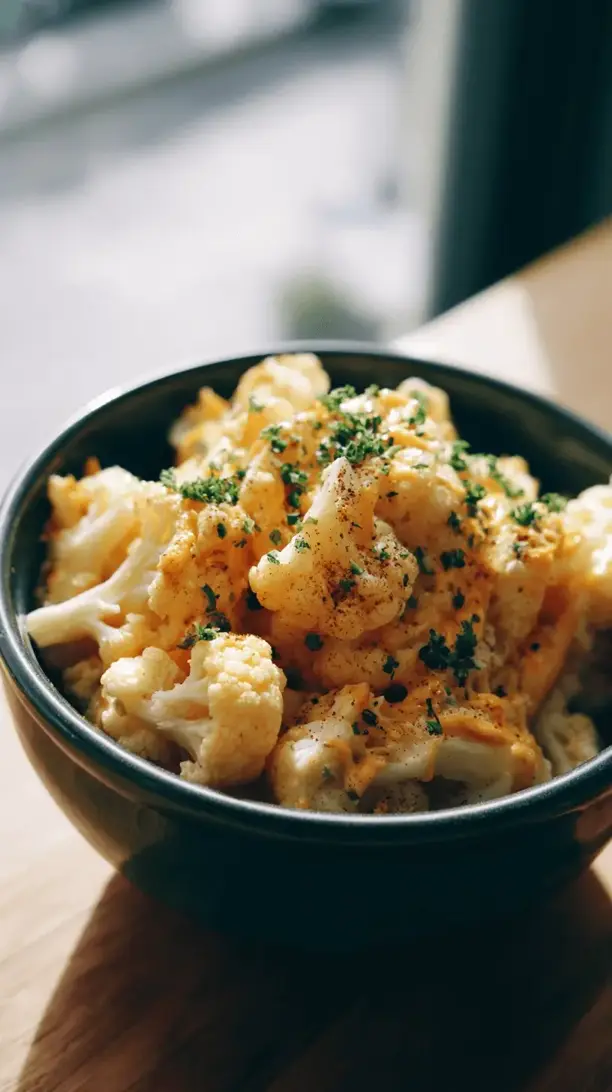
Cauliflower Mac And Cheese
Creamy, dreamy cauliflower mac and cheese! This easy recipe combines roasted cauliflower with a luxurious cheese sauce for the ultimate comfort food upgrade. Perfect for a satisfying weeknight dinner.
Ingredients
Ingredients
-
1 large head cauliflower (cut into bite-sized florets)
-
2 tbsp olive oil
-
1 tsp garlic powder
-
1 tsp smoked paprika
-
100 g whole wheat elbow macaroni (or pasta of your choice)
-
3 tbsp unsalted butter
-
3 tbsp all-purpose flour
-
480 ml whole milk (warmed slightly)
-
1 tsp Dijon mustard
-
120 g sharp cheddar cheese (freshly grated)
-
60 g Gruyère cheese (freshly grated)
-
50 g Parmesan cheese (freshly grated, plus more for serving)
-
salt and black pepper (to taste)
-
Pinch nutmeg (optional, but highly recommended)
-
2 tbsp fresh chives or parsley (chopped, for garnish)
Instructions
-
First, let's get that cauliflower roasting. Preheat your oven to 220°C (200°C fan). Toss the cauliflower florets on a large baking sheet with the olive oil, garlic powder, smoked paprika, and a good pinch of salt and pepper. Spread them out in a single layer—this is key for getting them nicely browned, not steamed. Roast for 20-25 minutes, or until the edges are crispy and golden brown. You'll notice that amazing, toasty aroma filling your kitchen.01
-
While the cauliflower roasts, cook your pasta. Bring a large pot of salted water to a boil and cook the whole wheat elbows according to package directions, but aim for al dente. Remember, we're going to finish it in the sauce, so you want it to have a little bite. Once cooked, drain it and set it aside. No need to rinse!02
-
Now, for the heart of the dish: the cheese sauce. In your medium saucepan, melt the butter over medium heat. Once it's foaming, whisk in the flour. Cook this roux for about a minute, whisking constantly, until it smells a bit nutty and is a pale golden colour. This cooks out the raw flour taste.03
-
Slowly, and I mean slowly, pour in the warm milk while whisking continuously. This is the moment where patience pays off. If you add the milk too quickly, you might get lumps. Keep whisking until the sauce is smooth and begins to thicken. This should take about 3-5 minutes. You'll know it's ready when it coats the back of a spoon.04
-
Turn the heat down to low. Stir in the Dijon mustard, a good crack of black pepper, and that optional-but-awesome pinch of nutmeg. Now, start adding the cheese, a handful at a time, letting each addition melt fully before adding the next. This gradual process is the secret to a smooth, non-greasy sauce. Taste it and season with salt as needed—remember, the cheeses are already salty.05
-
Bring it all together! In a large mixing bowl, combine the roasted cauliflower, the cooked pasta, and the glorious cheese sauce. Gently fold everything together until it's evenly coated. The sauce should look glossy and cling to every nook and cranny.06
-
You can serve it straight from the bowl for a softer, stovetop-style mac and cheese. But for a bit of extra texture, transfer the mixture to a baking dish, top with a little extra grated Parmesan, and pop it under the grill for 3-4 minutes until the top is bubbly and spotty brown. Let it rest for a couple of minutes before scattering with fresh chives.07


