
Why You’ll Love This Butternut Squash and Sage Pasta
- It’s the ultimate comfort food with a gourmet twist. This dish combines the homey satisfaction of a creamy pasta with the sophisticated flavors of roasted squash and aromatic sage. It feels fancy without being fussy.
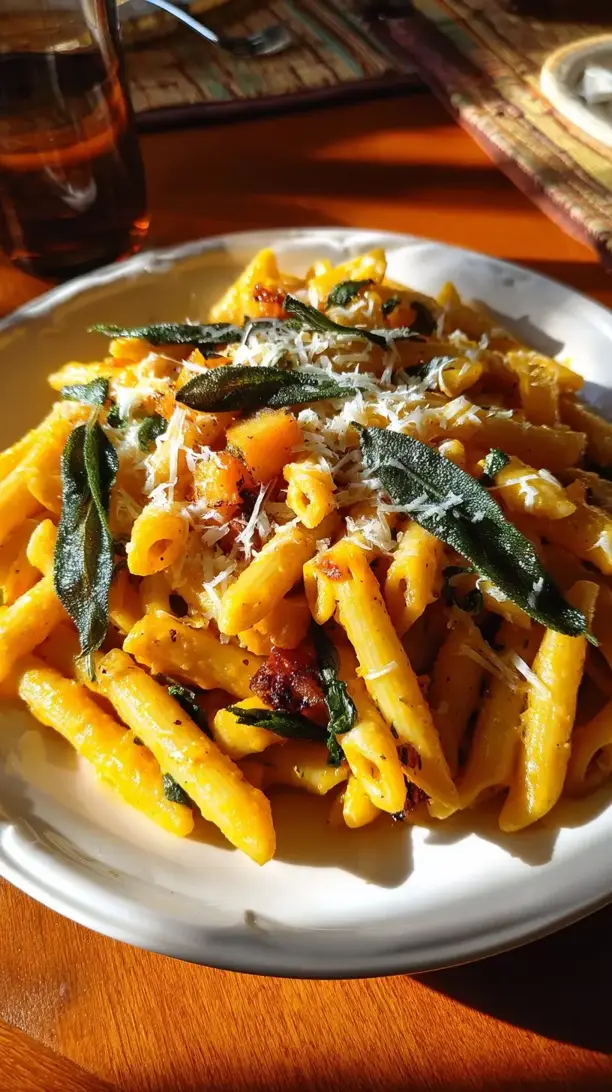
- The texture contrast is absolutely divine. You get the silky smoothness of the squash sauce against the al dente pasta, and then those crispy, fried sage leaves on top add a delightful crunch and burst of flavor.
- It makes your kitchen smell incredible. The aroma of roasting squash mingling with the earthy, slightly peppery scent of sage frying in butter is honestly one of the best parts of making this recipe. It’s pure autumn warmth.
- It’s wonderfully versatile. You can easily make it vegetarian, add a protein like shredded chicken or crispy pancetta, or use your favorite pasta shape. It’s a fantastic base recipe that you can make your own.
Ingredients & Tools
- 1 medium butternut squash (about 1.2 kg), peeled, seeded, and cubed
- 3 tbsp olive oil, divided
- 1 large yellow onion, finely chopped
- 3 cloves garlic, minced
- 1/4 cup fresh sage leaves, plus more for garnish
- 3 tbsp unsalted butter
- 1/2 cup heavy cream (or full-fat coconut milk for a dairy-free version)
- 1/2 cup vegetable broth
- 1/3 cup grated Parmesan cheese, plus more for serving
- 1/4 tsp freshly grated nutmeg
- 400 g pasta (fettuccine, rigatoni, or orecchiette work well)
- Salt and freshly ground black pepper to taste
Tools: Large baking sheet, large pot for pasta, blender or food processor, large skillet
A few notes on the stars of the show: using fresh sage is non-negotiable here—dried just won’t give you that incredible fragrance and crisp texture. And a good, hard cheese like Parmesan adds a salty, umami depth that balances the squash’s sweetness perfectly.
Nutrition (per serving)
- Calories: 520 kcal
- Protein: 14 g
- Fat: 22 g
- Carbohydrates: 72 g
- Fiber: 7 g
Serves: 4 | Prep Time: 20 minutes | Cook Time: 40 minutes | Total Time: 60 minutes
Before You Start: Tips & Ingredient Notes
- Don’t skip roasting the squash. Roasting, rather than boiling, is what gives the sauce its deep, caramelized flavor. It concentrates the squash’s natural sweetness and adds a wonderful complexity you just can’t get any other way.
- Choose your pasta shape wisely. You want a shape that can really hold onto the sauce. Ribbons like fettuccine or pappardelle are classic, but short, sturdy shapes like rigatoni or shells are fantastic for trapping little pockets of creamy goodness.
- Reserve that pasta water! This is the golden rule for any great pasta dish. The starchy, salty water is your secret weapon for thinning the sauce to the perfect consistency and helping it cling to the pasta.
- Be patient when frying the sage. You want to fry the leaves in the butter until they’re crisp and the butter itself has taken on a nutty, golden-brown color (this is called beurre noisette). It adds a whole new layer of flavor to the dish.
How to Make Butternut Squash and Sage Pasta
Step 1: Preheat your oven to 200°C (400°F). Toss the cubed butternut squash with 2 tablespoons of the olive oil, a generous pinch of salt, and a few grinds of black pepper on a large baking sheet. Spread it out in a single layer—this is key for getting those beautifully caramelized edges rather than steaming the squash. Roast for 25-30 minutes, or until the squash is fork-tender and has some lovely browned spots. You’ll notice the sweet, toasty aroma filling your kitchen… that’s how you know it’s ready.
Step 2: While the squash is roasting, bring a large pot of generously salted water to a boil for your pasta. This is also the time to start your sauce base. In a large skillet, heat the remaining 1 tablespoon of olive oil over medium heat. Add the chopped onion and cook, stirring occasionally, until it’s soft and translucent, about 5-7 minutes. Then, stir in the minced garlic and cook for just another minute until fragrant—be careful not to let the garlic burn, as it can turn bitter.
Step 3: Now, for one of the most rewarding parts: frying the sage. Push the onions and garlic to one side of the skillet and add the butter. Once the butter has melted, add the fresh sage leaves. Let them sizzle gently for about 1-2 minutes, flipping once, until they’ve darkened in color and become crisp. Remove the sage leaves with a slotted spoon and set them on a paper towel—they’ll be your garnish. The butter in the pan should now be a lovely golden-brown color with a nutty aroma.
Step 4: By now, your squash should be out of the oven. Carefully transfer the hot roasted squash, the onion and garlic mixture, and all the browned butter from the skillet into a blender. Add the heavy cream, vegetable broth, grated Parmesan, and nutmeg. Blend until the mixture is completely smooth and velvety. If the sauce seems too thick, you can add a splash more broth. Taste it and season with more salt and pepper as needed. The sauce should be rich, creamy, and perfectly seasoned.
Step 5: Cook your pasta in the boiling water according to the package directions, but aim for al dente. Just before draining, scoop out about a cup of the starchy pasta water. This liquid gold is what will bring your sauce together. Drain the pasta and return it to the warm pot.
Step 6: Pour the beautiful, smooth squash sauce over the hot, drained pasta. Place the pot over low heat and toss everything together, adding a splash of the reserved pasta water at a time until the sauce coats every piece of pasta in a glossy, luxurious cloak. You’ll see the sauce loosen up and become silky. This is where the magic happens!
Step 7: Divide the pasta among warm bowls. Top each serving with the crispy sage leaves you fried earlier, an extra grating of Parmesan cheese, and a final crack of black pepper. Serve immediately while it’s hot and the textures are at their best—the crisp sage against the creamy pasta is an experience you won’t forget.
Serving Suggestions
Complementary Dishes
- A simple arugula salad with a lemon vinaigrette — The peppery, sharp greens cut through the richness of the pasta beautifully, balancing the whole meal.
- Garlic bread or focaccia — For mopping up every last bit of that creamy sauce from your plate, it’s an absolute must.
- Sautéed greens like kale or spinach — An easy way to add another vegetable component that complements the earthy flavors in the pasta.
Drinks
- A crisp, unoaked Chardonnay — Its bright acidity and notes of apple and citrus will contrast nicely with the creamy, earthy elements of the dish.
- A light-bodied pale ale — The slight bitterness and carbonation help cleanse the palate between bites of the rich pasta.
- Sparkling water with a lemon wedge — A non-alcoholic option that provides a refreshing, bubbly contrast to the dish’s creaminess.
Something Sweet
- Warm apple crumble with vanilla ice cream — It continues the cozy, autumnal theme and the cold ice cream is a perfect finish after a warm, savory meal.
- Dark chocolate and hazelnut biscotti — For a less heavy option, these are great for dipping and the nuttiness echoes the flavors of the fried sage.
- Pumpkin spiced panna cotta — A silky, spiced dessert that feels elegant and keeps the seasonal vibe going strong.
Top Mistakes to Avoid
- Mistake: Overcrowding the baking sheet with squash. If the squash cubes are too close together, they’ll steam instead of roast. You’ll miss out on those delicious caramelized edges that add so much flavor to the sauce.
- Mistake: Blending the sauce while the squash is cold. Using hot squash straight from the oven helps it blend into a smoother, more emulsified sauce and also means your final dish will be piping hot.
- Mistake: Skipping the pasta water. I’ve messed this up before too, thinking I wouldn’t need it. But that starchy water is crucial for adjusting the sauce’s consistency and helping it stick to the pasta. Don’t forget to reserve a cup!
- Mistake: Burning the garlic or sage butter. Both garlic and butter can go from golden to burnt very quickly. Burnt flavors will make the entire sauce taste bitter, so keep a watchful eye and use medium heat.
Expert Tips
- Tip: Roast a whole head of garlic with the squash. Simply slice the top off a head of garlic, drizzle it with a little oil, wrap it in foil, and pop it on the baking sheet. The roasted cloves will squeeze out like butter and add an incredible, mellow sweetness to your sauce.
- Tip: Add a touch of white wine for depth. After cooking the onions, deglaze the pan with a splash of dry white wine before adding the butter. Let it reduce by half—it adds a lovely acidity that brightens the whole dish.
- Tip: Toast your pasta for extra flavor. Before boiling, toast the dry pasta in a dry skillet for a few minutes until it smells nutty and develops a light golden color. This gives the pasta itself a deeper, more complex flavor.
- Tip: Make it ahead for easy entertaining. You can roast the squash and make the sauce completely a day in advance. Just store it in the fridge and gently reheat it while your pasta cooks, adding a little extra broth or cream to loosen it up.
FAQs
Can I make this dish vegan?
Absolutely! The swaps are quite simple. Use olive oil instead of butter for frying the sage (though you’ll miss the nutty flavor of beurre noisette, it will still be delicious). For the creamy element, full-fat coconut milk is a fantastic substitute for heavy cream. And finally, skip the Parmesan or use a good vegan alternative. The roasted squash is so flavorful that the dish will still be wonderfully satisfying.
My sauce turned out too thick. How can I fix it?
No worries, this is an easy fix! The solution is already in your pasta pot. Just gradually add small splashes of the reserved starchy pasta water to the sauce while you’re tossing it with the pasta. The starch in the water will help thin the sauce to a silky consistency without making it watery. If you’ve already discarded the water, warm vegetable broth or a little more cream will also work.
Can I use frozen butternut squash?
You can, but the results will be slightly different. Frozen squash often has a higher water content, which can make your sauce a bit thinner and less sweet. If you do use it, I’d recommend roasting it from frozen (tossed with oil) to help evaporate some of that excess moisture, rather than boiling or steaming it. It might take a few minutes longer in the oven.
What can I do with leftover fried sage?
Leftover crispy sage is a wonderful “problem” to have! Crumble it over soups, roasted vegetables, or mashed potatoes for an instant flavor boost. You can also fold it into softened butter with a pinch of salt to create a compound butter that’s incredible melted over steak, fish, or simply spread on a piece of crusty bread.
How long do leftovers keep in the fridge?
The pasta will keep in an airtight container in the refrigerator for up to 3 days. The sauce will thicken significantly as it chills. The best way to reheat it is gently in a skillet over low heat, adding a splash of broth, milk, or water to loosen it back up. I don’t recommend freezing it, as the creamy sauce can separate and become grainy upon thawing.
Butternut Squash And Sage Pasta
Make this creamy Butternut Squash and Sage Pasta for a cozy, impressive dinner. Easy recipe with roasted squash and crispy sage. Get the full recipe here!
Ingredients
For the pasta:
-
400 g pasta (fettuccine, rigatoni, or orecchiette work well)
For the sauce:
-
1 medium butternut squash (about 1.2 kg, peeled, seeded, and cubed)
-
3 tbsp olive oil (divided)
-
1 large yellow onion (finely chopped)
-
3 cloves garlic (minced)
-
1/4 cup fresh sage leaves (plus more for garnish)
-
3 tbsp unsalted butter
-
1/2 cup heavy cream (or full-fat coconut milk for a dairy-free version)
-
1/2 cup vegetable broth
-
1/3 cup grated Parmesan cheese (plus more for serving)
-
1/4 tsp freshly grated nutmeg
-
Salt and freshly ground black pepper (to taste)
Instructions
-
Preheat your oven to 200°C (400°F). Toss the cubed butternut squash with 2 tablespoons of the olive oil, a generous pinch of salt, and a few grinds of black pepper on a large baking sheet. Spread it out in a single layer—this is key for getting those beautifully caramelized edges rather than steaming the squash. Roast for 25-30 minutes, or until the squash is fork-tender and has some lovely browned spots.01
-
While the squash is roasting, bring a large pot of generously salted water to a boil for your pasta. In a large skillet, heat the remaining 1 tablespoon of olive oil over medium heat. Add the chopped onion and cook, stirring occasionally, until it’s soft and translucent, about 5-7 minutes. Then, stir in the minced garlic and cook for just another minute until fragrant—be careful not to let the garlic burn, as it can turn bitter.02
-
Push the onions and garlic to one side of the skillet and add the butter. Once the butter has melted, add the fresh sage leaves. Let them sizzle gently for about 1-2 minutes, flipping once, until they’ve darkened in color and become crisp. Remove the sage leaves with a slotted spoon and set them on a paper towel—they’ll be your garnish. The butter in the pan should now be a lovely golden-brown color with a nutty aroma.03
-
Carefully transfer the hot roasted squash, the onion and garlic mixture, and all the browned butter from the skillet into a blender. Add the heavy cream, vegetable broth, grated Parmesan, and nutmeg. Blend until the mixture is completely smooth and velvety. If the sauce seems too thick, you can add a splash more broth. Taste it and season with more salt and pepper as needed.04
-
Cook your pasta in the boiling water according to the package directions, but aim for al dente. Just before draining, scoop out about a cup of the starchy pasta water. Drain the pasta and return it to the warm pot.05
-
Pour the beautiful, smooth squash sauce over the hot, drained pasta. Place the pot over low heat and toss everything together, adding a splash of the reserved pasta water at a time until the sauce coats every piece of pasta in a glossy, luxurious cloak.06
-
Divide the pasta among warm bowls. Top each serving with the crispy sage leaves you fried earlier, an extra grating of Parmesan cheese, and a final crack of black pepper. Serve immediately while it’s hot and the textures are at their best.07