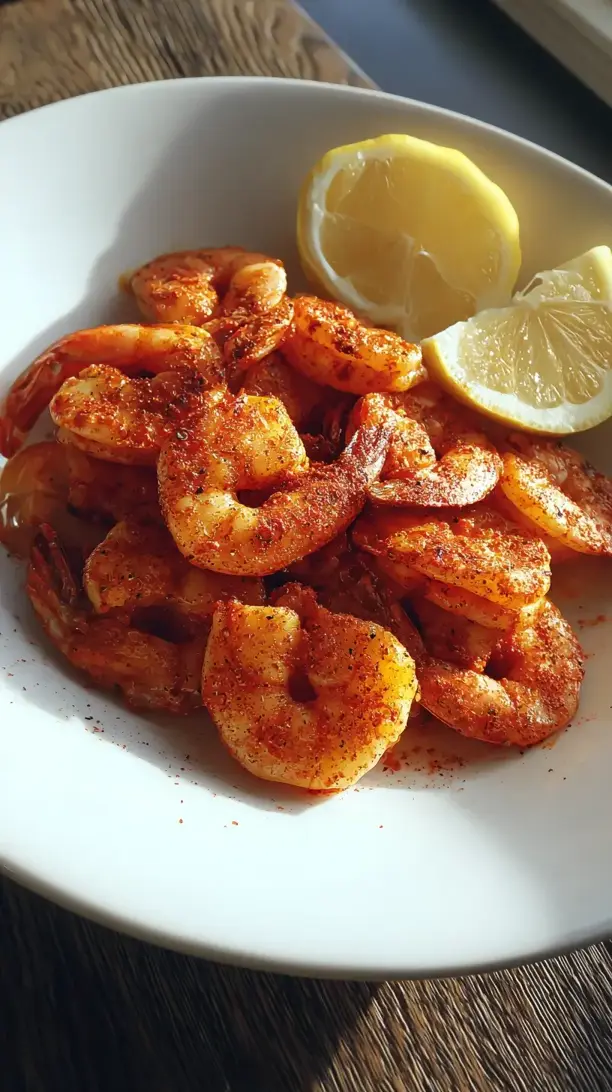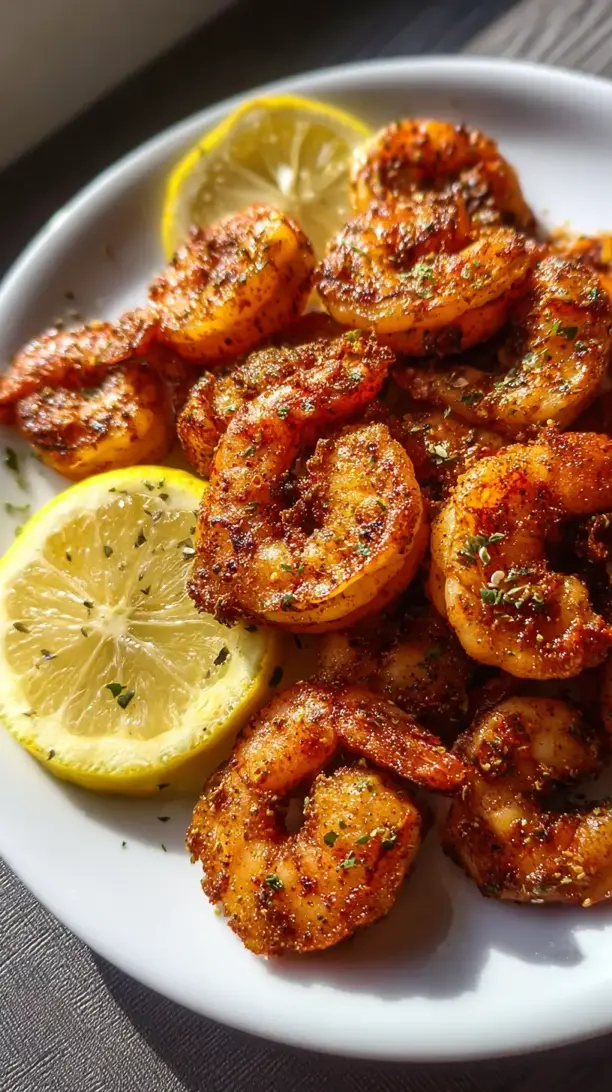

There’s something magical that happens when shrimp meets a fiercely hot pan and a bold, smoky spice rub. This blackened shrimp recipe is incredibly fast, packed with flavor, and endlessly versatile. It’s a weeknight hero that feels rustic and chef-y all at once.
Why You’ll Love This Blackened Shrimp
- Speed Demon: From fridge to table in under 15 minutes.
- Flavor Bomb: A complex blend of smoky, sweet, and earthy notes.
- Unbelievably Versatile: Perfect for tacos, bowls, pasta, or appetizers.
- Feels Impressive: Simple technique with massive visual and taste appeal.
Ingredients & Tools
- 1 lb large shrimp (16/20 count), peeled and deveined
- 2 tbsp smoked paprika
- 1 tbsp garlic powder
- 1 tsp onion powder
- 1 tsp dried oregano
- 1 tsp dried thyme
- 1/2 to 1 tsp cayenne pepper (adjust to your heat preference)
- 1/2 tsp salt
- 1/2 tsp freshly ground black pepper
- 2 tbsp unsalted butter or avocado oil
- 1 tbsp fresh lemon juice
- 2 tbsp fresh parsley, chopped (for garnish)
Tools: A large, heavy-bottomed skillet (cast iron is ideal), a small bowl for the spice mix, and tongs.
Notes: The quality of your spices really makes a difference here—using fresh, not-dusty spices will give you the most vibrant flavor. And don’t skip the butter at the end; it adds a rich, glossy finish.
Nutrition (per serving)
| Calories: | 210 kcal |
| Protein: | 24 g |
| Fat: | 10 g |
| Carbs: | 5 g |
| Fiber: | 2 g |
Serves: 3-4 | Prep Time: 10 minutes | Cook Time: 5 minutes | Total Time: 15 minutes
Before You Start: Tips & Ingredient Notes
- Shrimp Size Matters. I strongly recommend large (16/20 count) shrimp. They’re substantial enough to stand up to the high heat without overcooking before the crust forms. Jumbo shrimp also work wonderfully.
- Pat Your Shrimp Bone-Dry. This is the single most important prep step. Any surface moisture will steam the shrimp instead of allowing that beautiful, blackened crust to form. Use paper towels and press firmly.
- Embrace the Smoke. Blackening is a smoky process—it’s supposed to be! Open a window, turn on your hood fan, and don’t be alarmed. The result is absolutely worth a little bit of kitchen drama.
- Have Everything Ready. This recipe moves fast. Make sure your spice mix is blended, your shrimp are dried and seasoned, and your plate is nearby before you even think about turning on the heat.
How to Make Blackened Shrimp
Step 1: First, get your shrimp prepped. If they’re frozen, make sure they’re fully thawed. Peel and devein them, leaving the tails on or off based on your preference (I take them off for easier eating). Now, the crucial part: lay them out on a stack of paper towels and pat them aggressively dry. You’ll notice they go from glossy and wet to matte and dry—this is what you want. Any remaining water is the enemy of a good sear.
Step 2: In a small bowl, whisk together all of your dried spices—the smoked paprika, garlic powder, onion powder, oregano, thyme, cayenne, salt, and black pepper. The mixture should be a deep, brick-red color and smell incredibly aromatic. If you have time, you can make a big batch of this rub and store it for future use; it’s fantastic on chicken and fish, too.
Step 3: Place your thoroughly dried shrimp in a medium bowl. Drizzle them with just one tablespoon of the oil or melted butter—just enough to lightly coat them. This will help the spice rub adhere. Now, sprinkle the spice mixture over the shrimp and use your hands to toss and massage the spices onto every single shrimp, ensuring they’re evenly and generously coated. You shouldn’t see much of the shrimp itself anymore.
Step 4: Place your heavy skillet (cast iron is the gold standard here) over medium-high heat and let it get seriously hot. You’re aiming for a temperature where a drop of water sizzles and evaporates instantly. Add the remaining tablespoon of oil or butter and swirl it to coat the pan. It should shimmer but not smoke excessively just yet.
Step 5: Carefully place the shrimp in the hot pan in a single layer, making sure they aren’t crowded. You might need to work in two batches. Now, the hard part: don’t touch them! Let them cook for 1-2 minutes. You’ll hear a fierce sizzle and see the edges start to turn dark red and blacken. This is the crust forming.
Step 6: Use your tongs to flip each shrimp. They should release easily from the pan if a good crust has formed. The second side will cook faster—only about 1 minute more. The shrimp are done when they’re opaque and have formed a tight “C” shape. Be careful not to overcook, or they’ll become rubbery.
Step 7: Immediately remove the skillet from the heat. Add the final tablespoon of butter and the fresh lemon juice to the pan. The residual heat will melt the butter and create a quick, glossy pan sauce. Toss the shrimp in this sauce to coat them beautifully.
Step 8: Transfer the blackened shrimp to a serving platter and pour any remaining buttery sauce from the pan over the top. Garnish generously with the fresh, chopped parsley for a pop of color and freshness. Serve them right away while they’re hot and the crust is at its peak crispness.
Storage & Freshness Guide
- Fridge: Store in an airtight container for up to 2 days.
- Freezer: Not recommended; texture will suffer upon thawing.
- Reviving: Gently reheat in a skillet with a splash of water or broth.
Serving Suggestions
Complementary Dishes
- Creamy Cheddar Grits or Polenta — The rich, creamy texture is the perfect, soothing canvas for the spicy, bold shrimp, creating a classic Southern-inspired combo that’s pure comfort.
- Cilantro-Lime Rice & Black Beans — This turns your shrimp into a fantastic burrito bowl; the fresh, zesty rice and earthy beans balance the smokiness and make a complete, satisfying meal.
- A Simple Arugula Salad with Lemon Vinaigrette — The peppery arugula and sharp, acidic dressing cut through the richness of the shrimp, lightening the whole dish and adding a refreshing crunch.
Drinks
- A Crisp, Citrusy IPA — The hoppy bitterness and grapefruit notes in the beer stand up to the spice and cleanse the palate beautifully between bites.
- A Classic Mojito — The cool mint and bright lime are a fantastic contrast to the heat, making each sip feel like a refreshing reset for your taste buds.
- Sparkling Water with Lemon — Sometimes you just need a simple, bubbly, non-alcoholic option to temper the heat and keep you hydrated while you enjoy the flavorful spice.
Something Sweet
- Mango Sorbet — The sweet, tropical fruit flavor is a wonderful, cooling finish that complements the Cajun-inspired spices without feeling too heavy.
- Key Lime Pie — The sharp, tangy creaminess is a classic pairing for seafood and provides a bright, zesty end to the meal that echoes the lemon in the shrimp.
- Grilled Pineapple with a Sprinkle of Chili Salt — It continues the sweet-and-spicy theme in a light, healthy way, and the caramelized fruit feels like a special treat.
Top Mistakes to Avoid
- Mistake: Using a small or thin pan. A crowded pan will steam the shrimp instead of searing them, and a thin pan can’t hold the consistent high heat needed for a proper blackened crust. A pre-heated cast iron is your best friend here.
- Mistake: Moving the shrimp too soon. I’ve messed this up before too… the second they hit the pan, you’ll want to fiddle with them. Resist! Let them sit undisturbed to develop that signature crust, or they’ll stick and steam.
- Mistake: Skipping the drying step. If your shrimp are even slightly wet, the spices will turn to a muddy paste and you’ll boil them in their own juices. A truly dry surface is non-negotiable for that crackly texture.
- Mistake: Overcooking the shrimp. Shrimp cook in a flash. The moment they curl into a tight “C” and are opaque, they’re done. Any longer and they become tough and rubbery—a true tragedy.
Expert Tips
- Tip: Make a double batch of the spice rub. It keeps for months in a sealed jar, and you’ll find yourself reaching for it to season chicken, fish, roasted vegetables, or even popcorn. It’s a flavor powerhouse that makes weeknight cooking a breeze.
- Tip: Use a mix of butter and oil. For the best flavor and sear, use a high-smoke-point oil (like avocado or grapeseed) for the initial cook, and finish with butter for its unbeatable rich flavor. The butter solids can burn at high heat, so adding it at the end is key.
- Tip: Let the shrimp come to room temperature. Taking the chill off for 10-15 minutes before cooking helps them cook more evenly, so the outside crust forms before the inside has a chance to overcook.
- Tip: Deglaze the pan for a sauce. After removing the shrimp, you can add a splash of white wine or chicken broth to the hot pan, scraping up all the delicious browned bits. Reduce it slightly and swirl in a pat of cold butter for an incredible pan sauce.
FAQs
Can I make this blackened shrimp in the air fryer?
Absolutely! It’s a great, less-smoky option. Preheat your air fryer to 400°F (200°C). Arrange the seasoned shrimp in a single layer in the basket (you may need to cook in batches). Air fry for 5-7 minutes, shaking the basket halfway through, until the shrimp are opaque and have a nice crust. The texture will be slightly different from the pan-seared version but still delicious.
How do I store and reheat leftovers?
Store any leftover shrimp in an airtight container in the fridge for up to 2 days. To reheat, gently warm them in a skillet over medium-low heat with a tiny splash of water or broth to keep them from drying out. Avoid the microwave, as it will make the shrimp rubbery and the crust soggy.
Is blackened shrimp spicy?
It has a kick, but you are in complete control! The primary heat comes from the cayenne pepper. Start with 1/2 teaspoon for a mild warmth, or go for the full teaspoon (or more!) if you love the heat. The smokiness from the paprika is the dominant flavor, so it’s not just pure spice.
Can I use frozen shrimp?
Yes, but they must be fully thawed and thoroughly dried. The best way to thaw shrimp is to place them in a sealed plastic bag and submerge them in cold water for about 15-20 minutes. Never try to blacken frozen shrimp—you’ll end up with a watery, steamed mess.
What’s the difference between blackened and blackened seasoning?
Great question! “Blackened” refers to the specific cooking technique of coating food in spices and searing it in a very hot pan until the spices darken. “Blackened seasoning” is just the name of the spice blend used in that process. So you use blackened seasoning to make blackened shrimp, chicken, or fish!
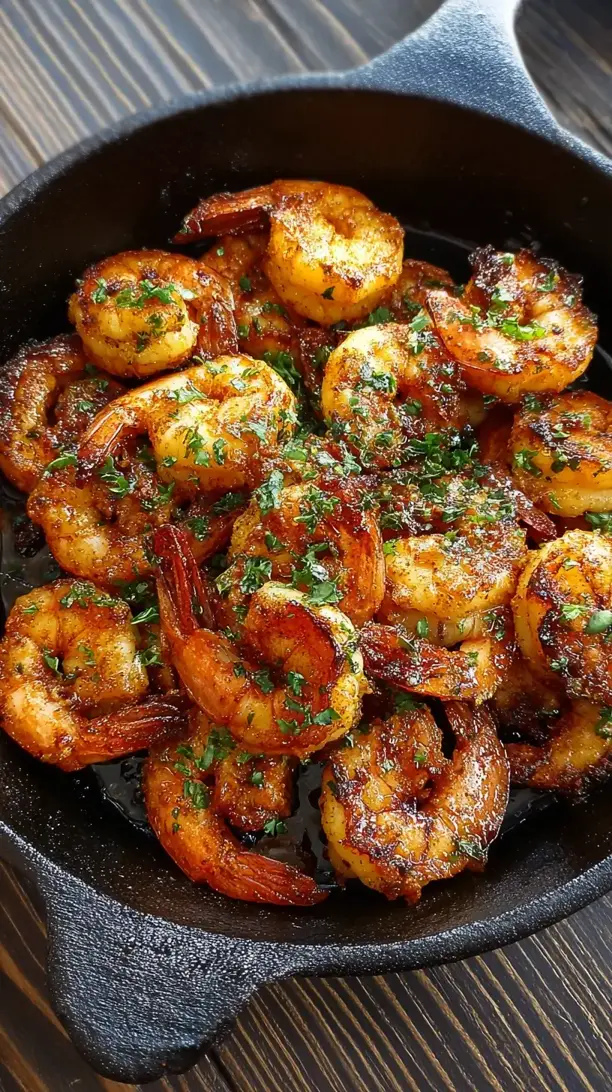
Blackened Shrimp
Make juicy, flavorful Blackened Shrimp in just 15 minutes with this easy recipe. Perfect for tacos, pasta, or salads. Get the foolproof method now!
Ingredients
For the Shrimp & Spice Rub
-
1 lb large shrimp (16/20 count, peeled and deveined)
-
2 tbsp smoked paprika
-
1 tbsp garlic powder
-
1 tsp onion powder
-
1 tsp dried oregano
-
1 tsp dried thyme
-
1/2 to 1 tsp cayenne pepper (adjust to your heat preference)
-
1/2 tsp salt
-
1/2 tsp freshly ground black pepper
-
2 tbsp unsalted butter or avocado oil
-
1 tbsp fresh lemon juice
-
2 tbsp fresh parsley (chopped, for garnish)
Instructions
-
First, get your shrimp prepped. If they’re frozen, make sure they’re fully thawed. Peel and devein them, leaving the tails on or off based on your preference (I take them off for easier eating). Now, the crucial part: lay them out on a stack of paper towels and pat them aggressively dry. You’ll notice they go from glossy and wet to matte and dry—this is what you want. Any remaining water is the enemy of a good sear.01
-
In a small bowl, whisk together all of your dried spices—the smoked paprika, garlic powder, onion powder, oregano, thyme, cayenne, salt, and black pepper. The mixture should be a deep, brick-red color and smell incredibly aromatic. If you have time, you can make a big batch of this rub and store it for future use; it’s fantastic on chicken and fish, too.02
-
Place your thoroughly dried shrimp in a medium bowl. Drizzle them with just one tablespoon of the oil or melted butter—just enough to lightly coat them. This will help the spice rub adhere. Now, sprinkle the spice mixture over the shrimp and use your hands to toss and massage the spices onto every single shrimp, ensuring they’re evenly and generously coated. You shouldn’t see much of the shrimp itself anymore.03
-
Place your heavy skillet (cast iron is the gold standard here) over medium-high heat and let it get seriously hot. You’re aiming for a temperature where a drop of water sizzles and evaporates instantly. Add the remaining tablespoon of oil or butter and swirl it to coat the pan. It should shimmer but not smoke excessively just yet.04
-
Carefully place the shrimp in the hot pan in a single layer, making sure they aren’t crowded. You might need to work in two batches. Now, the hard part: don’t touch them! Let them cook for 1-2 minutes. You’ll hear a fierce sizzle and see the edges start to turn dark red and blacken. This is the crust forming.05
-
Use your tongs to flip each shrimp. They should release easily from the pan if a good crust has formed. The second side will cook faster—only about 1 minute more. The shrimp are done when they’re opaque and have formed a tight “C” shape. Be careful not to overcook, or they’ll become rubbery.06
-
Immediately remove the skillet from the heat. Add the final tablespoon of butter and the fresh lemon juice to the pan. The residual heat will melt the butter and create a quick, glossy pan sauce. Toss the shrimp in this sauce to coat them beautifully.07
-
Transfer the blackened shrimp to a serving platter and pour any remaining buttery sauce from the pan over the top. Garnish generously with the fresh, chopped parsley for a pop of color and freshness. Serve them right away while they’re hot and the crust is at its peak crispness.08