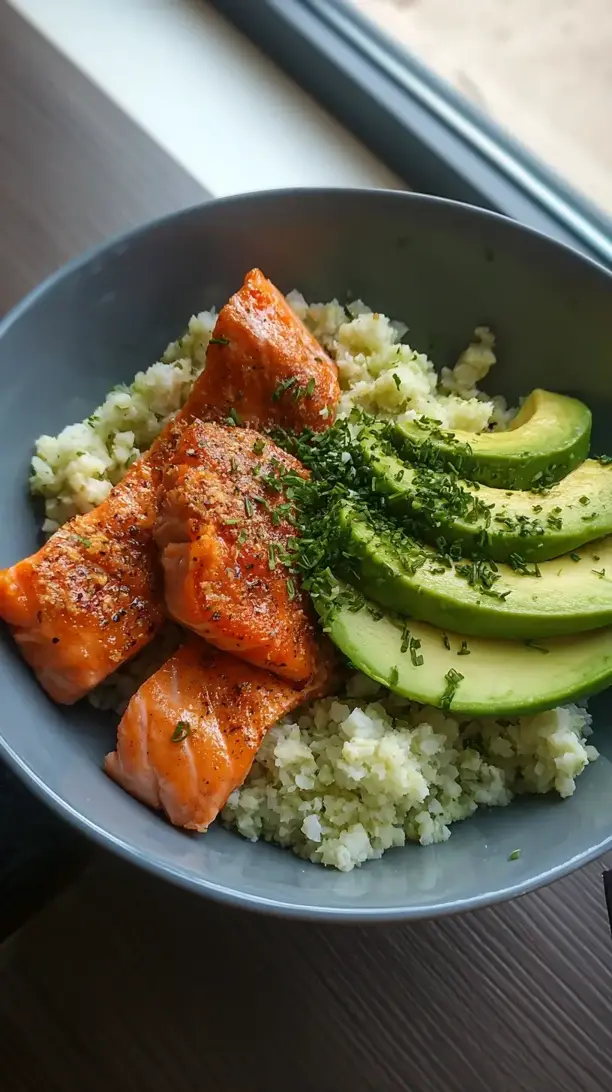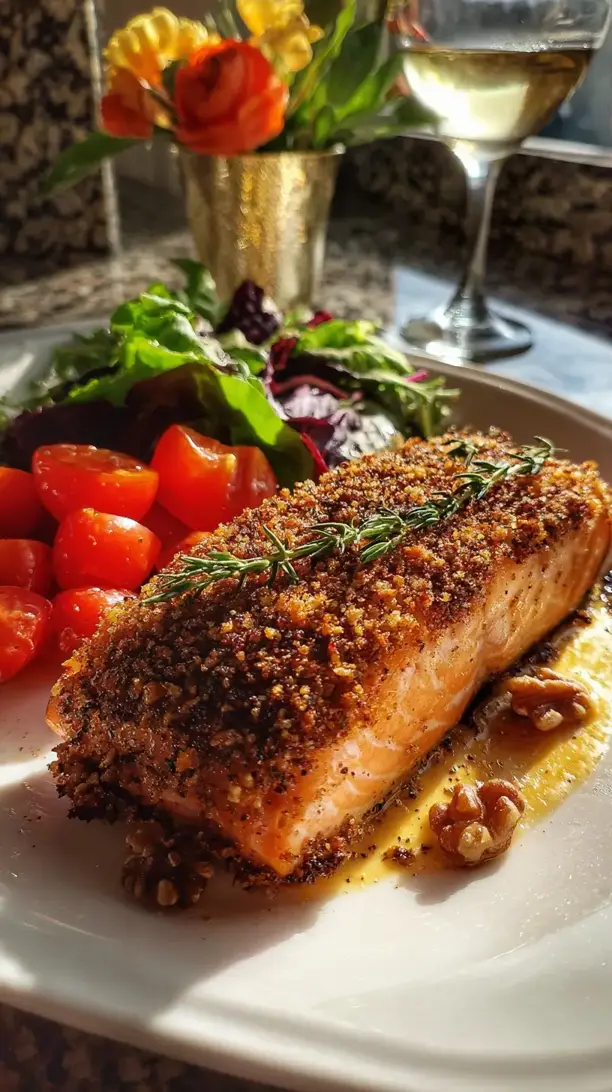

Having batch cooked salmon ready in your fridge is a game-changer for quick, healthy meals. This gentle roasting method yields moist, flaky fillets perfect for salads, bowls, and more. You’ll love the convenience and versatility of this batch cooked salmon.
Why You’ll Love This Batch Cooked Salmon
- Effortless cooking: Once in the oven, you can walk away.
- Weeklong versatility: A foundation for countless lunches and dinners.
- Perfect texture: Gentle roasting keeps it tender and flaky.
- Serious time-saver: Transforms “what’s for dinner?” instantly.
Ingredients & Tools
- 1.5 kg (about 3.3 lbs) skin-on salmon fillets
- 3 tbsp extra virgin olive oil
- 1½ tsp fine sea salt
- 1 tsp freshly ground black pepper
- 2 lemons, thinly sliced
- 1 large bunch fresh dill or parsley (optional, for aroma)
Tools: A large rimmed baking sheet, parchment paper, a sharp knife, and a flexible spatula or fish slice.
Notes: The quality of your salmon really matters here—you’ll taste the difference. Look for fillets that are bright in color, smell fresh and clean like the ocean, and have a firm texture. The skin-on helps keep the flesh intact and adds a lovely layer of flavor and protection during roasting.
Nutrition (per serving)
| Calories: | 280 kcal |
| Protein: | 25 g |
| Fat: | 18 g |
| Carbs: | 1 g |
| Fiber: | 0 g |
Serves: 6 | Prep Time: 10 minutes | Cook Time: 20 minutes | Total Time: 30 minutes
Before You Start: Tips & Ingredient Notes
- Why skin-on salmon? The skin acts as a natural barrier, protecting the delicate flesh from direct heat and locking in moisture. It’s much easier to remove after cooking, and it helps the fillets hold their shape beautifully.
- Can I use frozen salmon? Absolutely, but you must thaw it completely in the refrigerator overnight. Pat it very dry with paper towels before seasoning. Any surface moisture will steam the fish instead of letting it roast, which can affect the texture.
- Don’t skip the parchment paper. This is your insurance policy against sticking. It makes cleanup an absolute breeze and ensures your beautiful, flaky salmon comes off the tray in one perfect piece.
- What if my fillets are different thicknesses? Try to purchase fillets of a similar size, but if you can’t, just place the thicker pieces towards the edges of the baking sheet and the thinner ones in the center for more even cooking.
How to Make Batch Cooked Salmon
Step 1: Preheat your oven to 160°C (325°F). This lower temperature is the real secret to this method—it gently cooks the salmon all the way through without seizing up the proteins and squeezing out all the precious moisture. While the oven heats up, line your large rimmed baking sheet with a piece of parchment paper. You’ll thank yourself later when cleanup takes all of ten seconds.
Step 2: Pat the salmon fillets completely dry with paper towels. This step is non-negotiable for getting a nice roast instead of a steam. Place the fillets skin-side down on the prepared baking sheet, leaving a little space between them for the heat to circulate. Drizzle the olive oil evenly over all the fillets, then use your hands or a brush to make sure the tops and sides are lightly coated.
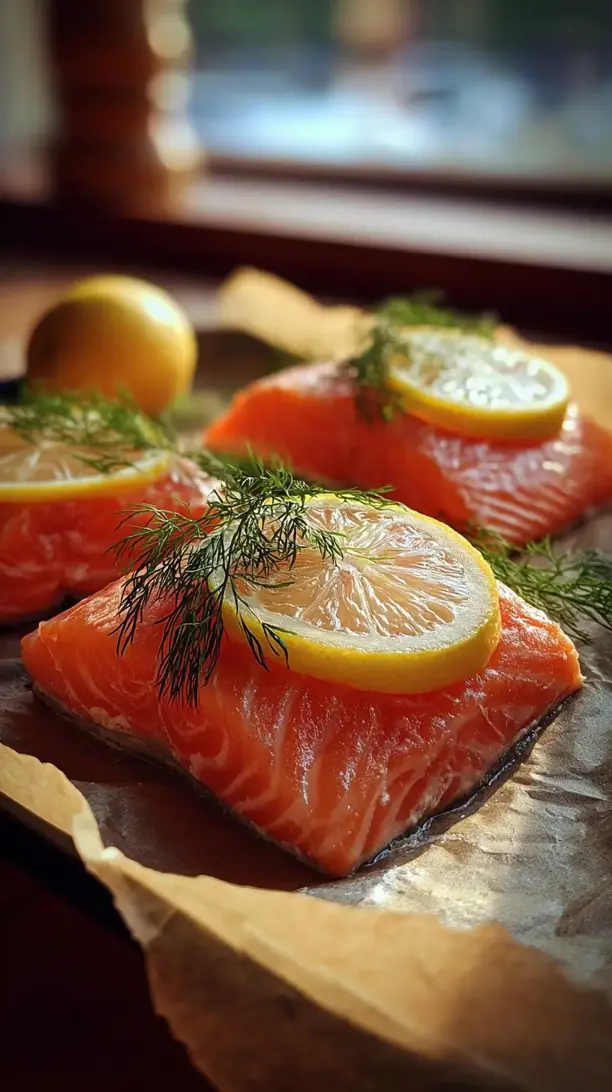
Step 3: Season the fillets generously with the salt and pepper, making sure to get the edges as well. Now, arrange the thin lemon slices and sprigs of fresh dill or parsley over the top of the salmon. This isn’t just for looks—as the salmon roasts, the lemon will mellow and release its juices, and the herbs will infuse the fish with a beautiful, subtle fragrance.
Step 4: Place the baking sheet in the preheated oven and roast for 15-20 minutes. The exact time will depend on the thickness of your fillets. You’ll know it’s done when the salmon is opaque throughout and flakes easily when you gently press the top with a fork. A digital thermometer inserted into the thickest part should read 52-54°C (125-130°F) for medium, which is perfect for batch cooking as it will carry over cook a little more after you take it out.
Step 5: Carefully remove the tray from the oven. Let the salmon rest on the baking sheet for about 5 minutes. This allows the juices to redistribute, ensuring every single bite is succulent. After resting, you can easily slide a spatula between the flesh and the skin to separate them if you prefer to serve it skinless. And that’s it—you’ve just mastered the art of batch-cooked salmon!
Storage & Freshness Guide
- Fridge: Store in an airtight container for up to 3 days.
- Freezer: Freeze for up to 2 months; best for dishes like fish cakes or chowder.
- Reviving: Reheat gently in a covered dish with a splash of water at 135°C (275°F) for 10-15 minutes.
Serving Suggestions
Complementary Dishes
- Quinoa or Farro Salad — The nutty, chewy grains are a fantastic textural contrast to the soft, rich salmon. Toss with some chopped cucumbers, cherry tomatoes, and a lemony vinaigrette.
- Garlicky Sautéed Greens — Something like kale or spinach wilts down quickly and its slight bitterness cuts through the salmon’s richness beautifully. A little garlic and a squeeze of lemon is all you need.
- Roasted Asparagus or Broccoli — You can even roast these in the oven alongside the salmon (just pop them in a little earlier). The caramelized, crispy edges are a dream with the flaky fish.
Drinks
- A Crisp Sauvignon Blanc — Its bright acidity and citrus notes are a classic pairing that will highlight the lemon and herbs on the salmon without overpowering it.
- Sparkling Water with Lemon — For a non-alcoholic option, the effervescence cleanses the palate between bites, making each mouthful of salmon taste fresh and new.
- Iced Green Tea — Its subtle grassy and slightly astringent qualities provide a refreshing counterpoint to the oily, luxurious texture of the fish.
Something Sweet
- Lemon Sorbet — It’s light, palate-cleansing, and continues the citrus theme from the main course in the most refreshing way possible.
- Fresh Berry Parfait — Layers of Greek yogurt, honey, and mixed berries offer a creamy, tart, and sweet finish that feels satisfying but not heavy.
- Dark Chocolate-Dipped Orange Segments — A little sophisticated treat where the bitter dark chocolate and bright orange are a stunning flavor combination after a salmon dinner.
Top Mistakes to Avoid
- Mistake: Overcrowding the pan. If the fillets are touching, they’ll steam each other instead of roasting. This leads to a soggy exterior and uneven cooking. Give them some breathing room!
- Mistake: Using a too-high oven temperature. High heat will cause the salmon’s proteins to contract violently, pushing out all the white albumin (that rubbery white stuff) and making the fish dry. Low and slow is the way to go.
- Mistake: Skipping the pat-dry step. Any excess moisture on the surface of the fish will create steam, which prevents that lovely, gentle roasting we’re after and can make the texture a bit mushy.
- Mistake: Overcooking by not checking early. Salmon continues to cook after it comes out of the oven. It’s better to pull it out when it’s still a touch translucent in the very center—it will perfect itself during the rest.
Expert Tips
- Tip: For super-easy flaking, let the salmon cool completely on the tray after its initial rest. It will firm up, and you can then use a fork or your fingers to break it into perfect, large flakes for salads and bowls.
- Tip: Save the lemon slices after roasting! They become soft, caramelized, and incredibly delicious. Chop them up (peel and all) and stir them into rice, grain salads, or even yogurt for a burst of intense flavor.
- Tip: If you want to add more flavor, marinate the salmon in the fridge for 30 minutes before cooking. A simple mix of olive oil, lemon zest, salt, and some chopped fresh herbs works wonders without compromising the texture.
- Tip: To reheat without drying it out, never use the microwave. Instead, place the salmon in a covered oven-safe dish with a tablespoon of water or broth and warm it in a 135°C (275°F) oven for 10-15 minutes, just until heated through.
FAQs
How long does batch cooked salmon last in the fridge?
Properly stored in an airtight container, your cooked salmon will stay fresh and delicious for up to 3 days. You’ll notice the texture might change slightly after the second day, becoming a bit firmer, but it’s still perfectly safe and wonderful for flaking into dishes. I always label my container with the date I cooked it—it’s a simple habit that prevents any guesswork later in the week.
Can I freeze the cooked salmon?
You can, but the texture will be a bit different once thawed, as freezing breaks down the cell structure. It’s best used in dishes where the texture is less critical, like in fish cakes, chowder, or mixed into a pasta sauce. To freeze, let it cool completely, then portion it into freezer-safe bags, press out all the air, and freeze for up to 2 months. Thaw overnight in the fridge.
What’s the white stuff that comes out of the salmon?
That’s called albumin, and it’s a harmless protein that coagulates and is pushed out of the fish when it’s cooked too quickly at a high temperature. While it’s perfectly safe to eat, it can be a bit rubbery. Using our gentle roasting method significantly reduces how much albumin appears, leading to a more visually appealing and tender result.
My salmon is still a bit translucent in the middle—is it safe?
Yes, as long you’ve brought it to the internal temperature we recommend. Salmon is safe to eat when cooked to an internal temperature of 52°C (125°F) and held for a specific time, which this method achieves. Many people (including chefs) prefer it medium, where the center is still a deeper pink and incredibly moist. If you’re pregnant or immunocompromised, you may prefer to cook it to a higher temperature.
Can I use this method for other types of fish?
Absolutely! This gentle roasting technique is fantastic for other sturdy, oily fish like arctic char or steelhead trout. I wouldn’t recommend it for very delicate, thin white fish like sole or tilapia, as they cook too quickly and can fall apart. For thicker white fish fillets like cod or halibut, you can use this method but may need to add a few extra minutes to the cooking time.
Batch Cooked Salmon
Learn how to make perfect Batch Cooked Salmon with this easy recipe. Moist, flaky, and ready for quick meals all week. Get the simple method now!
Ingredients
For the Ingredients & Tools
-
1.5 kg skin-on salmon fillets
-
3 tbsp extra virgin olive oil
-
1.5 tsp fine sea salt
-
1 tsp freshly ground black pepper
-
2 lemons (thinly sliced)
-
1 large bunch fresh dill or parsley (optional, for aroma)
Instructions
-
Preheat your oven to 160°C (325°F). This lower temperature is the real secret to this method—it gently cooks the salmon all the way through without seizing up the proteins and squeezing out all the precious moisture. While the oven heats up, line your large rimmed baking sheet with a piece of parchment paper. You’ll thank yourself later when cleanup takes all of ten seconds.01
-
Pat the salmon fillets completely dry with paper towels. This step is non-negotiable for getting a nice roast instead of a steam. Place the fillets skin-side down on the prepared baking sheet, leaving a little space between them for the heat to circulate. Drizzle the olive oil evenly over all the fillets, then use your hands or a brush to make sure the tops and sides are lightly coated.02
-
Season the fillets generously with the salt and pepper, making sure to get the edges as well. Now, arrange the thin lemon slices and sprigs of fresh dill or parsley over the top of the salmon. This isn’t just for looks—as the salmon roasts, the lemon will mellow and release its juices, and the herbs will infuse the fish with a beautiful, subtle fragrance.03
-
Place the baking sheet in the preheated oven and roast for 15-20 minutes. The exact time will depend on the thickness of your fillets. You’ll know it’s done when the salmon is opaque throughout and flakes easily when you gently press the top with a fork. A digital thermometer inserted into the thickest part should read 52-54°C (125-130°F) for medium, which is perfect for batch cooking as it will carry over cook a little more after you take it out.04
-
Carefully remove the tray from the oven. Let the salmon rest on the baking sheet for about 5 minutes. This allows the juices to redistribute, ensuring every single bite is succulent. After resting, you can easily slide a spatula between the flesh and the skin to separate them if you prefer to serve it skinless. And that’s it—you’ve just mastered the art of batch-cooked salmon!05