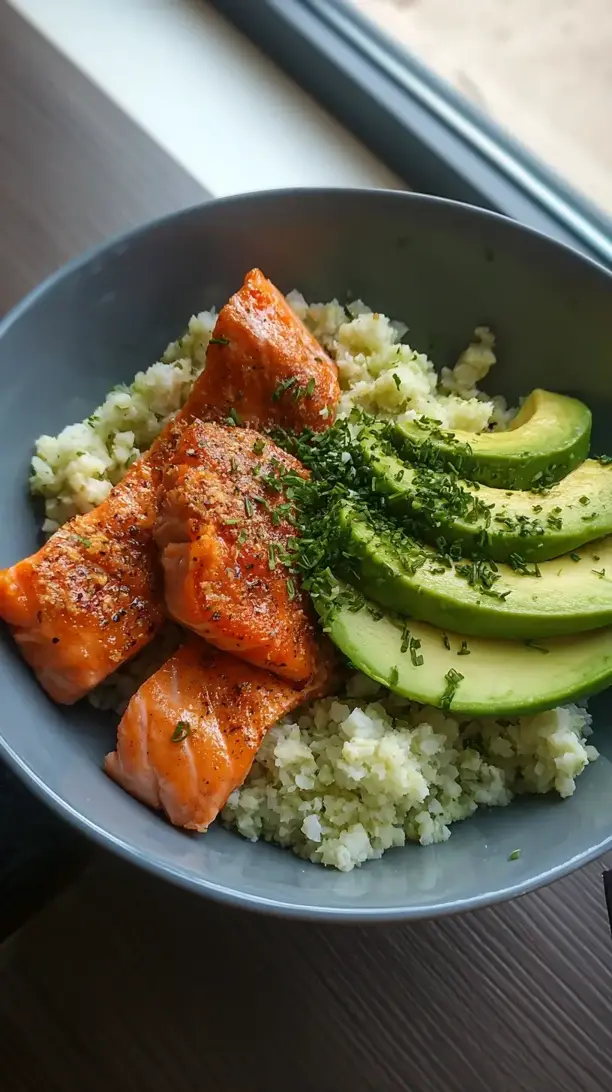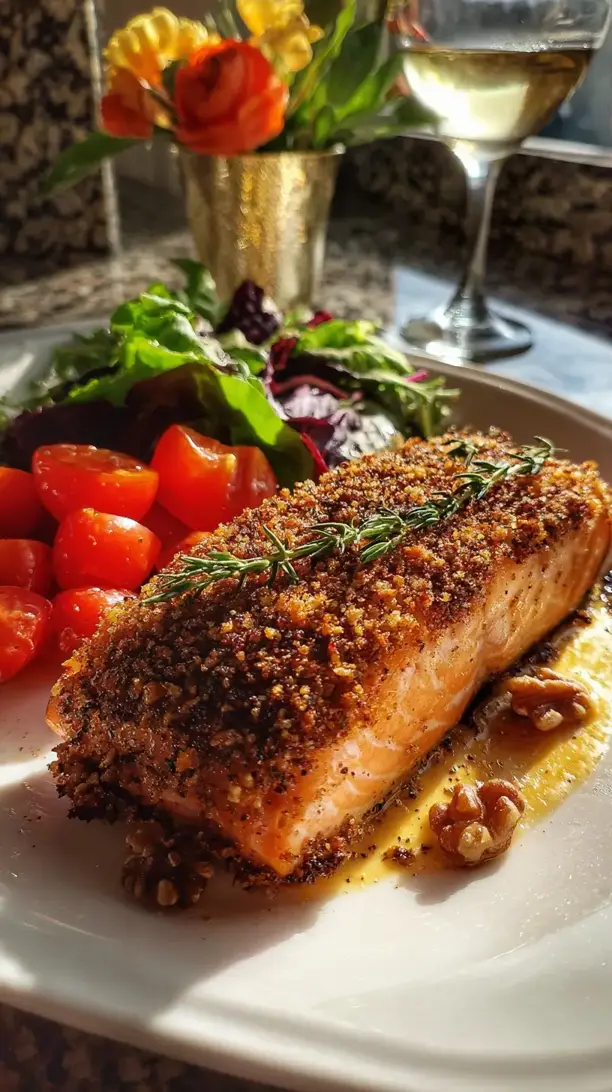

This Balsamic Glazed Salmon recipe delivers a sweet, tangy glaze over perfectly cooked fish in under 30 minutes. The glossy, caramelized coating and flaky texture make it an impressive yet simple meal. It’s a foolproof way to enjoy restaurant-quality Balsamic Glazed Salmon any night of the week.
Why You’ll Love This Balsamic Glazed Salmon
Fast & Foolproof: Ready in 20 minutes for a special, satisfying meal.
Complex Flavor: Sweet-tangy glaze clings beautifully without overpowering.
Versatile Main: Pairs wonderfully with many sides for any menu.
Restaurant Finish: Glossy, caramelized glaze and flaky fish impress every time.
Ingredients & Tools
- 4 salmon fillets (about 150-180 g each), skin-on or skinless
- 120 ml balsamic vinegar
- 2 tbsp honey
- 2 cloves garlic, minced
- 1 tbsp olive oil
- 1 tsp Dijon mustard
- 1/2 tsp dried thyme (or 1 tsp fresh)
- 1/4 tsp black pepper
- 1/2 tsp salt, plus more for seasoning
Tools: A large oven-safe skillet, small saucepan, whisk, and a spatula or fish turner.
Notes: Use a decent, moderately priced balsamic vinegar (avoid “balsamic dressing”). Skin-on salmon holds shape better, but skinless works well.
Nutrition (per serving)
| Calories: | 320 kcal |
| Protein: | 29 g |
| Fat: | 15 g |
| Carbs: | 14 g |
| Fiber: | 0 g |
Serves: 4 | Prep Time: 5 minutes | Cook Time: 15 minutes | Total Time: 20 minutes
Before You Start: Tips & Ingredient Notes
- Pat your salmon dry. This is a non-negotiable first step. Taking a paper towel and thoroughly drying the surface of the fillets will ensure you get a beautiful sear instead of a steam.
- Bring the salmon to room temperature. Let the fillets sit out for about 15 minutes before cooking. A cold piece of fish going into a hot pan will cook unevenly, leading to an overdone exterior and a cold center.
- Don’t skimp on the glaze reduction. The key to a perfect, sticky glaze is letting the balsamic mixture simmer until it’s thick enough to coat the back of a spoon. It will continue to thicken as it cools, so take it off the heat just before you think it’s ready.
- Use an oven-safe skillet. We start this recipe on the stovetop to sear the salmon, but finishing it in the oven is the secret to a perfectly cooked interior without burning the delicate glaze. A cast-iron or stainless steel skillet is ideal.
How to Make Balsamic Glazed Salmon
Step 1: First, preheat your oven to 200°C (400°F). This ensures it’s nice and hot when you’re ready to finish the salmon, which is crucial for even cooking. While the oven heats, take your salmon fillets and pat them completely dry with paper towels. Season both sides generously with the salt and black pepper. You’ll notice that a dry surface is key for that initial sear we’re after.
Step 2: Now, let’s make the glaze. In your small saucepan, combine the balsamic vinegar, honey, minced garlic, Dijon mustard, and dried thyme. Whisk it all together and place it over medium heat. Bring it to a simmer, then reduce the heat to low and let it bubble gently for about 8-10 minutes. You’re looking for it to reduce by about half and become syrupy. The trick is to stir occasionally and watch it closely—it should coat the back of a spoon nicely. Once it’s done, remove it from the heat.
Step 3: Time to cook the salmon. Place your oven-safe skillet over medium-high heat and add the olive oil. Once the oil is shimmering, carefully place the salmon fillets in the pan, presentation-side down. If they have skin, place them skin-side up. Sear them for just 2-3 minutes, until a golden-brown crust forms. You’ll hear a nice sizzle—that’s what you want!
Step 4: Flip the salmon fillets over. Now, generously brush the top and sides of each fillet with your prepared balsamic glaze. Be generous here—this is what creates that beautiful, glossy coating. Use about two-thirds of the glaze, as we’ll save the rest for serving.
Step 5: Immediately transfer the entire skillet to your preheated oven. Bake for 5-7 minutes. The exact time will depend on the thickness of your fillets. The salmon is done when it flakes easily with a fork but is still moist and vibrant in the center. Be careful not to overbake it, as the residual heat will continue to cook it even after it’s out of the oven.
Step 6: Using an oven mitt, carefully remove the hot skillet from the oven. Let the salmon rest in the pan for a minute—this allows the juices to redistribute. Then, transfer the glazed fillets to serving plates. Drizzle them with the remaining reserved glaze right before serving. The final touch of fresh glaze adds an extra hit of flavor and makes the dish look absolutely stunning.
Storage & Freshness Guide
- Fridge: Store leftovers in an airtight container for up to 2 days.
- Freezer: Freeze cooked salmon in a single layer, then transfer to a freezer bag for up to 1 month.
- Reviving: Reheat gently in a 300°F (150°C) oven until warm to preserve texture.
Serving Suggestions
Complementary Dishes
- Garlic Mashed Potatoes — The creamy, savory potatoes are a dreamy base that soaks up any extra glaze from the salmon, creating a perfect bite every time.
- Roasted Asparagus — Tossed with a little olive oil, salt, and pepper and roasted alongside the salmon, its slight bitterness balances the sweet glaze beautifully.
- Quinoa Pilaf with Herbs — A light, fluffy quinoa with chopped parsley and chives adds a fresh, textural element that doesn’t weigh down the meal.
Drinks
- A Crisp Sauvignon Blanc — Its bright acidity and citrus notes cut through the richness of the salmon and complement the tangy balsamic glaze perfectly.
- Sparkling Water with Lemon — For a non-alcoholic option, the effervescence and citrus cleanse the palate between each flavorful bite of the glazed fish.
- Light-Bodied Pinot Noir — A red wine with low tannins and red fruit flavors can stand up to the salmon’s richness without overpowering the dish.
Something Sweet
- Lemon Sorbet — The ultimate palate cleanser; its sharp, refreshing citrus flavor is the perfect, light ending after the savory-sweet main course.
- Dark Chocolate Truffles — Just one or two pieces of high-cocoa dark chocolate provide a rich, bittersweet finish that contrasts wonderfully with the meal.
- Almond Biscotti — Their subtle nuttiness and crunchy texture are lovely for dipping into a post-dinner coffee without being too heavy.
Top Mistakes to Avoid
- Mistake: Using a non-oven-safe pan. If you start the salmon on the stovetop in a regular pan, you can’t transfer it to the oven to finish cooking. This often leads to a burnt glaze and an undercooked center. I’ve learned this the hard way!
- Mistake: Not reducing the glaze enough. If your balsamic mixture is too thin, it will just run off the salmon and pool in the pan instead of creating that beautiful, sticky coating. Be patient and let it thicken properly.
- Mistake: Overcooking the salmon. Salmon continues to cook after it’s removed from the heat. Take it out of the oven when it’s just slightly under your desired doneness in the very center. It will be perfect after resting.
- Mistake: Skipping the rest time. Letting the salmon sit for a minute after baking allows the muscle fibers to relax and reabsorb their juices. If you cut into it immediately, all those flavorful juices will end up on the plate, not in your mouth.
Expert Tips
- Tip: Make a double batch of the glaze. It’s so good you’ll want extra for drizzling over the plated dish. Any leftover glaze can be stored in the fridge for a week and is fantastic on chicken, roasted vegetables, or even as a salad dressing base.
- Tip: Add a pat of butter at the end. After you take the glaze off the heat, whisk in a tablespoon of cold, unsalted butter. This adds a silky richness and a beautiful sheen to the sauce, making it even more luxurious.
- Tip: Use the broiler for a final finish. If you want an extra-caramelized top, switch your oven to broil for the last minute of cooking. Watch it like a hawk, though—it can go from perfectly glazed to burnt in seconds.
- Tip: Let the salmon come to room temperature. This small step is a game-changer for even cooking. Taking the chill off the fish ensures the center cooks at the same rate as the edges, preventing a rubbery exterior.
FAQs
Can I make the balsamic glaze ahead of time?
Absolutely, and it’s a great time-saver! You can prepare the glaze up to 5 days in advance. Simply let it cool completely, store it in an airtight container in the refrigerator, and gently reheat it on the stove or in the microwave before using. It will thicken when cold, so a quick warm-up will bring it back to a pourable, brushable consistency.
My glaze is too thin. How can I fix it?
Don’t worry, this is a common hiccup. Just return the glaze to the saucepan and continue simmering over low heat until it reduces further. If you’re in a real rush, you can create a quick slurry by mixing a teaspoon of cornstarch with a tablespoon of cold water and whisking it into the simmering glaze. It will thicken up almost instantly.
What’s the best way to know when the salmon is done?
The most reliable method is to use an instant-read thermometer. Insert it into the thickest part of the fillet; you’re aiming for an internal temperature of 52-54°C (125-130°F) for medium-rare, or 57°C (135°F) for medium. If you don’t have a thermometer, gently press the top of the fillet—it should feel firm but still have a little give, and flake apart easily.
Can I use a different type of fish?
You sure can! This glaze is wonderfully versatile. It works beautifully on firm, meaty fish like swordfish, halibut, or tuna steaks. Just be mindful of the cooking time, as thinner fillets like tilapia or cod will cook much faster and may not hold up to the high-heat searing and baking as well.
Is there a substitute for honey in the glaze?
Yes, if you prefer, you can use maple syrup, which will give a deeper, earthier sweetness. Brown sugar is another option—just dissolve it completely in the vinegar as it heats. Agave nectar also works well for a neutral sweetness. The goal is to balance the acidity of the balsamic, so any liquid sweetener will do the trick.
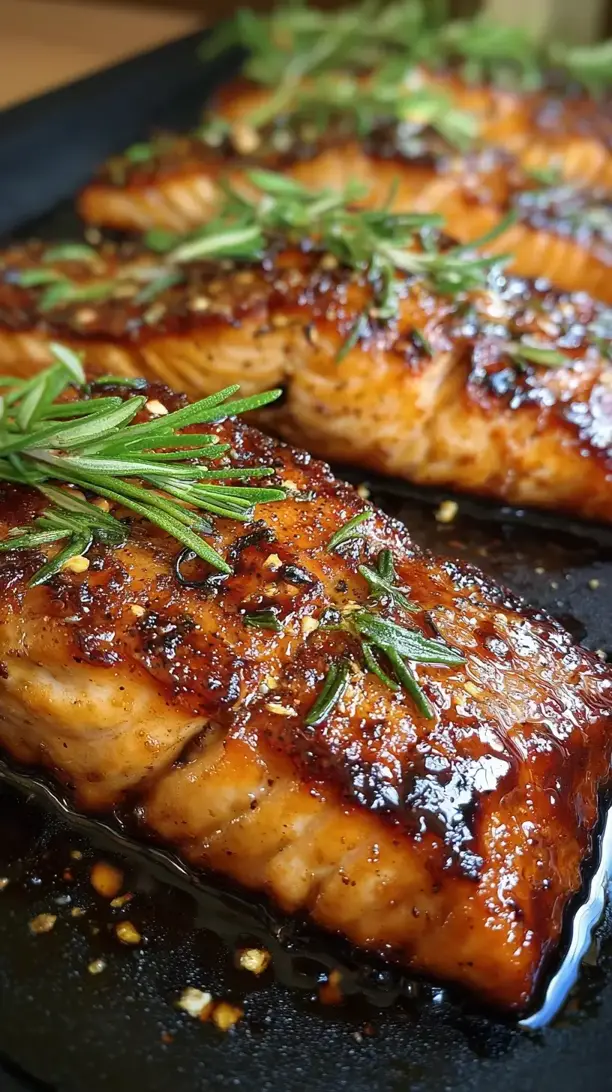
Balsamic Glazed Salmon
Make perfect Balsamic Glazed Salmon with a sticky, sweet-tangy glaze in just 20 minutes. This easy, impressive recipe is a foolproof weeknight winner. Get the recipe now!
Ingredients
For the Ingredients
-
4 salmon fillets (about 150-180 g each, skin-on or skinless)
-
120 ml balsamic vinegar
-
2 tbsp honey
-
2 cloves garlic (minced)
-
1 tbsp olive oil
-
1 tsp Dijon mustard
-
1 tsp dried thyme (or 1 tsp fresh)
-
1/4 tsp black pepper
-
1/2 tsp salt (plus more for seasoning)
Instructions
-
First, preheat your oven to 200°C (400°F). This ensures it’s nice and hot when you’re ready to finish the salmon, which is crucial for even cooking. While the oven heats, take your salmon fillets and pat them completely dry with paper towels. Season both sides generously with the salt and black pepper. You’ll notice that a dry surface is key for that initial sear we’re after.01
-
Now, let’s make the glaze. In your small saucepan, combine the balsamic vinegar, honey, minced garlic, Dijon mustard, and dried thyme. Whisk it all together and place it over medium heat. Bring it to a simmer, then reduce the heat to low and let it bubble gently for about 8-10 minutes. You’re looking for it to reduce by about half and become syrupy. The trick is to stir occasionally and watch it closely—it should coat the back of a spoon nicely. Once it’s done, remove it from the heat.02
-
Time to cook the salmon. Place your oven-safe skillet over medium-high heat and add the olive oil. Once the oil is shimmering, carefully place the salmon fillets in the pan, presentation-side down. If they have skin, place them skin-side up. Sear them for just 2-3 minutes, until a golden-brown crust forms. You’ll hear a nice sizzle—that’s what you want!03
-
Flip the salmon fillets over. Now, generously brush the top and sides of each fillet with your prepared balsamic glaze. Be generous here—this is what creates that beautiful, glossy coating. Use about two-thirds of the glaze, as we’ll save the rest for serving.04
-
Immediately transfer the entire skillet to your preheated oven. Bake for 5-7 minutes. The exact time will depend on the thickness of your fillets. The salmon is done when it flakes easily with a fork but is still moist and vibrant in the center. Be careful not to overbake it, as the residual heat will continue to cook it even after it’s out of the oven.05
-
Using an oven mitt, carefully remove the hot skillet from the oven. Let the salmon rest in the pan for a minute—this allows the juices to redistribute. Then, transfer the glazed fillets to serving plates. Drizzle them with the remaining reserved glaze right before serving. The final touch of fresh glaze adds an extra hit of flavor and makes the dish look absolutely stunning.06