
Why You’ll Love This Avocado Tuna Salad Cups
- Effortless elegance. They look far more impressive than the minimal effort required. Seriously, arranging these on a platter makes it seem like you’ve mastered the art of casual entertaining.
- Perfect texture harmony. You get the cool, creamy avocado hugging a zesty, chunky tuna salad. The combination is just so satisfying to eat—no boring, mushy textures here.
- Meal-prep superstar. You can mix the tuna salad ahead of time, and then just assemble when hunger strikes. It makes for a fantastic, grab-and-go lunch that actually feels special.
- Endlessly customizable. Not a fan of celery? Swap in cucumber. Want more heat? Add a diced jalapeño. This recipe is a wonderful template for your own creations.
Ingredients & Tools
- 2 large, ripe avocados
- 2 cans (5 oz each) solid white tuna in water, drained well
- 1/4 cup plain Greek yogurt or mayonnaise
- 1/4 cup finely diced red onion
- 1/4 cup finely diced celery
- 2 tablespoons fresh lemon juice, divided
- 1 tablespoon chopped fresh dill or parsley
- 1/2 teaspoon Dijon mustard
- 1/4 teaspoon garlic powder
- Salt and black pepper to taste
- Optional: pinch of red pepper flakes, capers, or chopped pickles
Tools: A medium mixing bowl, a fork, a small knife, and a spoon.
The quality of your tuna really matters here—I prefer solid white tuna packed in water for the best flaky texture. And that fresh lemon juice? It’s non-negotiable. It not only flavors the salad but also keeps the avocados from browning too quickly, which is a little trick I swear by.
Nutrition (per serving)
- Calories: 285 kcal
- Protein: 18 g
- Fat: 20 g
- Carbohydrates: 10 g
- Fiber: 7 g
Serves: 4 | Prep Time: 15 minutes | Cook Time: 0 minutes | Total Time: 15 minutes
Before You Start: Tips & Ingredient Notes
- Choosing your avocados. You want them ripe but firm. Give them a gentle squeeze—they should yield slightly but not feel mushy. If they’re too soft, they’ll be difficult to fill neatly.
- Drain that tuna thoroughly. This is crucial! Excess water will make your salad soggy. I like to press the drained tuna gently with a paper towel to get out every last drop.
- Dice everything small and evenly. You want all the components—the onion, the celery—to be a similar small dice. This ensures you get a bit of everything in each bite and makes the texture of the salad much more cohesive.
- Taste as you go. Before you fill the avocado cups, taste your tuna salad and adjust the seasoning. Does it need more salt? A extra squeeze of lemon? This is your moment to make it perfect.
How to Make Avocado Tuna Salad Cups
Step 1: First, let’s get the star of the show ready. Carefully slice your avocados in half lengthwise and remove the pits. If you want to make them extra stable on the plate, you can slice a tiny bit off the curved bottom of each avocado half—just enough to create a flat base so they don’t wobble. Run a spoon gently around the edge between the flesh and the skin to loosen it, but leave the salad in its skin; it makes the perfect natural cup.
Step 2: Now, grab your medium mixing bowl and add the drained tuna. Use a fork to flake it apart—you’re looking for a nice, shredded texture, not big clumps. This is where you’ll really start to build the body of your salad. You’ll notice that flaking it well helps it absorb the other flavors more evenly.
Step 3: Time for the mix-ins. Add the Greek yogurt (or mayo), diced red onion, diced celery, one tablespoon of the lemon juice, fresh dill, Dijon mustard, and garlic powder to the bowl with the tuna. Now, get in there with your fork and mix everything together until it’s well-combined. The mixture should be cohesive but still have plenty of texture from the veggies.
Step 4: This is the most important step: seasoning. Add a good pinch of salt and a few cracks of black pepper. Mix again and taste. This is your chance to adjust. Does it need more tang? Add the remaining lemon juice. More sharpness? A bit more mustard. You want the salad to be boldly flavored because the mild avocado will mellow it out slightly.
Step 5: Drizzle the remaining tablespoon of lemon juice over the flesh of the avocado halves. This little acid bath does two things: it adds a lovely brightness and, crucially, it slows down the oxidation process that turns avocados brown. It’s a simple step that makes a huge difference in presentation.
Step 6: Finally, the assembly! Spoon the tuna salad generously into the avocado cups, mounding it up slightly. Don’t be shy—you want a nice, hearty portion. You can garnish with an extra sprinkle of fresh dill, a twist of black pepper, or even those optional red pepper flakes for a bit of color and heat. And that’s it—you’re done!
Serving Suggestions
Complementary Dishes
- A simple arugula salad with a lemon vinaigrette — The peppery arugula and sharp dressing cut through the richness of the avocado and tuna beautifully, creating a perfectly balanced plate.
- Roasted cherry tomatoes on the vine — Their sweet, concentrated burst of flavor provides a warm, juicy contrast to the cool, creamy cups.
- A crusty baguette or seeded crackers — For those who want a little something extra to scoop up any stray bits of the delicious tuna salad.
Drinks
- A crisp Sauvignon Blanc or Pinot Grigio — The high acidity and citrus notes in these wines are a fantastic partner for the creamy, savory flavors of the dish.
- Sparkling water with lemon and mint — A non-alcoholic option that cleanses the palate between bites and feels incredibly refreshing.
- Iced green tea — Its slight bitterness and clean finish complement the meal without overpowering the delicate flavors of the tuna and avocado.
Something Sweet
- Lemon sorbet — It’s the ultimate palate cleanser. The bright, tart finish is the perfect way to end a meal that started with these zesty cups.
- A few squares of dark chocolate with sea salt — The bitterness of the chocolate and the crunch of salt provide a simple, sophisticated, and satisfying end note.
- Fresh berries with a dollop of whipped cream — Light, fresh, and not too heavy, this dessert keeps the feeling of the meal light and vibrant.
Top Mistakes to Avoid
- Using watery tuna. If you don’t drain the tuna thoroughly, you’ll end up with a sad, soupy salad that will make the avocado cups soggy and dilute all the lovely flavors you’ve worked to build.
- Over-mixing the salad. You want to combine the ingredients just until they’re incorporated. If you mash and stir too aggressively, the tuna will become pasty and lose its appealing flaky texture.
- Assembling too far in advance. While you can make the tuna salad ahead, only assemble the cups right before serving. Otherwise, the avocados will oxidize and turn brown, and the cups can become soggy.
- Underseasoning the tuna mixture. Remember, the bland avocado will mute the seasoning a bit. Your tuna salad should taste a little *too* seasoned on its own—that’s how you know it will be perfect once paired with the avocado.
Expert Tips
- Tip: For an extra flavor boost, add a tablespoon of finely chopped capers or cornichons to the tuna salad. They introduce a lovely briny, salty punch that cuts through the richness.
- Tip: If you’re using Greek yogurt, let it come to room temperature for about 10 minutes before mixing. Cold yogurt straight from the fridge can sometimes cause the mixture to seize up a bit, making it harder to blend smoothly.
- Tip: To make this a heartier meal, serve the cups on a bed of mixed greens or quinoa. It turns the appetizer into a full, satisfying lunch that’s packed with protein and healthy fats.
- Tip: If you only have hard, unripe avocados, you can speed up the ripening process by placing them in a brown paper bag with a banana or an apple for a day or two. The ethylene gas they release works wonders.
FAQs
Can I make the tuna salad ahead of time?
Absolutely, and it’s a great meal-prep strategy! The tuna salad will keep beautifully in an airtight container in the refrigerator for up to 2 days. The flavors actually meld and improve over time. Just give it a quick stir before you spoon it into your freshly prepared avocado cups. I wouldn’t recommend keeping the assembled cups for more than an hour or two, as the avocado will start to discolor and soften.
What’s the best substitute for Greek yogurt or mayo?
If you’re avoiding dairy or eggs, mashed avocado itself can be a binder! It makes the salad extra creamy and rich. Hummus is another fantastic option—it adds a lovely savory, earthy depth. Just start with a smaller amount, maybe two tablespoons, and add more until you reach your desired consistency.
My avocados turned brown after assembling. What did I do wrong?
The lemon juice is your best defense, but it only slows the process; it doesn’t stop it completely. Browning is natural and happens when the flesh is exposed to air. The key is to assemble as close to serving as possible. If you see a little browning, you can often scrape the very top surface off gently with a spoon—the avocado underneath is usually still perfectly green and tasty.
Can I use a different type of canned fish?
Of course! Canned salmon works wonderfully here, and it gives you a great omega-3 boost. Flaked, cooked chicken breast is another excellent alternative if you’re not in the mood for fish. The method and the other ingredients remain exactly the same, so feel free to get creative with your protein.
How do I know if an avocado is perfectly ripe?
Gently press the stem end (the narrower tip). If it yields to firm, gentle pressure, it’s ready. If it’s rock hard, it needs a few days. If it feels mushy or the skin is sunken, it’s overripe. Another trick is to pop the small stem cap off—if it comes away easily and you see green underneath, it’s good to go. If it’s brown, it’s likely past its prime.
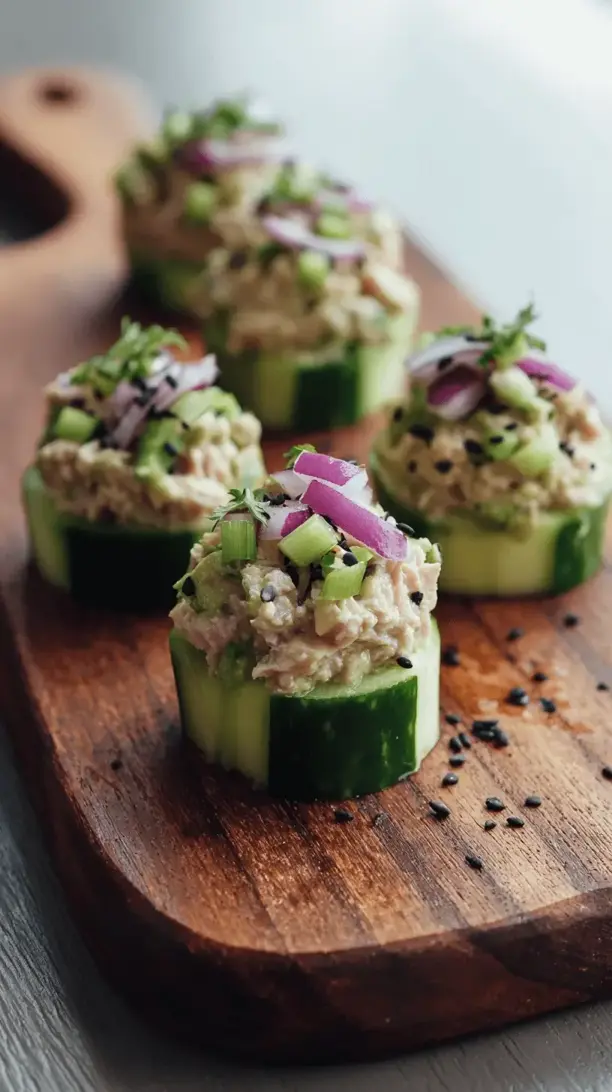
Avocado Tuna Salad Cups
Make easy and elegant Avocado Tuna Salad Cups in 15 minutes! A healthy, no-cook lunch or appetizer. Get the simple recipe and enjoy!
Ingredients
For the Avocado Tuna Salad Cups
-
2 large, ripe avocados
-
2 cans solid white tuna in water (5 oz each, drained well)
-
1/4 cup plain Greek yogurt or mayonnaise
-
1/4 cup finely diced red onion
-
1/4 cup finely diced celery
-
2 tablespoons fresh lemon juice (divided)
-
1 tablespoon chopped fresh dill or parsley
-
1/2 teaspoon Dijon mustard
-
1/4 teaspoon garlic powder
-
Salt and black pepper (to taste)
-
Optional: pinch of red pepper flakes, capers, or chopped pickles
Instructions
-
First, let's get the star of the show ready. Carefully slice your avocados in half lengthwise and remove the pits. If you want to make them extra stable on the plate, you can slice a tiny bit off the curved bottom of each avocado half—just enough to create a flat base so they don't wobble. Run a spoon gently around the edge between the flesh and the skin to loosen it, but leave the salad in its skin; it makes the perfect natural cup.01
-
Now, grab your medium mixing bowl and add the drained tuna. Use a fork to flake it apart—you're looking for a nice, shredded texture, not big clumps. This is where you'll really start to build the body of your salad. You'll notice that flaking it well helps it absorb the other flavors more evenly.02
-
Time for the mix-ins. Add the Greek yogurt (or mayo), diced red onion, diced celery, one tablespoon of the lemon juice, fresh dill, Dijon mustard, and garlic powder to the bowl with the tuna. Now, get in there with your fork and mix everything together until it's well-combined. The mixture should be cohesive but still have plenty of texture from the veggies.03
-
This is the most important step: seasoning. Add a good pinch of salt and a few cracks of black pepper. Mix again and taste. This is your chance to adjust. Does it need more tang? Add the remaining lemon juice. More sharpness? A bit more mustard. You want the salad to be boldly flavored because the mild avocado will mellow it out slightly.04
-
Drizzle the remaining tablespoon of lemon juice over the flesh of the avocado halves. This little acid bath does two things: it adds a lovely brightness and, crucially, it slows down the oxidation process that turns avocados brown. It's a simple step that makes a huge difference in presentation.05
-
Finally, the assembly! Spoon the tuna salad generously into the avocado cups, mounding it up slightly. Don't be shy—you want a nice, hearty portion. You can garnish with an extra sprinkle of fresh dill, a twist of black pepper, or even those optional red pepper flakes for a bit of color and heat. And that's it—you're done!06