
Why You’ll Love This Avocado Toast with Poached Egg
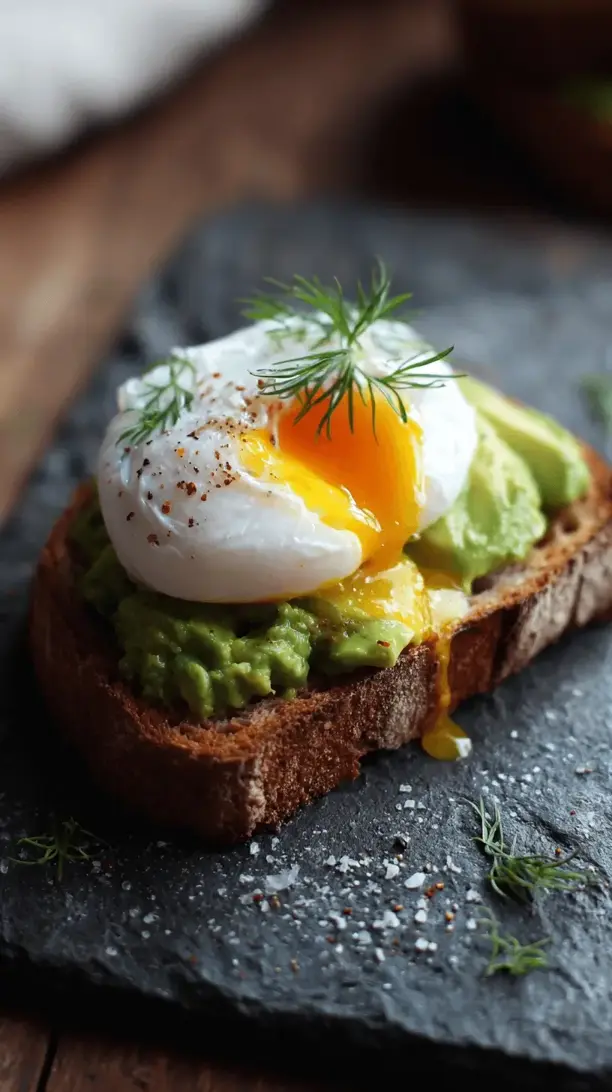
- It’s a textural dream. You get the satisfying crunch of the toast, the impossibly creamy avocado, and the silky, runny yolk all in one forkful. It’s a symphony of contrasts that just… works.
- It’s endlessly customizable. Think of this recipe as your perfect base camp. From here, you can add a sprinkle of chili flakes, a drizzle of hot honey, or a handful of microgreens. It’s your canvas for culinary creativity.
- It feels fancy but is surprisingly approachable. I know poaching an egg can seem intimidating, but I’ve got a little trick that makes it practically foolproof. You’ll feel like a brunch-time pro without the stress.
- It’s packed with staying power. Unlike a sugary pastry that leaves you crashing an hour later, the combination of healthy fats, protein, and complex carbs here will keep you satisfied and energized for hours.
Ingredients & Tools
- 2 slices of a sturdy, artisanal bread (sourdough or a thick-cut multigrain are my favorites)
- 1 large, ripe avocado
- 2 fresh, large eggs (as fresh as you can find—this is key for poaching!)
- 1 tablespoon white vinegar or apple cider vinegar
- 1 small lime or lemon
- 1 clove garlic, halved (optional, but highly recommended)
- Salt and freshly cracked black pepper to taste
- A pinch of red pepper flakes (optional)
- A drizzle of extra-virgin olive oil or hot sauce for serving
Tools: A medium saucepan, a slotted spoon, a small bowl, a fork, a toaster or grill pan, and a small fine-mesh sieve (this last one is a game-changer!).
The quality of your ingredients really shines here, so don’t skimp. That beautiful, crusty bread makes all the difference, and a truly ripe avocado—yielding gently to pressure—is non-negotiable for that dreamy texture.
Serves: 1 | Prep Time: 10 minutes | Cook Time: 10 minutes | Total Time: 20 minutes
Before You Start: Tips & Ingredient Notes
- Avocado Ripeness is Everything. You want an avocado that gives slightly when you press it gently. If it’s rock hard, it’s not ready. If it’s mushy, it’s overripe. That perfect, buttery stage is what we’re after.
- Why the vinegar? Adding a splash of vinegar to the poaching water helps the egg whites coagulate faster, resulting in a much tidier poached egg with less wispy white trailing everywhere. It’s a small step with a big impact.
- Bread Choice Matters. A thin, flimsy slice of sandwich bread will get soggy instantly. You need a sturdy, substantial bread that can hold up to the creamy avocado and runny yolk without collapsing. A good, thick sourdough is my top pick.
- Don’t Fear the Poach. Honestly, the biggest hurdle is often mental. Follow the steps closely, and you’ll see it’s not nearly as tricky as it seems. The sieve trick I’ll share is your secret weapon for a perfect shape.
How to Make Avocado Toast with Poached Egg
Step 1: Prepare Your Poaching Station. Fill your medium saucepan about two-thirds full with water. Add the tablespoon of vinegar and bring it to a gentle simmer over medium heat. You’re looking for small bubbles rising to the surface, not a rolling boil. A violent boil will tear your delicate egg apart. While that heats up, crack one egg into a small fine-mesh sieve set over a bowl. This strains out the loosest, watery part of the egg white, which is what creates those messy wisps. You’ll be left with a much tighter, neater egg. Then, gently transfer the strained egg to a small ramekin or cup. Repeat with the second egg.
Step 2: Poach the Eggs. Once your water is at a steady simmer, use a spoon to create a gentle whirlpool in the center of the pot. This helps the egg white wrap around the yolk. Slowly slide the first egg from the ramekin into the center of the whirlpool. Let it cook for about 3 to 4 minutes for a firm white and a gloriously runny yolk. You can gently nudge the egg with the slotted spoon to make sure it’s not sticking to the bottom. Repeat with the second egg, though you might not need another whirlpool—just slide it in gently.
Step 3: Toast & Rub. While the eggs are poaching, toast your bread until it’s golden brown and crisp. Immediately after it pops up, take the halved garlic clove and rub it vigorously over the hot surface of the toast. The heat will release the garlic’s oils and perfume the bread with a subtle, aromatic flavor that’s just incredible. Don’t skip this!
Step 4: Smash the Avocado. Scoop the avocado flesh into a bowl. Add a big squeeze of lime or lemon juice (this adds brightness and prevents browning), a generous pinch of salt, and some black pepper. Use a fork to mash it to your desired consistency—I like it a bit chunky for texture. Taste and adjust the seasoning. It should taste delicious on its own.
Step 5: Assemble with Care. Divide the smashed avocado evenly between your two garlic-rubbed toasts, spreading it right to the edges. By now, your eggs should be perfectly poached. Use the slotted spoon to carefully lift them out of the water, allowing any excess water to drain off. Gently place one egg on top of each avocado-slathered toast.
Step 6: The Final Flourish. Finish with another crack of black pepper, a pinch of red pepper flakes for a little heat if you like, and a final drizzle of good olive oil or your favorite hot sauce. Serve immediately—this is a dish that demands to be eaten the second it’s ready.
Serving Suggestions
Complementary Dishes
- A simple arugula salad — The peppery bite of arugula dressed lightly in lemon vinaigrette provides a fresh, crisp contrast to the rich, creamy toast.
- Oven-roasted cherry tomatoes — Their sweet, concentrated burst of flavor alongside the toast is a classic and wonderful combination.
- Crispy prosciutto or bacon — For a truly decadent treat, a few shards of salty, crispy meat add a wonderful savory crunch.
Drinks
- A freshly squeezed grapefruit juice — The bitterness and acidity cut through the richness of the egg and avocado beautifully.
- A dry sparkling wine or Prosecco — If you’re going for a celebratory brunch, the bubbles are a perfect palate-cleanser.
- A strong, black coffee — Sometimes, the simple, robust pairing is the best one. It just feels right.
Something Sweet
- Fresh berries with a dollop of Greek yogurt — Something light and fruity is the ideal way to round out the meal without feeling overly heavy.
- A warm, flaky almond croissant — Embrace the brunch vibe fully with a buttery, sweet pastry to share.
- Dark chocolate-covered orange slices — A few pieces of this provide a sophisticated, bittersweet ending that feels just right.
Top Mistakes to Avoid
- Mistake: Using stale bread. This is the foundation of your dish! Stale bread won’t have the necessary structural integrity or satisfying crunch. Always use fresh, good-quality bread.
- Mistake: Adding salt to the avocado too early. If you salt the avocado and then let it sit for a while before assembling, it can draw out moisture and make the mash watery. Mash and season it right before you’re ready to assemble.
- Mistake: Boiling the poaching water too vigorously. I’ve messed this up before too—a raging boil will shred the egg white and overcook the yolk. A gentle, steady simmer is your best friend here.
- Mistake: Over-poaching the egg. You’re aiming for a runny yolk. Set a timer for 3-4 minutes and trust it. An overcooked, hard yolk defeats the purpose of this glorious dish.
Expert Tips
- Tip: The sieve is your secret weapon. Straining the egg before poaching is the single best tip for a restaurant-quality poached egg. It removes the watery albumin that causes feathering, giving you a compact, beautiful orb every time.
- Tip: Poach eggs ahead for a crowd. You can poach eggs up to a day in advance! After poaching, transfer them to a bowl of ice water to stop the cooking process. Store them in the fridge in the water. To reheat, just slip them into hot (not simmering) water for about a minute.
- Tip: Get creative with toppings. Once you’ve mastered the base, play around! Everything Bagel seasoning, crumbled feta, pickled red onions, or a sprinkle of smoked paprika can completely transform the flavor profile.
- Tip: Warm your plates. This is a small touch that makes a big difference, especially if you’re serving guests. A warm plate will keep your toast crisp and your egg warm for longer.
FAQs
My egg white is all wispy and spread out. What did I do wrong?
This usually happens for one of two reasons: the egg wasn’t fresh enough, or the water wasn’t simmering gently. Very fresh eggs have tighter, thicker whites that hold their shape better. If your eggs are a bit older, the sieve trick becomes even more critical. Also, double-check that your water is at a true simmer—lots of tiny bubbles, not big, rolling ones—before adding the egg.
Can I make this vegan?
Absolutely! For a fantastic vegan version, skip the poached egg. Mash your avocado as directed, and then consider adding a protein element like seasoned chickpeas, crumbled firm tofu sautéed with turmeric (for a yellow color), or a dollop of vegan pesto. You still get that wonderful creaminess and heartiness without any animal products.
How do I know if my avocado is perfectly ripe?
Go by feel, not by color. Gently press the stem end (the narrower part) of the avocado. It should yield to firm, gentle pressure, feeling slightly soft but not mushy. If the stem cap flicks off easily and you see green underneath, that’s another good sign. If it’s brown underneath, it’s likely overripe.
What’s the best way to reheat a poached egg?
Reheating a poached egg directly can easily overcook it. The best method is to bring a pot of water to a simmer, turn off the heat, and then gently lower the cold poached egg (straight from the fridge) into the hot water using a slotted spoon. Let it sit for about 60-90 seconds just to warm through. Any longer and the yolk will start to set.
My avocado always turns brown before I finish eating. How can I prevent this?
The lime or lemon juice in the mash is your first defense! The acid slows down the oxidation process. For extra insurance, you can store any leftover mashed avocado in an airtight container with a piece of plastic wrap pressed directly onto its surface to limit air exposure. But honestly, this dish is so delicious, it rarely lasts long enough to brown!
Avocado Toast With Poached Egg
Mike's foolproof Avocado Toast with Poached Egg recipe! Learn the secret to a perfect runny yolk & creamy avocado on crunchy sourdough. A simple, nourishing breakfast that feels indulgent.
Ingredients
Ingredients
-
2 slices sturdy, artisanal bread (sourdough or a thick-cut multigrain are my favorites)
-
1 large avocado (ripe)
-
2 large eggs (fresh, as fresh as you can find—this is key for poaching!)
-
1 tablespoon white vinegar or apple cider vinegar
-
1 small lime or lemon
-
1 clove garlic (halved (optional, but highly recommended))
-
salt and freshly cracked black pepper (to taste)
-
1 pinch red pepper flakes (optional)
-
drizzle extra-virgin olive oil or hot sauce (for serving)
Instructions
-
Prepare Your Poaching Station. Fill your medium saucepan about two-thirds full with water. Add the tablespoon of vinegar and bring it to a gentle simmer over medium heat. You're looking for small bubbles rising to the surface, not a rolling boil. A violent boil will tear your delicate egg apart. While that heats up, crack one egg into a small fine-mesh sieve set over a bowl. This strains out the loosest, watery part of the egg white, which is what creates those messy wisps. You'll be left with a much tighter, neater egg. Then, gently transfer the strained egg to a small ramekin or cup. Repeat with the second egg.01
-
Poach the Eggs. Once your water is at a steady simmer, use a spoon to create a gentle whirlpool in the center of the pot. This helps the egg white wrap around the yolk. Slowly slide the first egg from the ramekin into the center of the whirlpool. Let it cook for about 3 to 4 minutes for a firm white and a gloriously runny yolk. You can gently nudge the egg with the slotted spoon to make sure it's not sticking to the bottom. Repeat with the second egg, though you might not need another whirlpool—just slide it in gently.02
-
Toast & Rub. While the eggs are poaching, toast your bread until it's golden brown and crisp. Immediately after it pops up, take the halved garlic clove and rub it vigorously over the hot surface of the toast. The heat will release the garlic's oils and perfume the bread with a subtle, aromatic flavor that's just incredible. Don't skip this!03
-
Smash the Avocado. Scoop the avocado flesh into a bowl. Add a big squeeze of lime or lemon juice (this adds brightness and prevents browning), a generous pinch of salt, and some black pepper. Use a fork to mash it to your desired consistency—I like it a bit chunky for texture. Taste and adjust the seasoning. It should taste delicious on its own.04
-
Assemble with Care. Divide the smashed avocado evenly between your two garlic-rubbed toasts, spreading it right to the edges. By now, your eggs should be perfectly poached. Use the slotted spoon to carefully lift them out of the water, allowing any excess water to drain off. Gently place one egg on top of each avocado-slathered toast.05
-
The Final Flourish. Finish with another crack of black pepper, a pinch of red pepper flakes for a little heat if you like, and a final drizzle of good olive oil or your favorite hot sauce. Serve immediately—this is a dish that demands to be eaten the second it's ready.06