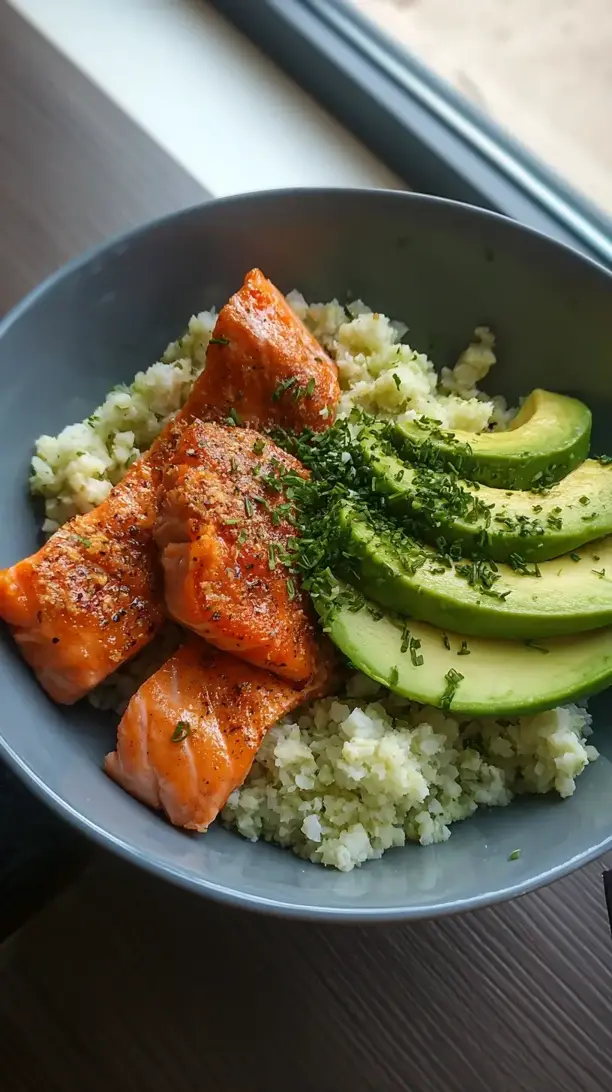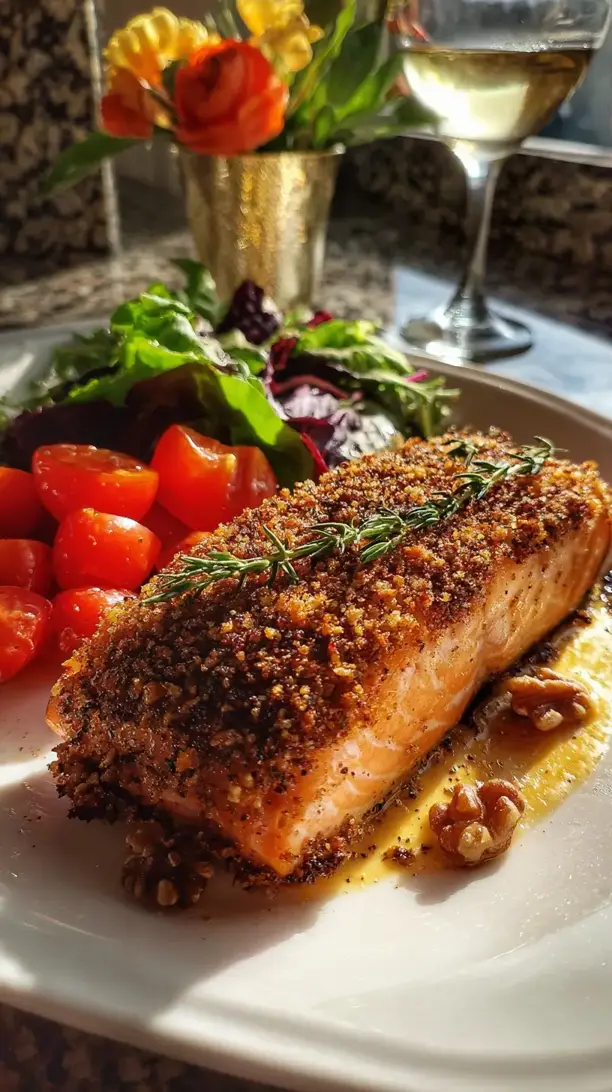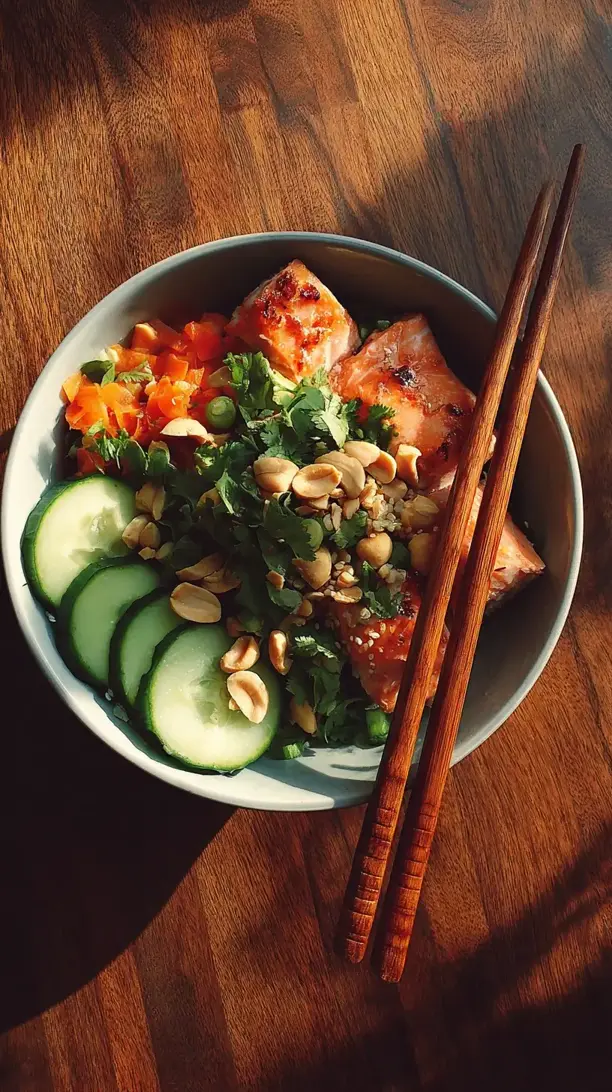

These Asian Salmon Rice Bowls deliver a complete, restaurant-worthy meal at home. The sweet-savory glaze caramelizes on the salmon, served over fluffy rice with crisp veggies. It’s a vibrant, fuss-free dish perfect for weeknights or meal prep.
Why You’ll Love This Asian Salmon Rice Bowls
- Versatile & Customizable: Swap veggies, sauce, or grains to use what you have.
- Magic Marinade: Creates a sticky-sweet, umami crust that caramelizes beautifully.
- Meal Prep Friendly: Components keep well for quick assembly all week.
- Feast for Senses: Vibrant colors and varied textures make every bite exciting.
Ingredients & Tools
- 2 salmon fillets (about 150 g each), skin on or off
- 3 tbsp soy sauce (or tamari for gluten-free)
- 2 tbsp honey or maple syrup
- 1 tbsp rice vinegar
- 2 tsp sesame oil
- 2 cloves garlic, minced
- 1 tsp fresh ginger, grated
- 1 cup uncooked jasmine or sushi rice
- 1 large cucumber, thinly sliced or spiralized
- 2 medium carrots, julienned or grated
- 4 radishes, thinly sliced
- 2 spring onions, finely sliced
- 1 tbsp sesame seeds, for garnish
- Optional extras: sliced avocado, edamame, pickled ginger, nori strips
Tools: Baking sheet, small bowl, rice cooker or saucepan, mixing bowls
Notes: Using good-quality soy sauce and fresh ginger makes a difference. Don’t skip the sesame oil—it adds a nutty aroma that ties everything together.
Nutrition (per serving)
| Calories: | 520 kcal |
| Protein: | 32 g |
| Fat: | 18 g |
| Carbs: | 58 g |
| Fiber: | 4 g |
Serves: 2 | Prep Time: 20 minutes | Cook Time: 15 minutes | Total Time: 35 minutes
Before You Start: Tips & Ingredient Notes
- What kind of salmon works best? I prefer skin-on, center-cut fillets for even cooking and that lovely crispy skin. But skinless works perfectly fine too—just reduce the cooking time by a minute or two.
- Can I use frozen salmon? Absolutely. Just make sure it’s fully thawed in the fridge overnight. Pat it very dry with paper towels before marinating so the glaze sticks properly.
- Don’t have jasmine rice? Any short or medium-grain white rice will work. Brown rice is great for extra fiber, but it will change the cooking time and texture slightly.
- Is the marinade too sweet or too salty? Taste it before you pour it over the salmon! You can always adjust—a little more honey for sweetness, a splash of water or vinegar to tame the saltiness. It’s your bowl, after all.
- Prepping the veggies ahead. You can slice the cucumber, carrots, and radishes up to two days in advance. Store them in separate airtight containers in the fridge to keep them crisp.
How to Make Asian Salmon Rice Bowls
Step 1: Start by cooking your rice according to package instructions. While it’s cooking, you can get everything else ready. Fluff the finished rice with a fork and let it sit, covered, to stay warm. Good rice is the foundation of a great bowl—you want it light and separate, not gummy.
Step 2: In a small bowl, whisk together the soy sauce, honey, rice vinegar, sesame oil, minced garlic, and grated ginger. This is your marinade and glaze. You’ll notice it smells incredible already—that’s the garlic and ginger working their magic. Set aside about two tablespoons of this mixture in a separate small bowl; you’ll use this later for drizzling over the finished bowls.
Step 3: Place the salmon fillets in a shallow dish and pour the remaining marinade over them, turning to coat. Let them marinate for at least 10 minutes at room temperature. Don’t go much longer than 30 minutes, though, or the acid in the vinegar can start to “cook” the surface of the fish.
Step 4: Preheat your oven to 200°C (400°F) and line a baking sheet with parchment paper. Place the marinated salmon fillets on the sheet, skin-side down if they have skin. Reserve any marinade left in the dish—you’ll use it for basting.
Step 5: Bake the salmon for 12–15 minutes, depending on thickness. About halfway through, brush the fillets with the reserved marinade from the dish. The salmon is done when it flakes easily with a fork and the glaze is sticky and caramelized at the edges. You might see a little white protein (albumin) seep out—that’s totally normal and a sign it’s cooked through.
Step 6: While the salmon bakes, prepare your veggie toppings. Slice the cucumber, julienne the carrots, thinly slice the radishes, and chop the spring onions. Arranging them in little piles makes the final assembly feel like a fun, creative process.
Step 7: Time to build your bowls! Divide the warm rice between two bowls. Flake the baked salmon into large chunks and place it on top of the rice. Artfully arrange the cucumber, carrots, and radishes around the salmon. Drizzle everything with the reserved clean marinade you set aside earlier.
Step 8: Finish with a generous sprinkle of sliced spring onions and sesame seeds. If you’re using any optional extras like avocado or edamame, now’s the time to add them. Serve immediately while the salmon is still warm and the rice is fluffy.
Storage & Freshness Guide
- Fridge: Store components separately in airtight containers for up to 3 days.
- Freezer: Freeze cooked salmon and rice for up to 1 month; thaw in fridge before reheating.
- Reviving: Reheat salmon and rice gently; add fresh cold veggies when assembling.
Serving Suggestions
Complementary Dishes
- Simple miso soup — A warm, savory broth to start the meal feels traditional and soothing.
- Quick-pickled vegetables — A tangy, crunchy side like pickled red onions or carrots cuts through the richness of the salmon.
- Steamed gai lan or broccoli — Some simple greens on the side make the meal feel even more balanced and vibrant.
Drinks
- Iced green tea with lemon — Its clean, slightly bitter notes are a fantastic palate cleanser between bites.
- Cold, crisp lager or a dry Riesling — The beer’s carbonation or the wine’s acidity pairs wonderfully with the sweet and savory glaze.
- Sparkling water with a slice of lime — Sometimes you just need something bubbly and neutral to let the flavors of the bowl shine.
Something Sweet
- Mango and sticky rice — It continues the Asian theme and offers a lovely, creamy, sweet finish.
- Green tea ice cream — The slight bitterness of matcha is a perfect counterpoint to the sweet elements in your meal.
- Lychee sorbet — Light, floral, and refreshing—it’s like a cool breeze after a flavorful dinner.
Top Mistakes to Avoid
- Overcooking the salmon. This is the biggest one. Salmon continues to cook after you take it out of the oven, so pull it out when it’s just slightly under your desired doneness in the center. Overcooked salmon becomes dry and chalky.
- Using the same marinade for basting and drizzling. The marinade that touched the raw fish should not be used as a final sauce unless boiled. That’s why we set some aside at the beginning—it’s a simple step for food safety.
- Skipping the step of patting the salmon dry. If the salmon is wet, the marinade won’t stick as well, and you won’t get that beautiful, caramelized glaze. A little pat-down makes a big difference.
- Using old, clumpy ginger. Fresh ginger has a zesty, bright flavor, while old ginger can be fibrous and bland. If your ginger root is wrinkly and soft, it’s time for a new one.
Expert Tips
- Tip: For super-crispy salmon skin, start it skin-side down in a hot oven-safe skillet on the stovetop for 2-3 minutes before transferring the entire skillet to the oven to finish cooking. This renders the fat and makes the skin shatteringly crisp.
- Tip: Let the salmon rest for 5 minutes after baking before you flake it. This allows the juices to redistribute throughout the fillet, resulting in a more moist and flavorful final product.
- Tip: Add a teaspoon of gochujang (Korean chili paste) to the marinade if you like a little heat. It adds a deep, complex spice that’s just incredible.
- Tip: To get perfect, fluffy rice every time, rinse it under cold water until the water runs clear before cooking. This removes excess surface starch that causes gumminess.
- Tip: If you’re meal prepping, store the components separately and assemble the bowls just before eating. This keeps the veggies crisp and prevents the rice from getting soggy.
FAQs
Can I make this with a different protein?
Absolutely! The marinade is fantastic on chicken thighs, firm tofu, or even shrimp. Just adjust the cooking time accordingly. For tofu, press it well first to soak up the marinade. For chicken, you might want to bake it for 25-30 minutes until the internal temperature reaches 75°C (165°F).
How long do the leftovers keep?
Assembled bowls are best eaten immediately. For meal prep, store the components separately in airtight containers in the fridge for up to 3 days. The salmon and rice reheat well, but the fresh veggies are best kept cold and added fresh when you assemble your bowl.
My glaze burned in the oven. What happened?
This usually happens if your oven runs hot or if you used a very high-sugar ingredient like straight maple syrup. Honey has a slightly higher burn point. Try reducing the oven temperature by 10°C (25°F) or placing the salmon on a lower rack. You can also tent it with foil for the first half of cooking and remove it for the last few minutes to glaze.
Is there a substitute for rice vinegar?
Yes, in a pinch, you can use fresh lime juice or apple cider vinegar. The flavor profile will change slightly—lime will make it brighter and more citrusy, while apple cider vinegar is a bit sharper. White wine vinegar is another acceptable substitute.
Can I cook the salmon on the stovetop instead?
Definitely! Heat a tablespoon of oil in a non-stick skillet over medium-high heat. Cook the salmon skin-side down for 4-6 minutes until the skin is crisp, then flip and cook for another 2-4 minutes, basting with the marinade frequently. The stovetop method gives you more control and an even crispier exterior.

Asian Salmon Rice Bowls
Make delicious Asian Salmon Rice Bowls at home in 35 minutes! This easy recipe features glazed salmon, fluffy rice, and fresh veggies. Get the full recipe now!
Ingredients
For the Salmon and Marinade
-
2 salmon fillets (about 150 g each, skin on or off)
-
3 tbsp soy sauce (or tamari for gluten-free)
-
2 tbsp honey or maple syrup
-
1 tbsp rice vinegar
-
2 tsp sesame oil
-
2 cloves garlic (minced)
-
1 tsp fresh ginger (grated)
For the Rice and Veggies
-
1 cup uncooked jasmine or sushi rice
-
1 large cucumber (thinly sliced or spiralized)
-
2 medium carrots (julienned or grated)
-
4 radishes (thinly sliced)
-
2 spring onions (finely sliced)
-
1 tbsp sesame seeds (for garnish)
-
Optional extras (sliced avocado, edamame, pickled ginger, nori strips)
Instructions
-
Start by cooking your rice according to package instructions. While it’s cooking, you can get everything else ready. Fluff the finished rice with a fork and let it sit, covered, to stay warm. Good rice is the foundation of a great bowl—you want it light and separate, not gummy.01
-
In a small bowl, whisk together the soy sauce, honey, rice vinegar, sesame oil, minced garlic, and grated ginger. This is your marinade and glaze. You’ll notice it smells incredible already—that’s the garlic and ginger working their magic. Set aside about two tablespoons of this mixture in a separate small bowl; you’ll use this later for drizzling over the finished bowls.02
-
Place the salmon fillets in a shallow dish and pour the remaining marinade over them, turning to coat. Let them marinate for at least 10 minutes at room temperature. Don’t go much longer than 30 minutes, though, or the acid in the vinegar can start to “cook” the surface of the fish.03
-
Preheat your oven to 200°C (400°F) and line a baking sheet with parchment paper. Place the marinated salmon fillets on the sheet, skin-side down if they have skin. Reserve any marinade left in the dish—you’ll use it for basting.04
-
Bake the salmon for 12–15 minutes, depending on thickness. About halfway through, brush the fillets with the reserved marinade from the dish. The salmon is done when it flakes easily with a fork and the glaze is sticky and caramelized at the edges. You might see a little white protein (albumin) seep out—that’s totally normal and a sign it’s cooked through.05
-
While the salmon bakes, prepare your veggie toppings. Slice the cucumber, julienne the carrots, thinly slice the radishes, and chop the spring onions. Arranging them in little piles makes the final assembly feel like a fun, creative process.06
-
Time to build your bowls! Divide the warm rice between two bowls. Flake the baked salmon into large chunks and place it on top of the rice. Artfully arrange the cucumber, carrots, and radishes around the salmon. Drizzle everything with the reserved clean marinade you set aside earlier.07
-
Finish with a generous sprinkle of sliced spring onions and sesame seeds. If you’re using any optional extras like avocado or edamame, now’s the time to add them. Serve immediately while the salmon is still warm and the rice is fluffy.08