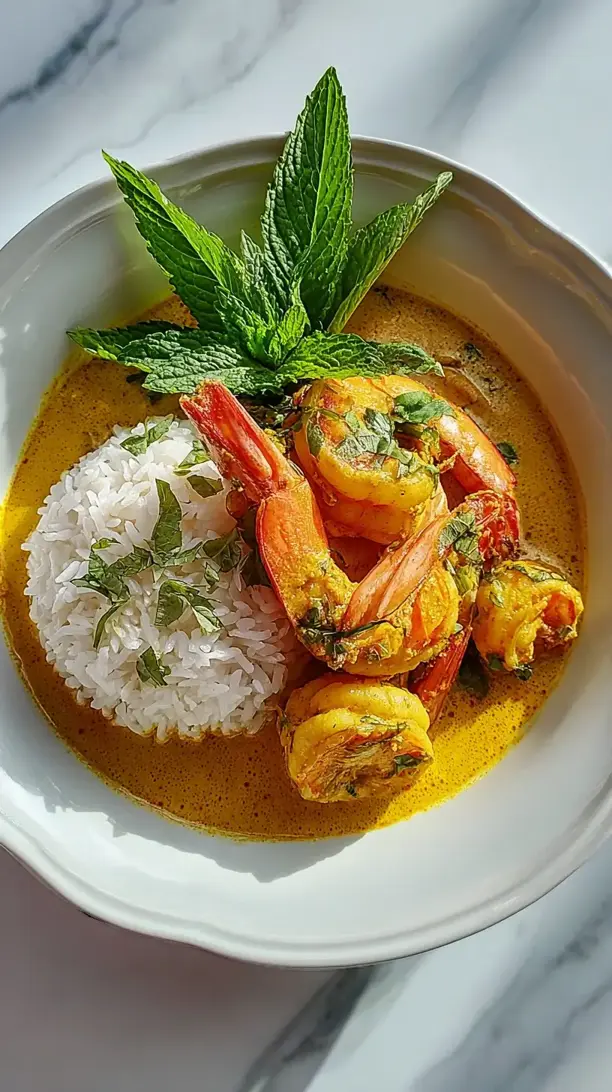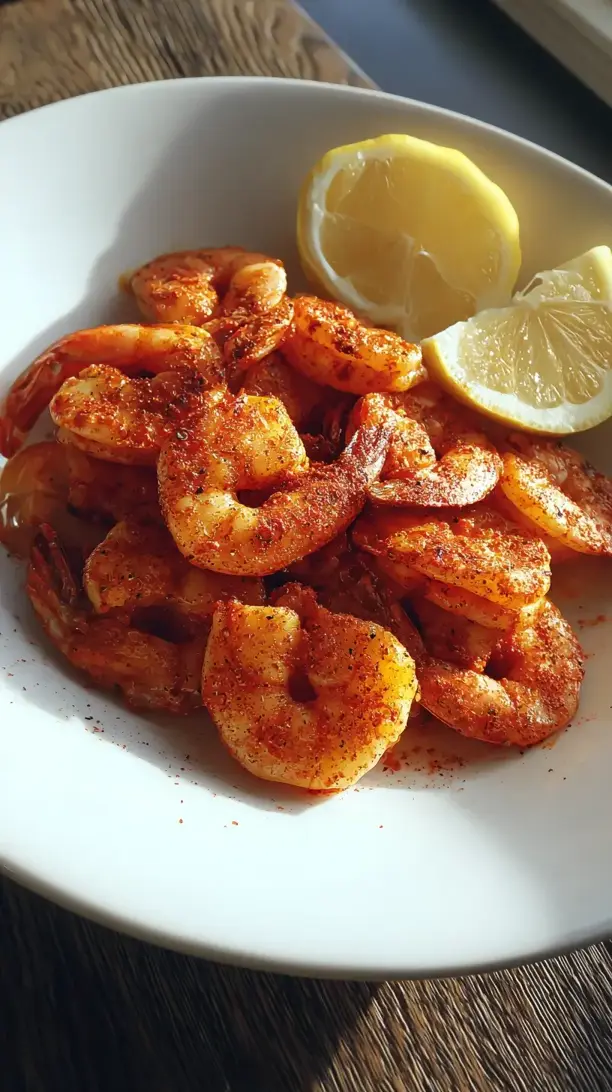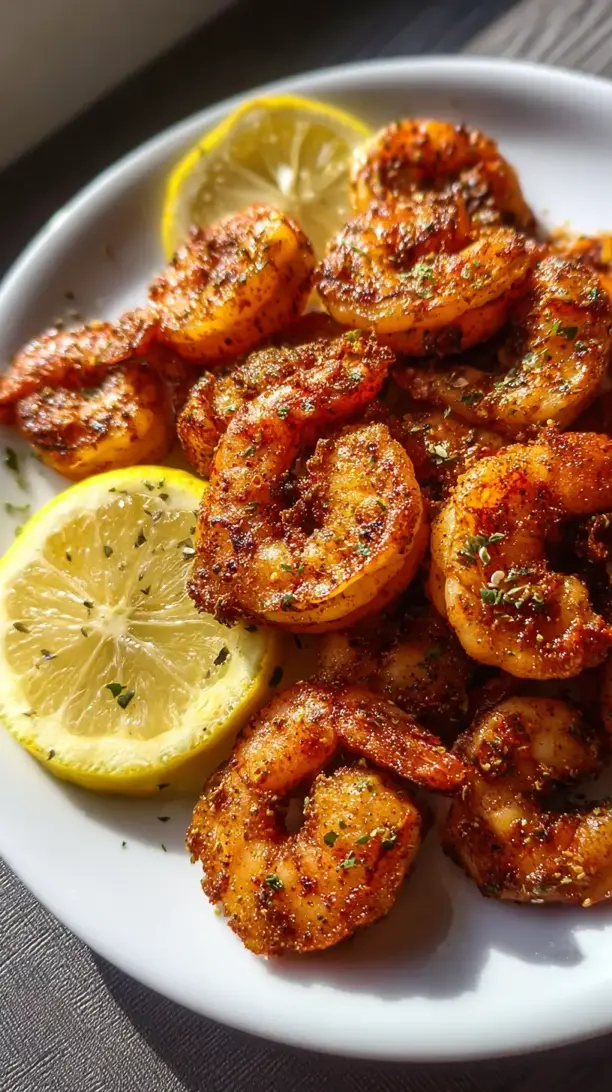

This Asian Ginger Shrimp recipe delivers a restaurant-worthy meal in minutes. The sauce balances savory, sweet, and aromatic ginger for a vibrant flavor. It’s a reliable, impressive dish perfect for any night.
Why You’ll Love This Asian Ginger Shrimp
- Quick & Weeknight-Friendly: Ready in about 20 minutes with minimal hands-on time.
- Dynamic Flavor Profile: Warm ginger, savory soy, and sweet-tangy notes in perfect harmony.
- Surprisingly Versatile: Serve over rice, noodles, in lettuce cups, or grain bowls.
- Intoxicating Aroma: Ginger, garlic, and green onions create an irresistible kitchen scent.
Ingredients & Tools
- 450 g large raw shrimp, peeled and deveined
- 3 tbsp soy sauce (or tamari for gluten-free)
- 2 tbsp honey or maple syrup
- 1 tbsp rice vinegar
- 2 tsp sesame oil
- 1 tbsp fresh ginger, finely grated
- 3 cloves garlic, minced
- 2 spring onions, sliced (whites and greens separated)
- 1 tbsp vegetable or avocado oil
- 1 tsp cornstarch
- 2 tbsp water
- To garnish: sesame seeds and extra spring onion greens
Tools: A large skillet or wok, a microplane or fine grater for the ginger, and a small bowl for the sauce.
Notes: Don’t skip the fresh ginger—it’s the star. Using raw, peeled shrimp ensures plump, juicy results.
Nutrition (per serving)
| Calories: | 245 kcal |
| Protein: | 28 g |
| Fat: | 8 g |
| Carbs: | 14 g |
| Fiber: | 1 g |
Serves: 3 | Prep Time: 10 minutes | Cook Time: 10 minutes | Total Time: 20 minutes
Before You Start: Tips & Ingredient Notes
- Pat your shrimp completely dry. This is a small step that makes a huge difference. Any excess moisture on the shrimp will steam them instead of giving them a nice sear. You want them to get a bit of color and texture in the hot pan.
- Grate your ginger fresh. I know it’s tempting to use the jarred stuff, but the flavor of freshly grated ginger is so much more vibrant and aromatic. A microplane grater makes this super easy and you’ll get all the ginger juice, which is packed with flavor.
- Have all your ingredients prepped and ready. This recipe cooks fast once you start, so you won’t have time to mince garlic or mix the sauce while the shrimp are in the pan. A little “mise en place” makes the process smooth and stress-free.
- Don’t overcook the shrimp! They cook in just a couple of minutes per side. You’re looking for them to turn pink and opaque and curl into a loose “C” shape. If they curl into a tight “O”, they’re likely overdone and can become rubbery.
How to Make Asian Ginger Shrimp
Step 1: Start by preparing your shrimp. If they aren’t already, peel and devein them, leaving the tails on or off based on your preference. Give them a good pat all over with paper towels until they are completely dry—this is the secret to getting a nice sear instead of them steaming in the pan. Season them lightly with a tiny pinch of black pepper.
Step 2: In a small bowl, whisk together the sauce. Combine the soy sauce, honey, rice vinegar, and sesame oil. Then, take your fresh ginger and grate it directly over the bowl so you capture all the flavorful juice. Add the minced garlic and the white parts of your sliced spring onions. Finally, in a separate tiny dish, make a slurry by mixing the cornstarch with the two tablespoons of water until it’s smooth, then whisk that into your sauce. This will help the sauce thicken up beautifully later.
Step 3: Place your large skillet or wok over medium-high heat and add the vegetable oil. Let it get nice and hot—you should see it shimmering. Carefully add the shrimp in a single layer, making sure not to crowd the pan. You might need to do this in two batches if your pan is small. Let them cook undisturbed for about 1-2 minutes, until the bottoms turn pink and you get a bit of a golden sear.
Step 4: Flip the shrimp over and cook for another minute or so on the second side. You’ll notice them curling up and becoming opaque. They cook very quickly, so don’t walk away! Once they are just cooked through, transfer them to a clean plate. They will finish cooking a little from residual heat, so it’s okay if they seem *almost* done.
Step 5: Reduce the heat to medium and pour your prepared sauce into the now-empty skillet. It will sizzle and bubble immediately. Use a whisk or a wooden spoon to scrape up any of those delicious browned bits from the bottom of the pan—that’s pure flavor right there. Let the sauce simmer for 1-2 minutes, stirring constantly, until it thickens and becomes glossy.
Step 6: Return the cooked shrimp to the skillet, along with any juices that accumulated on the plate. Toss everything together to coat the shrimp evenly in that gorgeous, glazy sauce. Let it heat through for just 30 seconds to a minute—you just want to warm the shrimp back up without cooking them further.
Step 7: Turn off the heat and stir in most of the green parts of your spring onions, saving a few for garnish. Give everything one final toss. The residual heat will wilt the greens just slightly. Serve immediately over your chosen base, garnished with the remaining spring onions and a generous sprinkle of sesame seeds.
Storage & Freshness Guide
- Fridge: Store in an airtight container for up to 2 days.
- Freezer: Freezing is not recommended as shrimp can become rubbery upon thawing.
- Reviving: Gently reheat in a skillet over low heat, adding a splash of water if sauce has thickened too much.
Serving Suggestions
Complementary Dishes
- Steamed jasmine rice — The fluffy, fragrant rice is the perfect neutral canvas to soak up every last drop of that incredible ginger sauce.
- Simple stir-fried vegetables — A quick side of bok choy, broccoli, or snap peas adds a fresh, crisp texture and makes the meal feel complete.
- Cold sesame noodles — For a double-carb delight, the nutty, cool noodles provide a fantastic contrast to the warm, saucy shrimp.
Drinks
- Iced jasmine green tea — Its light, floral notes cleanse the palate between bites and complement the ginger without competing with it.
- A crisp lager or pilsner — The beer’s carbonation and slight bitterness cut through the richness of the sauce beautifully.
- Gewürztraminer or an off-dry Riesling — A slightly sweet white wine with floral and lychee notes is a classic and wonderful pairing for the spicy-sweet profile of the dish.
Something Sweet
- Mango sticky rice — The creamy, sweet coconut and mango are a tropical finish that feels like a natural extension of the meal’s flavors.
- Lychee sorbet — It’s light, refreshing, and the floral lychee flavor is a sophisticated and palate-cleansing end note.
- Fortune cookies and green tea ice cream — A fun, classic combo where the mild bitterness of the matcha balances the sweetness of the cookies and the meal you just enjoyed.
Top Mistakes to Avoid
- Mistake
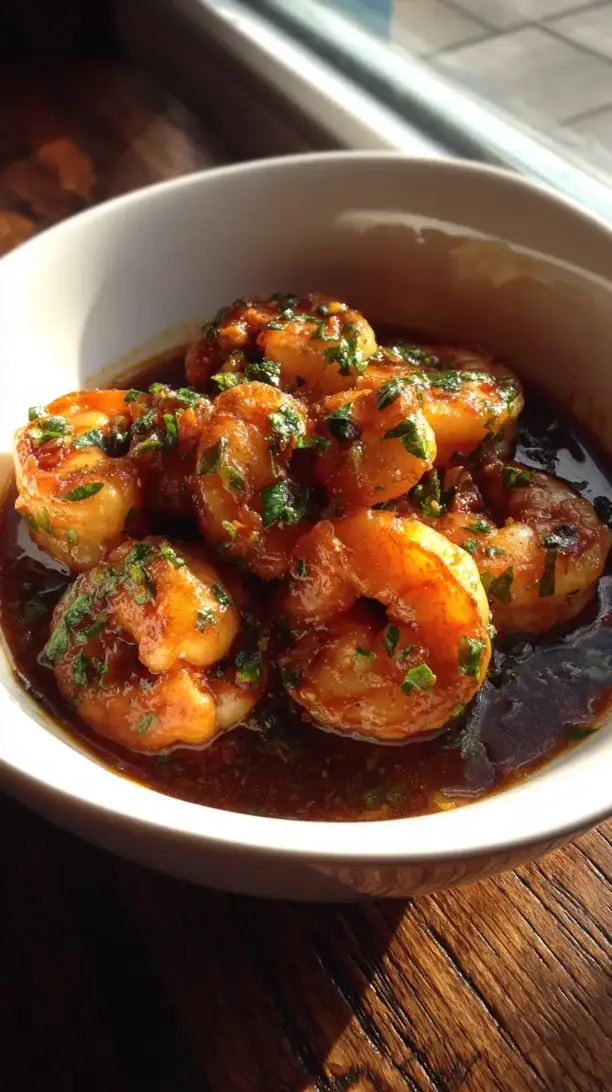
Asian Ginger Shrimp
Make this easy Asian Ginger Shrimp recipe in just 20 minutes! It features a savory-sweet ginger sauce and juicy shrimp. Get the simple steps and cook it tonight!
Ingredients
For the main ingredients:
-
450 g large raw shrimp (peeled and deveined)
-
3 tbsp soy sauce (or tamari for gluten-free)
-
2 tbsp honey or maple syrup
-
1 tbsp rice vinegar
-
2 tsp sesame oil
-
1 tbsp fresh ginger (finely grated)
-
3 cloves garlic (minced)
-
2 spring onions (sliced (whites and greens separated))
-
1 tbsp vegetable or avocado oil
-
1 tsp cornstarch
-
2 tbsp water
For the garnish:
-
sesame seeds and extra spring onion greens
Instructions
-
Start by preparing your shrimp. If they aren’t already, peel and devein them, leaving the tails on or off based on your preference. Give them a good pat all over with paper towels until they are completely dry—this is the secret to getting a nice sear instead of them steaming in the pan. Season them lightly with a tiny pinch of black pepper.01
-
In a small bowl, whisk together the sauce. Combine the soy sauce, honey, rice vinegar, and sesame oil. Then, take your fresh ginger and grate it directly over the bowl so you capture all the flavorful juice. Add the minced garlic and the white parts of your sliced spring onions. Finally, in a separate tiny dish, make a slurry by mixing the cornstarch with the two tablespoons of water until it’s smooth, then whisk that into your sauce. This will help the sauce thicken up beautifully later.02
-
Place your large skillet or wok over medium-high heat and add the vegetable oil. Let it get nice and hot—you should see it shimmering. Carefully add the shrimp in a single layer, making sure not to crowd the pan. You might need to do this in two batches if your pan is small. Let them cook undisturbed for about 1-2 minutes, until the bottoms turn pink and you get a bit of a golden sear.03
-
Flip the shrimp over and cook for another minute or so on the second side. You’ll notice them curling up and becoming opaque. They cook very quickly, so don’t walk away! Once they are just cooked through, transfer them to a clean plate. They will finish cooking a little from residual heat, so it’s okay if they seem *almost* done.04
-
Reduce the heat to medium and pour your prepared sauce into the now-empty skillet. It will sizzle and bubble immediately. Use a whisk or a wooden spoon to scrape up any of those delicious browned bits from the bottom of the pan—that’s pure flavor right there. Let the sauce simmer for 1-2 minutes, stirring constantly, until it thickens and becomes glossy.05
-
Return the cooked shrimp to the skillet, along with any juices that accumulated on the plate. Toss everything together to coat the shrimp evenly in that gorgeous, glazy sauce. Let it heat through for just 30 seconds to a minute—you just want to warm the shrimp back up without cooking them further.06
-
Turn off the heat and stir in most of the green parts of your spring onions, saving a few for garnish. Give everything one final toss. The residual heat will wilt the greens just slightly. Serve immediately over your chosen base, garnished with the remaining spring onions and a generous sprinkle of sesame seeds.07