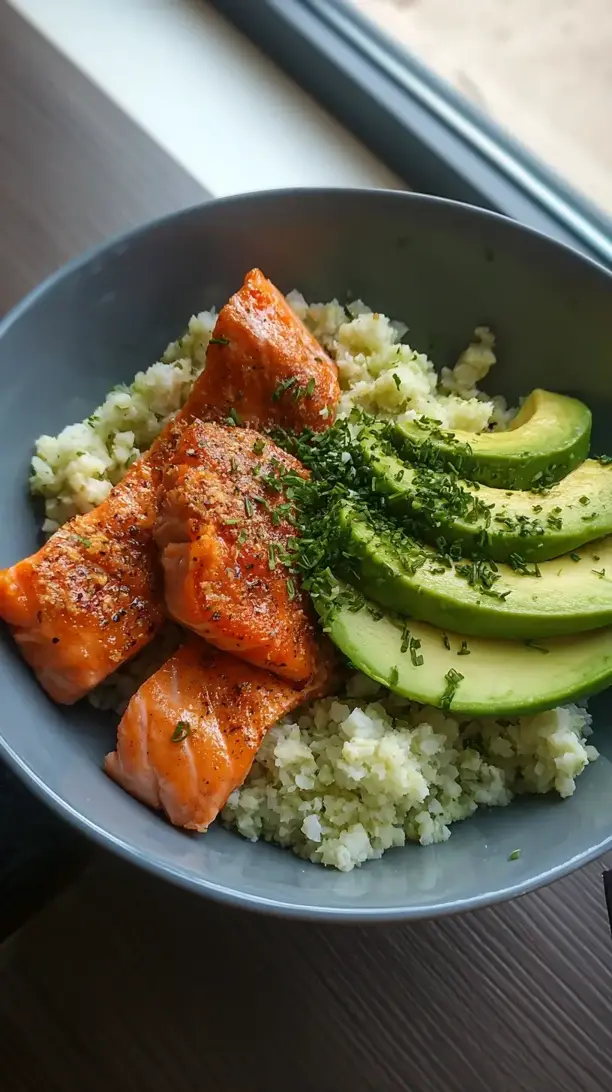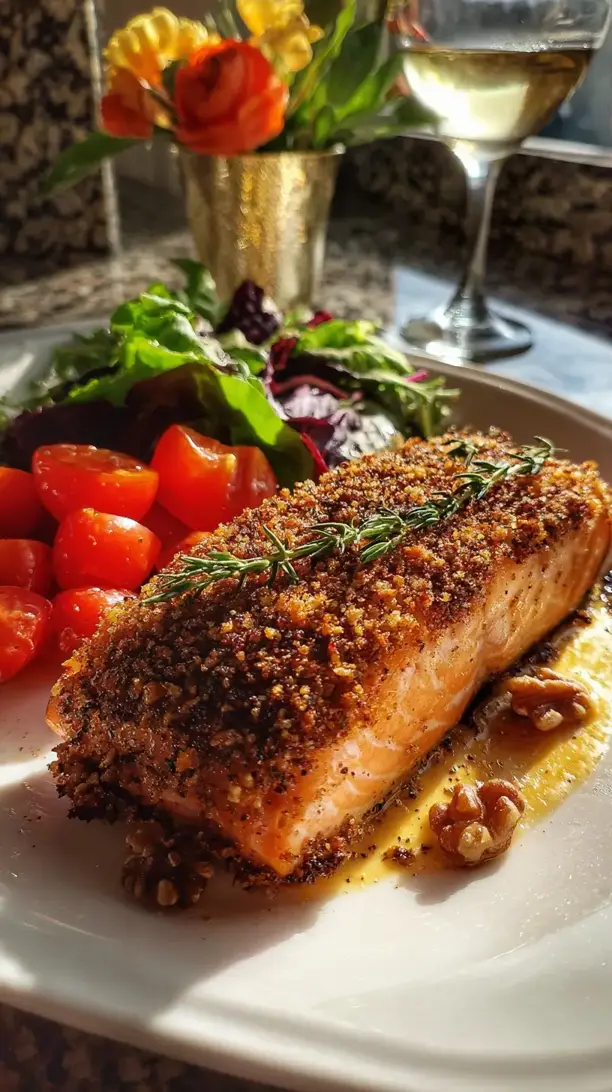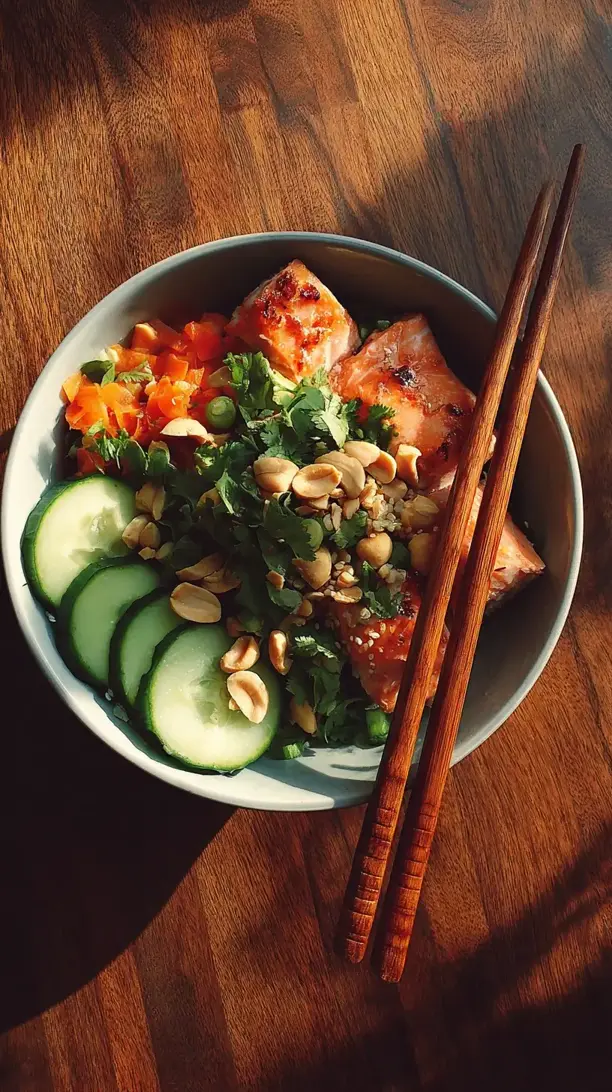

This Asian Ginger Salmon recipe delivers restaurant-quality flavor with minimal effort. The warm, zesty ginger pairs beautifully with soy, honey, and garlic for a glossy, savory-sweet glaze. It’s a simple yet impressive dish perfect for any night.
Why You’ll Love This Asian Ginger Salmon
- Big flavor, minimal effort: The marinade does most of the work.
- Perfect texture: Moist, flaky fish with a caramelized top.
- Versatile pairing: Goes with rice, noodles, or salad.
- Fancy but easy: Impressive results with simple techniques.
Ingredients & Tools
- 4 salmon fillets (about 150–180 g each), skin-on or skinless
- 3 tbsp soy sauce (or tamari for gluten-free)
- 2 tbsp honey or maple syrup
- 1 tbsp rice vinegar
- 1 tbsp sesame oil
- 2 cloves garlic, minced
- 1 tbsp fresh ginger, grated
- 1 tsp sriracha or chili paste (optional, for heat)
- 1 tbsp sesame seeds, for garnish
- 2 spring onions, thinly sliced, for garnish
Tools: Baking sheet, parchment paper, small bowl, whisk, brush (optional)
Notes: Fresh ginger makes a big difference; don’t skip the sesame oil for nutty depth.
Nutrition (per serving)
| Calories: | 320 kcal |
| Protein: | 28 g |
| Fat: | 16 g |
| Carbs: | 12 g |
| Fiber: | 1 g |
Serves: 4 | Prep Time: 10 minutes | Cook Time: 12–15 minutes | Total Time: 25 minutes (plus optional marinating time)
Before You Start: Tips & Ingredient Notes
- What type of salmon works best? I prefer using skin-on fillets for this recipe, as the skin helps keep the fish moist and holds its shape. But skinless works perfectly fine too—just keep an eye on the cooking time, as it might cook a minute or two faster.
- Can I use ground ginger instead of fresh? Honestly, fresh ginger is key here for that bright, zesty flavor. Ground ginger tends to be more earthy and less aromatic. If you must substitute, use about 1 teaspoon of ground ginger, but the flavor profile will be a bit different.
- Is marinating necessary? You can bake the salmon right away, but letting it sit in the marinade for even 20 minutes makes a noticeable difference. The flavors penetrate deeper, and the glaze caramelizes more beautifully. If you’re short on time, just brush the sauce generously over the fillets before baking.
- How do I know when the salmon is done? The salmon should flake easily with a fork and have an internal temperature of 145°F (63°C). It will also change from translucent to opaque. Be careful not to overcook it—salmon can go from perfectly moist to dry surprisingly quickly.
How to Make Asian Ginger Salmon
Step 1: Start by preheating your oven to 400°F (200°C) and lining a baking sheet with parchment paper. This makes cleanup a breeze and prevents the salmon from sticking. Pat the salmon fillets dry with a paper towel—this helps the marinade adhere better and promotes better browning. You’ll notice that dry surfaces caramelize more effectively, giving you that beautiful glaze.
Step 2: In a small bowl, whisk together the soy sauce, honey, rice vinegar, sesame oil, minced garlic, grated ginger, and sriracha (if using). The mixture should be well combined and slightly thickened. Taste it—you should get that perfect balance of salty, sweet, and tangy with a warm ginger kick. Adjust the honey or soy sauce if needed to suit your preference.
Step 3: Place the salmon fillets on the prepared baking sheet and brush about two-thirds of the sauce generously over the top and sides. If you have time, let them marinate for 20 minutes at room temperature. This short rest allows the flavors to meld and start penetrating the fish. If you’re in a rush, you can move straight to baking—it’ll still be delicious.
Step 4: Bake the salmon for 12–15 minutes, depending on thickness. You’ll know it’s done when the flesh flakes easily with a fork and the top is glossy and slightly caramelized. For extra glaze, you can brush the reserved sauce over the salmon during the last 2–3 minutes of baking. The aroma at this point is absolutely incredible—savory, sweet, and deeply aromatic.
Step 5: Remove the salmon from the oven and let it rest for a couple of minutes before serving. This allows the juices to redistribute, keeping the fish moist. Sprinkle with sesame seeds and sliced spring onions for a fresh, colorful finish. The contrast between the warm, glazed salmon and the cool, crisp garnishes is just perfect.
Storage & Freshness Guide
- Fridge: Store leftovers in an airtight container for up to 2 days.
- Freezer: Freeze cooked salmon in a sealed bag for up to 1 month.
- Reviving: Reheat gently in a 300°F (150°C) oven to prevent drying.
Serving Suggestions
Complementary Dishes
- Steamed jasmine rice — The fluffy, fragrant rice soaks up the extra ginger-soy glaze beautifully, making every bite complete.
- Stir-fried vegetables — Think bok choy, snap peas, and bell peppers quickly tossed in a hot wok with a splash of sesame oil.
- Quinoa salad with edamame — A light, protein-packed side that adds texture and freshness to balance the rich salmon.
Drinks
- Iced green tea with lemon — The slight bitterness and citrus notes cleanse the palate and complement the ginger’s warmth.
- Crisp lager or pale ale — The effervescence and mild hop bitterness cut through the richness of the salmon and glaze.
- Ginger-infused sparkling water — A non-alcoholic option that echoes the ginger theme and feels refreshing.
Something Sweet
- Mango sticky rice — The creamy, sweet coconut and mango provide a lovely contrast to the savory, umami-rich salmon.
- Matcha white chocolate cookies — A slightly bitter, earthy dessert that doesn’t overpower the meal’s delicate flavors.
- Lychee sorbet — Light, floral, and refreshing—it’s the perfect palate cleanser after a satisfying savory dish.
Top Mistakes to Avoid
- Overcooking the salmon. Salmon continues to cook after you take it out of the oven, so pulling it out when it’s just slightly underdone ensures it stays moist. I’ve messed this up before too—dry salmon is such a disappointment!
- Using old or powdered ginger. Fresh ginger has a vibrant, zesty quality that powdered just can’t match. If your ginger looks shriveled or moldy, it’s lost its punch.
- Skipping the rest time. Letting the salmon rest for a few minutes after baking allows the juices to settle. Cutting into it immediately can cause those precious juices to run out, leaving the fish drier.
- Not tasting the marinade. The balance of salty, sweet, and tangy is key. If it’s too salty, add a touch more honey; if it’s too sweet, a splash of rice vinegar can fix it.
Expert Tips
- Tip: For an extra caramelized top, switch your oven to broil for the last 1–2 minutes. Watch it closely though—the honey can burn quickly under high heat. You’ll get a beautiful, slightly charred edge that adds fantastic texture.
- Tip: If you have time, score the salmon skin lightly with a sharp knife before marinating. This helps the flavors penetrate deeper and allows the fat to render more effectively, giving you crispier skin if you’re using skin-on fillets.
- Tip: Double the sauce recipe and keep half aside. Warm it gently in a saucepan while the salmon rests, then drizzle it over the plated dish. The extra sauce takes the meal to another level—trust me on this.
- Tip: If you’re using frozen salmon, make sure it’s fully thawed and patted dry. Excess moisture from freezing can water down the marinade and prevent proper caramelization during baking.
FAQs
Can I make this Asian Ginger Salmon in an air fryer?
Absolutely! Preheat your air fryer to 375°F (190°C). Place the marinated salmon in the basket in a single layer and cook for 8–10 minutes, depending on thickness. The circulating hot air gives the salmon a beautifully crisp exterior while keeping the inside tender. You might even find the glaze caramelizes faster, so keep an eye on it during the last couple of minutes.
How long does leftover ginger salmon keep?
Leftovers will keep in an airtight container in the refrigerator for up to 2 days. The texture changes slightly upon reheating, so I often flake cold salmon over salads or grain bowls instead of reheating it. If you do reheat, do it gently in the oven at 300°F (150°C) to prevent drying out.
Can I use a different type of fish?
Yes, this glaze works wonderfully with other firm-fleshed fish like cod, halibut, or sea bass. Adjust the cooking time based on the thickness of the fillets. Softer fish like tilapia might break apart more easily, so handle with care if you decide to try it.
Is there a substitute for soy sauce?
For a gluten-free option, tamari works perfectly. Coconut aminos are another great alternative—they’re slightly sweeter and less salty, so you might want to adjust the honey accordingly. If you’re avoiding soy entirely, a combination of fish sauce and a pinch of salt can work in a pinch, though the flavor profile will shift.
Can I prepare the marinade ahead of time?
Definitely! The marinade can be made up to 3 days in advance and stored in the refrigerator. The flavors actually meld and intensify over time. Just give it a good stir before using, and bring it to room temperature if possible for easier brushing and marinating.

Asian Ginger Salmon
Make this easy Asian Ginger Salmon with a sweet and savory glaze. Ready in 25 minutes for a healthy, impressive dinner. Get the simple recipe now!
Ingredients
For the Ingredients
-
4 salmon fillets (about 150–180 g each, skin-on or skinless)
-
3 tbsp soy sauce (or tamari for gluten-free)
-
2 tbsp honey or maple syrup
-
1 tbsp rice vinegar
-
1 tbsp sesame oil
-
2 cloves garlic (minced)
-
1 tbsp fresh ginger (grated)
-
1 tsp sriracha or chili paste (optional, for heat)
-
1 tbsp sesame seeds (for garnish)
-
2 spring onions (thinly sliced, for garnish)
Instructions
-
Start by preheating your oven to 400°F (200°C) and lining a baking sheet with parchment paper. Pat the salmon fillets dry with a paper towel.01
-
In a small bowl, whisk together the soy sauce, honey, rice vinegar, sesame oil, minced garlic, grated ginger, and sriracha (if using).02
-
Place the salmon fillets on the prepared baking sheet and brush about two-thirds of the sauce generously over the top and sides. If you have time, let them marinate for 20 minutes at room temperature.03
-
Bake the salmon for 12–15 minutes, depending on thickness. You’ll know it’s done when the flesh flakes easily with a fork and the top is glossy and slightly caramelized. For extra glaze, you can brush the reserved sauce over the salmon during the last 2–3 minutes of baking.04
-
Remove the salmon from the oven and let it rest for a couple of minutes before serving. Sprinkle with sesame seeds and sliced spring onions for a fresh, colorful finish.05