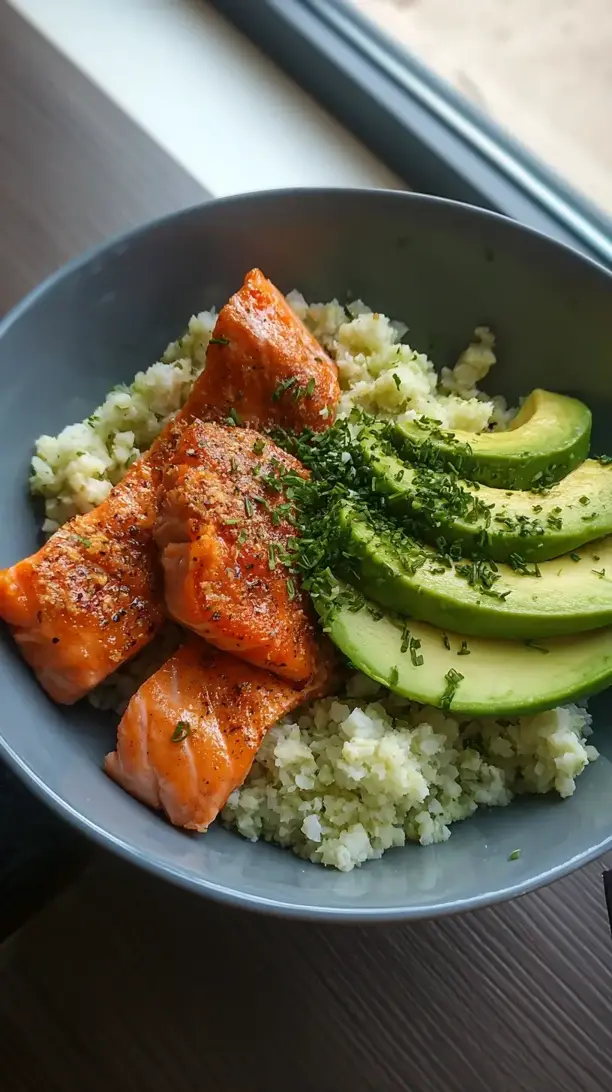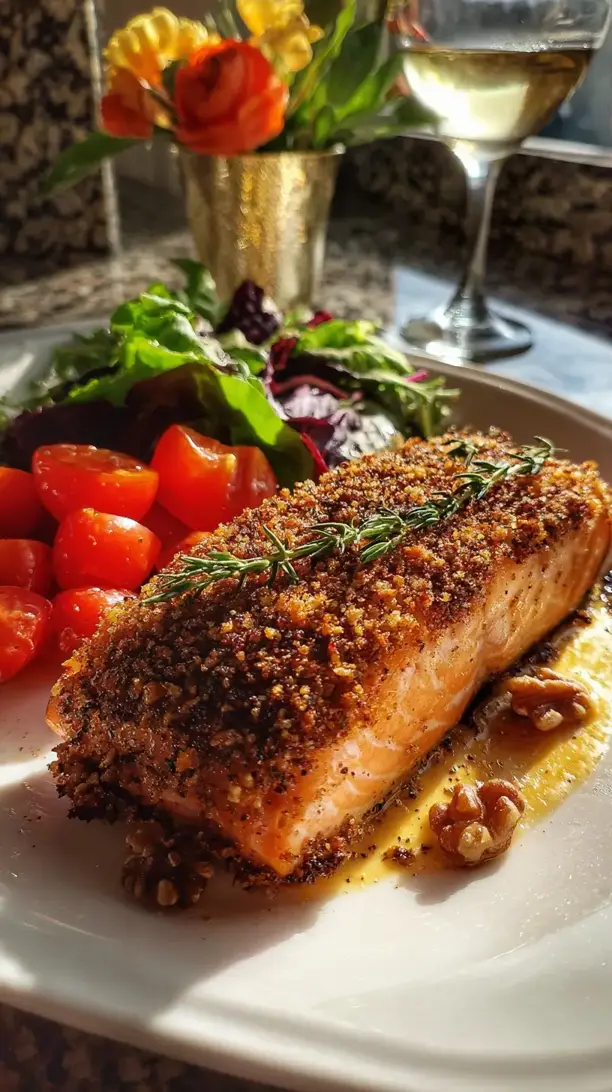

This Apricot Glazed Salmon combines sweet, tangy apricot jam with rich, flaky fish for a restaurant-quality meal in under 30 minutes. The sticky, glossy glaze caramelizes beautifully while sealing in moisture. It’s a foolproof dish that feels special enough for any occasion.
Why You’ll Love This Apricot Glazed Salmon
- Fast & Foolproof: Ready in about 25 minutes with minimal effort.
- Perfect Sweet-Savory Balance: Fruity apricot jam is balanced by soy sauce and garlic.
- Crowd-Pleasing Flavor: Universally appealing, even for picky eaters.
- Customizable Heat: Easily add red pepper flakes or sriracha for a kick.
Ingredients & Tools
- 4 salmon fillets (about 150-180 g each), skin-on or skinless
- 120 g apricot jam or preserves
- 2 tbsp soy sauce (or tamari for gluten-free)
- 2 cloves garlic, minced
- 1 tbsp fresh lemon juice
- 1 tbsp olive oil
- 1 tsp Dijon mustard
- 1/2 tsp smoked paprika (optional, for depth)
- Salt and black pepper to taste
- Fresh chopped parsley or chives for garnish
Tools: A small bowl for mixing, a baking sheet lined with parchment paper or a reliable oven-safe skillet, and a pastry brush for glazing.
Notes: Using a good-quality apricot jam is key—the fruit pieces in preserves add wonderful texture. Don’t skip the fresh lemon juice; its acidity is crucial for cutting through the sweetness.
Nutrition (per serving)
| Calories: | 320 kcal |
| Protein: | 29 g |
| Fat: | 14 g |
| Carbs: | 18 g |
| Fiber: | 0.5 g |
Serves: 4 | Prep Time: 10 minutes | Cook Time: 15 minutes | Total Time: 25 minutes
Before You Start: Tips & Ingredient Notes
- What kind of salmon should I use? I prefer center-cut fillets that are about 1-inch thick for even cooking. You can use skin-on or skinless; the skin gets wonderfully crispy if you start it in a hot skillet, but it’s also easier for some to eat without it.
- Is there a substitute for apricot jam? Peach or mango jam works beautifully as a direct substitute. In a pinch, you could even use orange marmalade, though the flavor will be more citrus-forward.
- Can I make the glaze ahead of time? Absolutely! The glaze can be mixed and stored in the fridge for up to 3 days. This makes weeknight assembly a breeze—just give it a good stir before using.
- Don’t forget to pat the salmon dry. This is a small but crucial step. A dry surface helps the glaze stick better and promotes a beautiful sear or caramelization in the oven.
How to Make Apricot Glazed Salmon
Step 1: Preheat your oven to 200°C (400°F). While it’s heating up, pat the salmon fillets completely dry with paper towels. This is your secret for getting that glaze to adhere properly. Season both sides of the fillets generously with salt, black pepper, and the smoked paprika if you’re using it.
Step 2: Now, let’s make that glorious glaze. In your small bowl, combine the apricot jam, soy sauce, minced garlic, lemon juice, and Dijon mustard. Whisk it all together until it’s smooth and well-combined. You’ll notice the mixture is quite thick—that’s perfect. It will thin out slightly as it heats up and create that sticky coating we’re after.
Step 3: If you’re starting on the stovetop for extra crispness, heat the olive oil in a large, oven-safe skillet over medium-high heat. Once the oil is shimmering, place the salmon fillets in the pan, presentation-side down. Sear for 2-3 minutes until a golden-brown crust forms. If you’re baking from the start, simply place the seasoned salmon on your parchment-lined baking sheet.
Step 4: Using your pastry brush, generously coat the top and sides of each salmon fillet with the apricot glaze. Be lavish with it! You should use about two-thirds of the glaze at this stage. Reserve the rest for brushing partway through cooking.
Step 5: Transfer the skillet or baking sheet to the preheated oven. Bake for 8-12 minutes, depending on the thickness of your fillets. About halfway through the cooking time, pull the salmon out and brush it with the remaining glaze. This double-glazing technique builds incredible flavor and shine.
Step 6: The salmon is done when it flakes easily with a fork and the internal temperature reaches about 52-54°C (125-130°F) for medium. The glaze should be bubbling and caramelized around the edges. Be careful not to overcook it, as the sugar in the glaze can cause it to burn if left too long.
Step 7: Remove the salmon from the oven and let it rest for a couple of minutes on the pan. This allows the juices to redistribute, ensuring every single bite is moist. Garnish with your fresh herbs right before serving for a pop of color and freshness.
Storage & Freshness Guide
- Fridge: Store leftovers in an airtight container for up to 2 days.
- Freezer: Not recommended; the glaze texture may suffer upon thawing.
- Reviving: Reheat in a 150°C (300°F) oven for 10–15 minutes to restore texture.
Serving Suggestions
Complementary Dishes
- Fluffy jasmine rice or quinoa — The neutral base is perfect for soaking up every last drop of the delicious apricot glaze.
- Simple roasted asparagus or green beans — The slight bitterness of the greens provides a lovely contrast to the sweet and savory salmon.
- A crisp, citrusy salad — A mix of arugula, orange segments, and a light vinaigrette cleanses the palate beautifully between bites.
Drinks
- A dry Riesling or Pinot Gris — The wine’s acidity and slight sweetness mirror the flavors in the glaze and cut through the richness of the fish.
- Sparkling water with a lemon twist — For a non-alcoholic option, the bubbles and citrus are incredibly refreshing and palate-cleansing.
- Iced green tea — Its subtle grassy notes and slight bitterness complement the sweet glaze without overpowering the delicate salmon.
Something Sweet
- Lemon sorbet — Its sharp, clean citrus flavor is the perfect, light way to end a meal that features rich and savory-sweet notes.
- Almond biscotti — The nutty, crunchy cookies are fantastic for dipping and provide a textural contrast after the soft, flaky fish.
- Fresh berry salad with mint — A bowl of mixed berries with a hint of mint continues the fruit theme in a fresh, healthy direction.
Top Mistakes to Avoid
- Mistake: Using a baking sheet without parchment paper. The sugar in the glaze will melt, drip, and burn onto your pan, creating a sticky, smoky mess that is a nightmare to clean. Parchment paper is your best friend here.
- Mistake: Overcooking the salmon. Salmon continues to cook after it comes out of the oven (carryover cooking). If you wait until it’s perfectly flaky in the oven, it will be dry by the time it reaches the table. Pull it out when it’s just slightly under your desired doneness.
- Mistake: Br

Apricot Glazed Salmon
Make this easy Apricot Glazed Salmon in under 30 minutes! A sweet and savory glaze creates a caramelized, restaurant-quality meal. Get the simple recipe here!
Ingredients
For the salmon and glaze:
-
4 salmon fillets (about 150-180 g each, skin-on or skinless)
-
120 g apricot jam or preserves
-
2 tbsp soy sauce (or tamari for gluten-free)
-
2 cloves garlic (minced)
-
1 tbsp fresh lemon juice
-
1 tbsp olive oil
-
1 tsp Dijon mustard
-
1/2 tsp smoked paprika (optional, for depth)
-
Salt and black pepper (to taste)
-
Fresh chopped parsley or chives (for garnish)
Instructions
-
Preheat your oven to 200°C (400°F). While it’s heating up, pat the salmon fillets completely dry with paper towels. This is your secret for getting that glaze to adhere properly. Season both sides of the fillets generously with salt, black pepper, and the smoked paprika if you’re using it.01
-
Now, let’s make that glorious glaze. In your small bowl, combine the apricot jam, soy sauce, minced garlic, lemon juice, and Dijon mustard. Whisk it all together until it’s smooth and well-combined. You’ll notice the mixture is quite thick—that’s perfect. It will thin out slightly as it heats up and create that sticky coating we’re after.02
-
If you’re starting on the stovetop for extra crispness, heat the olive oil in a large, oven-safe skillet over medium-high heat. Once the oil is shimmering, place the salmon fillets in the pan, presentation-side down. Sear for 2-3 minutes until a golden-brown crust forms. If you’re baking from the start, simply place the seasoned salmon on your parchment-lined baking sheet.03
-
Using your pastry brush, generously coat the top and sides of each salmon fillet with the apricot glaze. Be lavish with it! You should use about two-thirds of the glaze at this stage. Reserve the rest for brushing partway through cooking.04
-
Transfer the skillet or baking sheet to the preheated oven. Bake for 8-12 minutes, depending on the thickness of your fillets. About halfway through the cooking time, pull the salmon out and brush it with the remaining glaze. This double-glazing technique builds incredible flavor and shine.05
-
The salmon is done when it flakes easily with a fork and the internal temperature reaches about 52-54°C (125-130°F) for medium. The glaze should be bubbling and caramelized around the edges. Be careful not to overcook it, as the sugar in the glaze can cause it to burn if left too long.06
-
Remove the salmon from the oven and let it rest for a couple of minutes on the pan. This allows the juices to redistribute, ensuring every single bite is moist. Garnish with your fresh herbs right before serving for a pop of color and freshness.07