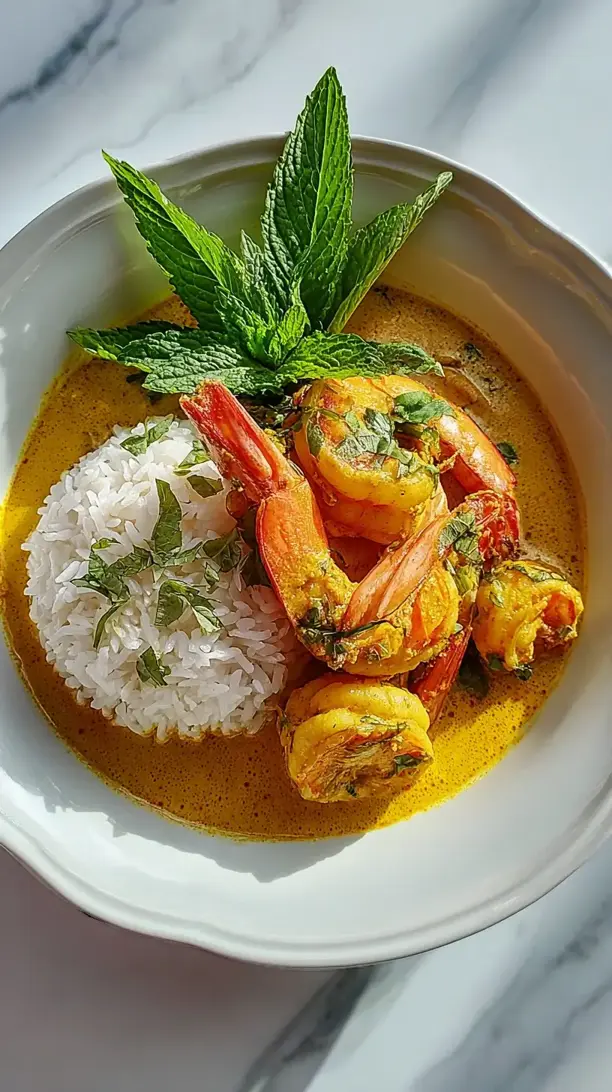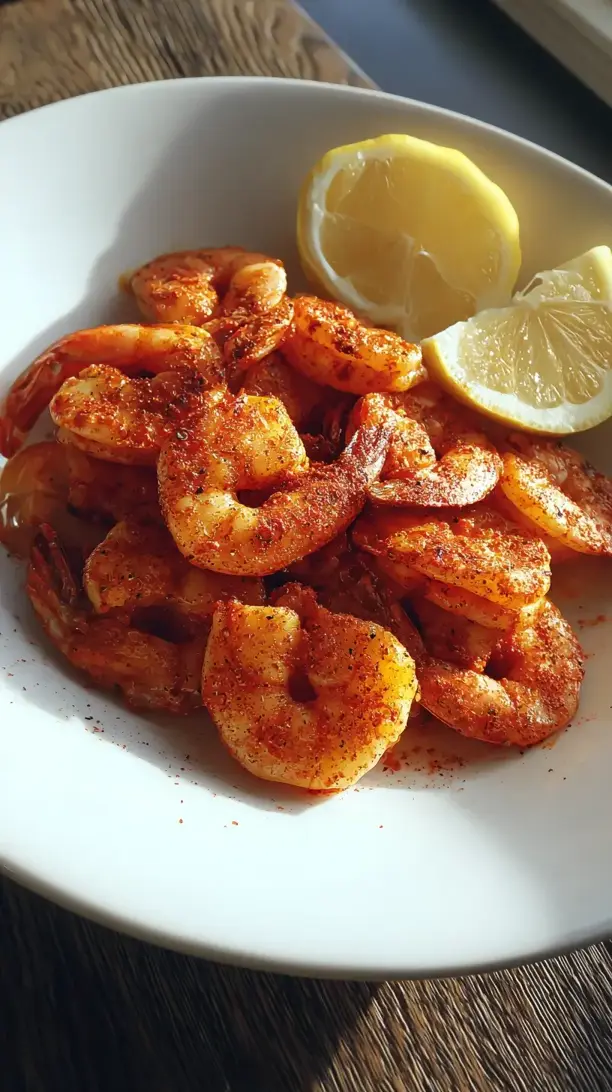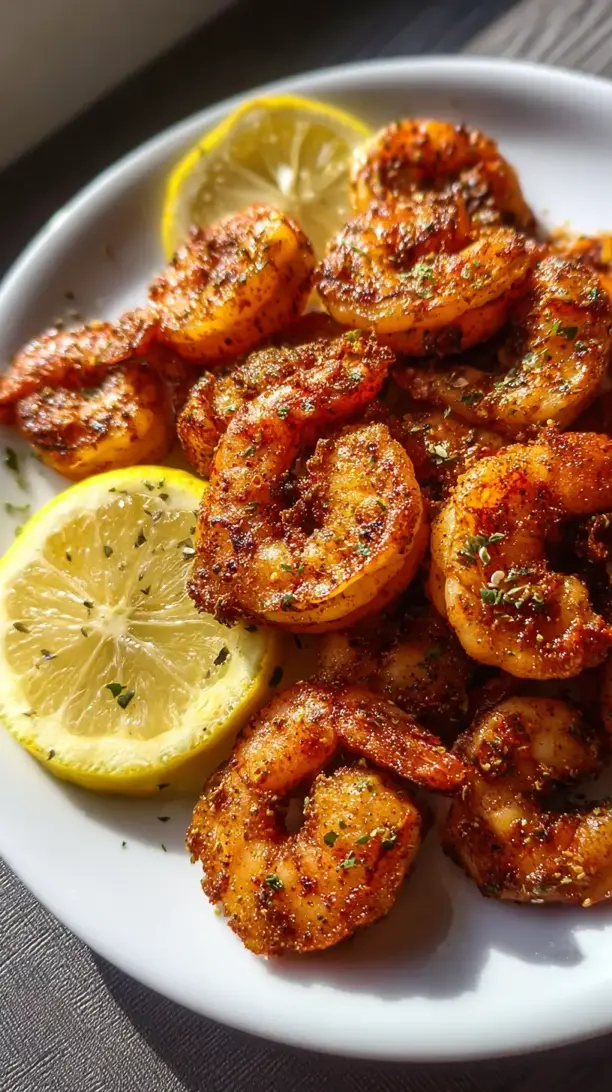

This Anti-Inflammatory Shrimp Bowl is a vibrant, nourishing meal that feels both light and satisfying. It combines spiced shrimp, fluffy quinoa, and roasted vegetables with a creamy turmeric tahini sauce. It’s a true flavor explosion that leaves you feeling energized and good from the inside out.
Why You’ll Love This Anti-Inflammatory Shrimp Bowl
- Flavor powerhouse: Spice-rubbed shrimp and tangy tahini sauce create a symphony of tastes.
- Versatile & forgiving: Easily swap vegetables based on what you have available.
- Feel-good factor: Features anti-inflammatory ingredients like turmeric, ginger, and shrimp.
- Meal-prep friendly: Components store well for easy, vibrant lunches all week.
Ingredients & Tools
For the Shrimp:
- 450 g large raw shrimp, peeled and deveined
- 2 tbsp olive oil
- 1 tsp each paprika, garlic powder, and dried oregano
- 1/2 tsp each ground cumin, salt, and black pepper
For the Roasted Vegetables:
- 1 large sweet potato, cubed
- 1 head of broccoli, cut into florets
- 1/2 red onion, sliced
- 2 tbsp olive oil
- Salt and pepper to taste
For the Base & Toppings:
- 180 g uncooked quinoa
- 1/2 small red cabbage, thinly sliced
- 1 ripe avocado, sliced
- A handful of fresh cilantro or parsley, chopped
For the Turmeric Tahini Sauce:
- 60 ml tahini
- 80 ml warm water
- 2 tbsp fresh lemon juice
- 1 small garlic clove, minced
- 1 tsp ground turmeric
- 1/2 tsp maple syrup (optional)
- Salt to taste
Tools: Two baking sheets, a medium saucepan, a small bowl for mixing sauce, and a good chef’s knife.
Notes: Don’t be intimidated by the list—it’s mostly pantry staples. The real magic is in the quality of your spices and the freshness of your shrimp.
Nutrition (per serving)
| Calories: | 520 kcal |
| Protein: | 30 g |
| Fat: | 22 g |
| Carbs: | 52 g |
| Fiber: | 12 g |
Serves: 4 | Prep Time: 20 minutes | Cook Time: 25 minutes | Total Time: 45 minutes
Storage & Freshness Guide
- Fridge: Store components separately in airtight containers for 3–4 days.
- Freezer: Freeze cooked shrimp and roasted vegetables for up to 2 months.
- Reviving: Reheat gently; add fresh avocado and sauce just before serving.
Serving Suggestions
Complementary Dishes
- A simple arugula salad with a lemon vinaigrette — The peppery arugula and sharp lemon provide a bright, palate-cleansing contrast to the rich, spiced elements of the bowl.
- Garlic sautéed kale or spinach — Adding another layer of dark, leafy greens boosts the nutrient profile and introduces a lovely, savory garlic note that complements the shrimp beautifully.
- Spicy pickled red onions — A quick-pickle of red onions in lime juice and a pinch of chili flakes adds a fantastic tangy, sharp, and crunchy element that cuts through the creaminess of the sauce.
Drinks
- Iced ginger green tea — The subtle spice of ginger and the antioxidants in green tea harmonize with the bowl’s theme, creating a refreshing, non-alcoholic pairing that enhances the meal.
- A crisp Sauvignon Blanc or Pinot Grigio — The high acidity and citrus notes in these white wines act as a brilliant counterpoint to the earthy turmeric and rich tahini, cleansing the palate between bites.
- Sparkling water with lemon and mint — Sometimes simple is best. The effervescence and freshness are incredibly satisfying and help highlight the vibrant flavors in the bowl without overpowering them.
Something Sweet
- Dark chocolate-dipped orange segments — The bittersweet chocolate and bright citrus are a light, elegant finish that feels indulgent without being heavy, playing nicely with the meal’s spice notes.
- A small bowl of mixed berries with a dollop of coconut yogurt — The natural sweetness and antioxidants in the berries, combined with the creamy, tangy yogurt, provide a refreshing and healthful end to your meal.
- Almond flour lemon cookies — A grain-free cookie with a zesty lemon glaze offers a delightful, chewy texture and a burst of citrus that feels like a perfect, light finale.
Before You Start: Tips & Ingredient Notes
- Don’t skip the tahini sauce. This is the glue that holds the whole bowl together, adding a creamy, tangy element that balances the spice from the shrimp and the earthiness of the vegetables. If your tahini is super thick, just add a bit more warm water until it reaches a lovely drizzling consistency.
- Pat your shrimp completely dry. This is the single most important step for getting a nice sear on your shrimp instead of them steaming in their own moisture. Use paper towels and really press down to absorb all that extra liquid.
- Cut your vegetables uniformly. Try to get your sweet potato and broccoli pieces around the same size. This ensures they’ll roast evenly and be perfectly tender (but not mushy) at the same time. Nobody wants a burnt piece of broccoli next to a raw chunk of sweet potato.
- Rinse your quinoa. It only takes a minute, but rinsing quinoa in a fine-mesh strainer under cold water removes its natural bitter coating called saponin. This small step makes a huge difference in the final, fluffy flavor of your grain base.
How to Make Anti-Inflammatory Shrimp Bowl
Step 1: Roast Your Vegetables. Start by preheating your oven to 200°C (400°F). On a large baking sheet, toss the cubed sweet potato, broccoli florets, and sliced red onion with the olive oil, salt, and pepper. Spread them out in a single layer—crowding the pan will make them steam. Roast for 20-25 minutes, or until the sweet potatoes are tender and the broccoli tips are starting to get nicely crispy and browned. You’ll start to smell that wonderful, caramelized aroma.
Step 2: Cook the Quinoa. While the veggies are roasting, rinse your quinoa thoroughly under cold water. Add it to a medium saucepan with twice the amount of water (so for 180g quinoa, use 360ml water). Bring it to a boil, then reduce the heat to low, cover, and simmer for about 15 minutes. You’ll know it’s done when the grains are translucent and the little white “tails” (the germ) have spiraled out. Remove it from the heat and let it sit, covered, for 5-10 minutes. Then, fluff it with a fork—this is key for light, separate grains.
Step 3: Prepare the Turmeric Tahini Sauce. This is where the magic happens. In a small bowl, whisk together the tahini, warm water, lemon juice, minced garlic, turmeric, maple syrup (if using), and a good pinch of salt. At first, it might look a bit seized and clumpy, but just keep whisking. It will suddenly smooth out into a beautiful, creamy, pale yellow sauce. Taste and adjust—maybe a pinch more salt or a squeeze more lemon. Set this golden elixir aside.
Step 4: Cook the Spiced Shrimp. Now, for the star of the show. Pat your shrimp very, very dry with paper towels. In a bowl, toss them with the olive oil, paprika, garlic powder, oregano, cumin, salt, and pepper until they’re evenly coated. Heat a large skillet over medium-high heat. Once hot, add the shrimp in a single layer—you should hear a satisfying sizzle. Cook for just 1-2 minutes per side, until they’re pink, opaque, and lightly curled. The trick is not to overcook them—they go from perfect to rubbery in a flash.
Step 5: Assemble Your Masterpiece. This is the fun part. Divide the fluffy quinoa among four bowls. Top with a generous portion of the roasted vegetables, a pile of the beautifully spiced shrimp, and a handful of the fresh, crunchy red cabbage. Artfully arrange a few slices of creamy avocado on the side, then drizzle everything generously with that vibrant turmeric tahini sauce. Finish with a scattering of fresh cilantro or parsley for a final pop of color and freshness. Dig in immediately!
Top Mistakes to Avoid
- Mistake: Overcooking the shrimp. Shrimp cook incredibly fast and become tough and rubbery if left on the heat for just a minute too long. As soon as they turn pink and form a loose “C” shape, they’re done. Take them off the heat immediately!
- Mistake: Not drying the shrimp before seasoning. Any surface moisture will instantly steam the shrimp instead of allowing the spices to create a nice, flavorful crust. I’ve messed this up before too, and the difference in texture is night and day.
- Mistake: Crowding the baking sheet with vegetables. If the veggies are piled on top of each other, they’ll steam and become soggy instead of roasting and caramelizing. If needed, use two baking sheets to give them plenty of personal space.
- Mistake: Adding the sauce too early during storage. If you’re meal-prepping, keep the tahini sauce in a separate small container. If you drizzle it over the bowls before refrigerating, it can make the quinoa and vegetables soggy, and the vibrant color can dull.
Expert Tips
- Tip: Make a double batch of the tahini sauce. It’s so good you’ll want to put it on everything—salads, grilled chicken, roasted carrots, even as a dip for pita chips. It keeps well in the fridge for up to a week in a sealed jar.
- Tip: Add a pinch of black pepper to the sauce. Piperine, a compound in black pepper, is known to significantly enhance the bioavailability of curcumin, the active compound in turmeric. It’s a tiny step for a big nutritional boost.
- Tip: Let the roasted vegetables cool slightly before assembling. Adding piping hot veggies directly onto your fresh red cabbage and avocado can wilt them. A few minutes of cooling ensures you get that fantastic contrast of temperatures and textures in every bite.
- Tip: Use the residual heat from the shrimp pan. After you’ve removed the shrimp, take the skillet off the heat and immediately add a big handful of the sliced red cabbage. Give it a quick toss—it will wilt just slightly from the pan’s residual heat, making it even more tender and delicious.
FAQs
Can I use frozen shrimp?
Absolutely! Frozen shrimp are often more economical and just as good. The key is to thaw them properly. The best method is to place them in a sealed bag and submerge them in cold water for about 15-20 minutes. Never thaw them at room temperature or in hot water, as this can affect the texture. And remember—pat them completely dry with paper towels once they’re thawed.
I don’t have tahini. What can I use instead?
If you’re in a pinch, you can try substituting with plain, unsweetened Greek yogurt or a runny, natural almond butter. The flavor profile will change, but you’ll still get a creamy, tangy sauce. With yogurt, you won’t need as much water to thin it out. With nut butter, you might need a touch more lemon juice to balance the sweetness.
How long do the leftovers keep?
The individual components will keep beautifully in airtight containers in the fridge for 3-4 days. Store the quinoa, roasted veggies, shrimp, and fresh toppings (like cabbage and avocado) separately for the best texture. The sauce can be kept in its own jar. I recommend slicing the avocado fresh when you’re ready to assemble, as it browns quickly.
Is this recipe gluten-free and dairy-free?
Yes, as written, this Anti-Inflammatory Shrimp Bowl is naturally both gluten-free and dairy-free. Just be sure to double-check the labels on your spices and tahini to ensure no cross-contamination or added ingredients if you have a severe allergy or sensitivity.
Can I make this bowl with a different protein?
Of course! This bowl is a fantastic template. You can easily swap the shrimp for salmon fillets (roast them with the veggies), cubed chicken breast (sauté with the same spices), or even a can of rinsed chickpeas for a plant-based version. The cooking times will just need to be adjusted accordingly for your protein of choice.

Anti Inflammatory Shrimp Bowl
Make this delicious Anti-Inflammatory Shrimp Bowl with turmeric tahini sauce in just 45 minutes. Packed with flavor and health benefits. Get the recipe now!
Ingredients
For the Shrimp:
-
450 g large raw shrimp (peeled and deveined)
-
2 tbsp olive oil
-
1 tsp each paprika, garlic powder, and dried oregano
-
1/2 tsp each ground cumin, salt, and black pepper
For the Roasted Vegetables:
-
1 large sweet potato (cubed)
-
1 head broccoli (cut into florets)
-
1/2 red onion (sliced)
-
2 tbsp olive oil
-
Salt and pepper (to taste)
For the Base & Toppings:
-
180 g uncooked quinoa
-
1/2 small red cabbage (thinly sliced)
-
1 ripe avocado (sliced)
-
A handful fresh cilantro or parsley (chopped)
For the Turmeric Tahini Sauce:
-
60 ml tahini
-
80 ml warm water
-
2 tbsp fresh lemon juice
-
1 small garlic clove (minced)
-
1 tsp ground turmeric
-
1/2 tsp maple syrup (optional)
-
Salt (to taste)