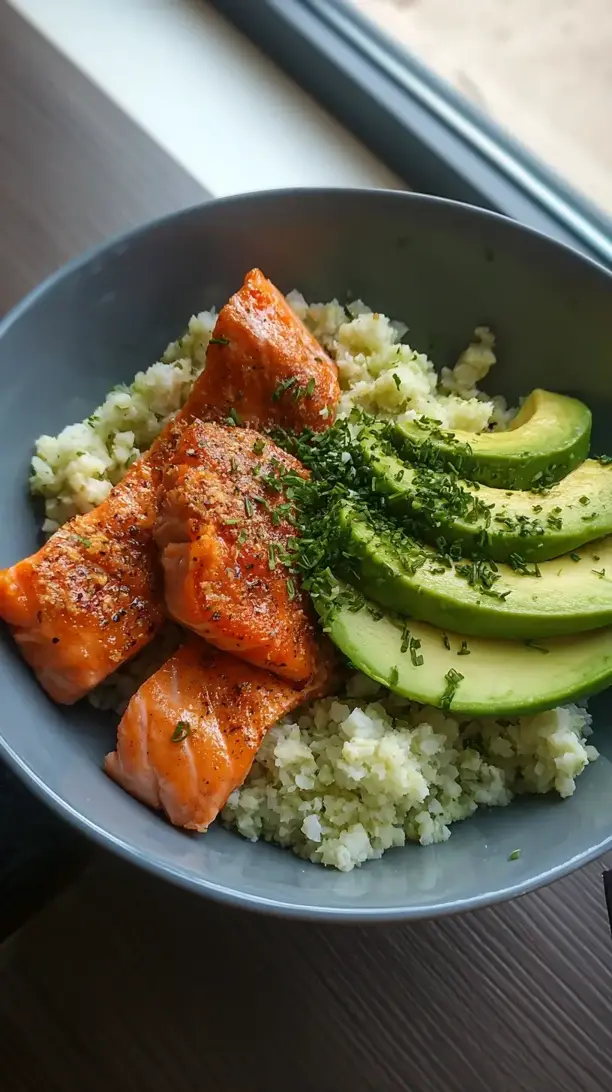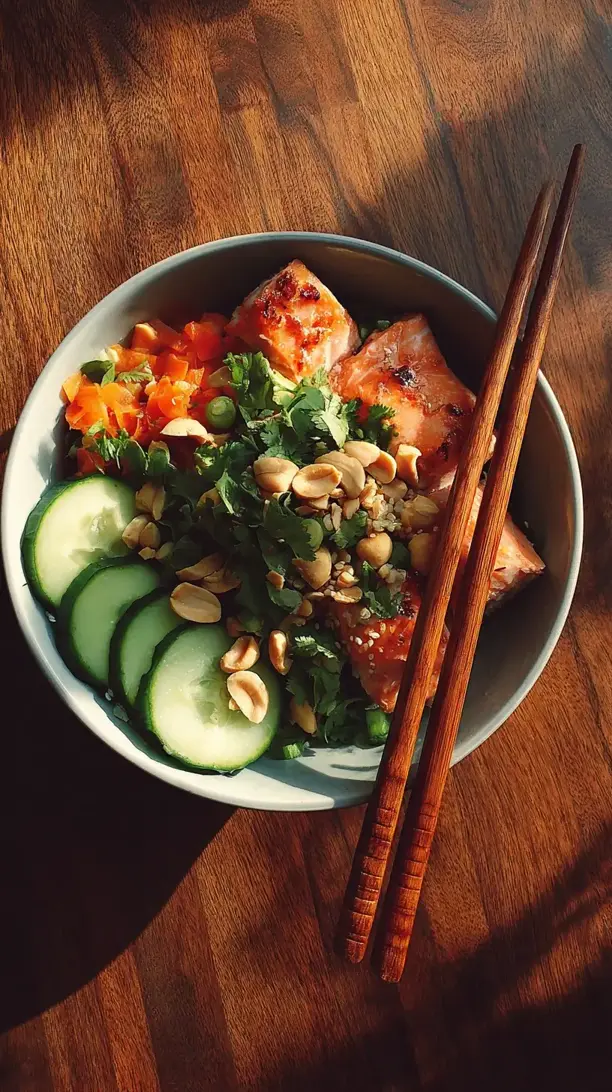

If you love sushi but dread the rolling process, this Spicy Salmon Roll Bowl is your perfect solution. It delivers all the vibrant flavors of a sushi roll in a deconstructed, customizable bowl that’s surprisingly simple to make. The spicy salmon roll bowl features marinated salmon, fluffy rice, and fresh veggies for a complete meal that feels both indulgent and nourishing.
Why You’ll Love This Spicy Salmon Roll Bowl
- Easy & Customizable: Forget rolling—this is a forgiving, mix-and-match affair.
- Textural Party: Enjoy creamy avocado, fluffy rice, flaky salmon, and crisp veggies.
- Faster Than Delivery: Ready in about 20 minutes of active time.
- Visual Stunner: Vibrant colors make it a feast for the senses.
Ingredients & Tools
- 400 g fresh, sushi-grade salmon, skin removed
- 200 g sushi rice
- 250 ml water
- 2 tbsp rice vinegar
- 1 tbsp sugar
- 1 tsp salt
- 3 tbsp mayonnaise (Kewpie is best!)
- 1-2 tbsp sriracha sauce (adjust to taste)
- 1 tbsp soy sauce
- 1 tsp sesame oil
- 1 ripe avocado, sliced
- 1 small cucumber, julienned
- 1 medium carrot, julienned
- 2 tbsp pickled ginger
- 1 tbsp toasted sesame seeds
- 2 spring onions, thinly sliced
- 1 sheet nori (seaweed), sliced into thin strips
Tools: A sharp chef’s knife, a medium saucepan with a lid, a small bowl for mixing, and a good cutting board.
Notes: Use sushi-grade salmon from a trusted source. Sesame oil adds a deep, nutty aroma to the sauce.
Nutrition (per serving)
| Calories: | 580 kcal |
| Protein: | 32 g |
| Fat: | 28 g |
| Carbs: | 48 g |
| Fiber: | 6 g |
Serves: 2 | Prep Time: 15 minutes | Cook Time: 15 minutes | Total Time: 30 minutes
Before You Start: Tips & Ingredient Notes
- What does “sushi-grade” actually mean? This isn’t a regulated term, but it generally indicates the fish has been frozen at a very low temperature to kill parasites, making it safe for raw consumption. Always ask your fishmonger and ensure it smells fresh and clean, like the ocean, not fishy.
- Don’t skip seasoning the rice. The seasoned rice vinegar mixture is what gives sushi rice its signature tangy-sweet flavor. Rinsing the rice first is also crucial—it removes excess starch so your rice ends up fluffy, not gummy.
- How spicy do you like it? The beauty of the sauce is its customizability. Start with one tablespoon of sriracha, mix it, and then taste. You can always add more heat, but you can’t take it away!
- Prep your veggies ahead of time. Having all your components—the julienned cucumber, carrot, and sliced avocado—ready to go makes assembly a breeze and keeps the whole process feeling relaxed.
How to Make Spicy Salmon Roll Bowl
Step 1: First, let’s tackle the rice. Place your sushi rice in a fine-mesh sieve and rinse it under cold running water, gently agitating it with your fingers, until the water runs almost clear. This step is non-negotiable for perfect, separate grains. Transfer the rinsed rice to your saucepan, add the 250ml of water, and bring it to a boil. Once boiling, immediately reduce the heat to the lowest setting, cover with a tight-fitting lid, and let it simmer for 15 minutes. Do not peek! After 15 minutes, take it off the heat and let it sit, still covered, for another 10 minutes to steam.
Step 2: While the rice is cooking, mix the seasoning. In a small bowl, combine the rice vinegar, sugar, and salt. Stir it until the sugar and salt are fully dissolved. You’ll notice the liquid will look clear and slightly syrupy. Once the rice has finished its rest, transfer it to a large, non-metallic bowl (wood or glass is ideal) and gently pour the vinegar mixture over it. Using a cutting and folding motion with a rice paddle or spatula, mix it thoroughly while fanning the rice to help it cool down quickly and develop a lovely glossy sheen.
Step 3: Now for the star of the show: the salmon. Check your salmon fillet for any small pin bones and remove them with tweezers if you find any. Pat the fillet completely dry with a paper towel—this helps the sauce stick. Using your sharpest knife, cut the salmon into small, bite-sized cubes, about 1-2 cm in size. Try to make them as uniform as possible for even saucing and eating.
Step 4: Time to make the magical spicy sauce. In a medium bowl, whisk together the mayonnaise, sriracha, soy sauce, and sesame oil. The mixture should turn a beautiful, uniform orangey-pink color. Taste it! This is your chance to adjust the heat or saltiness. If you want it spicier, add more sriracha. If you want a bit more umami depth, a tiny splash more of soy sauce will do the trick.
Step 5: Gently add your cubed salmon to the bowl with the spicy sauce. Using a spatula or large spoon, fold the salmon into the sauce until every single piece is evenly coated. Be gentle—you don’t want to break up the beautiful chunks of fish. The salmon will start to take on a gorgeous, opaque color from the acidity in the sauce.
Step 6: It’s assembly time! Divide the seasoned sushi rice between two bowls. Now, artfully arrange your components over the rice. Create little piles of the spicy salmon, the julienned cucumber and carrot, and the sliced avocado. Scatter over the pickled ginger, then finish with a flourish of spring onions, a generous sprinkle of toasted sesame seeds, and those delicate strips of nori. The final touch is what makes it feel like a restaurant dish.
Storage & Freshness Guide
- Fridge: Store components separately in airtight containers for up to 24 hours.
- Freezer: Not recommended due to raw fish and fresh vegetable textures.
- Reviving: Let rice come to room temperature; assemble just before eating to keep nori crisp.
Serving Suggestions
Complementary Dishes
- A simple miso soup — The warm, savory broth is the perfect, comforting start to your sushi bowl meal and cleanses the palate between bites.
- Edamame sprinkled with sea salt — These salty, steamed soybeans are a classic sushi bar appetizer that’s fun to eat and adds a pop of green.
- A crisp, tangy seaweed salad — Its vibrant flavors and unique texture provide a wonderful contrast to the rich, creamy elements in the bowl.
Drinks
- Iced green tea — Its slightly bitter, clean taste cuts through the richness of the mayonnaise and complements the fish perfectly.
- A crisp, dry sake or a light lager — The clean, slightly acidic profile of these drinks balances the spice and fat, creating a harmonious dining experience.
- Sparkling water with a squeeze of yuzu or lime — The bubbles and citrus are incredibly refreshing and help reset your taste buds.
Something Sweet
- Green tea mochi ice cream — The chewy, sweet outer layer and the cool, slightly bitter ice cream inside is the quintessential way to end a sushi meal.
- A few slices of fresh, ripe mango — Its tropical sweetness is a surprisingly fantastic partner for the spicy, savory notes of the bowl.
- Dorayaki (red bean pancake) — These sweet, pancake-like sandwiches with a red bean paste filling offer a traditional and delightful finish.
Top Mistakes to Avoid
- Mistake: Using warm rice for assembly. If your rice is too hot when you add the salmon, it can start to “cook” the fish from the residual heat, altering its delicate texture. Let the rice cool to at least room temperature.
- Mistake: Over-mixing the salmon and sauce. You want to fold the salmon in gently. Aggressive stirring will break down the fish into a mushy consistency, and nobody wants a spicy salmon paste.
- Mistake> Skipping the rice rinsing step. I’ve messed this up before too, thinking it wouldn’t matter. It does. Unrinsed rice becomes gluey and sticky, losing the light, fluffy quality that makes this dish so enjoyable.
- Mistake: Preparing the bowl too far in advance. The nori will lose its crispness and become soggy if it sits on the moist ingredients for too long. Add it just before serving for the best texture.
Expert Tips
- Tip: Chill your mixing bowl for the rice. If you’re in a hurry, mixing the seasoned rice in a chilled metal bowl can speed up the cooling process significantly, helping you achieve that perfect glossy finish faster.
- Tip: Add a tiny bit of flavor to your veg. For an extra layer of taste, toss your julienned cucumber and carrot with a pinch of salt and a few drops of rice vinegar. Let them sit for 5 minutes—it brightens them up wonderfully.
- Tip> Use the back of your knife for easy nori strips. Instead of trying to slice the nori sheet with a cutting motion, simply press the sharp edge of your knife down onto it in a series of straight lines. It crumbles into perfect, thin strips with minimal effort.
- Tip: Make it a “poke” bowl. If you have extra time, let the marinated salmon sit in the fridge for 15-30 minutes before assembling. This allows the flavors to penetrate the fish more deeply, giving you an even more flavorful result.
FAQs
Can I use cooked salmon instead?
Absolutely! This recipe is wonderfully adaptable. You can use leftover baked or pan-seared salmon. Just flake it into chunks and mix it with the spicy sauce. The texture will be different, of course, but the flavors will still be fantastic. It’s a great way to ensure the whole family can enjoy it, especially if anyone is hesitant about raw fish.
How long do the leftovers keep?
This is best eaten immediately after assembly. However, you can store components separately in airtight containers in the fridge for up to 24 hours. Keep the spicy salmon, rice, and veggies in their own containers and combine just before eating. The rice will harden when cold, so let it come to room temperature or give it a very brief zap in the microwave.
I can’t find sushi-grade salmon, what are my options?
Your safety is the top priority. If you can’t find a trusted source, a fantastic alternative is to use high-quality, previously frozen tuna or even cooked shrimp or crab meat. You could also quickly sear a regular salmon fillet on the outside, leaving the inside rare, and then cube it for the bowl.
Is there a substitute for Kewpie mayonnaise?
Yes, regular Western mayonnaise will work, but the flavor profile will be slightly different. Kewpie is made with rice vinegar and MSG, giving it a unique umami tang. To mimic it, you could add a tiny, tiny pinch of sugar and a few extra drops of rice vinegar to your regular mayo before mixing it with the other sauce ingredients.
My rice turned out mushy, what happened?
This usually boils down to two things: either the rice wasn’t rinsed well enough, leaving too much surface starch, or there was too much water. The 1:1.25 rice-to-water ratio is a great starting point, but different pots and stove tops can vary. Next time, try reducing the water by a couple of tablespoons and ensure you rinse until the water is nearly clear.
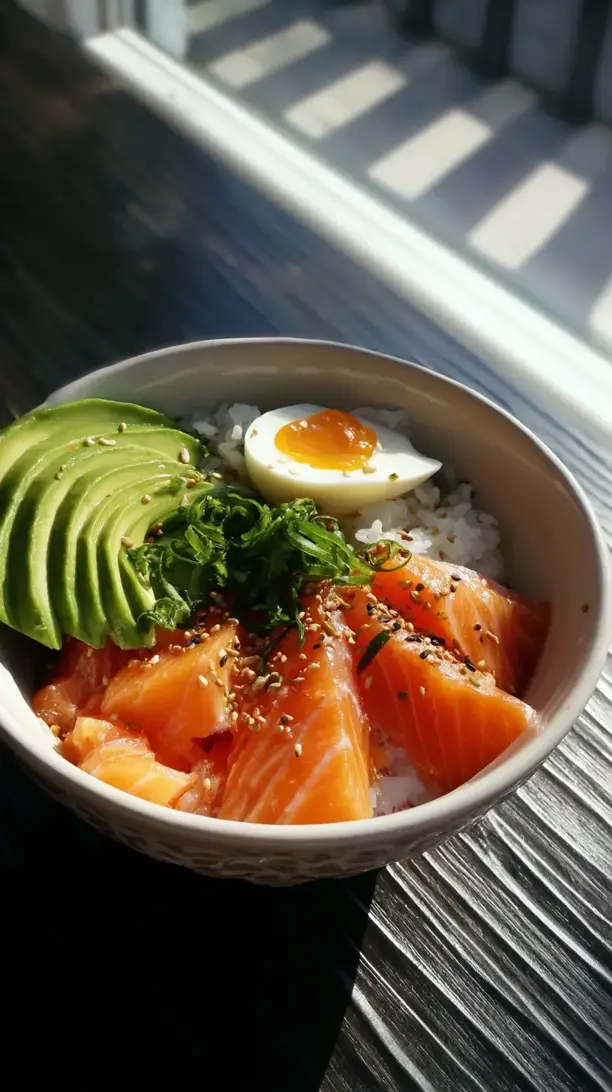
Spicy Salmon Roll Bowl
Make a deconstructed Spicy Salmon Roll Bowl at home! This easy recipe features sushi rice, marinated salmon, and fresh veggies. Get the simple, step-by-step guide now!
Ingredients
For the Sushi Rice
-
200 g sushi rice
-
250 ml water
-
2 tbsp rice vinegar
-
1 tbsp sugar
-
1 tsp salt
For the Spicy Salmon
-
400 g fresh, sushi-grade salmon (skin removed)
-
3 tbsp mayonnaise (Kewpie is best!)
-
1-2 tbsp sriracha sauce (adjust to taste)
-
1 tbsp soy sauce
-
1 tsp sesame oil
For the Toppings & Assembly
-
1 ripe avocado (sliced)
-
1 small cucumber (julienned)
-
1 medium carrot (julienned)
-
2 tbsp pickled ginger
-
1 tbsp toasted sesame seeds
-
2 spring onions (thinly sliced)
-
1 sheet nori (seaweed) (sliced into thin strips)
Instructions
-
First, let's tackle the rice. Place your sushi rice in a fine-mesh sieve and rinse it under cold running water, gently agitating it with your fingers, until the water runs almost clear. This step is non-negotiable for perfect, separate grains. Transfer the rinsed rice to your saucepan, add the 250ml of water, and bring it to a boil. Once boiling, immediately reduce the heat to the lowest setting, cover with a tight-fitting lid, and let it simmer for 15 minutes. Do not peek! After 15 minutes, take it off the heat and let it sit, still covered, for another 10 minutes to steam.01
-
While the rice is cooking, mix the seasoning. In a small bowl, combine the rice vinegar, sugar, and salt. Stir it until the sugar and salt are fully dissolved. You'll notice the liquid will look clear and slightly syrupy. Once the rice has finished its rest, transfer it to a large, non-metallic bowl (wood or glass is ideal) and gently pour the vinegar mixture over it. Using a cutting and folding motion with a rice paddle or spatula, mix it thoroughly while fanning the rice to help it cool down quickly and develop a lovely glossy sheen.02
-
Now for the star of the show: the salmon. Check your salmon fillet for any small pin bones and remove them with tweezers if you find any. Pat the fillet completely dry with a paper towel—this helps the sauce stick. Using your sharpest knife, cut the salmon into small, bite-sized cubes, about 1-2 cm in size. Try to make them as uniform as possible for even saucing and eating.03
-
Time to make the magical spicy sauce. In a medium bowl, whisk together the mayonnaise, sriracha, soy sauce, and sesame oil. The mixture should turn a beautiful, uniform orangey-pink color. Taste it! This is your chance to adjust the heat or saltiness. If you want it spicier, add more sriracha. If you want a bit more umami depth, a tiny splash more of soy sauce will do the trick.04
-
Gently add your cubed salmon to the bowl with the spicy sauce. Using a spatula or large spoon, fold the salmon into the sauce until every single piece is evenly coated. Be gentle—you don't want to break up the beautiful chunks of fish. The salmon will start to take on a gorgeous, opaque color from the acidity in the sauce.05
-
It's assembly time! Divide the seasoned sushi rice between two bowls. Now, artfully arrange your components over the rice. Create little piles of the spicy salmon, the julienned cucumber and carrot, and the sliced avocado. Scatter over the pickled ginger, then finish with a flourish of spring onions, a generous sprinkle of toasted sesame seeds, and those delicate strips of nori. The final touch is what makes it feel like a restaurant dish.06