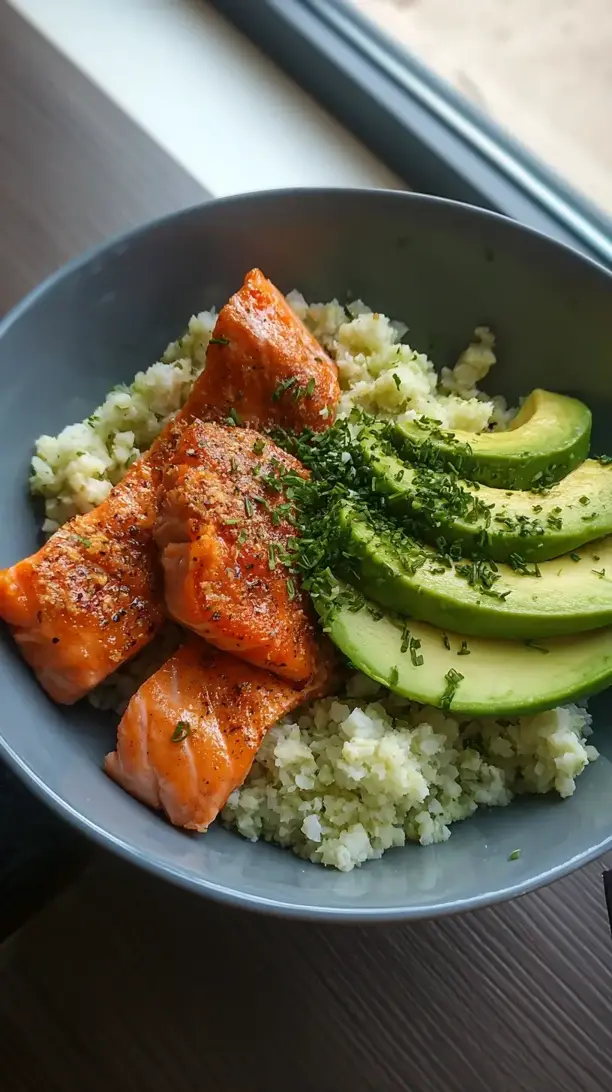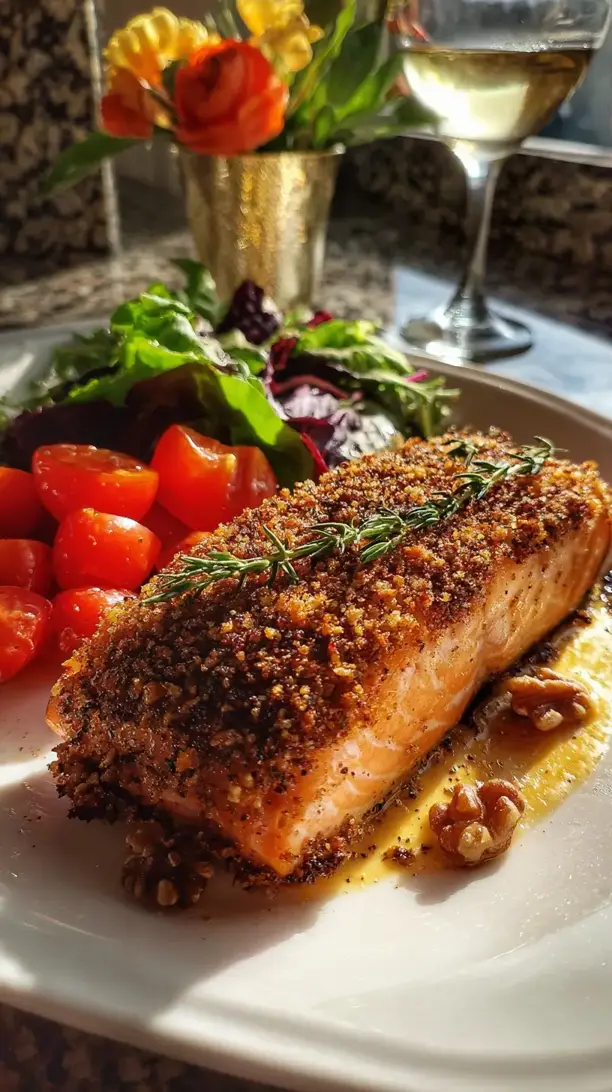

This Sheet Pan Lemon Salmon and Asparagus delivers a flavorful, healthy meal with minimal cleanup. Bright lemon and herbs infuse flaky salmon and tender-crisp asparagus for a satisfying dinner. Ready in under 30 minutes, it’s perfect for busy weeknights.
Why You’ll Love This Sheet Pan Lemon Salmon and Asparagus
- Effortless cleanup: Everything cooks together on one pan.
- Bright, vibrant flavors: Lemon, garlic, and herbs create a restaurant-quality taste.
- Perfectly balanced textures: Moist, flaky salmon meets tender-crisp asparagus.
- Incredibly versatile: Easily swap herbs or add other veggies you have on hand.
Ingredients & Tools
- 4 salmon fillets (about 150 g each), skin-on or skinless
- 1 bunch asparagus (about 400 g), woody ends trimmed
- 2 lemons, one sliced into thin rounds, one juiced
- 3 cloves garlic, minced
- 3 tbsp olive oil, divided
- 1 tsp dried dill or 1 tbsp fresh dill, chopped
- ½ tsp smoked paprika (optional, for a hint of warmth)
- Salt and black pepper to taste
- Fresh parsley or chives for garnish
Tools: Large sheet pan, parchment paper or aluminum foil, small mixing bowl, citrus juicer (optional), microplane or garlic press
Notes: Fresh lemon juice makes a noticeable difference in brightness; don’t skip the smoked paprika if you have it for subtle depth.
Nutrition (per serving)
| Calories: | 320 kcal |
| Protein: | 28 g |
| Fat: | 20 g |
| Carbs: | 8 g |
| Fiber: | 3 g |
Serves: 4 | Prep Time: 10 minutes | Cook Time: 15 minutes | Total Time: 25 minutes
Before You Start: Tips & Ingredient Notes
- Choose the right salmon. Look for fillets that are similar in thickness so they cook evenly. I prefer skin-on for extra flavor and to help hold the fillet together, but skinless works beautifully too.
- Don’t skip the asparagus trim. Hold one spear of asparagus at each end and bend—it’ll naturally snap where the tough, woody part ends. This ensures every bite is tender.
- Fresh herbs vs. dried. If using dried dill, the flavor is more concentrated, so you’ll use less. Fresh dill or parsley added at the end gives a lovely pop of color and freshness.
- Let the salmon come to room temp. Taking the salmon out of the fridge 10–15 minutes before cooking helps it cook more evenly and stay juicy.
How to Make Sheet Pan Lemon Salmon and Asparagus
Step 1: Preheat your oven to 400°F (200°C) and line a large sheet pan with parchment paper or foil. If using foil, a light spray of oil helps prevent sticking. This high heat is key—it’ll give the salmon a nice sear on the outside while keeping the inside tender, and it’ll roast the asparagus quickly so it stays crisp-tender.
Step 2: In a small bowl, whisk together 2 tablespoons of olive oil, the juice of one lemon, minced garlic, dried dill, smoked paprika (if using), and a good pinch of salt and black pepper. You’ll notice the aroma immediately—garlicky, herby, and bright. This simple marinade is what infuses the salmon and asparagus with so much flavor.
Step 3: Pat the salmon fillets dry with a paper towel and place them on one side of the prepared sheet pan. Arrange the trimmed asparagus spears on the other side. Drizzle the remaining 1 tablespoon of olive oil over the asparagus and toss with your hands to coat lightly. Season the asparagus with a pinch of salt and pepper.
Step 4: Brush or spoon the lemon-garlic marinade generously over the salmon fillets, making sure to cover the tops and sides. Lay a couple of lemon slices on top of each fillet—they’ll caramelize slightly in the oven and look gorgeous. Scatter any remaining lemon slices around the asparagus.
Step 5: Roast in the preheated oven for 12–15 minutes. The exact time will depend on the thickness of your salmon. You’re looking for the salmon to be opaque and flake easily with a fork, and the asparagus should be tender with a slight bite. If your asparagus is very thick, it might need a minute or two more—you can remove the salmon if done and let the asparagus roast a bit longer.
Step 6: Remove the sheet pan from the oven and let it rest for 2 minutes. This allows the salmon to reabsorb some of its juices. Garnish with fresh parsley or chives and an extra squeeze of lemon juice if you like it extra zesty. Serve immediately while everything is warm and fragrant.
Storage & Freshness Guide
- Fridge: Store leftovers in an airtight container for up to 2 days.
- Freezer: Freeze cooked salmon and asparagus separately for up to 1 month.
- Reviving: Reheat gently in a 300°F (150°C) oven until warmed through.
Serving Suggestions
Complementary Dishes
- Fluffy quinoa or couscous — These grains soak up the delicious lemony juices from the salmon and asparagus, making every bite even more flavorful.
- Creamy mashed potatoes or polenta — The richness provides a lovely contrast to the bright, acidic notes of the lemon and the light texture of the fish.
- A simple arugula salad with a lemon vinaigrette — It doubles down on the citrus theme and adds a fresh, peppery element that cleanses the palate.
Drinks
- A crisp Sauvignon Blanc or Pinot Grigio — The high acidity and citrus notes in these wines mirror the lemon in the dish and cut through the richness of the salmon beautifully.
- Sparkling water with a slice of lemon and a sprig of mint — A non-alcoholic option that feels celebratory and refreshes your palate between bites.
- A light, citrusy pale ale — The subtle bitterness and citrus hops complement the herby, savory flavors without overpowering the delicate fish.
Something Sweet
- Lemon sorbet or granita — It continues the lemon theme in a refreshing, palate-cleansing way, and its lightness feels perfect after a meal that isn’t too heavy.
- Almond cake with a dusting of powdered sugar — The nutty, slightly sweet flavor is a wonderful, simple contrast to the savory main course.
- Fresh berries with a dollop of whipped cream — It’s effortless, bright, and the berries’ natural sweetness feels like a perfect, light ending.
Top Mistakes to Avoid
- Overcrowding the pan. If the salmon and asparagus are crammed too close together, they’ll steam instead of roast. You want a little space for hot air to circulate and create those delicious caramelized edges.
- Overcooking the salmon. Salmon continues to cook after it comes out of the oven, so take it out when it’s just opaque and still looks a bit glossy in the center. I’ve messed this up before too—dry salmon is a real shame.
- Using thin, wimpy asparagus. Thin spears can overcook and become mushy before the salmon is done. Go for medium-thick asparagus—they hold up better to the high heat and roasting time.
- Skipping the rest time. Letting the salmon sit for a couple of minutes after roasting allows the juices to redistribute. If you cut into it right away, those precious juices will just run out onto the plate.
Expert Tips
- Tip: For extra crispy salmon skin (if using skin-on), start the fillets skin-side down in a hot oven-safe skillet on the stovetop for 2–3 minutes before transferring the entire skillet to the oven to finish. This gives you that perfect, crackly texture.
- Tip: If your asparagus is especially thick, you can blanch it in boiling salted water for 60 seconds before roasting. This ensures it becomes perfectly tender at the same time as the salmon.
- Tip: Make a quick pan sauce with the drippings. After removing the salmon and asparagus, transfer the sheet pan to the stovetop over low heat, add a splash of white wine or broth, and scrape up the browned bits. Stir in a pat of butter for a luxurious, instant sauce.
- Tip: Customize the herb profile. Swap dill for thyme, tarragon, or even a sprinkle of herbes de Provence. Each will give the dish a completely different character, so feel free to experiment based on your mood.
FAQs
Can I use frozen salmon for this recipe?
Yes, absolutely—just make sure to thaw it completely in the refrigerator overnight first. Pat it very dry with paper towels before marinating. If you start with frozen or partially frozen fillets, they’ll release a lot of water during cooking and won’t brown properly, leading to a steamed texture rather than a roasted one.
How do I know when the salmon is done cooking?
The salmon is ready when it flakes easily with a fork and has turned from translucent to opaque pink. An instant-read thermometer inserted into the thickest part should read 125–130°F (52–54°C) for medium. Remember, it will continue to cook a bit from residual heat after you take it out of the oven, so err on the side of slightly underdone.
Can I prepare this ahead of time?
You can prep the components ahead to save time. Trim the asparagus, make the marinade, and slice the lemons up to a day in advance. Store them separately in the fridge. When you’re ready to cook, just assemble on the sheet pan and roast. I don’t recommend marinating the salmon for more than 30 minutes beforehand, as the acid in the lemon juice can start to “cook” the fish.
What other vegetables can I use instead of asparagus?
Broccoli florets, halved Brussels sprouts, or green beans are all fantastic alternatives. Just keep in mind that denser vegetables like broccoli or sprouts might need a few extra minutes in the oven. You could even add cherry tomatoes or sliced bell peppers for a pop of color and sweetness.
Is it necessary to use parchment paper or foil?
It’s not strictly necessary, but it makes cleanup incredibly easy and prevents the lemon slices and any little bits from sticking to the pan and burning. If you don’t use it, I’d recommend generously oiling the sheet pan to avoid a sticky situation.

Sheet Pan Lemon Salmon And Asparagus
Make this easy Sheet Pan Lemon Salmon and Asparagus for a healthy, flavorful dinner in under 30 minutes. Get the simple one-pan recipe and cook tonight!
Ingredients
For the Ingredients
-
4 salmon fillets (about 150 g each, skin-on or skinless)
-
1 bunch asparagus (about 400 g, woody ends trimmed)
-
2 lemons (one sliced into thin rounds, one juiced)
-
3 cloves garlic (minced)
-
3 tbsp olive oil (divided)
-
1 tsp dried dill (or 1 tbsp fresh dill, chopped)
-
½ tsp smoked paprika (optional, for a hint of warmth)
-
Salt and black pepper (to taste)
-
Fresh parsley or chives (for garnish)
Instructions
-
Preheat your oven to 400°F (200°C) and line a large sheet pan with parchment paper or foil. If using foil, a light spray of oil helps prevent sticking. This high heat is key—it’ll give the salmon a nice sear on the outside while keeping the inside tender, and it’ll roast the asparagus quickly so it stays crisp-tender.01
-
In a small bowl, whisk together 2 tablespoons of olive oil, the juice of one lemon, minced garlic, dried dill, smoked paprika (if using), and a good pinch of salt and black pepper. You’ll notice the aroma immediately—garlicky, herby, and bright. This simple marinade is what infuses the salmon and asparagus with so much flavor.02
-
Pat the salmon fillets dry with a paper towel and place them on one side of the prepared sheet pan. Arrange the trimmed asparagus spears on the other side. Drizzle the remaining 1 tablespoon of olive oil over the asparagus and toss with your hands to coat lightly. Season the asparagus with a pinch of salt and pepper.03
-
Brush or spoon the lemon-garlic marinade generously over the salmon fillets, making sure to cover the tops and sides. Lay a couple of lemon slices on top of each fillet—they’ll caramelize slightly in the oven and look gorgeous. Scatter any remaining lemon slices around the asparagus.04
-
Roast in the preheated oven for 12–15 minutes. The exact time will depend on the thickness of your salmon. You’re looking for the salmon to be opaque and flake easily with a fork, and the asparagus should be tender with a slight bite. If your asparagus is very thick, it might need a minute or two more—you can remove the salmon if done and let the asparagus roast a bit longer.05
-
Remove the sheet pan from the oven and let it rest for 2 minutes. This allows the salmon to reabsorb some of its juices. Garnish with fresh parsley or chives and an extra squeeze of lemon juice if you like it extra zesty. Serve immediately while everything is warm and fragrant.06