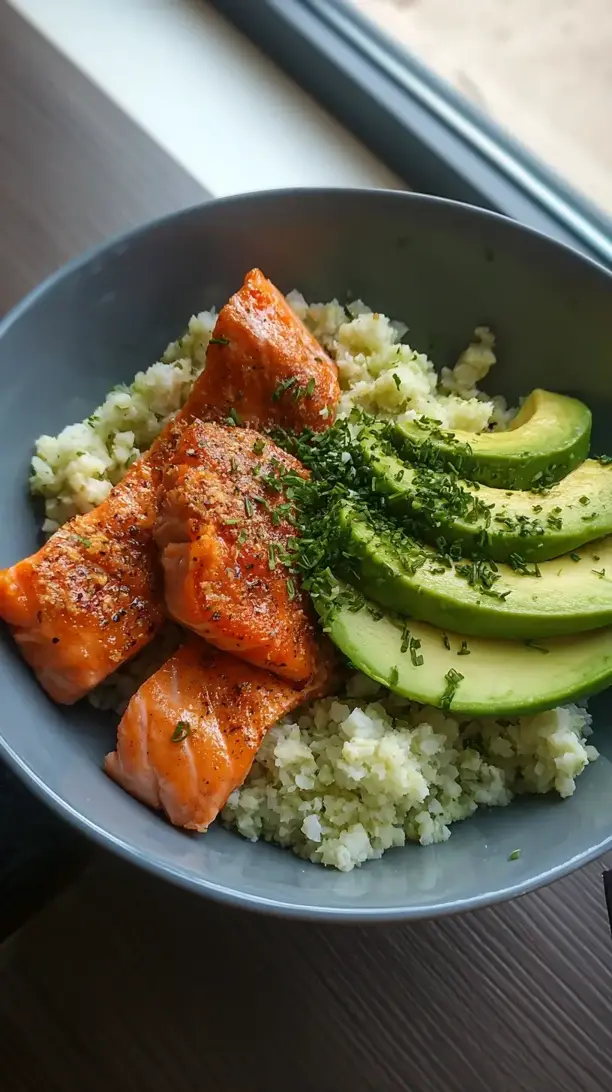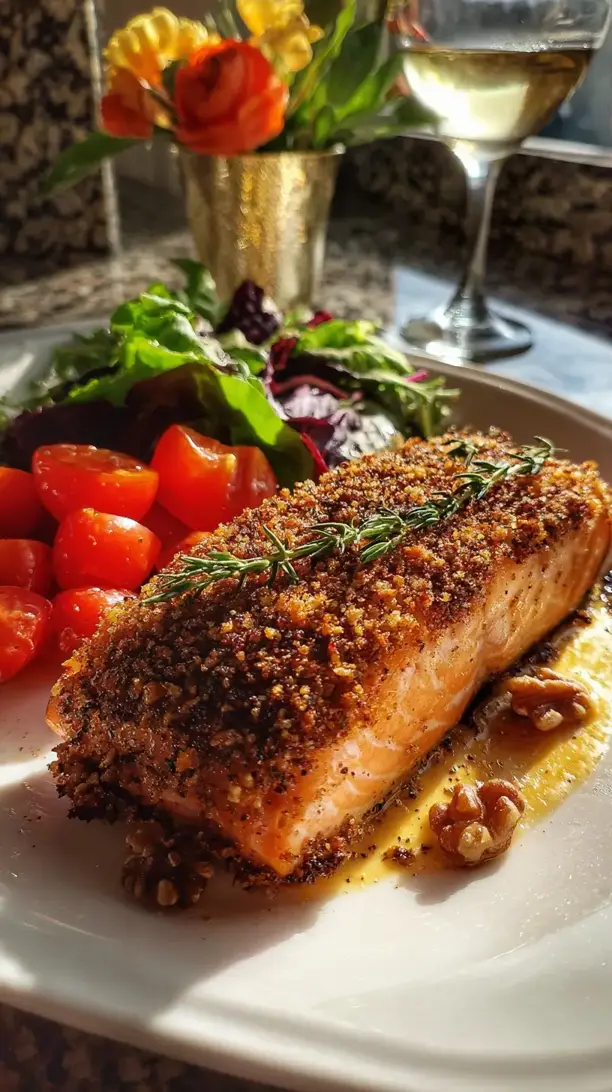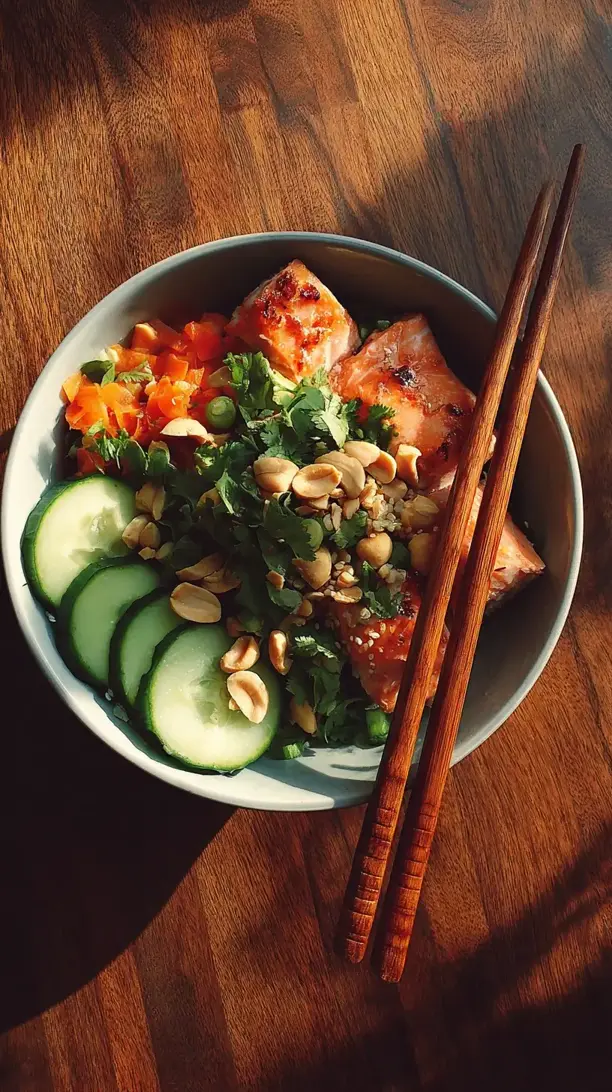

This Salmon Tom Yum is a luxurious twist on the classic Thai soup. Rich, flaky salmon soaks up the vibrant spicy-sour broth for a comforting yet elegant meal. It comes together quickly with aromatic ingredients like lemongrass, lime leaves, and chilies.
Why You’ll Love This Salmon Tom Yum
- Flavor explosion: Each spoonful balances spicy, sour, salty, and savory.
- Luxurious texture: Buttery, flaky salmon makes it feel indulgent.
- Quick & easy: Ready in under 30 minutes for a special weeknight.
- Aromatic comfort: Lemongrass, lime leaves, and galangal create a fragrant, soothing broth.
Ingredients & Tools
- 400 g salmon fillet, skinless, cut into 1.5-inch chunks
- 4 cups good-quality chicken or vegetable broth
- 2 stalks lemongrass, bruised and cut into 2-inch pieces
- 4–5 slices galangal (about 1-inch thick)
- 4–6 kaffir lime leaves, torn
- 2–4 Thai bird’s eye chilies, lightly crushed (adjust to taste)
- 200 g mushrooms (straw or oyster work well), sliced
- 1 medium tomato, cut into wedges
- 1 small red onion, thinly sliced
- 3 tbsp fish sauce
- 2–3 tbsp fresh lime juice (from about 1–2 limes)
- 1 tsp palm sugar or light brown sugar
- 1/4 cup fresh cilantro, chopped
- 2 spring onions, sliced
Tools: A medium-sized soup pot, a fine-mesh skimmer or slotted spoon is helpful for removing aromatics.
Notes: Don’t stress if you can’t find galangal—fresh ginger is a decent substitute, though the flavor will be slightly different. And for the chilies, you can always remove the seeds to dial down the heat a notch. The quality of your broth really matters here, so if you have homemade, this is the time to use it!
Nutrition (per serving)
| Calories: | 285 kcal |
| Protein: | 28 g |
| Fat: | 12 g |
| Carbs: | 15 g |
| Fiber: | 3 g |
Serves: 3-4 | Prep Time: 15 minutes | Cook Time: 15 minutes | Total Time: 30 minutes
Before You Start: Tips & Ingredient Notes
- Don’t skip the bruising! Seriously, take the time to whack your lemongrass stalks with the back of your knife. This simple step releases all those incredible essential oils and makes a world of difference in the final flavor of the broth.
- What if I can’t find kaffir lime leaves? While their unique, floral-citrus aroma is irreplaceable, in a pinch you can add an extra tablespoon of lime juice and a teaspoon of finely grated lime zest to the broth just before serving. It won’t be the same, but it’ll help.
- Be gentle with the salmon. The trick is to add the salmon chunks at the very end and let them cook gently in the hot broth. If you boil them vigorously, they’ll break apart and become tough. We want them tender and silky.
- Taste, taste, taste as you go. The balance of salty (fish sauce), sour (lime), and sweet (sugar) is deeply personal. Start with the amounts given, then adjust to your preference right at the end until it sings for you.
How to Make Salmon Tom Yum
Step 1: Start by prepping all your aromatics. Take your lemongrass stalks and smash them firmly with the back of your knife—you’ll hear a satisfying crunch and smell that amazing fragrance immediately. Slice them into 2-inch pieces. Give the galangal a good whack too, and tear the kaffir lime leaves to help release their oils. Lightly crush the chilies if you want a spicier broth; leaving them whole will give a more subtle heat.
Step 2: Pour your broth into a medium pot and bring it to a gentle simmer over medium-high heat. Once it’s simmering, add the bruised lemongrass, galangal slices, torn kaffir lime leaves, and the chilies. Let this infuse for about 8-10 minutes. You’ll notice the broth becoming incredibly fragrant—the kitchen will start to smell like a proper Thai restaurant. This is the foundation of your soup, so don’t rush it.
Step 3: Now, it’s time for the vegetables. Add your sliced mushrooms, tomato wedges, and the thinly sliced red onion to the pot. Let them cook for about 3-4 minutes, just until the mushrooms have softened and the tomatoes are starting to break down a little. They’ll add a wonderful body and sweetness to the broth.
Step 4: While the veggies are cooking, season the broth. Stir in the fish sauce and the palm sugar. Taste it now—it should be a little too salty and not quite sour enough. That’s perfect, because we’re adding the lime juice at the very end. The sugar is just there to round out the sharp edges, so it shouldn’t taste sweet.
Step 5: Here’s the crucial part with the salmon. Reduce the heat to low, so the broth is just barely simmering. Gently add your chunks of salmon to the pot. Let them poach for 3-4 minutes. Do not stir aggressively! You can gently shake the pot to submerge them. The salmon is done when it’s opaque and flakes easily with a fork, but is still moist in the center.
Step 6: Turn off the heat. Now, stir in the fresh lime juice. Adding the lime off the heat helps preserve its bright, fresh acidity. Give the broth one final taste and adjust the seasoning if needed—maybe a splash more fish sauce for saltiness, or another squeeze of lime for sourness.
Step 7: Finally, use a slotted spoon or skimmer to fish out the big pieces of lemongrass, galangal, and lime leaves. They’ve done their job flavoring the broth and aren’t pleasant to bite into. Then, ladle the soup into bowls, making sure everyone gets a good amount of salmon and veggies.
Step 8: Garnish generously with the chopped fresh cilantro and sliced spring onions. The fresh herbs add a burst of color and a final layer of freshness that really brings the whole dish together. Serve immediately while it’s piping hot!
Storage & Freshness Guide
- Fridge: Cool completely and store in an airtight container for up to 2 days.
- Freezer: Not recommended; the salmon texture will become watery upon thawing.
- Reviving: Reheat gently on the stovetop over low heat; do not boil.
Serving Suggestions
Complementary Dishes
- Steamed Jasmine Rice — A simple bowl of fluffy jasmine rice is the perfect companion to soak up every last drop of the incredible broth. It balances the soup’s intensity beautifully.
- Fresh Summer Rolls — The cool, crisp, and clean flavors of shrimp or veggie summer rolls with a peanut dipping sauce provide a lovely textural and temperature contrast to the hot soup.
- Thai Green Papaya Salad — The sharp, spicy, and crunchy salad cuts through the richness of the salmon and adds a fantastic refreshing element to the meal.
Drinks
- A Crisp Lager — The clean, effervescent quality of a light lager helps cleanse the palate between spicy, sour spoonfuls and is just incredibly refreshing.
- Thai Iced Tea — The sweet, creamy, and robust flavor of this classic drink is a fantastic counterpoint to the heat and acidity of the tom yum, creating a perfect yin-yang balance.
- Off-Dry Riesling — A slightly sweet white wine with bright acidity can stand up to the complex flavors in the soup without overpowering the delicate salmon.
Something Sweet
- Mango with Sticky Rice — You can’t go wrong with this iconic Thai dessert. The sweet, creamy mango and rich coconut sticky rice are the ultimate happy ending after a vibrant, savory meal.
- Coconut Ice Cream — A few scoops of rich, not-too-sweet coconut ice cream are wonderfully soothing after the chili heat and provide a simple, cool finish.
- Lychees Chilled in Their Syrup — This is the simplest, most elegant dessert. The floral, juicy lychees are light and refreshing, clearing the palate perfectly.
Top Mistakes to Avoid
- Mistake: Boiling the salmon. If you add the salmon to a rolling boil and cook it for too long, it will become tough, rubbery, and fall apart. The gentle poach is key for that melt-in-your-mouth texture.
- Mistake: Adding the lime juice too early. If you add the fresh lime juice at the beginning of the cooking process, the heat will cook out its bright, vibrant acidity, and your soup will taste flat. Always add it right at the end, off the heat.
- Mistake> Not tasting and adjusting at the end. Tom Yum is all about personal balance. If you just follow the recipe measurements without tasting at the end, you might miss the perfect harmony of salty, sour, and sweet for your palate.
- Mistake: Using old or low-quality broth. Since the broth is the base of the entire soup, using a bland or overly salty stock can throw the whole dish off. A good-quality, well-seasoned broth is non-negotiable.
Expert Tips
- Tip: For a richer, creamier version, stir in a tablespoon or two of evaporated milk or coconut milk right at the end, after you’ve turned off the heat. It creates a “Tom Yum Nam Khon” style soup that’s incredibly luxurious.
- Tip: If you want a clearer broth, you can strain it after infusing the aromatics and before adding the vegetables. This removes any fibrous bits and gives you a beautifully pristine soup.
- Tip: To make this ahead, prepare the broth base (through step 4) and store it in the fridge. When you’re ready to eat, simply reheat the broth, then proceed with adding the salmon and finishing touches. This keeps the salmon and herbs perfectly fresh.
- Tip: For an extra layer of umami depth, add a teaspoon of Thai roasted chili paste (Nam Prik Pao) when you add the fish sauce. It adds a subtle sweetness and a deep, complex flavor that is just amazing.
FAQs
Can I use a different type of fish?
Absolutely! While salmon is our star here, other firm-fleshed fish work wonderfully. Try using cod, halibut, or even sea bass. Just make sure the pieces are thick enough to hold up to poaching without disintegrating. Avoid very delicate fish like tilapia or sole, as they’ll likely fall apart in the bubbling broth. The cooking time might vary slightly depending on the thickness of your fish, so always check for doneness by seeing if it flakes easily.
Is there a way to make this less spicy?
Of course! The heat primarily comes from the Thai bird’s eye chilies. To control the spice level, you can start by using fewer chilies, or simply leave them whole instead of crushing them—this infuses a milder heat. You can also remove the seeds, which is where a lot of the capsaicin lives. If you’ve already made it too spicy, a tiny pinch of sugar can help balance the heat, or a splash of coconut milk will mellow it out beautifully.
Can I make this vegetarian?
You definitely can for a delicious Vegetarian Tom Yum. Simply substitute the fish sauce with soy sauce or vegan fish sauce, use a robust vegetable broth, and replace the salmon with firm tofu cubes or a mix of hearty vegetables like broccoli and baby corn. You’ll still get that incredible aromatic broth, and the tofu will soak up all the flavors beautifully. Just add the tofu at the very end, just like the salmon, to warm it through.
How long do leftovers keep?
Leftovers will keep in an airtight container in the refrigerator for up to 2 days. Reheat it very gently on the stovetop over low heat—do not microwave it on high, as this will absolutely overcook the salmon and make it rubbery. The broth might separate a little, but a good stir will bring it back together. The flavor is often even more developed the next day!
My broth isn’t sour enough. What can I do?
No problem! The sourness comes from the lime juice, and sometimes limes can vary in acidity. If your soup isn’t punchy enough after adding the recommended amount, simply squeeze in more fresh lime juice, a tablespoon at a time, until it reaches the tangy level you love. You could also add a very small squeeze of lemon juice to bolster it, but fresh lime is always best for that authentic tom yum flavor profile.

Salmon Tom Yum
Make this easy Salmon Tom Yum recipe in under 30 minutes! Enjoy a luxurious Thai soup with flaky salmon in a spicy-sour broth. Get the full recipe now!
Ingredients
For the soup
-
400 g salmon fillet (skinless, cut into 1.5-inch chunks)
-
4 cups good-quality chicken or vegetable broth
-
2 stalks lemongrass (bruised and cut into 2-inch pieces)
-
4-5 slices galangal (about 1-inch thick)
-
4-6 kaffir lime leaves (torn)
-
2-4 Thai bird's eye chilies (lightly crushed (adjust to taste))
-
200 g mushrooms (straw or oyster work well, sliced)
-
1 medium tomato (cut into wedges)
-
1 small red onion (thinly sliced)
-
3 tbsp fish sauce
-
2-3 tbsp fresh lime juice (from about 1-2 limes)
-
1 tsp palm sugar or light brown sugar
-
1/4 cup fresh cilantro (chopped)
-
2 spring onions (sliced)
Instructions
-
Start by prepping all your aromatics. Take your lemongrass stalks and smash them firmly with the back of your knife—you’ll hear a satisfying crunch and smell that amazing fragrance immediately. Slice them into 2-inch pieces. Give the galangal a good whack too, and tear the kaffir lime leaves to help release their oils. Lightly crush the chilies if you want a spicier broth; leaving them whole will give a more subtle heat.01
-
Pour your broth into a medium pot and bring it to a gentle simmer over medium-high heat. Once it’s simmering, add the bruised lemongrass, galangal slices, torn kaffir lime leaves, and the chilies. Let this infuse for about 8-10 minutes. You’ll notice the broth becoming incredibly fragrant—the kitchen will start to smell like a proper Thai restaurant. This is the foundation of your soup, so don’t rush it.02
-
Now, it’s time for the vegetables. Add your sliced mushrooms, tomato wedges, and the thinly sliced red onion to the pot. Let them cook for about 3-4 minutes, just until the mushrooms have softened and the tomatoes are starting to break down a little. They’ll add a wonderful body and sweetness to the broth.03
-
While the veggies are cooking, season the broth. Stir in the fish sauce and the palm sugar. Taste it now—it should be a little too salty and not quite sour enough. That’s perfect, because we’re adding the lime juice at the very end. The sugar is just there to round out the sharp edges, so it shouldn’t taste sweet.04
-
Here’s the crucial part with the salmon. Reduce the heat to low, so the broth is just barely simmering. Gently add your chunks of salmon to the pot. Let them poach for 3-4 minutes. Do not stir aggressively! You can gently shake the pot to submerge them. The salmon is done when it’s opaque and flakes easily with a fork, but is still moist in the center.05
-
Turn off the heat. Now, stir in the fresh lime juice. Adding the lime off the heat helps preserve its bright, fresh acidity. Give the broth one final taste and adjust the seasoning if needed—maybe a splash more fish sauce for saltiness, or another squeeze of lime for sourness.06
-
Finally, use a slotted spoon or skimmer to fish out the big pieces of lemongrass, galangal, and lime leaves. They’ve done their job flavoring the broth and aren’t pleasant to bite into. Then, ladle the soup into bowls, making sure everyone gets a good amount of salmon and veggies.07
-
Garnish generously with the chopped fresh cilantro and sliced spring onions. The fresh herbs add a burst of color and a final layer of freshness that really brings the whole dish together. Serve immediately while it’s piping hot!08