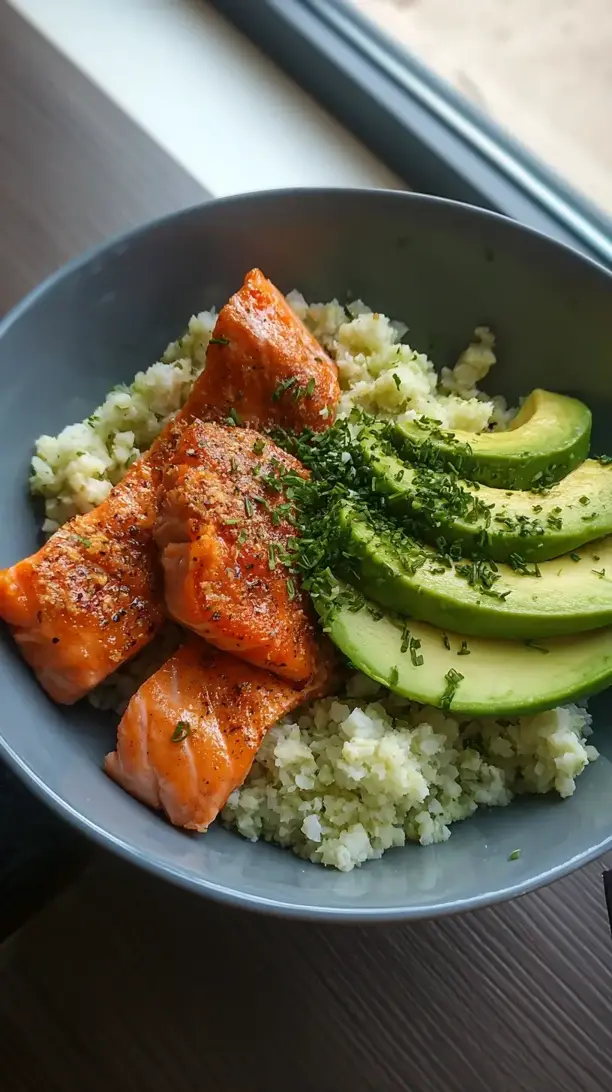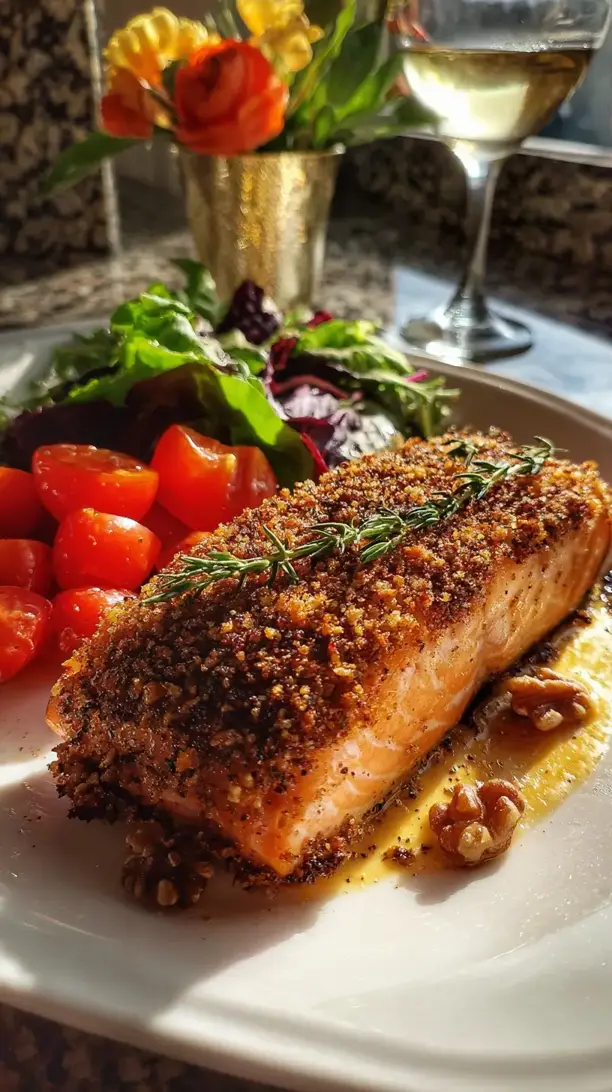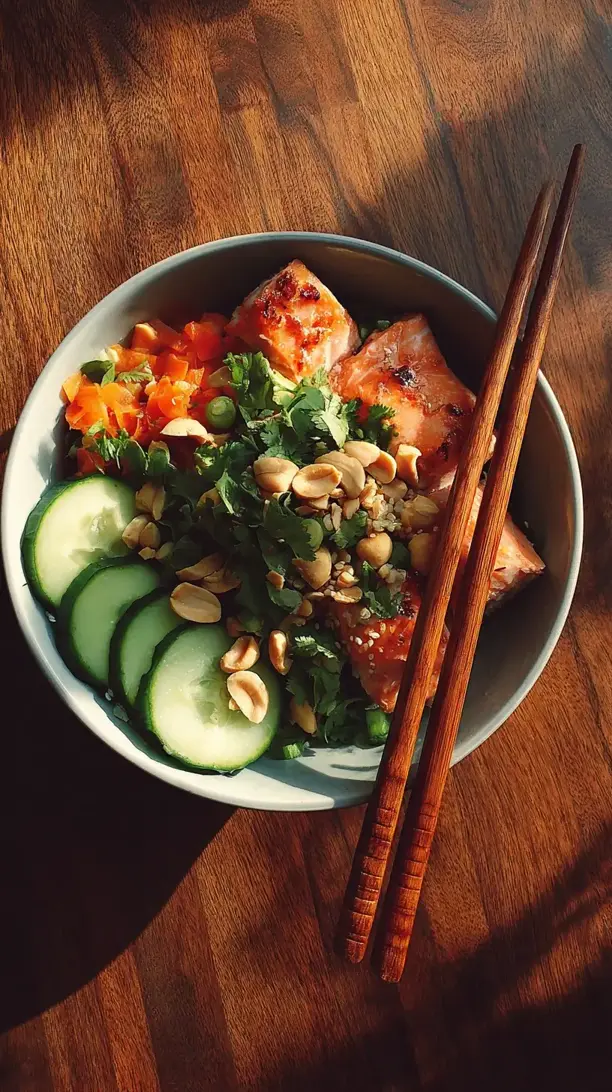

Salmon Piccata transforms a classic Italian dish with tender, flaky fish in a tangy lemon-caper butter sauce. This elegant yet easy salmon piccata comes together in under 30 minutes for a restaurant-quality weeknight meal. The rich salmon stands up beautifully to the bright, punchy sauce.
Why You’ll Love This Salmon Piccata
- Restaurant-quality ease: Sophisticated flavors with straightforward steps.
- Incredible lemon-caper sauce: Buttery, tangy, and perfectly balanced.
- Fast & fancy: Ready in 25 minutes but feels special.
- Approachable elegance: Forgiving method with impressive results.
Ingredients & Tools
- 4 salmon fillets (about 150 g each), skin-on or skinless
- 3 tbsp olive oil, divided
- Salt and freshly ground black pepper to taste
- 60 g all-purpose flour
- 3 garlic cloves, minced
- 120 ml dry white wine (like Sauvignon Blanc)
- 240 ml chicken or vegetable broth
- Juice of 1 large lemon (about 60 ml)
- 2 tbsp capers, drained
- 3 tbsp unsalted butter, cut into cubes
- 2 tbsp fresh parsley, chopped
Tools: Large skillet (non-stick or stainless steel), tongs, measuring cups/spoons, citrus juicer (optional but helpful)
Notes: Use dry white wine for acidity; substitute with broth and a splash of white wine vinegar if needed. Don’t skip capers—they add essential briny balance.
Nutrition (per serving)
| Calories: | 420 kcal |
| Protein: | 35 g |
| Fat: | 24 g |
| Carbs: | 10 g |
| Fiber: | 1 g |
Serves: 4 | Prep Time: 10 minutes | Cook Time: 15 minutes | Total Time: 25 minutes
Before You Start: Tips & Ingredient Notes
- Pat your salmon dry. This might seem like a small thing, but it makes a huge difference. Moisture on the surface of the fish will steam instead of sear, and you’ll miss out on that beautiful golden crust. Use paper towels and really press gently to absorb any extra moisture.
- Don’t be shy with seasoning. Salmon can handle—and honestly, needs—a good amount of salt and pepper. Season both sides of the fillets right before dredging them in flour. This builds layers of flavor from the very beginning.
- Use fresh lemon juice. I know it’s tempting to reach for the bottled stuff, but freshly squeezed lemon juice makes the sauce taste brighter and more vibrant. You’ll notice the difference immediately—it just has more life.
- Have all your sauce ingredients ready. Once you start making the piccata sauce, things move quickly. Having your wine, broth, lemon juice, and capers measured and within arm’s reach will prevent any last-minute scrambling and ensure your sauce comes together smoothly.
How to Make Salmon Piccata
Step 1: Start by prepping your salmon. Pat the fillets completely dry with paper towels, then season both sides generously with salt and pepper. Place the flour on a plate and lightly dredge each fillet, shaking off any excess. You’re not going for a thick coating here—just a light dusting that will help create a nice crust and thicken the sauce slightly later on.
Step 2: Heat 2 tablespoons of olive oil in a large skillet over medium-high heat. Once the oil is shimmering (you can test it by flicking a tiny bit of flour into the pan—if it sizzles, you’re good), carefully add the salmon fillets. If you’re using skin-on salmon, place them skin-side up first. Cook for about 4–5 minutes, until a golden-brown crust forms on the bottom. You’ll notice the color changing from translucent pink to opaque about halfway up the sides.
Step 3: Flip the salmon using tongs and cook for another 3–4 minutes on the second side. The exact time will depend on the thickness of your fillets—you’re aiming for flaky but still moist flesh. Once cooked, transfer the salmon to a clean plate and tent loosely with foil to keep warm. Don’t worry if it’s not 100% cooked through; it will finish resting while you make the sauce.
Step 4: Reduce the heat to medium and add the remaining tablespoon of olive oil to the same skillet. Add the minced garlic and sauté for about 30 seconds, just until fragrant—be careful not to burn it, or it’ll turn bitter. Now, pour in the white wine to deglaze the pan, scraping up all those delicious browned bits from the bottom with a wooden spoon. Let the wine simmer and reduce by about half, which should take 2–3 minutes.
Step 5: Stir in the chicken broth, lemon juice, and capers. Bring the mixture to a lively simmer and let it cook for another 3–4 minutes, allowing the liquid to reduce and concentrate in flavor. You’ll notice the sauce starting to thicken slightly and coat the back of a spoon. This is when the magic really happens—the sharpness of the lemon mellows, and all the flavors come together.
Step 6: Turn off the heat and whisk in the cold butter, one cube at a time, until the sauce becomes glossy and emulsified. This step—called mounting with butter—gives the piccata sauce its signature velvety texture and rich flavor. Finally, stir in the chopped parsley and season the sauce with a little more salt and pepper if needed. Give it a quick taste—it should be tangy, buttery, and beautifully balanced.
Step 7: Return the salmon fillets to the skillet, spooning the sauce over the top to warm them through for a minute. Alternatively, you can plate the salmon individually and pour the sauce over each serving. Either way, you’ll want to serve it immediately while the salmon is still warm and the sauce is at its peak.
Storage & Freshness Guide
- Fridge: Store leftover salmon and sauce in an airtight container for up to 2 days.
- Freezer: Freezing is not recommended; the sauce may separate and salmon texture can suffer.
- Reviving: Gently reheat in a covered skillet over low heat; add a splash of broth if sauce has thickened.
Serving Suggestions
Complementary Dishes
- Creamy Parmesan Polenta — The soft, cheesy polenta acts like a cozy bed for the salmon and soaks up every drop of that glorious piccata sauce.
- Garlic Mashed Potatoes — Comforting and rich, these potatoes balance the tangy sauce and make the whole meal feel more substantial.
- Simple Arugula Salad — A handful of peppery arugula dressed with lemon vinaigrette provides a fresh, crisp contrast to the rich salmon.
- Buttered Linguine — Toss al dente linguine with a bit of butter and parsley, then top with the salmon and sauce for a truly Italian-inspired feast.
Drinks
- Crisp Sauvignon Blanc — The wine’ citrusy notes mirror the lemon in the sauce and cut through the richness of the dish beautifully.
- Sparkling Water with Lemon — For a non-alcoholic option, the bubbles and citrus cleanse the palate between each flavorful bite.
- Pinot Grigio — Light, dry, and refreshing, this white wine won’t overpower the delicate flavors of the salmon and sauce.
Something Sweet
- Lemon Sorbet — A bright, palate-cleansing dessert that continues the citrus theme without feeling too heavy.
- Almond Biscotti — Crunchy, nutty, and perfect for dipping into a cup of espresso after the meal.
- Vanilla Panna Cotta — Silky, cool, and subtly sweet—it’s the perfect creamy finish to a tangy, savory main course.
Top Mistakes to Avoid
- Overcooking the salmon. Salmon continues to cook after it’s removed from the heat, so take it out of the pan when it’s still slightly translucent in the center. Overcooked salmon becomes dry and chalky, which really dulls the luxurious feel of this dish.
- Burning the garlic. Garlic cooks in seconds, and burnt garlic will make your entire sauce taste bitter. Keep the heat at medium when sautéing, and stir constantly until it’s just fragrant.
- Skipping the deglazing step. Those browned bits at the bottom of the pan are packed with flavor. If you don’t scrape them up with the wine, you’re missing out on a ton of depth and complexity in your sauce.
- Adding butter while the heat is still on. If the sauce is too hot when you whisk in the butter, it can break and become oily instead of emulsifying into a smooth, glossy finish. Always turn off the heat before adding the butter.
Expert Tips
- Tip: Let the salmon come to room temperature for 15–20 minutes before cooking. This helps it cook more evenly from edge to center, so you avoid that unpleasant contrast of overcooked edges and undercooked middle.
- Tip: Use a mix of butter and olive oil for cooking the salmon. The olive oil has a higher smoke point, which prevents burning, while the butter adds flavor. You can even add a tablespoon of butter to the pan when searing for extra richness.
- Tip: If your sauce seems too thin after adding the butter, you can thicken it slightly by mixing a teaspoon of cornstarch with a tablespoon of cold water and stirring it into the simmering sauce. But honestly, letting it reduce naturally usually does the trick.
- Tip: For an extra layer of flavor, add a strip of lemon zest to the sauce while it’s reducing. Just remember to remove it before serving—it infuses the sauce with bright citrus oil without making it bitter.
FAQs
Can I use frozen salmon for this recipe?
Absolutely, but there’s a crucial step: thaw it completely in the refrigerator overnight. Pat it extra dry with paper towels to remove any excess moisture that’s been released during thawing. If you try to cook it from frozen, you’ll end up steaming the fish instead of searing it, and the texture just won’t be the same.
What can I use instead of white wine?
No worries—you can replace the white wine with an equal amount of chicken or vegetable broth plus a tablespoon of white wine vinegar or fresh lemon juice. The goal is to replicate that acidic punch that helps balance the richness of the butter and salmon.
How do I know when the salmon is cooked perfectly?
The best method is to check the internal temperature with an instant-read thermometer—you’re aiming for about 52–54°C for medium. If you don’t have a thermometer, look for the flesh to be opaque and flake easily with a fork, but still appear slightly glossy in the very center.
Can I make the sauce ahead of time?
You can prepare the sauce components in advance, but I’d recommend making it fresh. If you must, you can gently reheat the sauce over low heat, but be careful not to boil it or the butter may separate. Whisk in a splash of broth or water to bring it back together if needed.
Is it okay to use salted butter?
You can, but you’ll need to adjust the added salt in the recipe. Unsalted butter gives you more control over the seasoning, especially since capers also contribute saltiness. If salted butter is all you have, just taste the sauce before adding any extra salt at the end.

Salmon Piccata
Make restaurant-quality Salmon Piccata in under 30 minutes! This easy recipe features pan-seared salmon in a tangy lemon-caper sauce. Get the step-by-step guide now!
Ingredients
For the Ingredients
-
4 salmon fillets (about 150 g each, skin-on or skinless)
-
3 tbsp olive oil (divided)
-
Salt and freshly ground black pepper (to taste)
-
60 g all-purpose flour
-
3 garlic cloves (minced)
-
120 ml dry white wine (like Sauvignon Blanc)
-
240 ml chicken or vegetable broth
-
1 large lemon (juice of, about 60 ml)
-
2 tbsp capers (drained)
-
3 tbsp unsalted butter (cut into cubes)
-
2 tbsp fresh parsley (chopped)
Instructions
-
Start by prepping your salmon. Pat the fillets completely dry with paper towels, then season both sides generously with salt and pepper. Place the flour on a plate and lightly dredge each fillet, shaking off any excess. You’re not going for a thick coating here—just a light dusting that will help create a nice crust and thicken the sauce slightly later on.01
-
Heat 2 tablespoons of olive oil in a large skillet over medium-high heat. Once the oil is shimmering (you can test it by flicking a tiny bit of flour into the pan—if it sizzles, you’re good), carefully add the salmon fillets. If you’re using skin-on salmon, place them skin-side up first. Cook for about 4–5 minutes, until a golden-brown crust forms on the bottom. You’ll notice the color changing from translucent pink to opaque about halfway up the sides.02
-
Flip the salmon using tongs and cook for another 3–4 minutes on the second side. The exact time will depend on the thickness of your fillets—you’re aiming for flaky but still moist flesh. Once cooked, transfer the salmon to a clean plate and tent loosely with foil to keep warm. Don’t worry if it’s not 100% cooked through; it will finish resting while you make the sauce.03
-
Reduce the heat to medium and add the remaining tablespoon of olive oil to the same skillet. Add the minced garlic and sauté for about 30 seconds, just until fragrant—be careful not to burn it, or it’ll turn bitter. Now, pour in the white wine to deglaze the pan, scraping up all those delicious browned bits from the bottom with a wooden spoon. Let the wine simmer and reduce by about half, which should take 2–3 minutes.04
-
Stir in the chicken broth, lemon juice, and capers. Bring the mixture to a lively simmer and let it cook for another 3–4 minutes, allowing the liquid to reduce and concentrate in flavor. You’ll notice the sauce starting to thicken slightly and coat the back of a spoon. This is when the magic really happens—the sharpness of the lemon mellows, and all the flavors come together.05
-
Turn off the heat and whisk in the cold butter, one cube at a time, until the sauce becomes glossy and emulsified. This step—called mounting with butter—gives the piccata sauce its signature velvety texture and rich flavor. Finally, stir in the chopped parsley and season the sauce with a little more salt and pepper if needed. Give it a quick taste—it should be tangy, buttery, and beautifully balanced.06
-
Return the salmon fillets to the skillet, spooning the sauce over the top to warm them through for a minute. Alternatively, you can plate the salmon individually and pour the sauce over each serving. Either way, you’ll want to serve it immediately while the salmon is still warm and the sauce is at its peak.07