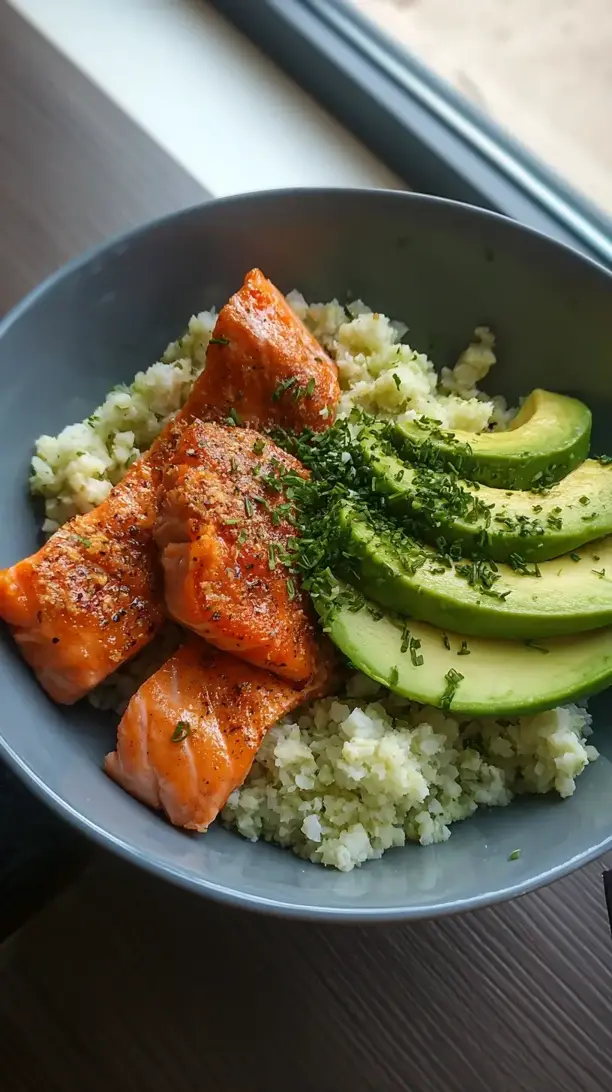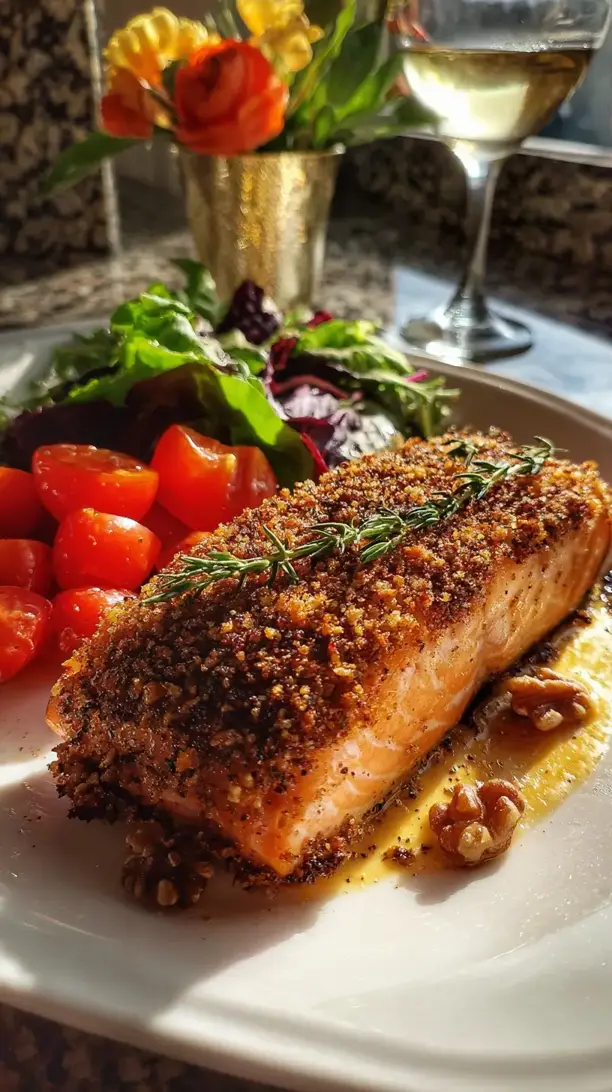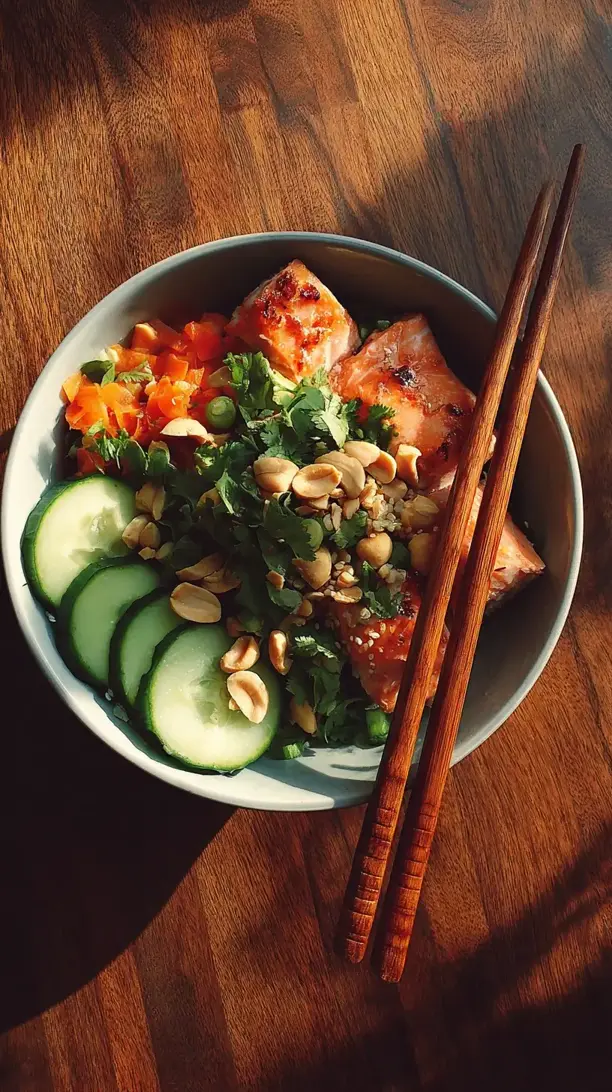

This Salmon Fried Rice is a restaurant-quality meal made easy at home. Flaky salmon, savory soy, and tender vegetables come together in one pan for a complete, nourishing dinner. Using day-old rice ensures perfect texture in this fast, flavorful salmon fried rice.
Why You’ll Love This Salmon Fried Rice
- Fast & easy: Ready in about 25 minutes with straightforward steps.
- Divine flavor: Buttery salmon, savory sauce, and aromatic garlic and ginger.
- Leftover-friendly: Perfect for using up cold rice and extra vegetables.
- Nutritious & satisfying: Packed with protein, omega-3s, and veggies.
Ingredients & Tools
- 450 g skinless salmon fillet, cut into 1-inch cubes
- 3 cups cold, cooked jasmine rice (day-old is best)
- 2 large eggs, lightly beaten
- 1 cup frozen peas and carrots mix, thawed
- 3 cloves garlic, minced
- 1 tbsp fresh ginger, grated
- 3 green onions, thinly sliced (white and green parts separated)
- 3 tbsp soy sauce (or tamari for gluten-free)
- 1 tbsp oyster sauce
- 2 tsp sesame oil
- 1 tbsp vegetable or canola oil
- 1/2 tsp white pepper (black pepper works too)
- 1 tsp sugar (optional, to balance saltiness)
Tools: A large wok or a large, non-stick skillet, a spatula, and a set of measuring spoons.
Notes: Using cold, day-old rice is non-negotiable for the best texture—freshly cooked rice is too moist and will turn mushy. And don’t skip the sesame oil at the end; it adds that incredible, nutty aroma that makes this dish so irresistible.
Nutrition (per serving)
| Calories: | 485 kcal |
| Protein: | 31 g |
| Fat: | 18 g |
| Carbs: | 47 g |
| Fiber: | 3 g |
Serves: 4 | Prep Time: 10 minutes | Cook Time: 15 minutes | Total Time: 25 minutes
Before You Start: Tips & Ingredient Notes
- Why is cold rice so important? Freshly cooked rice contains a lot of steam and moisture, which causes it to clump together and become gummy when fried. Cold, day-old rice has dried out slightly, resulting in separate, distinct grains that fry up perfectly and absorb the sauce without getting soggy.
- Can I use a different type of rice? Jasmine rice is my top choice for its fragrant, slightly sticky quality, but you can use any long-grain rice like basmati. Just avoid short-grain or sushi rice, as they are too starchy and will make your fried rice gluey.
- What if my salmon is frozen? No problem! Thaw it completely in the refrigerator overnight first. Pat it very dry with paper towels before cubing and cooking. If you add frozen salmon directly to the pan, it will release too much water and steam instead of searing.
- Is there a substitute for oyster sauce? If you don’t have oyster sauce, you can use hoisin sauce for a slightly sweeter note, or just add an extra tablespoon of soy sauce. The oyster sauce adds a deep, savory umami, so it’s worth having, but the dish will still be delicious without it.
How to Make Salmon Fried Rice
Step 1: Prepare Your Ingredients. This is a fast-moving recipe, so having everything prepped and within arm’s reach is key—this is your “mise en place.” Cube the salmon, mince the garlic, grate the ginger, and slice the green onions, keeping the white and green parts separate. Lightly beat the eggs in a small bowl. Break up the cold rice with your fingers to ensure there are no large clumps. You’ll thank yourself for this prep work once you start cooking.
Step 2: Cook the Salmon. Heat your wok or large skillet over medium-high heat. Add the vegetable oil. Once the oil is shimmering, add the cubed salmon in a single layer. Season with a pinch of white pepper. Let it cook undisturbed for about 1-2 minutes to get a nice sear on one side, then gently flip and cook for another 1-2 minutes until the salmon is just cooked through and flakes easily. It will continue to cook later, so it’s okay if it’s still a little pink in the center. Remove the salmon from the pan and set it aside on a plate.
Step 3: Scramble the Eggs. Reduce the heat to medium. Pour the beaten eggs into the same pan. Let them set for about 20 seconds, then gently scramble them with your spatula, breaking them up into small, curd-like pieces. Once they’re just cooked through (they should look soft and slightly runny still, as they’ll cook more later), remove them from the pan and add them to the plate with the salmon.
Step 4: Sauté the Aromatics. In the same pan, add a tiny bit more oil if it looks dry. Add the white parts of the green onions, the minced garlic, and grated ginger. Stir-fry for just 30-60 seconds until incredibly fragrant—be careful not to burn the garlic, or it will turn bitter. You’ll notice the aroma filling your kitchen… that’s how you know it’s ready.
Step 5: Fry the Rice and Vegetables. Increase the heat back to medium-high. Add the cold, crumbled rice and the thawed peas and carrots to the pan. Use your spatula to press and toss the rice, breaking up any remaining clumps. Stir-fry for 2-3 minutes until the rice is heated through and each grain is separated. You should hear a slight sizzling sound—that’s what you want!
Step 6: Combine and Season. Return the cooked salmon and scrambled eggs to the pan. Drizzle the soy sauce and oyster sauce evenly over everything. Add the optional sugar if using. Toss everything together quickly and efficiently to coat every grain of rice and every piece of salmon in the savory sauce. Cook for another 1-2 minutes until everything is piping hot.
Step 7: The Final Touch. Turn off the heat. Drizzle the sesame oil over the fried rice and toss one final time. Stir in most of the green parts of the green onions, saving a handful for garnish. Taste and adjust seasoning if needed—you might want an extra splash of soy sauce. The finished dish should be glossy, fragrant, and have a beautiful mix of colors.
Storage & Freshness Guide
- Fridge: Store in an airtight container for up to 2 days.
- Freezer: Freeze in a sealed container for up to 1 month.
- Reviving: Reheat in a skillet with a splash of water to restore moisture.
Serving Suggestions
Complementary Dishes
- A simple cucumber salad — The cool, crisp, and slightly tangy flavor of a quick-pickled cucumber salad provides a refreshing contrast to the rich, savory notes of the fried rice.
- Steamed or roasted broccoli — An extra side of green veggies never hurts, and broccoli’s mild bitterness complements the umami of the dish perfectly.
- Store-bought or homemade potstickers — For a real feast, serve this fried rice alongside some crispy potstickers. It turns a simple meal into a celebratory spread.
Drinks
- Jasmine green tea — The light, floral notes of jasmine tea cleanse the palate between bites and enhance the aromatic quality of the jasmine rice.
- A crisp lager or pilsner — The carbonation and mild bitterness of a cold beer cut through the richness of the salmon and provide a wonderfully refreshing balance.
- Sparkling water with lime — For a non-alcoholic option, the bubbles and citrus zing are fantastic for resetting your taste buds, making each bite of fried rice taste as vibrant as the first.
Something Sweet
- Mango with sticky rice — Continue the theme with another Southeast Asian classic. The sweet, creamy mango and coconut-infused sticky rice are a dreamy ending.
- Lychee sorbet — This light, floral sorbet is incredibly refreshing after a savory meal and feels like a sophisticated, palate-cleansing finish.
- Fortune cookies and green tea ice cream — A fun, classic combo. The slightly bitter, earthy ice cream is a perfect counterpoint to the sweet, crunchy cookie.
Top Mistakes to Avoid
- Mistake: Using warm, freshly cooked rice. This is the number one reason for mushy, clumpy fried rice. The excess moisture steams the rice instead of letting it fry, resulting in a gummy texture. I’ve messed this up before too, and the difference is night and day.
- Mistake: Overcrowding the pan. If you add too much ingredients at once, the temperature of the pan drops, and everything starts to steam. You want a good sear on the salmon and a proper fry on the rice, which requires space and high heat.
- Mistake: Overcooking the salmon initially. Remember, the salmon will be added back to the hot pan later. If you cook it all the way through in the first step, it can become dry and tough by the end. Cook it until it’s just opaque on the outside.
- Mistake: Adding the sesame oil too early. Sesame oil has a delicate flavor that diminishes with high heat. Always add it at the very end, off the heat, to preserve its wonderful nutty aroma.
Expert Tips
- Tip: Use your hands to break up the rice. Before it goes into the pan, take a few minutes to crumble the cold rice between your fingers. This ensures there are no hidden lumps and every grain gets coated in sauce for the most consistent texture.
- Tip: Get your pan screaming hot. A properly preheated wok or skillet is essential for that characteristic “wok hei” or breath of the wok—a slight smoky flavor that comes from quick cooking at high temperatures. You should hear a sizzle when the rice hits the pan.
- Tip: Don’t stir too often. It’s tempting to constantly move things around, but letting the rice sit for 30-second intervals allows it to develop a slight crispness on the bottom, adding another layer of texture to the final dish.
- Tip: Customize with your favorite add-ins. This recipe is a fantastic template. Feel free to toss in some chopped bell peppers, a handful of corn, or even some diced pineapple for a sweet and savory twist. A little chili garlic sauce is also wonderful if you like some heat.
FAQs
Can I use canned salmon for this recipe?
You can, but the texture and flavor will be different. Fresh salmon gives you those lovely, tender flakes, while canned salmon is already fully cooked and flaked, and can be a bit drier. If you do use it, make sure to drain it very well and add it at the very end with the sauces just to heat through. It’s a great pantry-friendly shortcut, but fresh is preferred for the best result.
How do I store and reheat leftovers?
Store any leftovers in an airtight container in the refrigerator for up to 2 days. The best way to reheat it is in a skillet over medium heat with a tiny splash of water or broth. This will re-steam the rice gently and prevent it from drying out. Avoid the microwave if you can, as it tends to make the rice rubbery and can overcook the salmon.
My fried rice turned out soggy. What happened?
This almost always comes down to one of two things: using rice that was too moist (not day-old) or adding too many wet ingredients at once. Another culprit could be frozen vegetables that weren’t thawed, as they release a lot of water as they cook. Next time, make sure your rice is cold and dry, and pat your thawed veggies with a paper towel to remove excess moisture.
Is this recipe kid-friendly?
Absolutely! It’s a great way to introduce fish to kids because the flavors are familiar and not overly “fishy.” You can even make it more appealing by using cookie cutters to shape the rice on their plates. If they’re sensitive to strong flavors, you can reduce the amount of garlic and ginger slightly.
Can I make this gluten-free?
Yes, very easily! Simply use tamari instead of regular soy sauce, and ensure your oyster sauce is a gluten-free brand (or substitute with more tamari or a gluten-free hoisin sauce). All the other core ingredients are naturally gluten-free, so it’s a simple swap that doesn’t compromise on flavor at all.
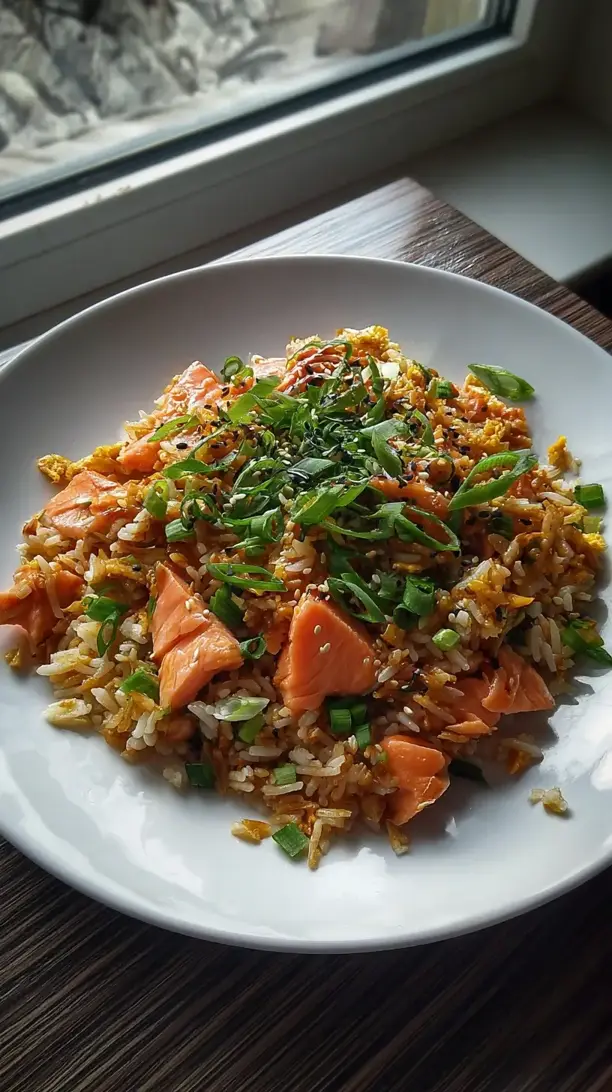
Salmon Fried Rice
Make easy, restaurant-quality Salmon Fried Rice at home in just 25 minutes. A complete, protein-packed meal with flaky salmon and savory sauce. Get the recipe now!
Ingredients
For the Main Ingredients:
-
450 g skinless salmon fillet (cut into 1-inch cubes)
-
3 cups cold, cooked jasmine rice (day-old is best)
-
2 large eggs (lightly beaten)
-
1 cup frozen peas and carrots mix (thawed)
-
3 cloves garlic (minced)
-
1 tbsp fresh ginger (grated)
-
3 green onions (thinly sliced (white and green parts separated))
For the Sauce and Seasonings:
-
3 tbsp soy sauce (or tamari for gluten-free)
-
1 tbsp oyster sauce
-
2 tsp sesame oil
-
1 tbsp vegetable or canola oil
-
0.5 tsp white pepper (black pepper works too)
-
1 tsp sugar (optional, to balance saltiness)