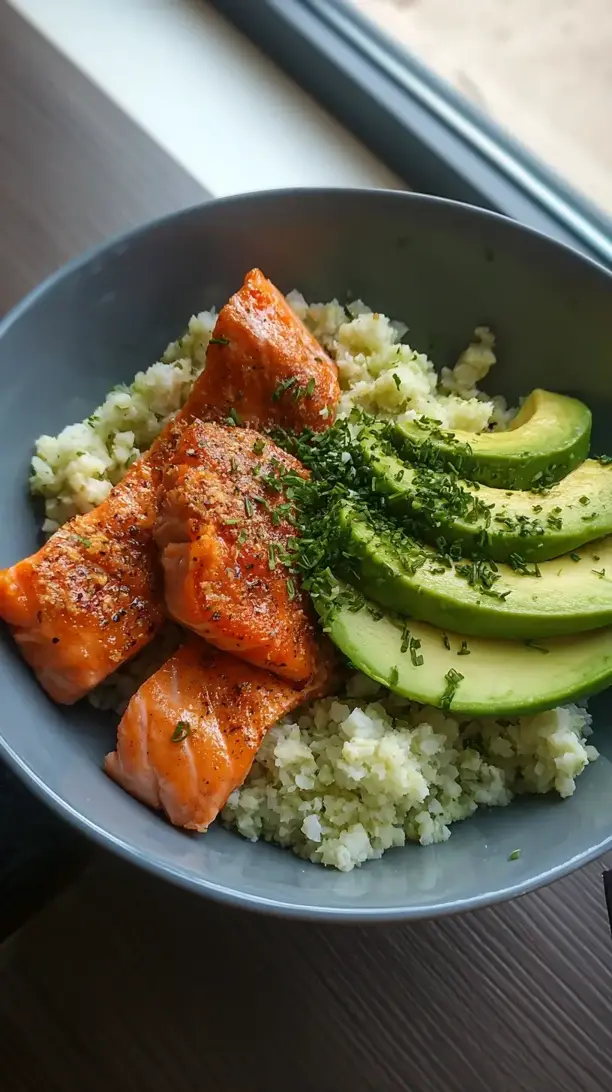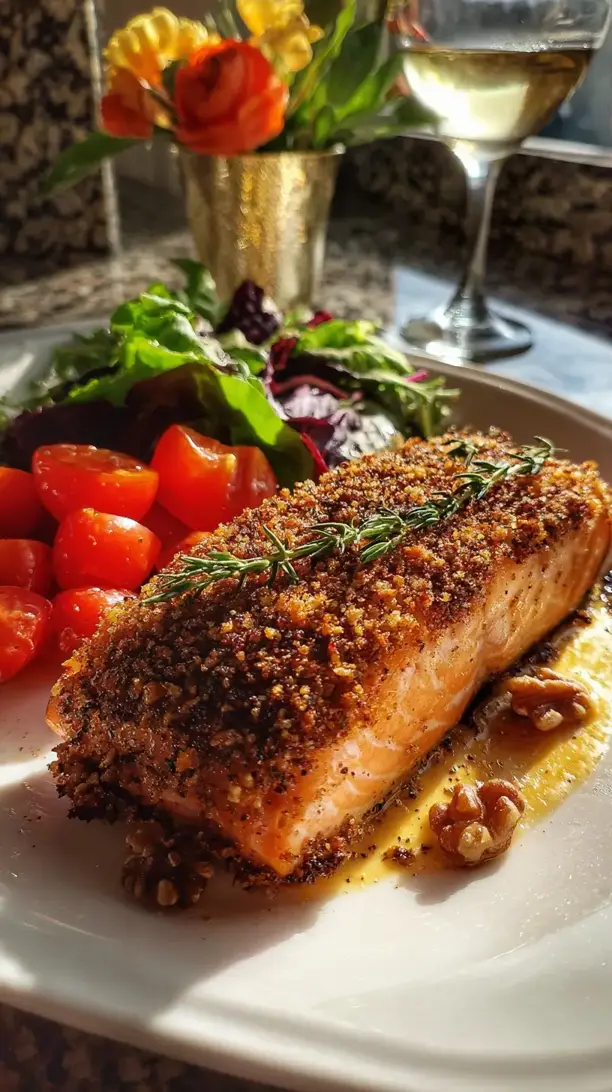

This pomegranate glazed salmon combines sweet, tangy glaze with rich, flaky fish for an elegant yet simple meal. The glossy ruby-red crust caramelizes beautifully while keeping the interior tender. It’s vibrant, impressive, and comes together with minimal effort.
Why You’ll Love This Pomegranate Glazed Salmon
- Flavorful & balanced: Sweet, tart, and savory notes complement the salmon perfectly.
- Impressive presentation: Glossy red glaze looks restaurant-worthy with little effort.
- Simple to make: Quick glaze and oven-baking mean minimal hands-on time.
- Versatile for any occasion: Equally suited for weeknights or special dinners.
Ingredients & Tools
- 4 salmon fillets (about 6 oz / 170 g each), skin-on or skinless
- 1 cup pomegranate juice
- 2 tbsp honey or maple syrup
- 2 tbsp balsamic vinegar
- 1 garlic clove, minced
- 1 tbsp soy sauce or tamari
- 1 tsp fresh ginger, grated
- 1/2 tsp smoked paprika
- 2 tbsp olive oil
- Salt and black pepper to taste
- 1/4 cup pomegranate arils (for garnish)
- 2 tbsp fresh chopped parsley or mint (for garnish)
Tools: Medium saucepan, baking sheet, parchment paper or aluminum foil, small bowl, brush for glazing
Notes: Use 100% pomegranate juice without added sugars for best flavor. Fresh ginger and garlic add warmth that balances the sweetness.
Nutrition (per serving)
| Calories: | 380 kcal |
| Protein: | 35 g |
| Fat: | 18 g |
| Carbs: | 20 g |
| Fiber: | 1 g |
Serves: 4 | Prep Time: 10 minutes | Cook Time: 15 minutes | Total Time: 25 minutes
Before You Start: Tips & Ingredient Notes
- Choose the right salmon. I prefer center-cut fillets that are about 1-inch thick—they cook evenly and stay wonderfully moist. If using frozen salmon, make sure it’s completely thawed and patted dry before you begin.
- Reduce that glaze properly. This is where the magic happens. You’ll want to simmer the glaze until it’s thick enough to coat the back of a spoon. If it’s too thin, it’ll just run off the salmon; too thick and it might burn.
- Don’t skip the garnishes. Those fresh pomegranate arils and herbs aren’t just for looks—they add little bursts of freshness and texture that really elevate the whole dish. Trust me, they make a difference.
- Get your oven hot. A properly preheated oven (425°F / 220°C) gives you that perfect caramelization on the glaze while keeping the interior of the salmon tender and flaky. No one wants steamed salmon!
How to Make Pomegranate Glazed Salmon
Step 1: Start by making your glaze. In a medium saucepan, combine the pomegranate juice, honey, balsamic vinegar, minced garlic, soy sauce, grated ginger, and smoked paprika. Bring it to a gentle boil over medium-high heat, then reduce the heat to maintain a steady simmer. You’ll notice the mixture bubbling away—this is where the flavors are concentrating. Let it cook for about 8-10 minutes, stirring occasionally, until it’s reduced by about half and has thickened to a syrupy consistency. When you drag a spoon across the bottom of the pan, it should leave a clean path that fills in slowly. Remove it from the heat and let it cool slightly—it will continue to thicken as it sits.
Step 2: While the glaze is reducing, prepare your salmon. Pat the fillets completely dry with paper towels—this is crucial for getting a nice sear and helping the glaze adhere. Place them on a baking sheet lined with parchment paper or foil. Drizzle the olive oil over both sides of the salmon, then season generously with salt and black pepper. Rub everything in to make sure the fish is evenly coated. You want that base flavor to shine through before the sweet glaze goes on.
Step 3: Now for the main event—glazing the salmon. Brush a generous layer of the pomegranate glaze over the top and sides of each salmon fillet. Reserve about a quarter of the glaze for brushing partway through cooking and for serving. The salmon should look beautifully coated in that deep red syrup. Make sure you get the edges too—they’ll caramelize beautifully in the oven.
Step 4: Time to bake! Place the baking sheet in your preheated 425°F (220°C) oven. The high heat will help create that gorgeous caramelized crust while keeping the interior moist. Bake for 5 minutes, then remove the pan briefly. Carefully brush another layer of glaze over each fillet—you’ll notice the first layer has started to set and soak in. This double-glazing technique builds incredible flavor and that perfect glossy finish.
Step 5: Return the salmon to the oven and continue baking for another 6-8 minutes, depending on the thickness of your fillets. The salmon is done when it flakes easily with a fork but still appears slightly translucent in the very center—remember, it will continue cooking from residual heat after you take it out. For medium, you’re looking for an internal temperature of about 125°F (52°C); for well-done, 145°F (63°C). Be careful not to overcook it, or it can become dry.
Step 6: Once out of the oven, let the salmon rest for 2-3 minutes on the baking sheet. This allows the juices to redistribute throughout the fish, ensuring every bite is moist and flavorful. Drizzle with the remaining glaze right before serving—this adds one last hit of that incredible pomegranate flavor. Garnish generously with fresh pomegranate arils and chopped herbs. The bright pops of the arils against the dark glaze make for a stunning presentation.
Storage & Freshness Guide
- Fridge: Store leftovers in an airtight container for up to 2 days.
- Freezer: Not recommended—glaze may become watery upon thawing.
- Reviving: Reheat gently in a 300°F oven with a splash of water, covered, for 10 minutes.
Serving Suggestions
Complementary Dishes
- Lemon herb quinoa — The light, fluffy texture and citrus notes provide a perfect base that soaks up any extra glaze beautifully.
- Roasted asparagus with garlic — Those tender-crisp spears add a wonderful earthy contrast to the sweet and tangy salmon.
- Creamy mashed potatoes — There’s something magical about the combination of rich potatoes and the vibrant salmon glaze—it’s comfort food elevated.
Drinks
- Dry rosé wine — Its crisp acidity and subtle fruitiness complement the sweet-tart glaze without overpowering the delicate salmon.
- Sparkling water with lemon — The bubbles and citrus help cleanse the palate between bites, making each taste of the salmon feel fresh and new.
- Ginger tea — Warm and slightly spicy, it echoes the ginger in the glaze and creates a wonderfully cozy pairing for cooler evenings.
Something Sweet
- Lemon sorbet — Its bright, clean citrus flavor provides the perfect refreshing finish after the rich salmon and sweet glaze.
- Dark chocolate truffles — A few pieces of high-quality dark chocolate offer a bitter contrast that plays beautifully against the residual sweetness.
- Almond cake with orange glaze — The nutty, citrus-kissed cake feels elegant and satisfying without being too heavy after the main course.
Top Mistakes to Avoid
- Mistake: Not reducing the glaze enough. If your glaze is too thin, it will just slide off the salmon and pool on the baking sheet instead of creating that beautiful caramelized crust. Take the time to simmer it until it properly coats the back of a spoon.
- Mistake: Overcooking the salmon. Salmon continues to cook after you remove it from the oven, so take it out when it’s still slightly under your desired doneness. I’ve messed this up before too—dry salmon is such a disappointment when the glaze is so perfect.
- Mistake: Skipping the double glazing. That second brush of glaze partway through cooking builds layers of flavor and creates that professional-looking glossy finish. Don’t just glaze once and call it done!
- Mistake: Using low-quality pomegranate juice. If your juice contains added sugars or other juices, it can throw off the balance of sweet and tart in your glaze. Pure pomegranate juice really makes all the difference.
Expert Tips
- Tip: Make extra glaze. This glaze is so good you’ll want to have extra on hand. It keeps well in the refrigerator for up to a week and is fantastic on chicken, roasted vegetables, or even as a salad dressing base.
- Tip: Try broiling at the end. For an even more caramelized, restaurant-style finish, switch your oven to broil for the last 1-2 minutes of cooking. Watch it carefully though—that sugar can burn quickly!
- Tip: Use an instant-read thermometer. Taking the guesswork out of doneness ensures perfect salmon every time. Aim for 125°F (52°C) for medium, remembering it will rise another 5-10 degrees while resting.
- Tip: Let the salmon come to room temperature. Taking the chill off your salmon fillets for 15-20 minutes before cooking helps them cook more evenly from edge to center, preventing that overcooked outside and raw inside situation.
FAQs
Can I make this glaze ahead of time?
Absolutely! The glaze actually benefits from sitting for a bit—the flavors meld together beautifully. You can make it up to 3 days in advance and store it in an airtight container in the refrigerator. Just gently reheat it before using, adding a splash of water if it’s become too thick. This makes weeknight dinners even quicker—just cook your salmon and brush on the pre-made glaze.
What if I can’t find pomegranate juice?
No worries—you can create a similar flavor profile with cranberry juice (look for unsweetened) or even cherry juice. The color and exact flavor will be slightly different, but you’ll still get that beautiful sweet-tart balance. Another option is to use pomegranate molasses thinned with a bit of water or orange juice to reach the right consistency.
Can I cook this on the stovetop instead of baking?
Definitely! Heat a tablespoon of oil in a large skillet over medium-high heat. Cook the salmon skin-side down for 4-5 minutes, then flip and brush with glaze. Cook for another 3-4 minutes, brushing with more glaze, until cooked through. The stovetop method gives you a crisper exterior while the baking method is more hands-off.
How do I know when the salmon is perfectly cooked?
The most reliable method is using an instant-read thermometer—look for 125°F (52°C) for medium. Without a thermometer, gently press the top of the salmon; it should feel firm but still have some give, and a knife tip inserted into the thickest part should reveal flesh that’s opaque but still moist. Remember, it continues cooking after removal from heat!
What’s the best way to store and reheat leftovers?
Store leftover salmon in an airtight container in the refrigerator for up to 2 days. To reheat, place it in a baking dish with a splash of water, cover with foil, and warm in a 300°F (150°C) oven for about 10 minutes. This gentle heating method helps prevent drying out. The salmon is also delicious cold in salads!

Pomegranate Glazed Salmon
Make this stunning Pomegranate Glazed Salmon with a sweet-tart glaze in just 25 minutes. Perfect for a quick, impressive dinner. Get the easy recipe now!
Ingredients
For the salmon and glaze:
-
4 salmon fillets (about 6 oz / 170 g each, skin-on or skinless)
-
1 cup pomegranate juice
-
2 tbsp honey or maple syrup
-
2 tbsp balsamic vinegar
-
1 garlic clove (minced)
-
1 tbsp soy sauce or tamari
-
1 tsp fresh ginger (grated)
-
0.5 tsp smoked paprika
-
2 tbsp olive oil
-
Salt and black pepper (to taste)
-
0.25 cup pomegranate arils (for garnish)
-
2 tbsp fresh chopped parsley or mint (for garnish)
Instructions
-
Start by making your glaze. In a medium saucepan, combine the pomegranate juice, honey, balsamic vinegar, minced garlic, soy sauce, grated ginger, and smoked paprika. Bring it to a gentle boil over medium-high heat, then reduce the heat to maintain a steady simmer. Let it cook for about 8-10 minutes, stirring occasionally, until it’s reduced by about half and has thickened to a syrupy consistency. When you drag a spoon across the bottom of the pan, it should leave a clean path that fills in slowly. Remove it from the heat and let it cool slightly—it will continue to thicken as it sits.01
-
While the glaze is reducing, prepare your salmon. Pat the fillets completely dry with paper towels. Place them on a baking sheet lined with parchment paper or foil. Drizzle the olive oil over both sides of the salmon, then season generously with salt and black pepper. Rub everything in to make sure the fish is evenly coated.02
-
Brush a generous layer of the pomegranate glaze over the top and sides of each salmon fillet. Reserve about a quarter of the glaze for brushing partway through cooking and for serving.03
-
Place the baking sheet in your preheated 425°F (220°C) oven. Bake for 5 minutes, then remove the pan briefly. Carefully brush another layer of glaze over each fillet.04
-
Return the salmon to the oven and continue baking for another 6-8 minutes, depending on the thickness of your fillets. The salmon is done when it flakes easily with a fork but still appears slightly translucent in the very center.05
-
Once out of the oven, let the salmon rest for 2-3 minutes on the baking sheet. Drizzle with the remaining glaze right before serving. Garnish generously with fresh pomegranate arils and chopped herbs.06