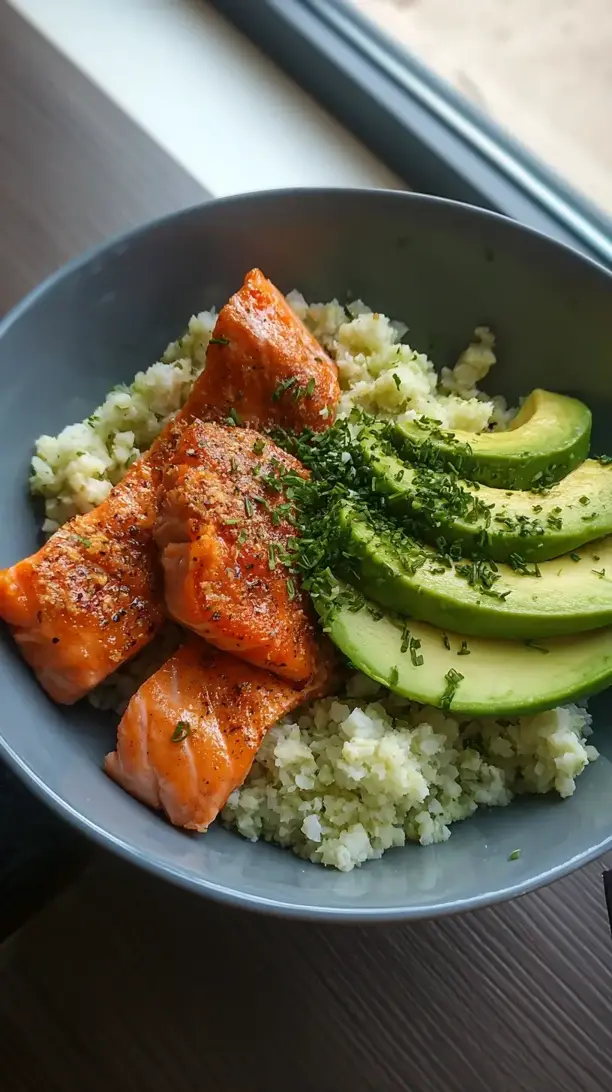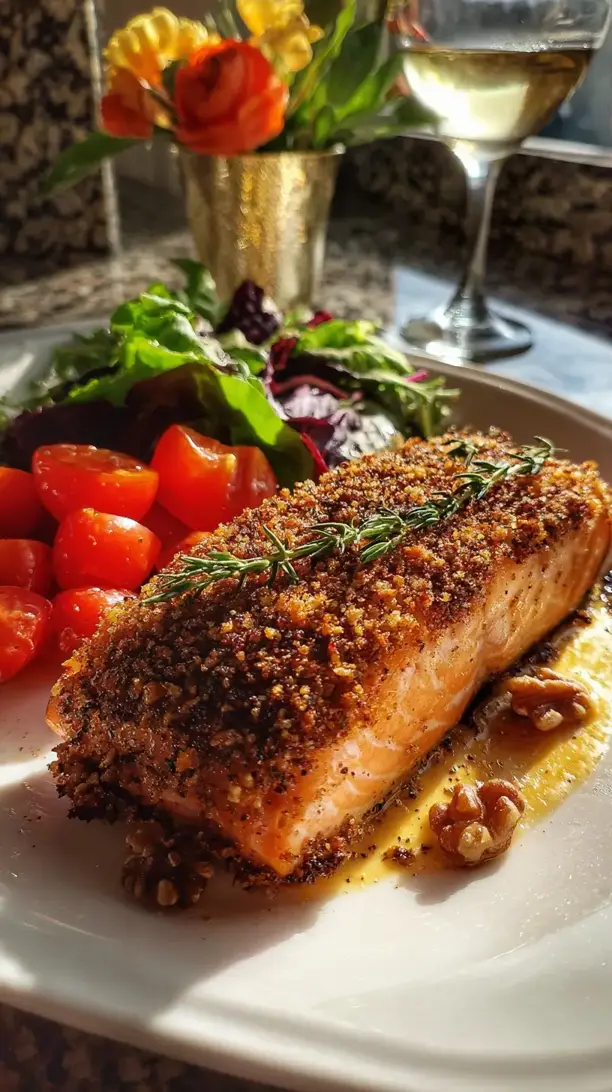

Poached salmon with lemon is quietly elegant yet surprisingly simple to make at home. This gentle cooking method keeps the salmon incredibly moist and tender, infused with fresh, bright lemon flavor. It’s a versatile, healthy dish perfect for any occasion.
Why You’ll Love This Poached Salmon with Lemon
- Incredibly tender: Poaching gently cooks the salmon, locking in moisture for a melt-in-your-mouth texture.
- Fresh, bright flavor: Lemon cuts through the richness, creating a balanced and refreshing dish.
- Surprisingly simple: With just a few ingredients and one pot, you can have an elegant meal ready in under 20 minutes.
- Versatile and healthy: High in protein and omega-3s, it pairs easily with various sides or stands alone.
Ingredients & Tools
- 2 salmon fillets (about 150–180 g each), skin-on or skinless
- 1 lemon, thinly sliced
- 500 ml water or light vegetable broth
- 120 ml dry white wine (optional, but recommended)
- 4–5 black peppercorns
- 2–3 fresh dill sprigs or 1 tsp dried dill
- 1 small onion, thinly sliced
- 2 garlic cloves, lightly crushed
- 1 bay leaf
- 1/2 tsp sea salt, plus extra for seasoning
- Fresh parsley or extra dill for garnish
Tools: A medium-sized skillet or saucepan with a lid, a slotted spatula or fish turner, and a small bowl for serving.
Notes: Using fresh, high-quality salmon really makes a difference here—you’ll taste the clean, buttery flavor shine through. And don’t skip the aromatics; they infuse the poaching liquid with so much subtle depth.
Nutrition (per serving)
| Calories: | 280 kcal |
| Protein: | 34 g |
| Fat: | 12 g |
| Carbs: | 4 g |
| Fiber: | 1 g |
Serves: 2 | Prep Time: 5 minutes | Cook Time: 10–12 minutes | Total Time: 15–17 minutes
Before You Start: Tips & Ingredient Notes
- Choose the right salmon. Look for fillets that are evenly thick, with a vibrant color and firm texture. Fresh is best, but thawed frozen salmon works well too—just pat it dry thoroughly.
- Don’t skip the aromatics. The lemon, dill, onion, and garlic aren’t just for show; they gently perfume the salmon as it cooks, adding layers of flavor without overpowering it.
- Keep the liquid at a gentle simmer. A rolling boil can toughen the salmon, so you want those tiny bubbles barely breaking the surface—it makes all the difference for a tender result.
- Season well, but thoughtfully. A little salt in the poaching liquid helps season the fish from the inside out, but you can always add more at the end if needed.
How to Make Poached Salmon with Lemon
Step 1: Start by preparing your poaching liquid. In a medium skillet or saucepan, combine the water (or broth), white wine (if using), sliced onion, crushed garlic, peppercorns, bay leaf, dill, and salt. Bring everything to a gentle simmer over medium heat. You’ll notice the aroma beginning to bloom—it should smell fragrant and inviting, with the lemon and herbs mingling nicely. Let it simmer for about 3–4 minutes to allow the flavors to meld together.
Step 2: While the liquid is simmering, pat the salmon fillets dry with a paper towel. This helps the fish cook evenly and ensures a nice, clean texture. If your fillets have skin, you can leave it on—it will help hold the salmon together during poaching and is easy to remove later if you prefer.
Step 3: Carefully lower the salmon fillets into the simmering liquid. They should be fully submerged or nearly so; if needed, add a bit more water. Immediately reduce the heat to low—you’re aiming for a very gentle simmer, with just a few small bubbles rising to the surface. Cover the pan with a lid to trap the steam and heat.
Step 4: Let the salmon poach for about 8–10 minutes, depending on thickness. A good rule of thumb is 4–5 minutes per half-inch of thickness. You’ll know it’s done when the flesh turns opaque and flakes easily with a fork, but still feels moist and tender. Avoid overcooking—the salmon will continue to cook slightly after you remove it from the heat.
Step 5: Using a slotted spatula, gently lift the salmon out of the liquid and transfer it to serving plates. Let it rest for a minute—this allows the juices to redistribute, ensuring every bite is succulent. Discard the poaching liquid or strain and save it for a light soup base if you like.
Step 6: Garnish the salmon with fresh parsley or extra dill, and add a squeeze of fresh lemon juice right before serving. The lemon juice will brighten everything up and enhance the delicate flavors. Serve immediately while warm, or let it cool for a lovely chilled option.
Storage & Freshness Guide
- Fridge: Cool completely, store in an airtight container for up to 2 days.
- Freezer: Wrap tightly or place in a freezer bag; freeze for up to 1 month.
- Reviving: Gently reheat in a steamer or serve chilled over salad.
Serving Suggestions
Complementary Dishes
- Buttery steamed asparagus — The slight bitterness of asparagus pairs beautifully with the rich, lemony salmon, and a drizzle of melted butter ties everything together.
- Garlic mashed potatoes — Creamy, comforting potatoes provide a wonderful contrast to the light, flaky texture of the fish, making the meal feel more substantial.
- Quinoa salad with fresh herbs — A light, grain-based side adds protein and fiber, and the herby freshness complements the citrus notes in the salmon perfectly.
Drinks
- A crisp Sauvignon Blanc — Its bright acidity and citrusy notes mirror the lemon in the dish, cleansing the palate between each flavorful bite.
- Sparkling water with a twist of lime — For a non-alcoholic option, the effervescence and subtle tartness refresh your palate without overpowering the salmon’s delicate taste.
- Iced herbal tea — A lightly sweetened mint or lemon verbena tea served cold offers a soothing, aromatic companion to this light meal.
Something Sweet
- Lemon sorbet — The clean, sharp citrus flavor continues the theme of the meal and provides a refreshing, palate-cleansing finish.
- Berry pavlova — A light meringue topped with whipped cream and fresh berries offers a sweet, airy contrast to the savory, rich salmon.
- Vanilla panna cotta — Its smooth, creamy texture and subtle sweetness create a lovely, elegant end to the dining experience without feeling too heavy.
Top Mistakes to Avoid
- Mistake: Using a rolling boil. Boiling the liquid aggressively can cause the salmon to become tough and rubbery. A gentle simmer is key for that tender, flaky texture.
- Mistake: Overcooking the salmon. It continues to cook after removal from the heat, so take it out just before it’s fully opaque to avoid dry, chalky flesh.
- Mistake: Skipping the aromatics. Without the lemon, herbs, and spices, the poaching liquid lacks depth, and the salmon will taste bland rather than infused with flavor.
- Mistake: Not patting the salmon dry. Excess moisture can dilute the poaching liquid

Poached Salmon With Lemon
Learn how to make perfectly tender Poached Salmon with Lemon in under 20 minutes. This healthy, elegant dish is foolproof. Get the easy recipe now!
Ingredients
For the Ingredients
-
2 salmon fillets (about 150–180 g each, skin-on or skinless)
-
1 lemon (thinly sliced)
-
500 ml water or light vegetable broth
-
120 ml dry white wine (optional, but recommended)
-
4–5 black peppercorns
-
2–3 fresh dill sprigs (or 1 tsp dried dill)
-
1 small onion (thinly sliced)
-
2 garlic cloves (lightly crushed)
-
1 bay leaf
-
1/2 tsp sea salt (plus extra for seasoning)
-
Fresh parsley or extra dill (for garnish)
Instructions
-
Start by preparing your poaching liquid. In a medium skillet or saucepan, combine the water (or broth), white wine (if using), sliced onion, crushed garlic, peppercorns, bay leaf, dill, and salt. Bring everything to a gentle simmer over medium heat. You’ll notice the aroma beginning to bloom—it should smell fragrant and inviting, with the lemon and herbs mingling nicely. Let it simmer for about 3–4 minutes to allow the flavors to meld together.01
-
While the liquid is simmering, pat the salmon fillets dry with a paper towel. This helps the fish cook evenly and ensures a nice, clean texture. If your fillets have skin, you can leave it on—it will help hold the salmon together during poaching and is easy to remove later if you prefer.02
-
Carefully lower the salmon fillets into the simmering liquid. They should be fully submerged or nearly so; if needed, add a bit more water. Immediately reduce the heat to low—you’re aiming for a very gentle simmer, with just a few small bubbles rising to the surface. Cover the pan with a lid to trap the steam and heat.03
-
Let the salmon poach for about 8–10 minutes, depending on thickness. A good rule of thumb is 4–5 minutes per half-inch of thickness. You’ll know it’s done when the flesh turns opaque and flakes easily with a fork, but still feels moist and tender. Avoid overcooking—the salmon will continue to cook slightly after you remove it from the heat.04
-
Using a slotted spatula, gently lift the salmon out of the liquid and transfer it to serving plates. Let it rest for a minute—this allows the juices to redistribute, ensuring every bite is succulent. Discard the poaching liquid or strain and save it for a light soup base if you like.05
-
Garnish the salmon with fresh parsley or extra dill, and add a squeeze of fresh lemon juice right before serving. The lemon juice will brighten everything up and enhance the delicate flavors. Serve immediately while warm, or let it cool for a lovely chilled option.06