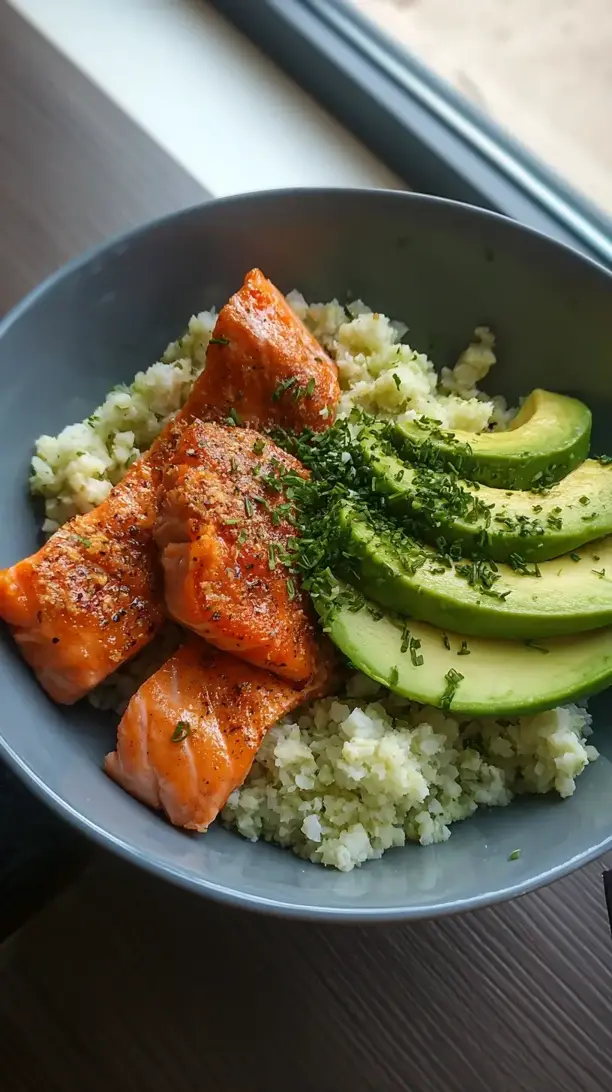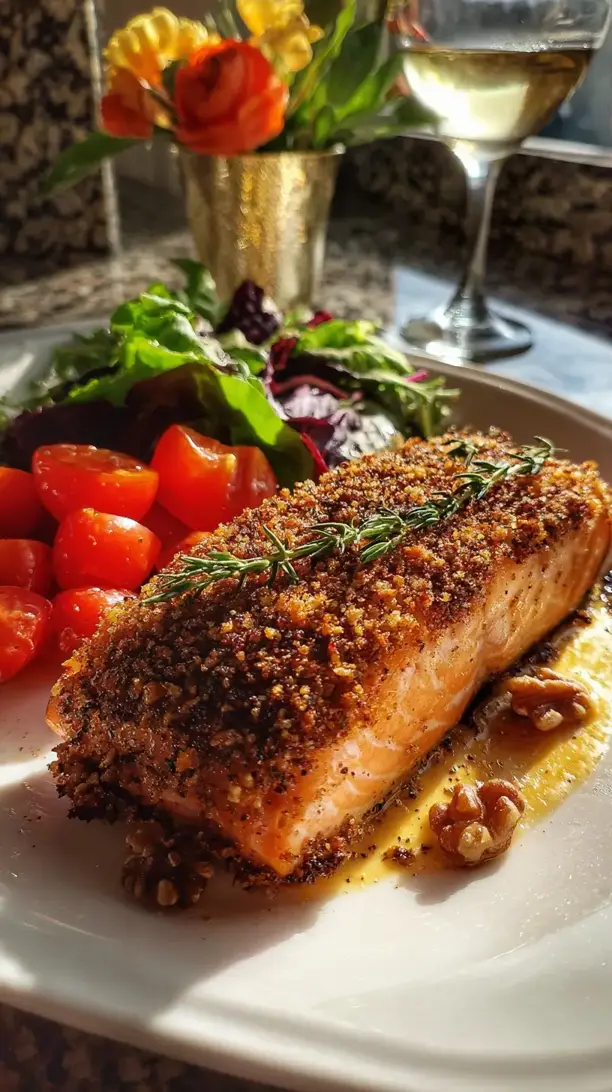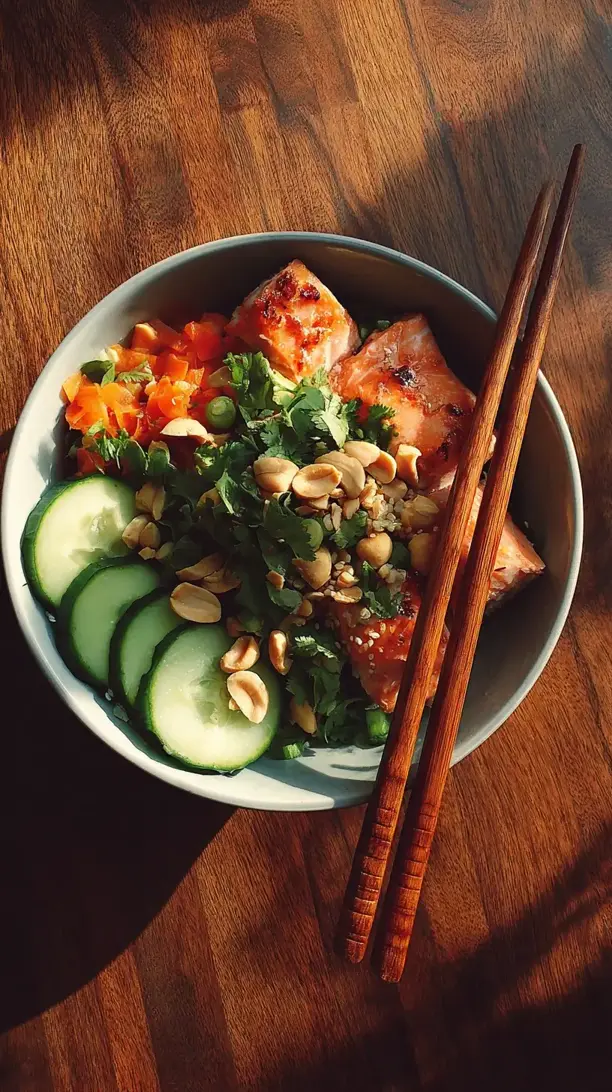

This nut-free salmon recipe delivers elegant flavor with simple techniques. A savory herb crust crackles over a perfectly flaky interior, creating a show-stopping meal. It’s fast, forgiving, and completely free from nuts for a reliable staple everyone can enjoy.
Why You’ll Love This Nut-Free Salmon
- Foolproof & simple: No fancy skills needed for restaurant-quality results.
- Perfect texture: Crisp crust gives way to tender, flaky interior.
- Versatile & adaptable: Swap herbs to create different flavor profiles.
- Healthy & satisfying: Packed with protein and healthy fats.
Ingredients & Tools
- 2 (6-ounce / 170 g) skin-on salmon fillets, about 1-inch thick
- 2 tablespoons olive oil, divided
- 1 teaspoon fine sea salt
- 1/2 teaspoon freshly cracked black pepper
- 1 teaspoon garlic powder
- 1 teaspoon smoked paprika
- 1/2 teaspoon dried dill
- 1 tablespoon fresh lemon juice
- 1 tablespoon chopped fresh parsley, for garnish
- 1 lemon, cut into wedges, for serving
Tools: A rimmed baking sheet, parchment paper, a small bowl, and a pastry brush or spoon for coating.
Notes: The quality of your salmon really makes a difference here—look for bright, firm fillets with a pleasant sea breeze aroma. Using a mix of dried herbs and powders ensures the crust adheres beautifully and toasts perfectly in the oven.
Nutrition (per serving)
| Calories: | 320 kcal |
| Protein: | 35 g |
| Fat: | 19 g |
| Carbs: | 3 g |
| Fiber: | 1 g |
Serves: 2 | Prep Time: 10 minutes | Cook Time: 12-15 minutes | Total Time: 25 minutes
Before You Start: Tips & Ingredient Notes
- Is the salmon skin necessary? Yes, for this recipe, I highly recommend it. The skin acts as a protective layer during cooking, helping the bottom of the fillet steam and stay incredibly moist while the top gets crisp. You can easily remove it after cooking if you prefer, but it contributes to a better final texture.
- Can I use fresh herbs instead of dried? You can, but be mindful of the swap. Dried herbs are more concentrated and create a better crust. If using fresh, triple the amount and mix them with a little oil and breadcrumb for texture to prevent burning.
- What if my salmon is frozen? No problem! Just make sure it’s fully thawed in the refrigerator overnight. Pat it completely dry with paper towels before seasoning. Any surface moisture will steam the fish instead of letting it roast, which can ruin that beautiful crust we’re building.
- Why smoked paprika? It adds a subtle, smoky depth that complements the richness of the salmon without overpowering it. If you only have sweet paprika, that will work too, but you’ll miss that warm, smoky undertone that makes this dish so special.
How to Make Nut-Free Salmon
Step 1: First, position a rack in the center of your oven and preheat it to 400°F (200°C). This is the sweet spot for salmon—hot enough to create a sizzling crust but gentle enough to cook the interior evenly without drying it out. Line a rimmed baking sheet with parchment paper for effortless cleanup and to prevent any sticking. Pat your salmon fillets completely dry with paper towels; this is a non-negotiable step for achieving a crisp top instead of a steamed one.
Step 2: In a small bowl, whisk together the salt, black pepper, garlic powder, smoked paprika, and dried dill. This is your flavor powerhouse. Drizzle one tablespoon of the olive oil over the top (skinless side) of the salmon fillets and rub it in gently with your fingers. You’re creating a sticky base for the seasoning to cling to. Now, sprinkle the spice mixture evenly over the oiled surface, pressing gently to make sure it adheres. Don’t be shy—coat it well!
Step 3: Place the seasoned salmon fillets skin-side down on the prepared baking sheet. Drizzle the remaining tablespoon of olive oil over the top. This extra fat will help the spices toast and bubble, creating that irresistible textured crust. You’ll notice the color is already vibrant and inviting. Slide the baking sheet into the preheated oven and set your timer for 12 minutes.
Step 4: After 12 minutes, take a peek. The salmon should be mostly opaque and flake easily when pressed gently with a fork at its thickest part. If you prefer a more well-done fillet or if your pieces are particularly thick, you can add 2-3 more minutes, but be careful not to overcook. The residual heat will continue to cook the fish even after it’s out of the oven. For a final burst of freshness, remove the pan and immediately drizzle the fresh lemon juice over the hot fillets.
Step 5: Let the salmon rest on the baking sheet for about 3-5 minutes before serving. This allows the juices to redistribute throughout the fillet, ensuring every single bite is moist and flavorful. Garnish with the chopped fresh parsley and serve immediately with the lemon wedges on the side for squeezing. The aroma of toasted herbs and lemon is just… incredible.
Storage & Freshness Guide
- Fridge: Store cooled leftovers in an airtight container for up to 2 days.
- Freezer: Not recommended; texture becomes watery upon thawing.
- Reviving: Reheat gently in a 275°F oven for 10–15 minutes to preserve texture.
Serving Suggestions
Complementary Dishes
- Garlicky Sautéed Spinach — The sharp, earthy flavor of garlic cuts through the richness of the salmon beautifully, and it cooks in mere minutes.
- Lemon Herb Quinoa — This fluffy, protein-packed grain soaks up any extra lemon juice and olive oil from the salmon plate, making for a complete and satisfying meal.
- Roasted Asparagus Spears — Tossed with a little olive oil and salt and roasted alongside the salmon, they develop a lovely caramelized edge that pairs perfectly.
Drinks
- A Crisp Sauvignon Blanc — Its bright acidity and citrus notes mirror the lemon in the dish, cleansing the palate between each flavorful bite.
- Sparkling Water with Cucumber & Mint — A refreshing, non-alcoholic option that provides a cool, crisp contrast to the savory, herby salmon.
- A Light Pale Ale — The subtle bitterness and carbonation can stand up to the fish’s richness without overwhelming its delicate flavor.
Something Sweet
- Lemon Sorbet — A light, palate-cleansing dessert that continues the citrus theme and provides a refreshing, clean finish to the meal.
- Fresh Berry Salad with Mint — The natural sweetness and slight tartness of mixed berries offer a simple, healthy, and vibrant end note.
- Dark Chocolate-Dipped Orange Segments — A slightly more indulgent treat where the bitter chocolate and bright citrus create a sophisticated flavor echo.
Top Mistakes to Avoid
- Mistake: Not drying the salmon thoroughly. Any moisture on the surface will create steam, which prevents that beautiful, crisp crust from forming. You’ll end up with a softer, less textured topping.
- Mistake: Overcrowding the baking sheet. If the fillets are too close together, they’ll steam each other. Give them plenty of space for hot air to circulate, ensuring even cooking and proper browning all around.
- Mistake: Skipping the rest time. I know it’s tempting to dig right in, but those few minutes of rest are crucial. Cutting in immediately causes all the precious juices to run out onto the plate, leaving the salmon drier than it needs to be.
- Mistake: Using an overly hot oven. A blast furnace will burn the herb crust before the inside is cooked. 400°F is the ideal temperature for a gentle, steady cook that gives you a perfect result from edge to center.
Expert Tips
- Tip: Use a fish spatula for serving. Its thin, flexible edge slides perfectly between the skin and the flesh, allowing you to lift the entire fillet off in one beautiful piece without leaving any behind.
- Tip: Check for doneness with a fork, not a knife. Gently press the top of the salmon with the tines of a fork. If it flakes apart easily and looks opaque all the way through, it’s done. A knife can tear the flesh and make it look messy.
- Tip: Create a “flavor paste” for extra adherence. For an even more robust crust, mix your dried spices with a tablespoon of mayonnaise or Dijon mustard before spreading it on the salmon. It acts as a glue and adds another layer of tangy flavor.
- Tip: Let the salmon come to room temperature. Taking the salmon out of the fridge 15-20 minutes before cooking helps it cook more evenly, preventing an overcooked exterior and a cold, undercooked center.
FAQs
Can I make this recipe with other types of fish?
Absolutely! This method works wonderfully with any firm, oily fish like arctic char, trout, or even thicker cod loins. The cooking time may need slight adjustment depending on the thickness of the fillet. The key is to look for that same flaky texture and opaque color throughout. Just remember the rule of thumb: cook for about 4-6 minutes per 1/2 inch of thickness, measured at the thickest part.
How should I store and reheat leftovers?
Store any cooled leftovers in an airtight container in the refrigerator for up to 2 days. To reheat, place the salmon on a baking sheet in a 275°F (135°C) oven for about 10-15 minutes until warmed through. Avoid the microwave, as it will make the fish rubbery and overcook it very quickly. The gentle heat of the oven helps preserve the texture.
Is this recipe safe for someone with a severe nut allergy?
Yes, this recipe is intentionally designed to be completely free from nuts and is prepared in a way that avoids cross-contamination when you use clean tools and ingredients from certified nut-free facilities. However, as always, you should double-check the labels on all your individual spices and oils to ensure they are processed in a nut-free environment, as manufacturing practices can vary.
My spice crust burned. What happened?
This usually means your oven was too hot, or the rack was positioned too close to the top heating element. Ovens can run hot, so an inexpensive oven thermometer is a great tool to verify the actual temperature. Next time, try lowering the temperature to 375°F (190°C) or tenting the salmon loosely with foil for the first half of the cooking time to protect the crust.
Can I prepare the salmon ahead of time?
You can season the salmon up to 30 minutes before cooking and keep it covered in the refrigerator. This allows the salt to penetrate and season the fish more deeply. I don’t recommend seasoning it much further in advance, as the salt will start to draw moisture out of the fillet, which can affect the final texture and make it difficult to get a crisp crust.

Nut Free Salmon
Learn how to make perfect Nut-Free Salmon with a crispy herb crust. This easy, healthy recipe is ready in 25 minutes. Get the foolproof method now!
Ingredients
For the Ingredients
-
2 skin-on salmon fillets (6-ounce / 170 g, about 1-inch thick)
-
2 tablespoons olive oil (divided)
-
1 teaspoon fine sea salt
-
1/2 teaspoon freshly cracked black pepper
-
1 teaspoon garlic powder
-
1 teaspoon smoked paprika
-
1/2 teaspoon dried dill
-
1 tablespoon fresh lemon juice
-
1 tablespoon chopped fresh parsley (for garnish)
-
1 lemon (cut into wedges, for serving)
Instructions
-
First, position a rack in the center of your oven and preheat it to 400°F (200°C). Line a rimmed baking sheet with parchment paper for effortless cleanup and to prevent any sticking. Pat your salmon fillets completely dry with paper towels; this is a non-negotiable step for achieving a crisp top instead of a steamed one.01
-
In a small bowl, whisk together the salt, black pepper, garlic powder, smoked paprika, and dried dill. Drizzle one tablespoon of the olive oil over the top (skinless side) of the salmon fillets and rub it in gently with your fingers. Sprinkle the spice mixture evenly over the oiled surface, pressing gently to make sure it adheres.02
-
Place the seasoned salmon fillets skin-side down on the prepared baking sheet. Drizzle the remaining tablespoon of olive oil over the top. Slide the baking sheet into the preheated oven and set your timer for 12 minutes.03
-
After 12 minutes, take a peek. The salmon should be mostly opaque and flake easily when pressed gently with a fork at its thickest part. If you prefer a more well-done fillet or if your pieces are particularly thick, you can add 2-3 more minutes, but be careful not to overcook. Remove the pan and immediately drizzle the fresh lemon juice over the hot fillets.04
-
Let the salmon rest on the baking sheet for about 3-5 minutes before serving. Garnish with the chopped fresh parsley and serve immediately with the lemon wedges on the side for squeezing.05