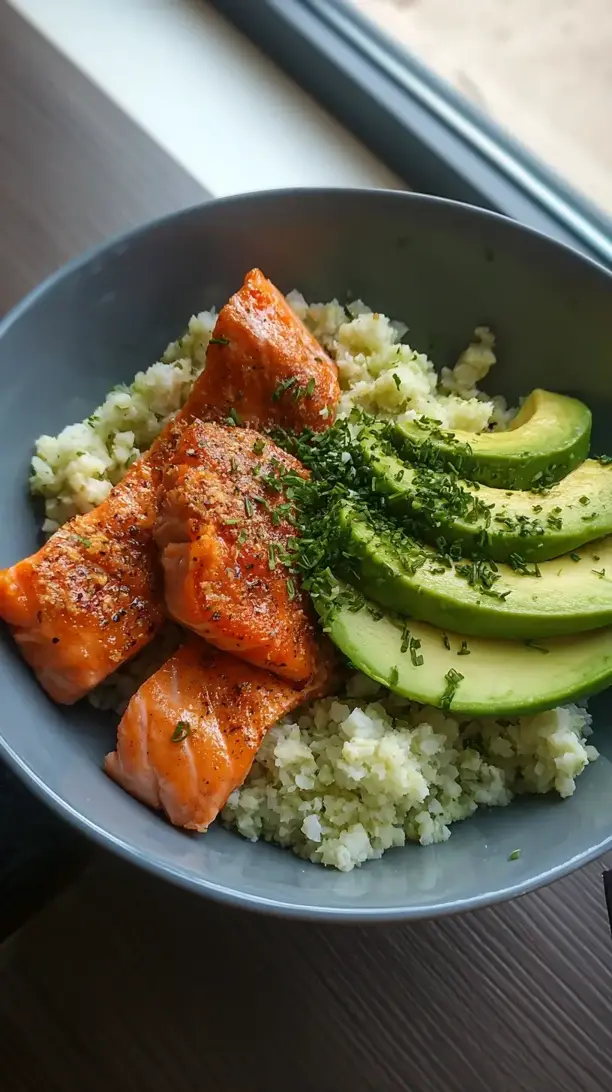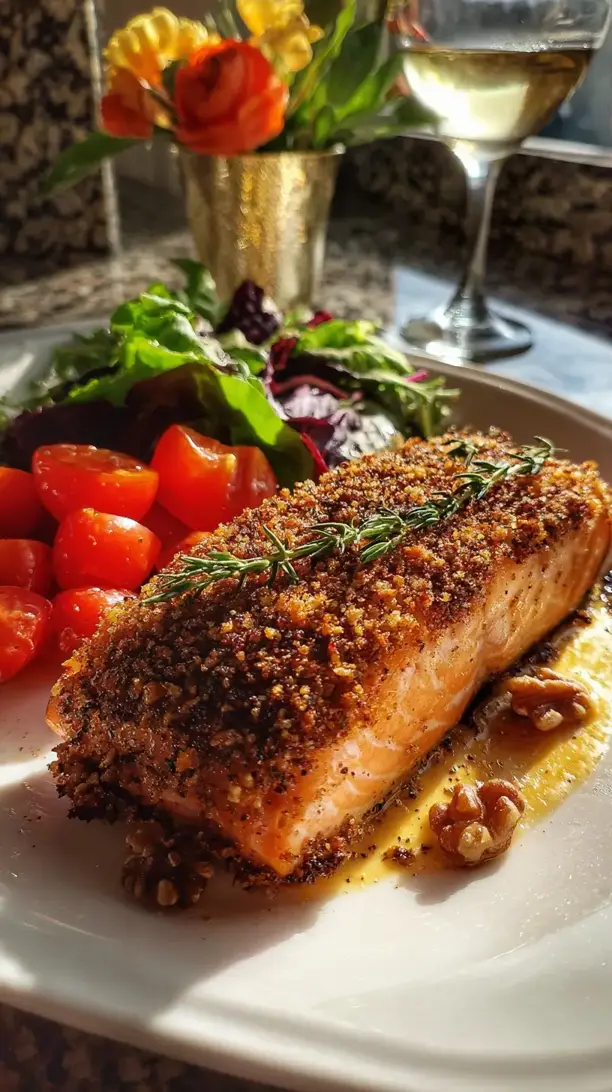

This Maple Glazed Salmon combines sweet maple syrup and savory salmon for a luxurious yet simple meal. It comes together in under 30 minutes with pantry staples for restaurant-quality results. The sticky, glossy glaze caramelizes beautifully, sealing in moisture and creating a perfect sweet-savory balance.
Why You’ll Love This Maple Glazed Salmon
- Quick & Easy: Ready in about 20–25 minutes, perfect for busy evenings.
- Perfect Flavor Balance: Sweet maple, savory soy, and bright acidity create a well-rounded taste.
- Fancy Yet Approachable: Impressive enough for guests, simple enough for any cook.
- Wonderfully Versatile: Pairs beautifully with rice, roasted veggies, or a simple salad.
Ingredients & Tools
- 4 salmon fillets (about 150–180 g each), skin-on or skinless
- 60 ml pure maple syrup
- 2 tbsp soy sauce (or tamari for gluten-free)
- 2 cloves garlic, minced
- 1 tbsp olive oil or avocado oil
- 1 tbsp fresh lemon juice or apple cider vinegar
- 1/2 tsp smoked paprika (optional, for a hint of warmth)
- 1/4 tsp black pepper
- 1/4 tsp salt (adjust to taste)
- 1 tbsp fresh chopped parsley or chives for garnish (optional)
Tools: A medium bowl, whisk, small saucepan, baking sheet lined with parchment paper or a large oven-safe skillet, pastry brush (optional but helpful)
Notes: Using pure maple syrup is key for depth of flavor. Don’t skip the fresh garlic for a necessary savory punch.
Nutrition (per serving)
| Calories: | 320 kcal |
| Protein: | 25 g |
| Fat: | 15 g |
| Carbs: | 18 g |
| Fiber: | 0.5 g |
Serves: 4 | Prep Time: 10 minutes | Cook Time: 12–15 minutes | Total Time: 25 minutes
Before You Start: Tips & Ingredient Notes
- Choose the right salmon. Look for fillets that are evenly thick, so they cook at the same rate. I prefer skin-on for extra flavor and to help hold the fillet together, but skinless works just as well. Fresh or properly thawed frozen salmon are both great options.
- Don’t use imitation maple syrup. Honestly, the flavor of pure maple syrup is irreplaceable here. It has a complex, woody sweetness that forms the base of the glaze. The fake stuff is often too thin and cloyingly sweet—it just won’t caramelize the same way.
- Pat your salmon dry. This is a small step that makes a big difference. A dry surface helps the glaze stick better and promotes browning instead of steaming. Use a paper towel to gently blot both sides of the fillets before seasoning.
- Get your glaze to the right consistency. If you have a minute, simmering the glaze for a bit before brushing it on helps it thicken slightly. This means it will coat the salmon more evenly and create a more substantial, sticky layer as it cooks.
How to Make Maple Glazed Salmon
Step 1: Prepare the Glaze and Salmon. In a small bowl, whisk together the maple syrup, soy sauce, minced garlic, olive oil, lemon juice, smoked paprika (if using), black pepper, and salt. You’ll notice the mixture will be thin and fragrant. Now, pat the salmon fillets completely dry with paper towels. This is crucial for getting a good sear and helping the glaze adhere. Place the salmon on your prepared baking sheet or have your skillet ready.
Step 2: Apply the First Coat of Glaze. Using a pastry brush or a spoon, generously brush the top and sides of each salmon fillet with about half of the maple glaze. Make sure to get an even coating—this first layer will seep into the fish a little and start building the flavor base. Let the salmon sit for about 5 minutes while you preheat your oven or skillet. This brief marinating time allows the flavors to begin penetrating the fish.
Step 3: Cook the Salmon. If baking, preheat your oven to 200°C (400°F). Place the baking sheet in the oven and bake for 10–12 minutes, depending on thickness. For pan-searing, heat an oven-safe skillet over medium-high heat. Add a tiny bit of oil, then place the salmon glaze-side down. Sear for 2–3 minutes until a nice crust forms, then flip and transfer the skillet to the preheated oven for another 5–7 minutes. The salmon is done when it flakes easily with a fork and the internal temperature reaches 63°C (145°F).
Step 4: Glaze Again and Finish. About halfway through the cooking time, carefully remove the salmon from the oven (or skillet). Brush the remaining glaze over the top of each fillet. This second application is what creates that gorgeous, glossy, sticky-sweet crust. Return the salmon to the heat to finish cooking. You’ll know it’s ready when the glaze is bubbly and caramelized around the edges.
Step 5: Rest and Garnish. Once cooked, remove the salmon from the oven and let it rest for 2–3 minutes on the baking sheet or in the skillet. This allows the juices to redistribute, ensuring every bite is moist and tender. Just before serving, sprinkle with fresh chopped parsley or chives for a pop of color and freshness. The contrast between the warm, sweet salmon and the bright herbs is just perfect.
Storage & Freshness Guide
- Fridge: Store leftovers in an airtight container for up to 2 days.
- Freezer: Not recommended; glaze texture may suffer upon thawing.
- Reviving: Reheat gently in a 150°C (300°F) oven with a splash of water, covered, for 10–15 minutes.
Serving Suggestions
Complementary Dishes
- Garlic Mashed Potatoes — The creamy, savory potatoes are a dream with the sweet and sticky salmon, creating a perfect bite.
- Roasted Asparagus or Green Beans — The slight char and earthy flavor of roasted veggies balance the richness of the fish beautifully.
- Quinoa or Brown Rice Pilaf — A fluffy grain helps soak up any extra glaze left on your plate, ensuring no deliciousness goes to waste.
Drinks
- A Crisp Chardonnay or Pinot Gris — The slight oakiness and acidity in these white wines cut through the sweetness of the glaze and complement the fatty salmon.
- Sparkling Water with Lemon — For a non-alcoholic option, the bubbles and citrus cleanse the palate between each rich, flavorful bite.
- Ginger Beer or Ale — The spicy kick of ginger stands up wonderfully to the strong sweet and savory notes of the dish.
Something Sweet
- Lemon Sorbet — The bright, tart finish is incredibly refreshing after the rich and savory main course.
- Dark Chocolate Avocado Mousse — It’s rich and decadent but not overly sweet, providing a satisfying end to the meal.
- Apple Crumble — The warm, spiced apples and crunchy topping feel like a natural, cozy extension of the maple flavors from dinner.
Top Mistakes to Avoid
- Overcooking the salmon. Salmon continues to cook after you take it out of the oven (carryover cooking), so it’s best to remove it when it’s just slightly under your desired doneness. Overcooked salmon becomes dry and chalky, which is a real shame with such a beautiful glaze.
- Using a baking sheet without parchment paper. The sugar in the maple syrup can burn and stick fiercely to a bare baking sheet. Lining it with parchment paper or using a well-seasoned oven-safe skillet makes cleanup a breeze and prevents a sticky, smoky mess.
- Applying all the glaze at once. If you dump all the glaze on at the beginning, a lot of it will just slide off and burn in the pan. The two-step glazing process is the secret to building layers of flavor and that perfect sticky coating.
- Skipping the rest time. I know it’s tempting to dig right in, but letting the salmon rest for a few minutes allows the muscle fibers to relax and reabsorb the juices. This means a more tender, moist fillet instead of one that leaks all over the plate.
Expert Tips
- Tip: Add a touch of Dijon mustard to the glaze. Just a teaspoon stirred into the maple mixture adds a wonderful depth and a subtle tang that really makes the other flavors pop. It’s a little pro trick that elevates the entire dish.
- Tip: Broil for the last minute. If you want an extra-caramelized, restaurant-style finish, switch your oven to broil for the final 60–90 seconds of cooking. Watch it closely though—the high sugar content means it can go from perfectly glazed to burnt very quickly.
- Tip: Use the glaze as a dipping sauce. If you have any extra glaze, you can simmer it in a saucepan for a few minutes until it thickens slightly, then serve it on the side for drizzling. It’s fantastic for those who love an extra punch of flavor.
- Tip: Let the salmon come to room temperature. Taking the salmon out of the fridge 15–20 minutes before cooking helps it cook more evenly. A cold fillet straight from the fridge can result in an overcooked outside and an undercooked center.
FAQs
Can I make this Maple Glazed Salmon ahead of time?
You can prepare the glaze up to 3 days in advance and store it in an airtight container in the fridge. I don’t recommend marinating the raw salmon in the glaze for more than 30 minutes, as the acid and salt can start to “cook” the fish, changing its texture. The best make-ahead strategy is to have your glaze ready so you can quickly brush and cook the salmon when you’re ready to eat.
What’s the best way to tell when the salmon is done?
The most reliable method is to use an instant-read thermometer. Insert it into the thickest part of the fillet—you’re aiming for 63°C (145°F). If you don’t have a thermometer, look for the salmon to be opaque and flake easily when gently pressed with a fork. It should still look moist in the center, not chalky all the way through.
Can I use a different type of fish?
Absolutely! This glaze is also wonderful on firm, meaty white fish like cod, halibut, or sea bass. Just keep a close eye on the cooking time, as these types of fish can cook faster than salmon. The sweet and savory profile is very versatile and pairs well with many different types of seafood.
My glaze burned in the oven. What happened?
This usually happens if the oven temperature is too high or the salmon is placed too close to the heating element. Oven temperatures can vary, so if you know yours runs hot, try reducing the temperature by 10°C (25°F). Also, make sure you’re baking in the middle of the oven, not the top rack. Using parchment paper instead of foil can also help prevent the direct, intense heat that leads to burning.
How should I store and reheat leftovers?
Store any leftover salmon in an airtight container in the refrigerator for up to 2 days. To reheat, place it in a baking dish, add a tablespoon of water or broth to keep it moist, cover with foil, and warm it in a 150°C (300°F) oven for about 10–15 minutes. Microwaving is not ideal as it can make the fish rubbery and cause the glaze to become unpleasantly sticky.

Maple Glazed Salmon
Make perfect Maple Glazed Salmon in under 30 minutes! This easy recipe features a sweet & savory glaze for a delicious, healthy dinner. Get the recipe now!
Ingredients
For the Ingredients
-
4 salmon fillets (about 150–180 g each, skin-on or skinless)
-
60 ml pure maple syrup
-
2 tbsp soy sauce (or tamari for gluten-free)
-
2 cloves garlic (minced)
-
1 tbsp olive oil or avocado oil
-
1 tbsp fresh lemon juice or apple cider vinegar
-
1/2 tsp smoked paprika (optional, for a hint of warmth)
-
1/4 tsp black pepper
-
1/4 tsp salt (adjust to taste)
-
1 tbsp fresh chopped parsley or chives (optional, for garnish)
Instructions
-
In a small bowl, whisk together the maple syrup, soy sauce, minced garlic, olive oil, lemon juice, smoked paprika (if using), black pepper, and salt. Now, pat the salmon fillets completely dry with paper towels. Place the salmon on your prepared baking sheet or have your skillet ready.01
-
Using a pastry brush or a spoon, generously brush the top and sides of each salmon fillet with about half of the maple glaze. Let the salmon sit for about 5 minutes while you preheat your oven or skillet.02
-
If baking, preheat your oven to 200°C (400°F). Place the baking sheet in the oven and bake for 10–12 minutes, depending on thickness. For pan-searing, heat an oven-safe skillet over medium-high heat. Add a tiny bit of oil, then place the salmon glaze-side down. Sear for 2–3 minutes until a nice crust forms, then flip and transfer the skillet to the preheated oven for another 5–7 minutes. The salmon is done when it flakes easily with a fork and the internal temperature reaches 63°C (145°F).03
-
About halfway through the cooking time, carefully remove the salmon from the oven (or skillet). Brush the remaining glaze over the top of each fillet. Return the salmon to the heat to finish cooking. You’ll know it’s ready when the glaze is bubbly and caramelized around the edges.04
-
Once cooked, remove the salmon from the oven and let it rest for 2–3 minutes on the baking sheet or in the skillet. Just before serving, sprinkle with fresh chopped parsley or chives for a pop of color and freshness.05