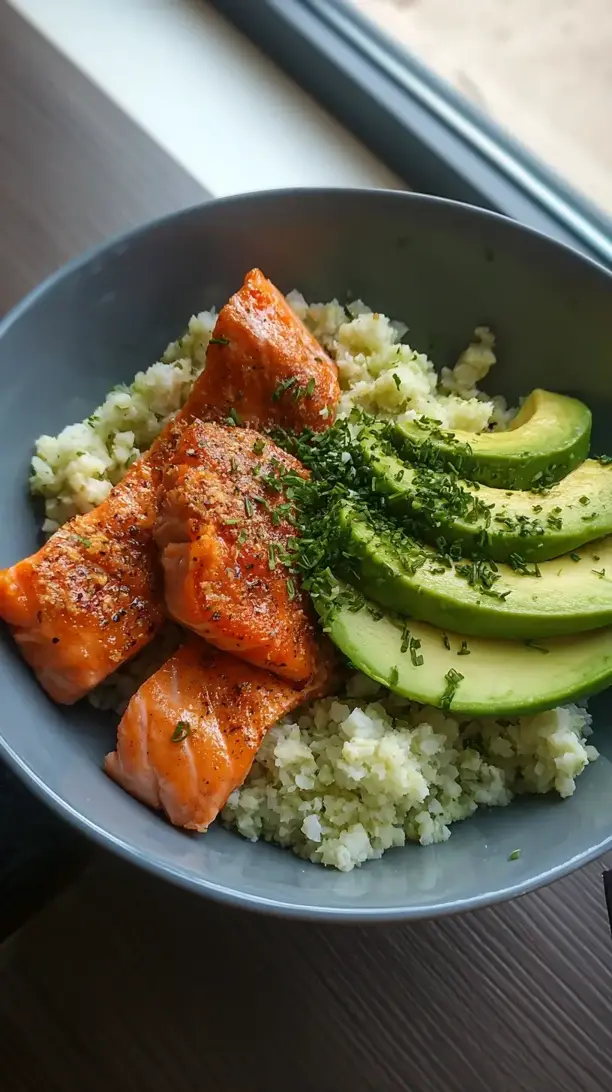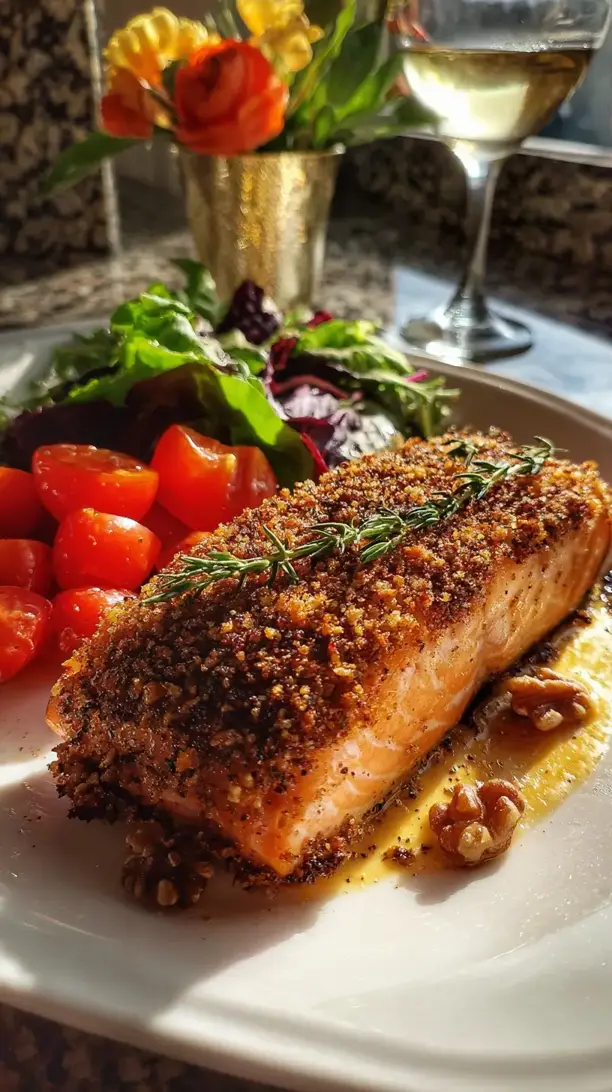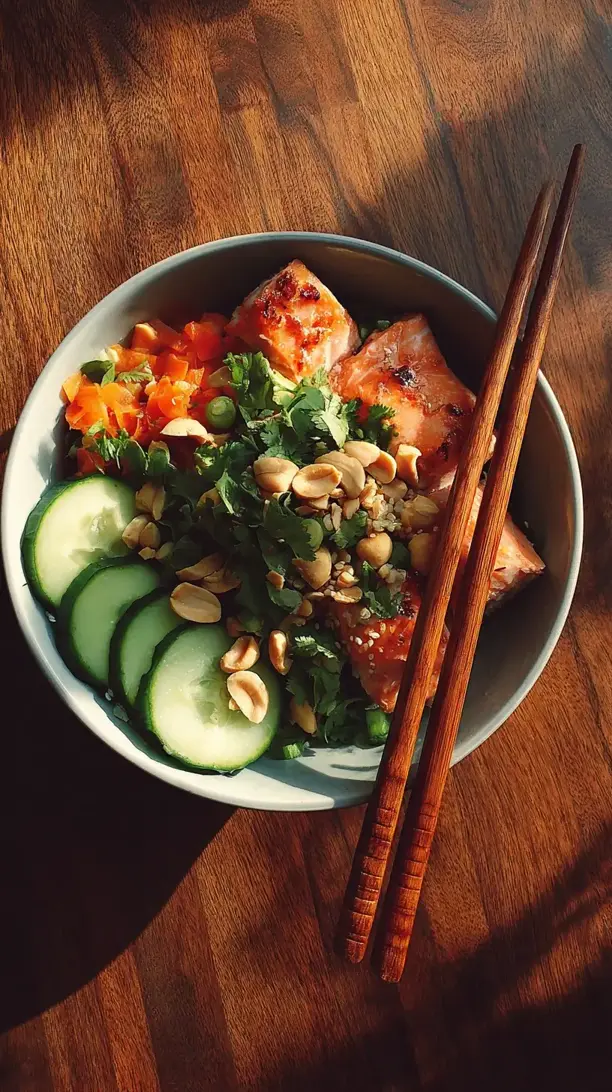

This Lemon Cream Salmon is a restaurant-quality meal you can whip up in under 30 minutes. Tender, flaky salmon fillets are paired with a vibrant, creamy lemon sauce that’s rich yet bright. It’s the perfect dish to make a simple dinner feel special.
Why You’ll Love This Lemon Cream Salmon
- Fast & elegant: Go from fridge to table in about 25 minutes.
- Dreamy, balanced sauce: A silky, tangy symphony of lemon, cream, and parmesan.
- Healthy-ish protein: Salmon’s omega-3s pair perfectly with a lightened-up cream sauce.
- Forgiving & adaptable: Easy ingredient swaps let you make it your own.
Ingredients & Tools
- 4 (150 g each) salmon fillets, skin-on or skinless
- 1 tbsp olive oil
- 2 tbsp unsalted butter, divided
- 3 cloves garlic, minced
- 1 small shallot, finely minced
- 120 ml dry white wine (like Sauvignon Blanc or Pinot Grigio)
- 240 ml heavy cream (or double cream)
- 1 large lemon (juice and zest)
- 30 g freshly grated Parmesan cheese
- 1 tsp fresh thyme leaves
- To taste salt and freshly ground black pepper
- For garnish fresh parsley or extra thyme
Tools: A large skillet (non-stick or stainless steel), microplane or zester, citrus juicer.
Notes: Freshly squeezed lemon juice and real zest provide a brightness that bottled juice can’t match. Grating your own Parmesan ensures a velvety sauce.
Nutrition (per serving)
| Calories: | 485 kcal |
| Protein: | 35 g |
| Fat: | 36 g |
| Carbs: | 5 g |
| Fiber: | 1 g |
Serves: 4 | Prep Time: 10 minutes | Cook Time: 15 minutes | Total Time: 25 minutes
Before You Start: Tips & Ingredient Notes
- Bring your salmon to room temperature. Taking the chill off the fillets for 10-15 minutes before cooking helps them cook more evenly throughout, preventing a cold center and an overcooked exterior.
- Pat your salmon completely dry. This is the golden rule for a beautiful sear. Any moisture on the surface will steam the fish instead of giving it that lovely, slightly crisp crust we’re after.
- Zest your lemon before you juice it. It is infinitely easier to zest a whole, firm lemon than a juiced, floppy one. Trust me on this—it’s a tiny step that saves a lot of frustration.
- Don’t skimp on the wine. The alcohol cooks off, leaving behind a wonderful acidity that balances the cream. If you prefer not to cook with wine, you can substitute with an additional 120 ml of chicken or vegetable broth and a extra tablespoon of lemon juice.
- Grate your own Parmesan. Pre-shredded cheese contains anti-caking agents that can make your sauce grainy. A minute with a microplane ensures your sauce will be perfectly smooth and luxurious.
How to Make Lemon Cream Salmon
Step 1: Start by preparing your salmon. Pat the fillets thoroughly dry with paper towels, then season both sides generously with salt and pepper. This is your foundation for flavor, so don’t be shy. While you’re at it, zest your lemon and then juice it—you should get about 3 tablespoons of juice. Mince your garlic and shallot, and have all your other ingredients measured and ready to go. This recipe moves quickly once you start, so having your “mise en place” is key.
Step 2: Now, let’s cook the salmon. Heat the olive oil and 1 tablespoon of the butter in your large skillet over medium-high heat. Once the butter has melted and is foaming slightly, carefully place the salmon fillets in the pan, presentation-side down. You should hear a satisfying sizzle. Cook for 4-6 minutes, without moving them, until a gorgeous golden-brown crust forms. Carefully flip the fillets and cook for another 1-2 minutes on the other side just to sear. The salmon will not be cooked through at this point—that’s perfect! Remove them to a clean plate. They’ll finish cooking later in the sauce.
Step 3: It’s sauce time! Reduce the heat to medium. Add the remaining tablespoon of butter to the same skillet. Once melted, add the minced shallot and cook for about 2 minutes until it becomes soft and translucent. Now, add the garlic and cook for just 30 seconds until fragrant—be careful not to burn it, or it will turn bitter. You’ll notice the most amazing aroma filling your kitchen right about now.
Step 4: Pour in the white wine to deglaze the pan. Use your spatula to scrape up all those delicious browned bits from the salmon from the bottom of the pan. Let the wine simmer and reduce by about half, which will take 2-3 minutes. This step is crucial for building a deep, complex flavor base for your sauce, so don’t rush it.
Step 5: Lower the heat to medium-low and pour in the heavy cream. Add the fresh thyme leaves and let the sauce simmer gently for 2-3 minutes, allowing it to thicken slightly. You’ll see it start to coat the back of a spoon. Now, stir in the grated Parmesan cheese until it’s fully melted and the sauce is smooth.
Step 6: This is where the magic happens. Stir in the fresh lemon juice and most of the lemon zest (save a little for garnish). Season the sauce with salt and pepper to taste. Give it a try—it should be bright, creamy, and perfectly balanced. If it’s too sharp, a pinch more salt can help mellow it. If you want more zing, a little extra lemon juice will do the trick.
Step 7: Return the salmon fillets to the skillet, nestling them into the creamy lemon sauce. Spoon some of the sauce over the top of each fillet. Let them simmer gently in the sauce for another 3-4 minutes, or until the salmon is cooked to your liking and flakes easily with a fork. The residual heat will finish cooking the fish through without drying it out.
Step 8: You’re ready to serve! Plate the salmon fillets and spoon plenty of that glorious lemon cream sauce over the top. Garnish with the reserved lemon zest, some fresh parsley or thyme, and a final crack of black pepper. Serve immediately while it’s hot and the sauce is beautifully fluid.
Storage & Freshness Guide
- Fridge: Store leftovers in an airtight container for up to 2 days.
- Freezer: Freezing is not recommended as the cream sauce may separate upon thawing.
- Reviving: Reheat gently in a skillet over low heat, adding a splash of cream or water to loosen the sauce.
Serving Suggestions
Complementary Dishes
- Simple Parmesan Orzo — The creamy, rice-like pasta is a dream for soaking up every last drop of that lemon sauce, and the parmesan echoes the flavors beautifully.
- Garlic Sautéed Asparagus — The crisp-tender green spears add a wonderful textural contrast and their earthy flavor is a perfect companion to the rich, tangy salmon.
- Buttery Mashed Potatoes — For the ultimate comfort food experience, a fluffy mound of mashed potatoes creates the perfect base for the salmon and its luxurious sauce.
Drinks
- A Crisp Sauvignon Blanc — The wine’s citrusy and herbal notes mirror the flavors in the dish, cleansing the palate between each creamy, delicious bite.
- Sparkling Water with Lemon — For a non-alcoholic option, the bubbles and citrus are incredibly refreshing and help cut through the richness of the cream sauce.
- Chilled Pinot Grigio — This light, crisp white wine has enough acidity to stand up to the sauce without overpowering the delicate flavor of the salmon.
Something Sweet
- Lemon Sorbet — Continuing the citrus theme with a clean, palate-cleansing finish that feels light and refreshing after a rich meal.
- Classic Vanilla Panna Cotta — Its cool, creamy, and simple elegance provides a lovely, smooth contrast to the tangy and savory main course.
- Almond Biscotti — For a little crunch with your after-dinner coffee, these not-too-sweet cookies are the perfect subtle ending.
Top Mistakes to Avoid
- Overcooking the salmon. Salmon continues to cook from residual heat even after it’s off the stove. Taking it out of the pan when it’s still slightly translucent in the very center guarantees a moist, flaky result instead of a dry, chalky one.
- Adding cold cream to a hot pan. This can sometimes cause the cream to seize or separate. Letting it sit out for 10-15 minutes to take the chill off helps it incorporate smoothly into the sauce.
- Using bottled lemon juice. The flavor is flat and often has a chemical aftertaste. Freshly squeezed lemon juice provides a vibrant, bright acidity that is the soul of this dish.
- Cranking the heat too high for the sauce. High heat can cause the cream to break or the sauce to reduce too quickly and become overly thick. A gentle simmer is all you need for a perfectly emulsified, silky sauce.
Expert Tips
- Tip: For an extra layer of flavor, season your salmon with salt up to 30 minutes before cooking and let it rest on a rack in the fridge. This “dry-brining” draws out moisture, resulting in an even crispier skin and more seasoned flesh.
- Tip: If your sauce seems a bit too thin after adding the salmon back in, you can create a quick slurry. Mix 1 teaspoon of cornstarch with 1 tablespoon of cold water and whisk it into the simmering sauce. It will thicken up in just a minute.
- Tip: To make this dish even more decadent, stir in a tablespoon of cold, diced butter at the very end, off the heat. Just swirl it in until it melts—this French technique (monter au beurre) gives the sauce an incredible glossy sheen and richer mouthfeel.
- Tip: If you’re using skin-on salmon, press down gently on the fillets with your spatula for the first 30 seconds of cooking. This helps the skin make full contact with the hot pan, ensuring it gets maximally crisp and doesn’t curl up.
FAQs
Can I use frozen salmon for this recipe?
Absolutely, but the key is to thaw it properly. The best method is to move it from the freezer to the refrigerator the night before. Never thaw salmon at room temperature or in water, as this can compromise its texture. Once fully thawed, pat it extremely dry—even more so than fresh salmon—to remove any excess moisture that could prevent a good sear.
My sauce broke or looks curdled. What happened and can I fix it?
This usually happens if the heat was too high, causing the fat to separate from the liquid. Don’t panic! Remove the pan from the heat immediately. Try adding a tablespoon of cold cream or butter and whisk vigorously. Sometimes this is enough to bring it back together. If that doesn’t work, a blender can often emulsify it again into a smooth sauce.
What can I use instead of white wine?
No problem! You can replace the wine with an equal amount of chicken or vegetable broth. To make up for the lost acidity, add an extra tablespoon of fresh lemon juice and maybe a tiny teaspoon of white wine vinegar or capers for a similar bright, tangy punch.
How can I tell when the salmon is perfectly cooked?
The most reliable method is to use an instant-read thermometer. Insert it into the thickest part of the fillet; you’re aiming for 125°F (52°C) for medium-rare or 135°F (57°C) for medium. Without a thermometer, look for the flesh to be opaque and flake easily when nudged with a fork, but still look moist.
Can I make this sauce ahead of time?
You can, but with a caveat. The sauce can be made 1-2 days in advance and stored in the fridge. However, it will thicken significantly when cold. Gently reheat it in a saucepan over low heat, whisking in a splash of cream or water to bring it back to the right consistency before adding the cooked salmon to warm through.

Lemon Cream Salmon
Make this easy Lemon Cream Salmon recipe in under 30 minutes! Tender salmon in a rich, tangy lemon cream sauce. Perfect for a quick, elegant dinner. Get the recipe!
Ingredients
For the salmon and sauce:
-
4 salmon fillets (150 g each, skin-on or skinless)
-
1 tbsp olive oil
-
2 tbsp unsalted butter (divided)
-
3 cloves garlic (minced)
-
1 small shallot (finely minced)
-
120 ml dry white wine (like Sauvignon Blanc or Pinot Grigio)
-
240 ml heavy cream (or double cream)
-
1 large lemon (juice and zest)
-
30 g freshly grated Parmesan cheese
-
1 tsp fresh thyme leaves
-
salt (to taste)
-
freshly ground black pepper (to taste)
-
fresh parsley or extra thyme (for garnish)