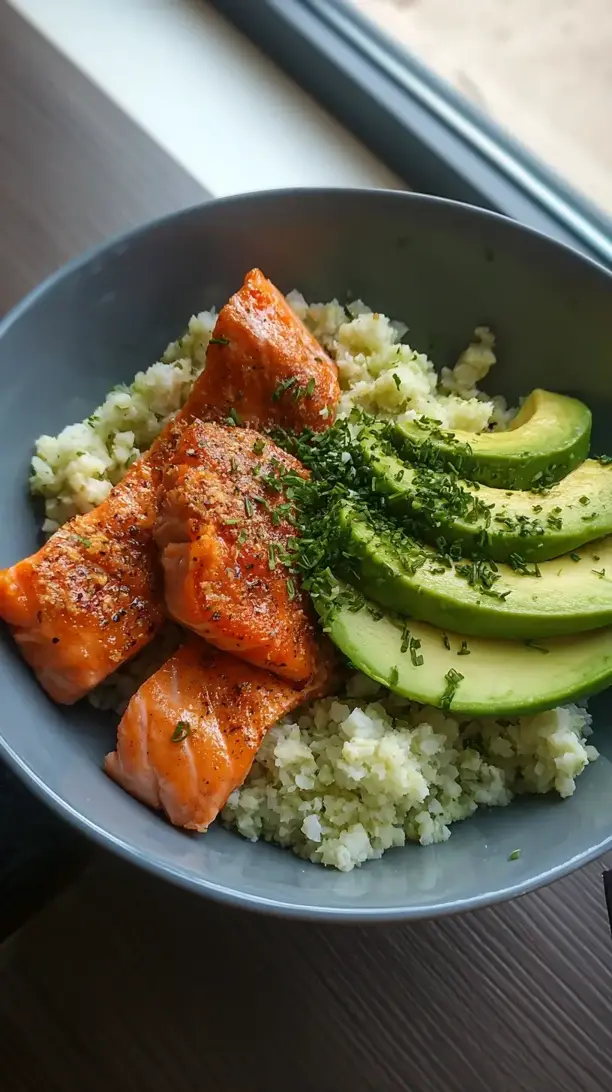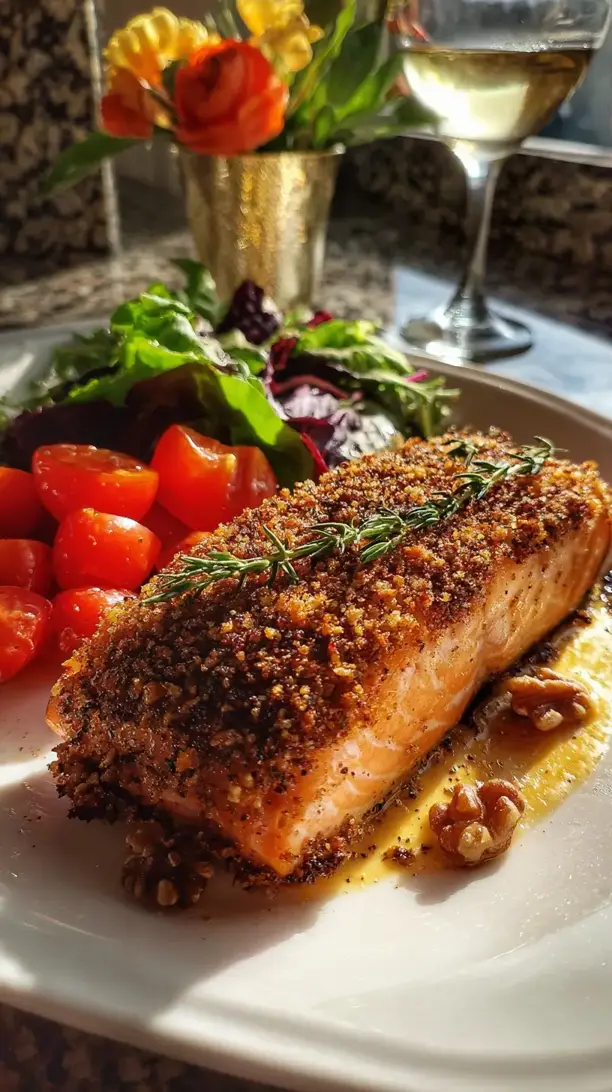

Honey Soy Salmon combines sweet honey and savory soy sauce in a glossy glaze that caramelizes beautifully on tender, flaky fish. This elegant yet simple dish comes together quickly with pantry staples. Perfect for weeknights or entertaining, this honey soy salmon delivers irresistible flavor with minimal effort.
Why You’ll Love This Honey Soy Salmon
- Effortless Prep: Just mix, marinate, and bake—the oven does the work.
- Perfect Flavor Balance: Sweet honey and umami soy sauce with aromatic garlic and ginger.
- Versatile for Any Occasion: Equally suited for quick dinners or guest meals.
- Fast Cooking Time: Ready in under 15 minutes in the oven.
Ingredients & Tools
- 4 salmon fillets (about 150–180 g each), skin-on or skinless
- 3 tbsp honey
- 3 tbsp soy sauce (use reduced-sodium if preferred)
- 2 cloves garlic, minced
- 1 tbsp fresh ginger, grated
- 1 tbsp rice vinegar
- 1 tsp sesame oil
- 1/2 tsp black pepper
- 1 tbsp olive oil or neutral oil
- 1 tbsp sesame seeds, for garnish
- 2 spring onions, thinly sliced
Tools: Baking sheet, parchment paper or foil, small mixing bowl, brush (optional)
Notes: Fresh ginger and garlic make a noticeable difference; don’t skip the sesame oil—it adds nutty depth.
Nutrition (per serving)
| Calories: | 320 kcal |
| Protein: | 25 g |
| Fat: | 15 g |
| Carbs: | 18 g |
| Fiber: | 1 g |
Serves: 4 | Prep Time: 10 minutes | Cook Time: 12–14 minutes | Total Time: 25 minutes
Before You Start: Tips & Ingredient Notes
- Choose the right salmon. I prefer skin-on fillets because the skin helps keep the fish moist and adds a lovely texture, but skinless works just as well. Look for fillets that are similar in thickness so they cook evenly.
- Don’t skip the rice vinegar. It might seem like a small addition, but that touch of acidity balances the sweetness of the honey and the saltiness of the soy sauce perfectly. If you don’t have rice vinegar, a squeeze of lime juice works in a pinch.
- Pat your salmon dry. Before marinating, use a paper towel to gently pat the fillets dry. This helps the glaze adhere better and promotes that beautiful caramelization in the oven.
- Fresh aromatics make a difference. While powdered garlic and ginger are okay in a bind, freshly minced garlic and grated ginger really elevate the sauce with their vibrant, pungent notes.
How to Make Honey Soy Salmon
Step 1: Preheat your oven to 200°C (400°F) and line a baking sheet with parchment paper or foil. Lightly brush or drizzle the paper with a bit of olive oil to prevent sticking. While the oven heats up, pat the salmon fillets dry with a paper towel—this is a small step, but it makes a big difference in how the glaze clings to the fish.
Step 2: In a small bowl, whisk together the honey, soy sauce, minced garlic, grated ginger, rice vinegar, sesame oil, and black pepper. You’ll notice the sauce is thin but richly fragrant. Taste it—you should get a nice balance of sweet, salty, and tangy. If you prefer a little more kick, feel free to add a pinch of red pepper flakes.
Step 3: Place the salmon fillets on the prepared baking sheet, skin-side down if they have skin. Using a brush or spoon, generously coat the top and sides of each fillet with the honey soy glaze. Reserve about two tablespoons of the sauce for brushing later. Let the salmon sit for 5–10 minutes to soak up those flavors—this mini-marinate makes a noticeable difference.
Step 4: Bake the salmon in the preheated oven for 10–12 minutes, depending on thickness. You’re looking for the glaze to bubble and caramelize around the edges. The salmon should be opaque and flake easily with a fork. If you like a more intense glaze, brush the reserved sauce over the fillets during the last 2–3 minutes of baking.
Step 5: Remove the salmon from the oven and let it rest for 2–3 minutes. This allows the juices to redistribute, keeping the fish moist and tender. Sprinkle with sesame seeds and sliced spring onions right before serving. The heat from the salmon will lightly wilt the onions, which adds a fresh, mild bite to each piece.
Storage & Freshness Guide
- Fridge: Store leftovers in an airtight container for up to 2 days.
- Freezer: Not recommended; the texture of the cooked salmon becomes watery upon thawing.
- Reviving: Reheat gently in a covered oven-safe dish at 150°C (300°F) for about 10 minutes.
Serving Suggestions
Complementary Dishes
- Steamed jasmine rice — The fluffy, slightly sticky grains are perfect for soaking up every last drop of that delicious honey soy glaze.
- Stir-fried vegetables — Think bok choy, snap peas, or broccoli—their crisp-tender texture and mild bitterness balance the rich, sweet-salty salmon beautifully.
- Simple cucumber salad — Thinly sliced cucumbers with a splash of rice vinegar and sesame seeds add a refreshing, crunchy contrast to the meal.
Drinks
- Cold, crisp lager — The light carbonation and mild bitterness cut through the richness of the glaze, cleansing your palate between bites.
- Unoaked Chardonnay — Its bright acidity and citrus notes complement the sweet and savory elements without overpowering the delicate fish.
- Ginger iced tea — A non-alcoholic option that echoes the ginger in the marinade, offering a subtly spicy, refreshing sip.
Something Sweet
- Mango sorbet — The tropical fruitiness feels light and vibrant after the savory salmon, and its cool texture is a lovely way to end the meal.
- Matcha white chocolate cookies — These offer a gentle bitterness and sweetness that won’t overwhelm your palate, just a satisfying little treat.
- Lychee and lime granita — A light, icy dessert with floral and citrus notes that cleanse the palate and leave you feeling refreshed.
Top Mistakes to Avoid
- Overcooking the salmon. Salmon continues to cook a bit after it comes out of the oven, so take it out when it’s just opaque and still slightly tender in the center. Overcooked salmon becomes dry and loses that lovely flaky texture.
- Using a dark baking sheet without lining it. Dark pans can cause the glaze to burn more quickly. Always line your pan with parchment or foil to prevent sticking and ensure even caramelization.
- Skipping the rest time. Letting the salmon sit for a few minutes after baking allows the fibers to relax and reabsorb the juices. Cutting in too soon can cause those precious juices to run out.
- Adding salt to the marinade. Soy sauce is already quite salty, so extra salt isn’t needed. Taste the glaze before adding anything else—you might be surprised by how balanced it is.
Expert Tips
- Tip: For extra caramelization, pop the salmon under the broiler for the last minute of cooking. Watch it closely though—the honey can go from golden to burnt in seconds!
- Tip: If you have time, marinate the salmon for up to 30 minutes in the fridge. This allows the flavors to penetrate deeper into the fish, making it even more succulent.

Honey Soy Salmon
Make perfect Honey Soy Salmon in under 25 minutes! This easy recipe features a sweet & savory glaze for tender, flaky fish. Get the simple recipe now!
Ingredients
For the salmon and glaze:
-
4 salmon fillets (about 150–180 g each, skin-on or skinless)
-
3 tbsp honey
-
3 tbsp soy sauce (use reduced-sodium if preferred)
-
2 cloves garlic (minced)
-
1 tbsp fresh ginger (grated)
-
1 tbsp rice vinegar
-
1 tsp sesame oil
-
1/2 tsp black pepper
-
1 tbsp olive oil or neutral oil
-
1 tbsp sesame seeds (for garnish)
-
2 spring onions (thinly sliced)
Instructions
-
Preheat your oven to 200°C (400°F) and line a baking sheet with parchment paper or foil. Lightly brush or drizzle the paper with a bit of olive oil to prevent sticking. While the oven heats up, pat the salmon fillets dry with a paper towel—this is a small step, but it makes a big difference in how the glaze clings to the fish.01
-
In a small bowl, whisk together the honey, soy sauce, minced garlic, grated ginger, rice vinegar, sesame oil, and black pepper. You’ll notice the sauce is thin but richly fragrant. Taste it—you should get a nice balance of sweet, salty, and tangy. If you prefer a little more kick, feel free to add a pinch of red pepper flakes.02
-
Place the salmon fillets on the prepared baking sheet, skin-side down if they have skin. Using a brush or spoon, generously coat the top and sides of each fillet with the honey soy glaze. Reserve about two tablespoons of the sauce for brushing later. Let the salmon sit for 5–10 minutes to soak up those flavors—this mini-marinate makes a noticeable difference.03
-
Bake the salmon in the preheated oven for 10–12 minutes, depending on thickness. You’re looking for the glaze to bubble and caramelize around the edges. The salmon should be opaque and flake easily with a fork. If you like a more intense glaze, brush the reserved sauce over the fillets during the last 2–3 minutes of baking.04
-
Remove the salmon from the oven and let it rest for 2–3 minutes. This allows the juices to redistribute, keeping the fish moist and tender. Sprinkle with sesame seeds and sliced spring onions right before serving. The heat from the salmon will lightly wilt the onions, which adds a fresh, mild bite to each piece.05