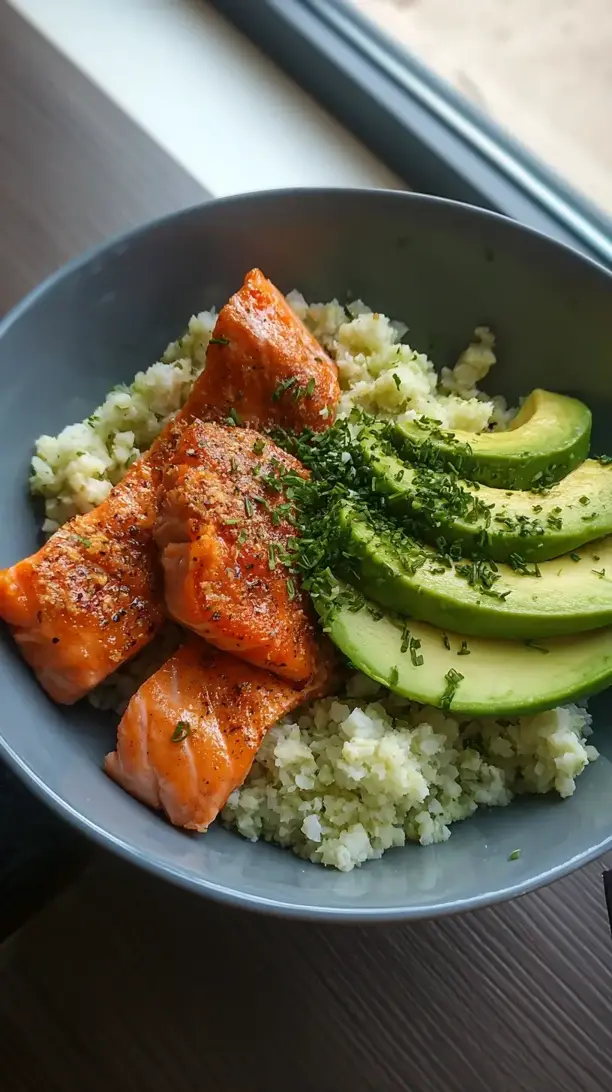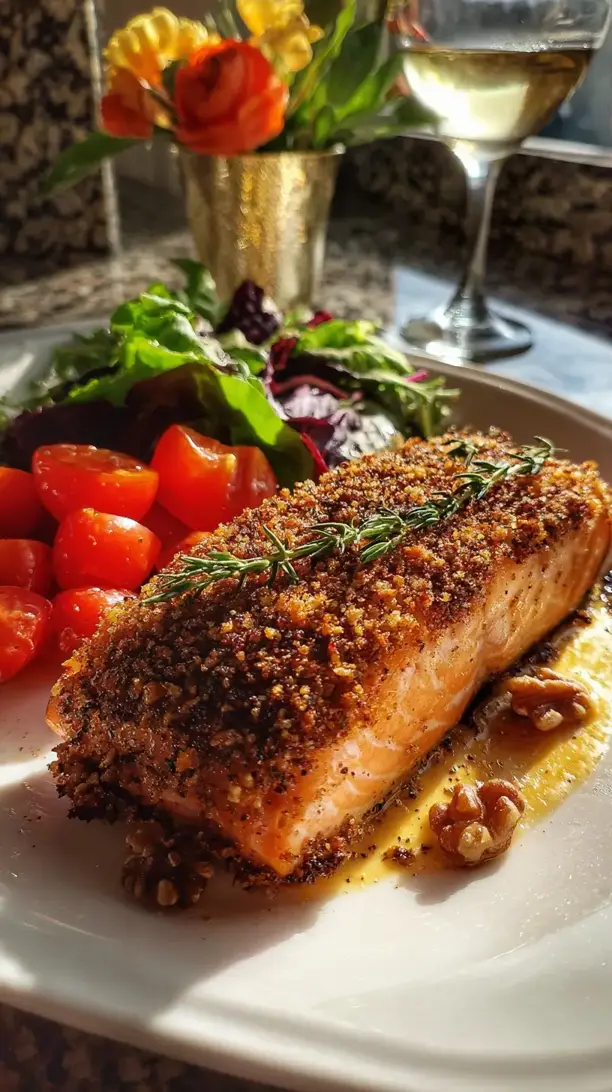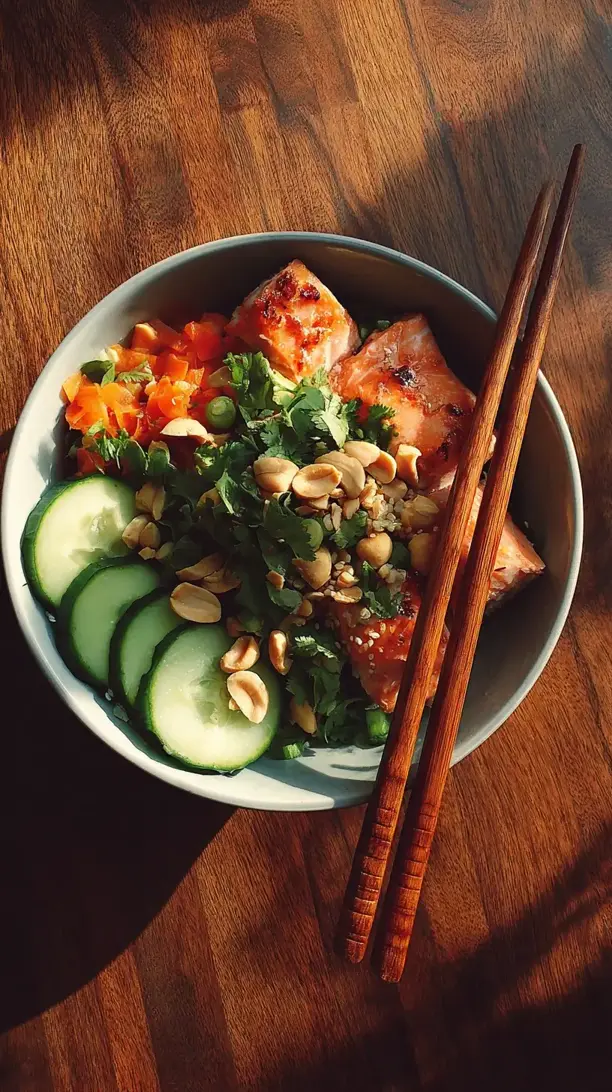

Break out of your dinner rut with this Gochujang Glazed Salmon. It’s a sweet-spicy, restaurant-quality dish ready in 20 minutes. The magic is in the gochujang glaze, which caramelizes beautifully on the salmon.
Why You’ll Love This Gochujang Glazed Salmon
- Flavor bomb: Sweet, spicy, savory, and tangy all at once.
- Fast & easy: Ready in about 20 minutes from start to finish.
- Versatile cooking: Works in the oven, air fryer, skillet, or grill.
- Stunning presentation: Glossy red glaze looks impressively professional.
Ingredients & Tools
- 4 (150 g each) salmon fillets, skin-on or skinless
- 3 tbsp gochujang (Korean chili paste)
- 2 tbsp honey or maple syrup
- 1 tbsp soy sauce (or tamari for gluten-free)
- 1 tbsp rice vinegar
- 2 cloves garlic, minced
- 1 tsp freshly grated ginger
- 1 tbsp sesame oil
- 1 tbsp neutral oil (like avocado or grapeseed)
- 1 tsp sesame seeds, for garnish
- 2 spring onions, thinly sliced, for garnish
Tools: A small bowl for mixing, a baking sheet, parchment paper or a silicone baking mat, and a basting brush.
Notes: Use gochujang with rice as the first ingredient for best flavor. Fresh ginger and garlic are essential for balancing the richness.
Nutrition (per serving)
| Calories: | 345 kcal |
| Protein: | 35 g |
| Fat: | 18 g |
| Carbs: | 12 g |
| Fiber: | 1 g |
Serves: 4 | Prep Time: 10 minutes | Cook Time: 12-15 minutes | Total Time: 25 minutes
Before You Start: Tips & Ingredient Notes
- What if my salmon has skin? You can cook it skin-on! Just place the fillets skin-side down on the baking sheet. The skin will get crispy and is perfectly edible, or you can easily slide a spatula between the skin and flesh to serve it without. It helps protect the bottom from overcooking.
- Is gochujang super spicy? It has a kick, but it’s more of a slow, savory heat than a fiery blast. The sweetness from the honey and the other ingredients really balance it out. If you’re sensitive to spice, start with 2 tablespoons and taste the glaze before adding the third.
- Can I make the glaze ahead of time? Absolutely. You can whisk the glaze ingredients together and store it in an airtight container in the fridge for up to 5 days. This actually allows the flavors to meld together even more, making it even more delicious when you’re ready to cook.
- What’s the best salmon to use? I prefer center-cut fillets that are about 1 to 1.5 inches thick. They cook evenly and are less likely to dry out. If your fillets are very thin, you’ll need to reduce the cooking time significantly to avoid overcooking.
How to Make Gochujang Glazed Salmon
Step 1: First, preheat your oven to 400°F (200°C). Line a rimmed baking sheet with parchment paper or a silicone mat—this is a lifesaver for cleanup because the glaze can get sticky. Pat your salmon fillets completely dry with paper towels. This is a crucial step for getting a nice sear and helping the glaze adhere properly, rather than sliding off a wet surface.
Step 2: Now, let’s make that incredible glaze. In a small bowl, whisk together the gochujang, honey, soy sauce, rice vinegar, minced garlic, grated ginger, and sesame oil. You’ll notice the mixture is quite thick, which is exactly what you want. Whisk it until it’s completely smooth and all the ingredients are fully incorporated. Give it a little taste—it should be a perfect balance of sweet, salty, spicy, and tangy. Adjust to your liking if needed.
Step 3: Place your dried salmon fillets on the prepared baking sheet. Using a basting brush or the back of a spoon, generously coat the top and sides of each fillet with the glaze. Don’t be shy here—you want a good, even layer that will caramelize in the heat. You should use about two-thirds of the glaze at this stage, saving the rest for later.
Step 4: Slide the baking sheet into the preheated oven. The cook time will depend on the thickness of your fillets, but for a 1-inch thick piece, start checking at around 10-12 minutes. You’re looking for the glaze to look set and a bit sticky, and the salmon should flake easily with a fork at its thickest part. Be careful not to overcook it—salmon is best when it’s still a little translucent in the very center.
Step 5: About 2 minutes before the salmon is done, pull the baking sheet out of the oven. Carefully brush the remaining glaze over the top of each fillet. This double-glazing technique gives you an extra layer of flavor and that beautiful, glossy finish. Return the salmon to the oven for the final couple of minutes to let that fresh glaze set.
Step 6: Once out of the oven, let the salmon rest on the baking sheet for 2-3 minutes. This allows the juices to redistribute, ensuring every bite is moist and flavorful. Right before serving, sprinkle with the sliced spring onions and a generous pinch of sesame seeds for a fresh, colorful, and textural finish.
Storage & Freshness Guide
- Fridge: Store leftovers in an airtight container for up to 2 days.
- Freezer: Not recommended; glaze may become watery upon thawing.
- Reviving: Reheat gently in an air fryer or toaster oven at 300°F until warm.
Serving Suggestions
Complementary Dishes
- Steamed Jasmine Rice — The fluffy, slightly sticky rice is the perfect neutral canvas to soak up every last drop of the delicious, spicy glaze.
- Quick-Pickled Cucumbers — Their bright, acidic crunch provides a fantastic contrast to the rich, fatty salmon and helps cleanse the palate between bites.
- Stir-fried Bok Choy or Broccoli — A simple green vegetable sautéed with a little garlic and sesame oil rounds out the meal with a healthy, savory element.
Drinks
- A Crisp, Dry Riesling — The slight sweetness and high acidity of the wine beautifully counterbalance the spice and umami in the glaze, creating a harmonious pairing.
- Cold Hite or Cass Beer — A light, crisp Korean lager is a classic pairing that cuts through the richness and refreshes your taste buds with every sip.
- Sparkling Water with Lime — For a non-alcoholic option, the bubbles and citrus are incredibly effective at resetting your palate and handling the dish’s gentle heat.
Something Sweet
- Green Tea Ice Cream — The slightly bitter, earthy notes of matcha are a sophisticated and calming finish after the bold flavors of the salmon.
- Fresh Orange Slices with a Mint — Simple, refreshing, and light; the citrus is a perfect, clean way to end the meal without feeling too heavy.
- Yakgwa (Korean Honey Pastry) — If you want to lean into the theme, these deep-fried, syrupy pastries offer a delightful and traditional sweet contrast.
Top Mistakes to Avoid
- Mistake: Not patting the salmon dry. A wet surface will steam the fish instead of letting it roast, and the glaze will slide right off, leaving you with a patchy, less flavorful coating. A quick pat with a paper towel makes all the difference.
- Mistake: Using low-quality gochujang. Some brands are loaded with corn syrup and artificial flavors, which can make your glaze cloyingly sweet and one-dimensional. Read the label and choose one with a short, recognizable ingredient list for the best, most complex flavor.
- Mistake: Overcooking the salmon. Salmon continues to cook after it comes out of the oven (carryover cooking). If you wait until it’s completely opaque all the way through in the oven, it will be dry by the time you eat it. Pull it out when it’s still a little translucent in the very center.
- Mistake: Skipping the final glaze. Brushing on that second layer of glaze right at the end is what gives the dish its stunning, glossy, restaurant-quality finish. The first layer cooks into the fish, while the final layer sits beautifully on top.
Expert Tips
- Tip: For an extra flavor boost, let the salmon marinate in half of the glaze for 15-30 minutes in the fridge before cooking. This allows the salt and acidity to gently penetrate the fish, resulting in a more deeply seasoned fillet from the inside out.
- Tip: If you love a bit of char, finish the salmon under the broiler for the last 1-2 minutes of cooking. Keep a very close eye on it, as the sugar in the glaze can burn quickly, but this will give you those delicious, slightly blistered, caramelized edges.
- Tip: Grate your ginger while it’s frozen! It’s much easier to handle, you don’t have to peel it (the skin will separate), and you’ll get a fine pulp with no stringy bits, distributing its flavor perfectly throughout the glaze.
- Tip: If your glaze seems too thick to brush on easily, thin it out with just a teaspoon or two of warm water. You want it to be a spreadable paste, not a solid lump or a runny liquid.
FAQs
Can I use another type of fish?
Absolutely! This glaze is incredibly versatile. It works wonderfully on firm white fish like cod or halibut, though you may need to adjust the cooking time as these can cook faster than salmon. It’s also fantastic on chicken thighs or wings, or even brushed onto roasted cauliflower or carrots for a vegetarian option. The key is to adjust your cooking method and time based on what you’re using.
How should I store and reheat leftovers?
Store any leftover salmon in an airtight container in the refrigerator for up to 2 days. To reheat, I strongly recommend using an air fryer or a toaster oven at a low temperature (around 300°F / 150°C) until just warmed through. The microwave will work in a pinch but can make the fish rubbery and cause the glaze to become watery. You can also flake cold leftovers over a salad—it’s delicious!
My glaze burned in the oven. What happened?
This usually happens for one of two reasons: your oven temperature was too high, or you used a glaze with a very high sugar content. Oven thermostats can be inaccurate, so an oven thermometer is a great tool. If you know your oven runs hot, try reducing the temperature by 25°F. Also, ensure you’re using a good-quality gochujang and not substituting the honey with something like straight sugar, which has a much lower burn point.
Is there a substitute for gochujang?
While you won’t get the exact same complex, fermented flavor, you can make a decent stand-in in a pinch. Mix together 2 tablespoons of tomato paste, 1 tablespoon of sriracha or another chili-garlic sauce, 1/2 teaspoon of soy sauce, and a tiny pinch of sugar. It will be spicier and less nuanced, but it will provide a similar spicy-sweet profile for your glaze.
Can I make this on the grill?
Yes, and it’s fantastic! Make sure your grill grates are very clean and well-oiled to prevent sticking. Place the glazed salmon fillets skin-side down (if they have skin) over medium-high indirect heat. Close the lid and cook for about the same amount of time, or until the salmon is cooked to your liking. The smoky flavor from the grill pairs beautifully with the sweet and spicy glaze.

Gochujang Glazed Salmon
Make this easy Gochujang Glazed Salmon in just 20 minutes for a sweet-spicy, restaurant-quality meal. Get the simple recipe and cooking tips now!
Ingredients
For the salmon and glaze:
-
4 salmon fillets (150 g each, skin-on or skinless)
-
3 tbsp gochujang (Korean chili paste)
-
2 tbsp honey or maple syrup
-
1 tbsp soy sauce (or tamari for gluten-free)
-
1 tbsp rice vinegar
-
2 cloves garlic (minced)
-
1 tsp freshly grated ginger
-
1 tbsp sesame oil
-
1 tbsp neutral oil (like avocado or grapeseed)
-
1 tsp sesame seeds (for garnish)
-
2 spring onions (thinly sliced, for garnish)
Instructions
-
First, preheat your oven to 400°F (200°C). Line a rimmed baking sheet with parchment paper or a silicone mat—this is a lifesaver for cleanup because the glaze can get sticky. Pat your salmon fillets completely dry with paper towels. This is a crucial step for getting a nice sear and helping the glaze adhere properly, rather than sliding off a wet surface.01
-
Now, let’s make that incredible glaze. In a small bowl, whisk together the gochujang, honey, soy sauce, rice vinegar, minced garlic, grated ginger, and sesame oil. You’ll notice the mixture is quite thick, which is exactly what you want. Whisk it until it’s completely smooth and all the ingredients are fully incorporated. Give it a little taste—it should be a perfect balance of sweet, salty, spicy, and tangy. Adjust to your liking if needed.02
-
Place your dried salmon fillets on the prepared baking sheet. Using a basting brush or the back of a spoon, generously coat the top and sides of each fillet with the glaze. Don’t be shy here—you want a good, even layer that will caramelize in the heat. You should use about two-thirds of the glaze at this stage, saving the rest for later.03
-
Slide the baking sheet into the preheated oven. The cook time will depend on the thickness of your fillets, but for a 1-inch thick piece, start checking at around 10-12 minutes. You’re looking for the glaze to look set and a bit sticky, and the salmon should flake easily with a fork at its thickest part. Be careful not to overcook it—salmon is best when it’s still a little translucent in the very center.04
-
About 2 minutes before the salmon is done, pull the baking sheet out of the oven. Carefully brush the remaining glaze over the top of each fillet. This double-glazing technique gives you an extra layer of flavor and that beautiful, glossy finish. Return the salmon to the oven for the final couple of minutes to let that fresh glaze set.05
-
Once out of the oven, let the salmon rest on the baking sheet for 2-3 minutes. This allows the juices to redistribute, ensuring every bite is moist and flavorful. Right before serving, sprinkle with the sliced spring onions and a generous pinch of sesame seeds for a fresh, colorful, and textural finish.06