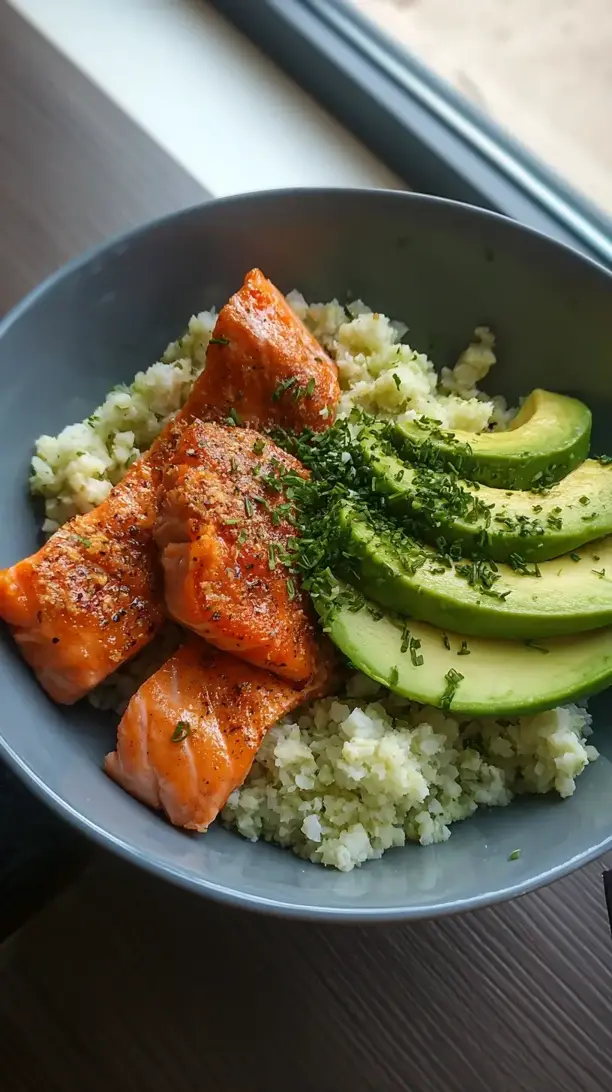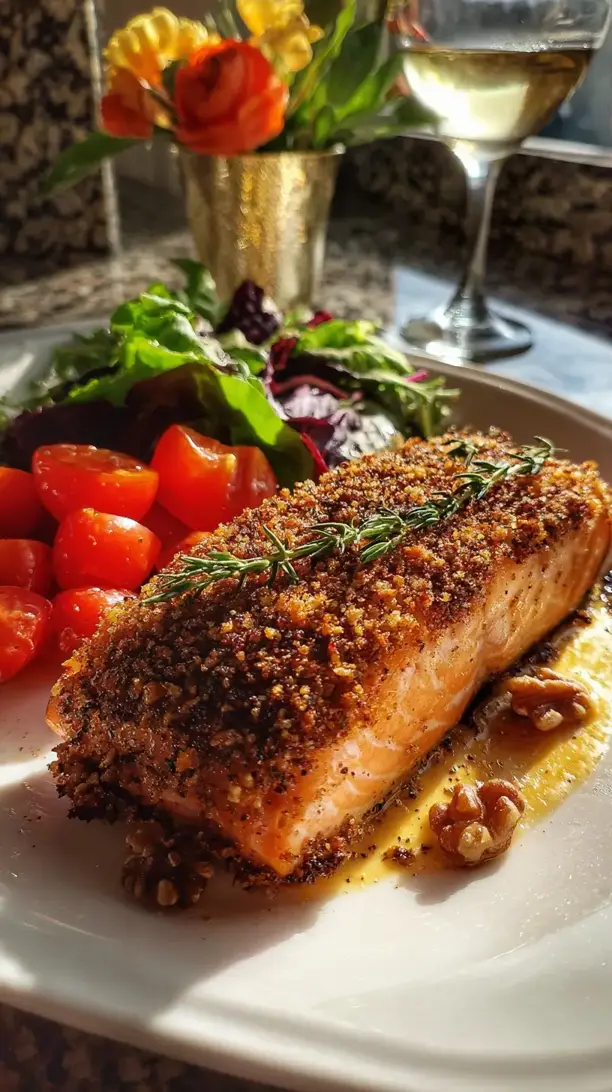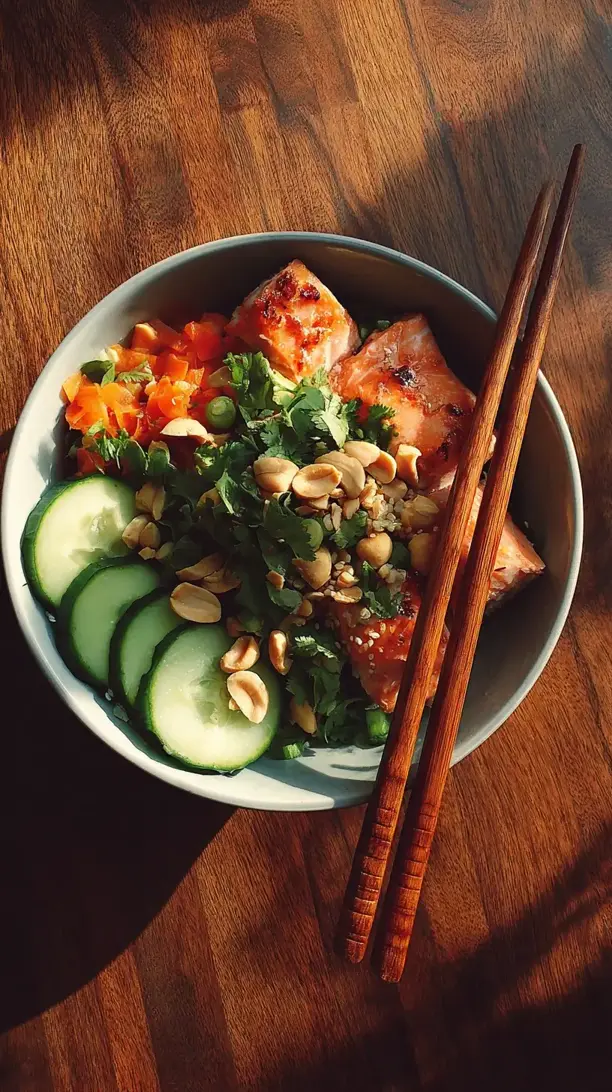

This Gluten-Free Salmon recipe delivers a perfectly cooked, flaky fillet with a vibrant herby crust. It’s simple, elegant, and versatile enough for any occasion. You’ll love the aromatic blend of fresh parsley, dill, and lemon zest that makes this dish feel luxurious.
Why You’ll Love This Gluten-Free Salmon
- Flavorful & satisfying: An aromatic herb crust transforms simple salmon into something special.
- Simple & reliable: Streamlined steps deliver an impressive dinner with minimal fuss.
- Healthy & versatile: Packed with protein and good fats, it pairs with almost any side.
- Perfect texture: High heat and a brief rest ensure moist, flaky fish with a crisp crust.
Ingredients & Tools
- 4 salmon fillets, skin-on or skinless (about 150-180 g each)
- 2 tbsp olive oil, plus extra for drizzling
- 60 g gluten-free breadcrumbs
- 25 g fresh flat-leaf parsley, finely chopped
- 15 g fresh dill, finely chopped
- 2 cloves garlic, minced
- 1 lemon (zest and juice)
- 1 tsp Dijon mustard
- ½ tsp sea salt, plus more to taste
- ¼ tsp freshly cracked black pepper
Tools: A medium mixing bowl, a baking sheet, parchment paper, a small bowl for the mustard mixture, and a microplane or zester.
Notes: Use fine, sandy gluten-free breadcrumbs and fresh herbs for the best flavor and texture.
Nutrition (per serving)
| Calories: | 345 kcal |
| Protein: | 35 g |
| Fat: | 18 g |
| Carbs: | 8 g |
| Fiber: | 1 g |
Serves: 4 | Prep Time: 15 minutes | Cook Time: 12 minutes | Total Time: 27 minutes
Before You Start: Tips & Ingredient Notes
- What’s the deal with salmon skin? I recommend using skin-on fillets for this recipe. The skin helps protect the delicate flesh from the direct heat of the pan, keeping it incredibly moist. It also gets wonderfully crisp and is delicious to eat, but you can easily remove it after cooking if you prefer.
- Can I use dried herbs instead? Honestly, I really don’t recommend it for this particular recipe. The fresh herbs provide a brightness and potency that dried herbs simply can’t match. They are the star of the crust, so using fresh makes all the difference.
- Double-check your mustard. Most Dijon mustard is naturally gluten-free, but it’s always a good habit to quickly scan the label to be absolutely sure, especially if you have celiac disease or a high sensitivity.
- Bring your salmon to room temperature. This is a small step with a big impact. Letting the fillets sit out for 15-20 minutes before cooking ensures they cook evenly from edge to center, preventing a cold, undercooked middle.
How to Make Gluten-Free Salmon
Step 1: First, preheat your oven to 200°C (400°F). This high heat is crucial for getting a nicely cooked exterior without drying out the fish. While the oven heats up, line a baking sheet with parchment paper—this makes cleanup an absolute breeze and prevents any sticking.
Step 2: Now, let’s make that gorgeous herb crust. In your medium bowl, combine the gluten-free breadcrumbs, chopped parsley, chopped dill, minced garlic, and lemon zest. Use your fingers to rub the lemon zest into the breadcrumbs as you mix; this helps release all those wonderful citrus oils and distributes the flavor more evenly. You’ll notice the mixture immediately becomes incredibly fragrant.
Step 3: In a separate small bowl, whisk together the 2 tablespoons of olive oil, a tablespoon of lemon juice, the Dijon mustard, salt, and pepper. This is our flavor-packed “glue.” It will help the crust adhere to the salmon and add a lovely tangy depth to every single bite.
Step 4: Pat the salmon fillets completely dry with a paper towel. This is a non-negotiable step for getting a good sear and preventing the fish from steaming. Place them on the prepared baking sheet, skin-side down if they have skin. Now, brush the top and sides of each fillet generously with the mustard and oil mixture.
Step 5: Take a handful of the breadcrumb mixture and press it firmly onto the top of each salmon fillet. You want to create an even, compact layer that won’t fall off during cooking. Don’t be shy—press it on there! A little gentle pressure ensures a beautiful, cohesive crust.
Step 6: It’s time to bake. Place the baking sheet in the preheated oven and cook for 10-12 minutes. The exact time will depend on the thickness of your fillets. You’re looking for the crust to be golden brown and the salmon to be opaque and flake easily when pressed gently with a fork at its thickest part.
Step 7: Once out of the oven, let the salmon rest on the baking sheet for about 3-4 minutes. This allows the juices to redistribute throughout the flesh, ensuring every single bite is moist and tender. Serve with an extra wedge of lemon on the side for squeezing over the top right before eating.
Storage & Freshness Guide
- Fridge: Store leftovers in an airtight container for up to 2 days.
- Freezer: Not recommended; the crust will become soggy upon thawing.
- Reviving: Reheat in a 150°C (300°F) oven for 10–15 minutes to preserve texture.
Serving Suggestions
Complementary Dishes
- Lemon-Herb Quinoa — The light, fluffy texture of quinoa is the perfect canvas to soak up the delicious juices from the salmon, and the lemon ties both dishes together beautifully.
- Roasted Asparagus with Garlic — There’s something about the earthy, slightly charred flavor of asparagus that pairs magically with the rich, herby salmon. It’s a classic for a very good reason.
- Creamy Mashed Cauliflower — For a low-carb option that feels indulgent, this is your go-to. The creamy, mild flavor provides a wonderful contrast to the zesty, textured salmon crust.
Drinks
- A Crisp Sauvignon Blanc — The bright acidity and citrus notes in this wine cut through the richness of the salmon and mirror the lemon in the recipe, creating a harmonious pairing.
- Sparkling Water with Cucumber & Mint — A non-alcoholic option that feels refreshing and elegant. The cool, clean flavors cleanse the palate between bites of the savory fish.
- A Light Pale Ale (Gluten-Free) — If you’re a beer lover, a crisp, gluten-free pale ale offers a pleasant hoppy bitterness that stands up well to the robust garlic and herb flavors.
Something Sweet
- Lemon Sorbet — A scoop of tangy, refreshing sorbet is the perfect palate-cleanser after a rich meal. It continues the citrus theme in the most delightful, light way.
- Flourless Chocolate Cake — For a truly decadent finish, this rich, fudgy cake is naturally gluten-free and provides a deep, chocolatey contrast to the savory main course.
- Fresh Berry Salad with Mint — Simple, fresh, and vibrant. A mix of berries with a hint of mint and a drizzle of honey feels light and satisfying without being too heavy.
Top Mistakes to Avoid
- Mistake: Not patting the salmon dry. If the surface of the fish is wet, it will steam instead of getting a nice crust, and the breadcrumb topping is more likely to become soggy and fall off. A quick pat with a paper towel makes a world of difference.
- Mistake: Overmixing the crust. You just want to combine the ingredients until they’re evenly distributed. Overworking it can sometimes make the breadcrumbs a bit pasty. A gentle hand is best here.
- Mistake: Pressing the crust on too lightly. If you just sprinkle the topping on, it will likely end up all over your baking sheet instead of on your salmon. A firm, confident press is the trick to a crust that stays put.
- Mistake: Skipping the rest time. I know it’s tempting to dig right in, but those few minutes of resting are what lock in the juices. Cutting into the salmon immediately will cause all those precious fluids to run out, leaving you with a drier result.
Expert Tips
- Tip: Make your own gluten-free breadcrumbs. If you have a little extra time, toast a couple of slices of your favorite gluten-free bread, let them cool completely, and then pulse them in a food processor until fine. Homemade crumbs have a superior texture and flavor that really elevates the dish.
- Tip: Use a microplane for the garlic. Instead of mincing, try grating your garlic cloves on a microplane. It creates a super-fine paste that incorporates seamlessly into the crust, giving you garlic flavor in every single bite without any sharp, bitter chunks.
- Tip: Check for doneness with a thermometer. For absolute precision, use an instant-read thermometer. Insert it into the thickest part of the fillet, and when it reads 52-54°C (125-130°F), it’s time to take it out. The residual heat will carry it to a perfect, flaky 57°C (135°F).
- Tip: Add a pinch of chili flake. If you like a little heat, a quarter teaspoon of red pepper flakes mixed into the breadcrumb blend adds a wonderful, subtle warmth that plays beautifully with the lemon and herbs.
FAQs
Can I make this Gluten-Free Salmon ahead of time?
You can prepare the components ahead of time to make dinner super quick! Mix the breadcrumb topping and the mustard-oil mixture separately, store them in airtight containers in the fridge, and pat your salmon dry. Then, when you’re ready to eat, it’s just a matter of assembling and baking. I wouldn’t recommend assembling the entire dish hours in advance, as the moisture from the salmon can make the crust soggy before it even hits the oven.
What’s the best type of salmon to use for this recipe?
Honestly, you can use any type of salmon you like or have access to. Atlantic, Sockeye, and Coho all work wonderfully. The key is to look for fillets that are of uniform thickness so they cook evenly. If one end is much thinner than the other, you can tuck it under slightly to create a more even shape. Farmed salmon tends to be a bit fattier and more forgiving, while wild-caught has a richer, more robust flavor.
My breadcrumb topping is browning too quickly. What should I do?
This can happen if your oven runs hot or your rack is too high. If you notice the crust getting dark brown before the salmon is cooked through, simply lay a loose piece of aluminum foil over the top of the baking sheet. This will shield the crust from direct heat and allow the fish to finish cooking without the topping burning. It’s a simple fix that saves dinner!
Can I cook this in an air fryer instead of the oven?
Absolutely! An air fryer is a fantastic tool for this recipe. Preheat your air fryer to 190°C (375°F). Cook the prepared salmon for 8-10 minutes, depending on thickness. The concentrated, circulating heat gives you an especially crisp crust. Just be sure not to overcrowd the basket—cook in a single layer with some space between fillets for the best air flow and results.
How should I store and reheat leftovers?
Store any leftover salmon in an airtight container in the refrigerator for up to 2 days. To reheat, avoid the microwave, as it will make the fish rubbery and the crust soggy. Instead, place it on a baking sheet and warm it in a 150°C (300°F) oven for about 10-15 minutes, until just heated through. This method helps preserve the texture much better.

Gluten Free Salmon
Make this easy Gluten-Free Salmon with a crispy herb crust for a healthy, elegant dinner. Ready in under 30 minutes. Get the foolproof recipe now!
Ingredients
For the Ingredients
-
4 salmon fillets (skin-on or skinless (about 150-180 g each))
-
2 tbsp olive oil (plus extra for drizzling)
-
60 g gluten-free breadcrumbs
-
25 g fresh flat-leaf parsley (finely chopped)
-
15 g fresh dill (finely chopped)
-
2 cloves garlic (minced)
-
1 lemon (zest and juice)
-
1 tsp Dijon mustard
-
½ tsp sea salt (plus more to taste)
-
¼ tsp freshly cracked black pepper