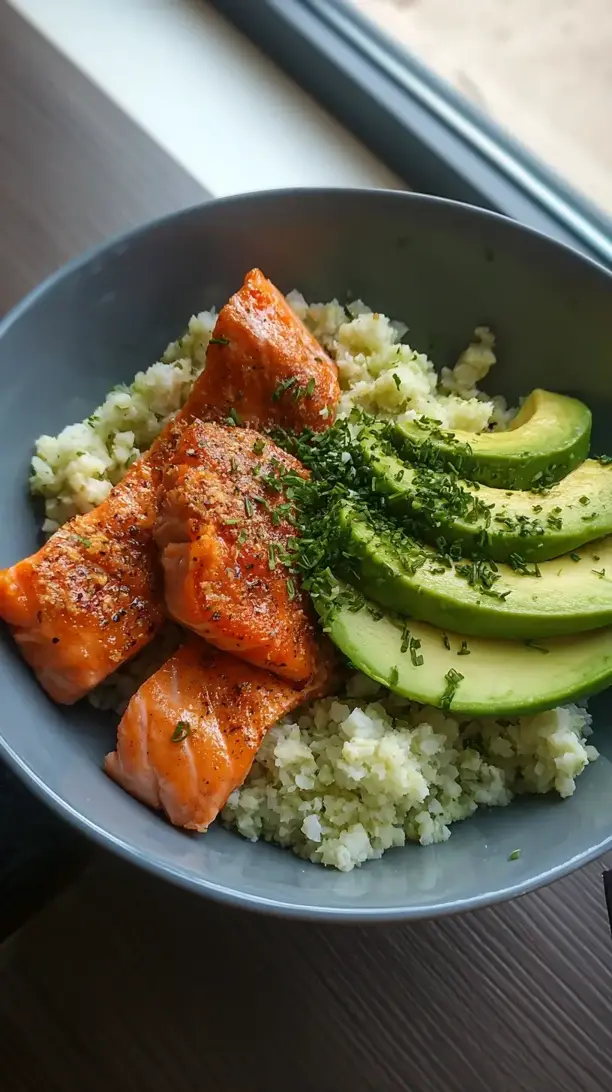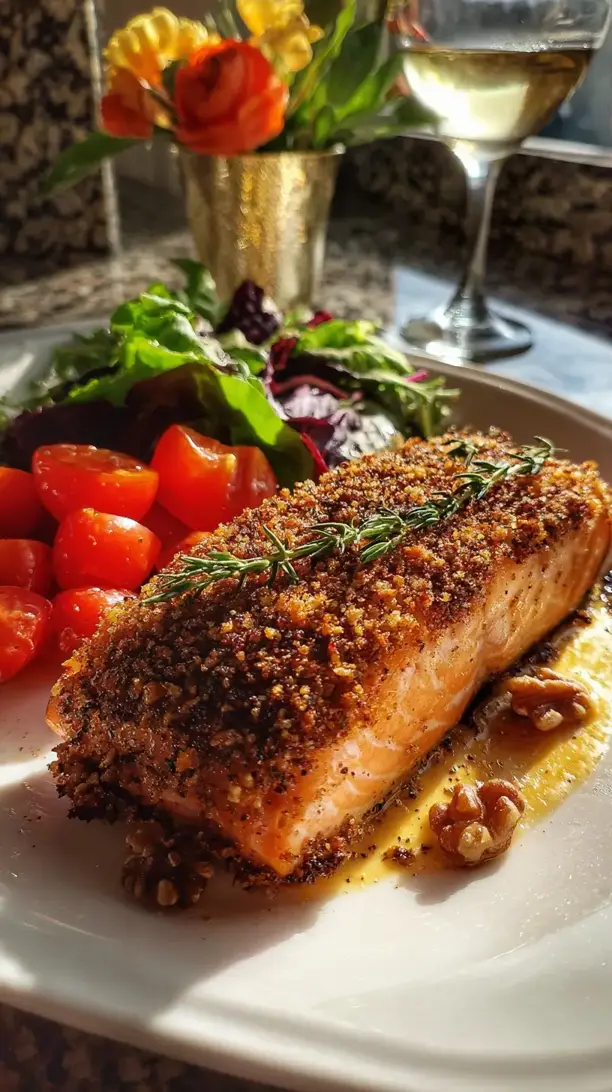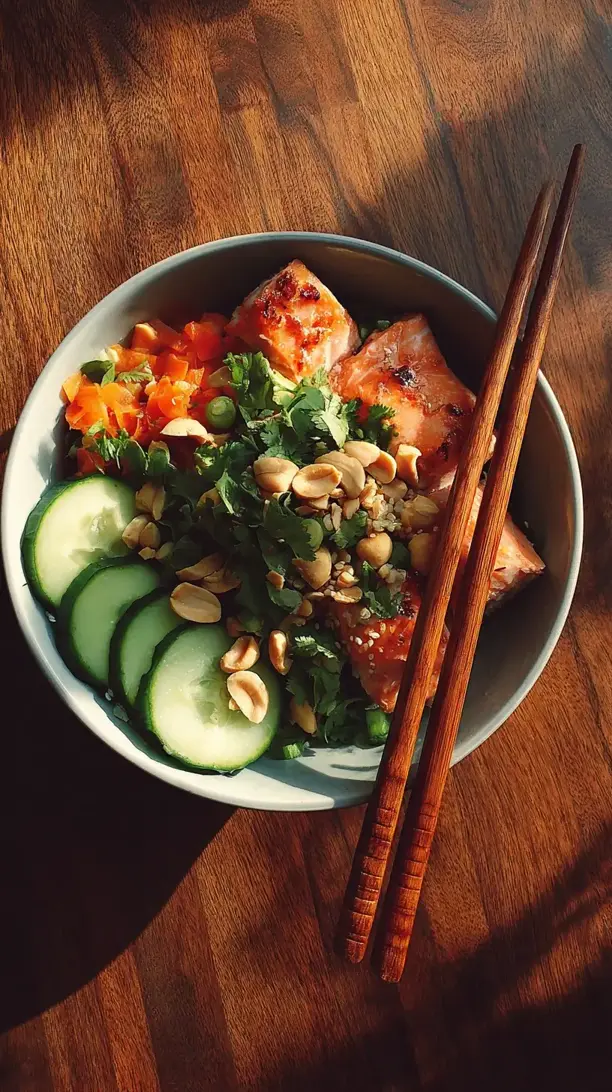

This Cajun Blackened Salmon recipe delivers a restaurant-worthy meal with minimal effort. The technique creates a dark, spice-crusted exterior while keeping the inside tender and flaky. It’s a fast, flavorful, and thrilling way to enjoy salmon.
Why You’ll Love This Cajun Blackened Salmon
- Incredibly fast: Ready in about 15 minutes for a busy weeknight.
- Unreal flavor: Savory, smoky, and just-spicy-enough crust complements the rich salmon.
- Surprisingly simple: Straightforward process—pat dry, season, and sear.
- Incredibly versatile: Great over salads, in tacos, or with classic sides.
Ingredients & Tools
- 4 (6-ounce / 170 g) salmon fillets, skin-on or skinless
- 2 tablespoons smoked paprika
- 1 tablespoon garlic powder
- 1 tablespoon onion powder
- 2 teaspoons dried oregano
- 2 teaspoons dried thyme
- 1 teaspoon cayenne pepper (adjust to your heat preference)
- 1 teaspoon fine sea salt
- 1/2 teaspoon freshly ground black pepper
- 2 tablespoons avocado oil or another high-smoke-point oil
- 2 tablespoons unsalted butter
- 1 lemon, cut into wedges for serving
Tools: A large, heavy-bottomed skillet (cast iron is ideal), small bowl, paper towels.
Notes: The quality of your spices really makes a difference here—using fresh, not-dusty spices will give you the most vibrant flavor. A little goes a long way with the cayenne, so feel free to dial it back if you’re sensitive to heat.
Nutrition (per serving)
| Calories: | 320 kcal |
| Protein: | 35 g |
| Fat: | 19 g |
| Carbs: | 4 g |
| Fiber: | 2 g |
Serves: 4 | Prep Time: 5 minutes | Cook Time: 8 minutes | Total Time: 13 minutes
Before You Start: Tips & Ingredient Notes
- Get your skillet seriously hot. This is non-negotiable for a proper blackened crust. You want it smoking hot before the fish even touches the surface. A cast-iron skillet is your best friend here because it holds and distributes heat so evenly.
- Pat that salmon completely dry. Any surface moisture will steam the fish instead of searing it, and you’ll miss out on that incredible crust. Use paper towels and press firmly to get it as dry as possible.
- Don’t be shy with the seasoning. You need a thick, even layer of the spice mix to create that signature blackened bark. It might look like a lot, but trust the process—it toasts and mellows in the pan.
- Have your ventilation ready. Blackening is a smoky business! It’s totally normal and part of the process. Turn on your hood fan, open a window, and maybe disable your smoke alarm… just for a few minutes.
How to Make Cajun Blackened Salmon
Step 1: First, you’ll want to prepare your salmon. Take the fillets out of the fridge and use paper towels to pat them completely dry on all sides. This is the secret to a good sear—no steam! Let them sit at room temperature for about 10 minutes while you make the spice blend. This helps them cook more evenly.
Step 2: In a small bowl, whisk together all of your dried spices: the smoked paprika, garlic powder, onion powder, oregano, thyme, cayenne, salt, and black pepper. You’ll notice the color is a deep, brick red and the aroma is already incredible. Give it a taste on your finger—this is your chance to adjust the salt or heat level.
Step 3: Now, generously coat the salmon. Drizzle the fillets with about one tablespoon of the oil and rub it all over. Then, press the Cajun seasoning mixture onto every surface of the salmon, creating a thick, even crust. Don’t forget the sides! The fillets should be well-coated and look almost like they’re wearing a rust-colored jacket.
Step 4: Time to heat the pan. Place your heavy skillet (cast iron is perfect) over medium-high to high heat and let it get seriously hot for a good 3-4 minutes. You should see wisps of smoke starting to rise from the surface. Add the remaining tablespoon of oil and swirl it to coat the pan.
Step 5: Carefully place the seasoned salmon fillets in the hot skillet. You should hear an immediate, aggressive sizzle—that’s what you want! Do not move them. Let them cook undisturbed for 3-4 minutes to form that beautiful, blackened crust. The spices will toast and become incredibly fragrant.
Step 6: After 3-4 minutes, the bottom should be dark and crusty. Gently flip the fillets using a sturdy spatula. If they stick a little, just give them another 30 seconds—they’ll release when they’re ready. Add the butter to the pan now. It will melt and foam around the salmon, adding a rich, nutty flavor.
Step 7: Cook for another 2-4 minutes on the second side, depending on the thickness of your fillets. For medium, you’re aiming for an internal temperature of 125°F (52°C). The salmon should feel firm but still have a little give when pressed. You can also baste the fillets with the melted butter in the pan for extra flavor.
Step 8: Remove the salmon from the skillet and transfer it to a clean plate or cutting board. Let it rest for a couple of minutes—this allows the juices to redistribute. Squeeze fresh lemon juice over the top right before serving. The acid from the lemon really makes the flavors pop.
Storage & Freshness Guide
- Fridge: Store leftovers in an airtight container for up to 2 days.
- Freezer: Not recommended; the texture of the salmon and crust may suffer.
- Reviving: Gently reheat in a skillet over low heat or in a 275°F (135°C) oven until warmed through.
Serving Suggestions
Complementary Dishes
- Creamy Cheddar Grits — The rich, cheesy grits are a dreamy base that soaks up all the flavorful juices from the salmon.
- Fresh Corn and Avocado Salad — The sweet corn and creamy avocado provide a cool, refreshing contrast to the spicy, hot salmon.
- Sautéed Garlic Green Beans — Simple, crisp-tender green beans with a punch of garlic balance the meal beautifully.
Drinks
- A Crisp Sauvignon Blanc — Its bright acidity and citrus notes cut through the richness of the fish and spice perfectly.
- An Ice-Cold Lager — A clean, refreshing beer is fantastic for calming the heat and cleansing your palate between bites.
- Sparkling Water with Lemon — Sometimes the simple, bubbly contrast is all you need to reset your taste buds for the next flavorful forkful.
Something Sweet
- Classic Key Lime Pie — The intense, tangy sweetness is the ultimate palate-cleanser after a bold and savory main course.
- Mango Sorbet — A light, fruity, and cold dessert that feels refreshing and doesn’t weigh you down.
- Dark Chocolate Bark with Sea Salt — A few pieces of rich, slightly bitter chocolate provide a sophisticated and simple ending.
Top Mistakes to Avoid
- Mistake: Using a cold pan. If your skillet isn’t hot enough, the salmon will steam and stew in its own juices instead of searing. You’ll end up with a pale, soft exterior and miss the entire point of blackening.
- Mistake: Moving the salmon too soon. I’ve messed this up before too… the second you hear that sizzle, you want to peek. Resist! Let the crust form. If you try to move it before it’s ready, the beautiful crust will tear and stick to the pan.
- Mistake: Skipping the drying step. Even a little bit of moisture is the enemy of a good sear. Patting the salmon dry is a 30-second task that makes all the difference in the world for texture.
- Mistake: Overcooking the salmon. Remember, it will continue to cook a bit after it comes out of the pan. Pull it off when it’s just slightly under your desired doneness for a perfectly moist and flaky result.
Expert Tips
- Tip: Make a big batch of seasoning. Double or triple the dry spice mix and store it in a jar. You’ll have homemade Cajun seasoning ready in seconds for chicken, shrimp, or even roasted potatoes.
- Tip: Use the butter for basting. After you flip the salmon and add the butter, tilt the pan and use a spoon to continuously pour the foaming butter over the fillets. This “basting” technique adds an incredible richness and helps cook the top evenly.
- Tip: Check for doneness with a thermometer. For perfectly cooked salmon, an instant-read thermometer is your best friend. Aim for 125°F (52°C) for medium. It takes the guesswork out and guarantees perfect results every single time.
- Tip: Let it rest. I know it’s tempting to dig right in, but giving the salmon just 2-3 minutes to rest allows the intense heat to distribute evenly, ensuring every single bite is juicy and tender, not dry.
FAQs
Can I use a different type of fish?
Absolutely! The blackening technique works wonderfully with other firm-fleshed fish like swordfish, tuna, or even cod. Just keep a close eye on the cooking time, as thinner fillets will cook much faster. The key is using a fish that can stand up to the high heat and heavy seasoning without falling apart in the pan.
My kitchen got really smoky. Is that normal?
Yes, one hundred percent. “Blackening” is, by definition, a high-heat technique that intentionally creates a bit of smoke as the spices char and toast. It’s a sign you’re doing it right! Good ventilation is key. If it’s a nice day, I sometimes just take my cast iron skillet outside and use my side burner.
Can I bake the salmon instead of pan-searing?
You can, but you won’t get the same classic blackened crust. For a baked version, you’d want to use the broiler for the last few minutes to try and mimic that char. Honestly, the stovetop method is faster and delivers the authentic texture and flavor that makes this dish so special.
How do I store and reheat leftovers?
Store any leftover salmon in an airtight container in the fridge for up to 2 days. To reheat, gently warm it in a skillet over low heat or in a 275°F (135°C) oven until just warmed through. Avoid the microwave, as it will make the fish rubbery and can turn the spices bitter.
Is the cayenne pepper necessary? I don’t like spicy food.
Not at all! The beauty of a homemade spice blend is that you control the heat. You can omit the cayenne completely or replace it with something like sweet paprika for more smokiness without the kick. The recipe will still be incredibly flavorful from all the other herbs and spices.
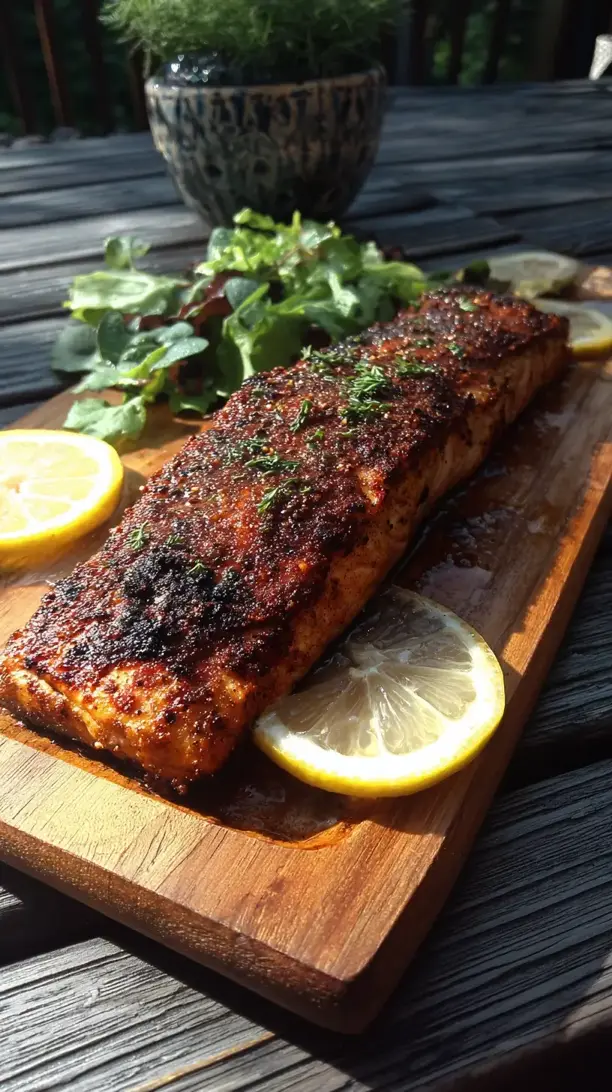
Cajun Blackened Salmon
Learn how to make perfect Cajun Blackened Salmon with a smoky spice crust and tender interior in just 15 minutes. Get this easy, flavorful recipe now!
Ingredients
For the Cajun Blackened Salmon
-
4 salmon fillets (6-ounce, skin-on or skinless)
-
2 tablespoons smoked paprika
-
1 tablespoon garlic powder
-
1 tablespoon onion powder
-
2 teaspoons dried oregano
-
2 teaspoons dried thyme
-
1 teaspoon cayenne pepper (adjust to your heat preference)
-
1 teaspoon fine sea salt
-
1/2 teaspoon freshly ground black pepper
-
2 tablespoons avocado oil or another high-smoke-point oil
-
2 tablespoons unsalted butter
-
1 lemon (cut into wedges for serving)
Instructions
-
First, you’ll want to prepare your salmon. Take the fillets out of the fridge and use paper towels to pat them completely dry on all sides. This is the secret to a good sear—no steam! Let them sit at room temperature for about 10 minutes while you make the spice blend. This helps them cook more evenly.01
-
In a small bowl, whisk together all of your dried spices: the smoked paprika, garlic powder, onion powder, oregano, thyme, cayenne, salt, and black pepper. You’ll notice the color is a deep, brick red and the aroma is already incredible. Give it a taste on your finger—this is your chance to adjust the salt or heat level.02
-
Now, generously coat the salmon. Drizzle the fillets with about one tablespoon of the oil and rub it all over. Then, press the Cajun seasoning mixture onto every surface of the salmon, creating a thick, even crust. Don’t forget the sides! The fillets should be well-coated and look almost like they’re wearing a rust-colored jacket.03
-
Time to heat the pan. Place your heavy skillet (cast iron is perfect) over medium-high to high heat and let it get seriously hot for a good 3-4 minutes. You should see wisps of smoke starting to rise from the surface. Add the remaining tablespoon of oil and swirl it to coat the pan.04
-
Carefully place the seasoned salmon fillets in the hot skillet. You should hear an immediate, aggressive sizzle—that’s what you want! Do not move them. Let them cook undisturbed for 3-4 minutes to form that beautiful, blackened crust. The spices will toast and become incredibly fragrant.05
-
After 3-4 minutes, the bottom should be dark and crusty. Gently flip the fillets using a sturdy spatula. If they stick a little, just give them another 30 seconds—they’ll release when they’re ready. Add the butter to the pan now. It will melt and foam around the salmon, adding a rich, nutty flavor.06
-
Cook for another 2-4 minutes on the second side, depending on the thickness of your fillets. For medium, you’re aiming for an internal temperature of 125°F (52°C). The salmon should feel firm but still have a little give when pressed. You can also baste the fillets with the melted butter in the pan for extra flavor.07
-
Remove the salmon from the skillet and transfer it to a clean plate or cutting board. Let it rest for a couple of minutes—this allows the juices to redistribute. Squeeze fresh lemon juice over the top right before serving. The acid from the lemon really makes the flavors pop.08