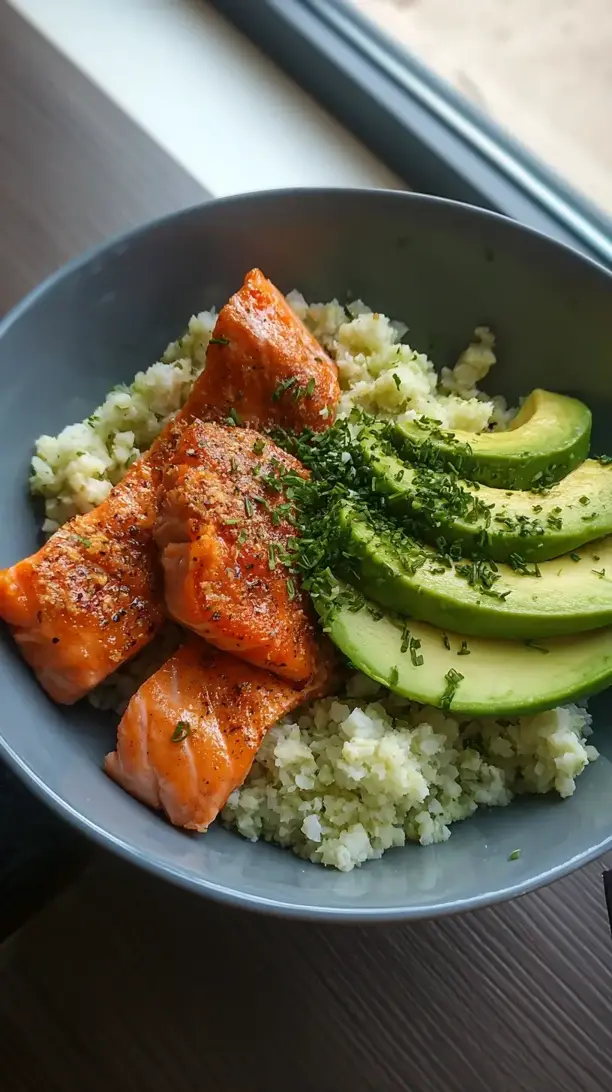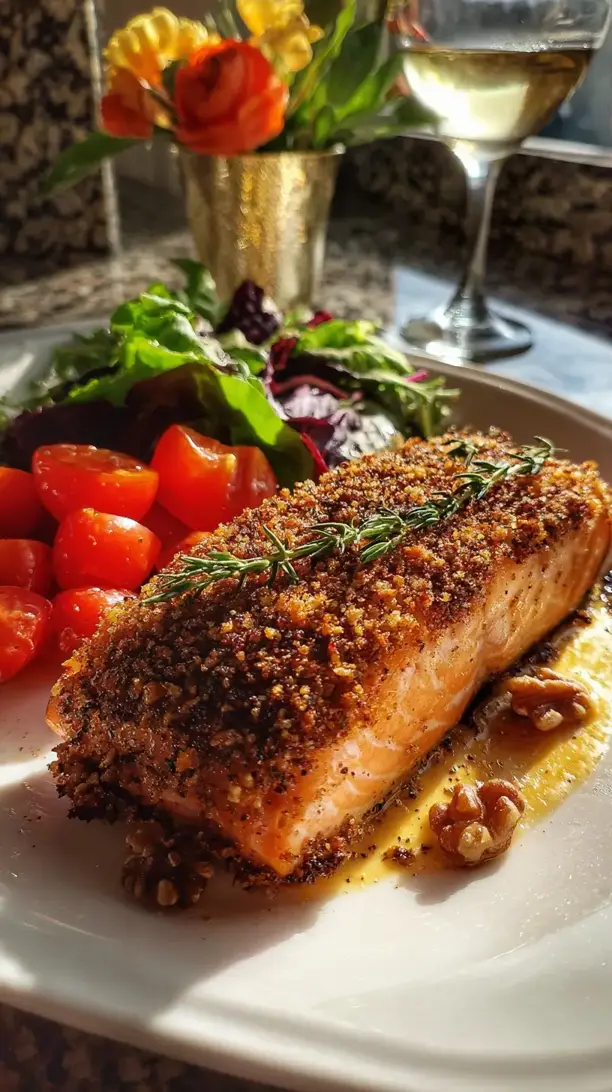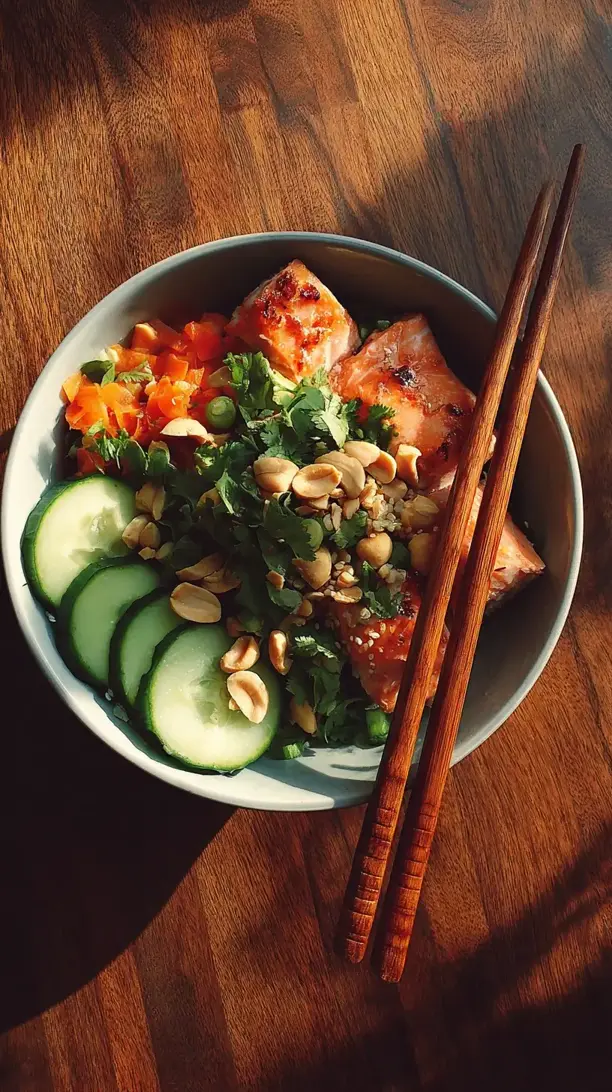

Blackened salmon delivers a crispy, spice-crusted exterior and tender, flaky interior. It’s surprisingly simple to make with a hot pan and the right seasoning. This quick, impressive dish is perfect for weeknights or entertaining.
Why You’ll Love This Blackened Salmon
- Quick & Simple: Ready in about 20 minutes with minimal hands-on effort.
- Complex Flavor: A balanced spice blend delivers smoky, savory depth without overwhelming heat.
- Master Technique: Learn a pro searing method you can use on other proteins.
- Healthy & Satisfying: High in protein and healthy fats with very little added oil.
Ingredients & Tools
- 4 (150-170 g each) skinless salmon fillets, about 2.5 cm thick
- 2 tbsp smoked paprika
- 1 tbsp garlic powder
- 1 tsp onion powder
- 1 tsp dried oregano
- 1 tsp dried thyme
- ½ – 1 tsp cayenne pepper (adjust to your heat preference)
- 1 tsp fine sea salt
- ½ tsp freshly ground black pepper
- 2 tbsp avocado oil or another high-smoke-point oil
- 1 tbsp unsalted butter (optional, for basting)
- 1 lemon, cut into wedges for serving
- 2 tbsp fresh chopped parsley or chives for garnish
Tools: A large, heavy-bottomed skillet (cast iron is ideal), small bowl, paper towels, fish spatula.
Notes: Don’t skip the smoked paprika—it’s essential for smokiness. Use thick-cut fillets so they don’t overcook before the crust forms.
Nutrition (per serving)
| Calories: | 320 kcal |
| Protein: | 35 g |
| Fat: | 18 g |
| Carbs: | 4 g |
| Fiber: | 2 g |
Serves: 4 | Prep Time: 10 minutes | Cook Time: 10 minutes | Total Time: 20 minutes
Before You Start: Tips & Ingredient Notes
- Why a cast-iron skillet? It retains and distributes heat incredibly evenly, which is non-negotiable for getting a consistent, dark crust without burning. If you don’t have one, use the heaviest stainless steel pan you own and let it preheat for a solid 5-7 minutes.
- Is skin-on or skinless salmon better? For true blackening, I strongly prefer skinless. The spice rub needs direct contact with the hot pan to activate and create that signature crust. A skin barrier can steam the fish and prevent proper searing.
- Pat your salmon DRY. This might be the single most important step. Any surface moisture will create steam, which prevents browning and can make the spices clumpy rather than forming a crisp, adhered crust. Be thorough with those paper towels.
- Don’t be shy with the seasoning. You want a generous, even layer coating the entire surface of the fish. This isn’t a subtle sprinkle; it’s a flavorful armor that will transform during cooking. A little goes a long way in terms of flavor, but you need enough to form a complete layer.
How to Make Blackened Salmon
Step 1: Prepare the Salmon and Spice Mix. First, take your salmon fillets and pat them completely dry on all sides with paper towels. This is crucial for that perfect sear. In a small bowl, whisk together the smoked paprika, garlic powder, onion powder, oregano, thyme, cayenne, salt, and black pepper until well combined. The aroma at this stage is already incredible—smoky, herby, and a little spicy.
Step 2: Coat the Salmon Generously. Drizzle about one tablespoon of the oil over the salmon fillets and rub it to coat all sides. Then, liberally sprinkle the spice mix over every surface of the fish, pressing gently to help it adhere. You want a nice, even, rust-colored coating on all sides. Let the coated fillets sit for 5 minutes while you heat the pan—this allows the spices to hydrate slightly and stick better.
Step 3: Get Your Pan Screaming Hot. Place your heavy skillet (cast iron is best) over medium-high heat and let it preheat for a good 4-5 minutes. You want it seriously hot. To test, flick a tiny drop of water into the pan; it should sizzle and evaporate almost instantly. Add the remaining tablespoon of oil and swirl to coat the bottom.
Step 4: Cook the First Side. Carefully place the seasoned salmon fillets in the hot pan. You should hear an immediate, aggressive sizzle—that’s what you want! Do not touch them. Let them cook undisturbed for 3-4 minutes. You’ll notice the edges of the spice crust darkening to a deep, blackened brown and the salmon will become opaque about one-third of the way up the sides.
Step 5: Flip and Finish Cooking. Using a thin, flexible fish spatula, gently flip each fillet. If you’re using the butter, you can add it to the pan now, letting it melt and foam around the salmon. For the final side, cook for another 2-4 minutes, depending on thickness. The salmon is done when it feels firm to the touch and flakes easily with a fork. For medium, aim for an internal temperature of 125°F (52°C); for well-done, 145°F (63°C).
Step 6: Rest and Serve. Immediately transfer the blackened salmon to a clean plate or serving platter. Let it rest for 2-3 minutes. This allows the juices to redistribute throughout the fillet, ensuring every single bite is moist. Squeeze fresh lemon juice over the top and garnish with chopped parsley or chives right before serving to add a bright, fresh finish.
Storage & Freshness Guide
- Fridge: Store leftovers in an airtight container for up to 2 days.
- Freezer: Not recommended; the crust will become soggy upon thawing.
- Reviving: Reheat gently in a 275°F (135°C) oven for 10–15 minutes to preserve texture.
Serving Suggestions
Complementary Dishes
- Creamy Cilantro Lime Rice — The cool, creamy rice is a fantastic textural and temperature contrast to the hot, spicy salmon, and the citrus notes cut through the richness beautifully.
- A Simple Arugula Salad with a Lemon Vinaigrette — The peppery arugula and sharp, acidic dressing provide a refreshing, palate-cleansing counterpoint that lightens the whole meal.
- Grilled Asparagus or Zucchini — Their slight char and earthy sweetness complement the smoky notes in the blackening spice, making for a wonderfully cohesive plate.
Drinks
- A Crisp, Unoaked Chardonnay or Sauvignon Blanc — The bright acidity and citrus flavors in these wines work to balance the spice and richness of the fish without overpowering it.
- A Citrusy IPA — The hoppy, bitter notes and grapefruit or pine undertones in a good IPA can stand up to the bold spices and cleanse the palate between bites.
- Sparkling Water with Lemon — Sometimes the best pairing is the simplest. The bubbles and citrus are incredibly effective at resetting your taste buds, making each bite of salmon taste as vibrant as the first.
Something Sweet
- Lemon Sorbet — It’s light, intensely citrusy, and incredibly refreshing after a savory, spiced meal. It feels like a clean, bright finish that doesn’t weigh you down.
- Mango Slices with a Chili-Lime Sprinkle — This playful dessert continues the theme of sweet and spicy, with the lush mango providing sweetness that plays nicely with the lingering heat from the salmon.
- A Simple Shortbread Cookie — The buttery, mild flavor of shortbread is a gentle, comforting way to end the meal, offering a neutral and sweet counterpoint to the preceding bold flavors.
Top Mistakes to Avoid
- Mistake: Using a pan that’s not hot enough. This is the most common error. If the pan isn’t properly preheated, the salmon will steam and stew in its own juices instead of searing, resulting in a pale, rubbery fillet without the characteristic blackened crust.
- Mistake: Moving the salmon around in the pan. I’ve messed this up before too… patience is key! Once the salmon hits the pan, let it be. Disturbing it will tear the delicate crust that’s forming and prevent even cooking and browning.
- Mistake: Overcrowding the pan. If you put too many fillets in at once, the pan temperature will drop dramatically. Cook in batches if necessary to ensure each piece has enough space for proper searing and there’s room for steam to escape.
- Mistake: Skipping the rest time. It might be tempting to dig right in, but cutting into the salmon immediately will cause all those precious juices to run out onto the plate, leaving the fish drier than it should be. A short rest makes all the difference.
Expert Tips
- Tip: Make a big batch of the spice mix. Double or triple the dry spice ingredients and store them in a small jar. You’ll have an instant flavor bomb ready for salmon, chicken, shrimp, or even roasted vegetables any night of the week. It saves so much time.
- Tip: Use the “press test” for doneness. Instead of constantly cutting into the fish, press the top gently with your finger. If it feels firm and springs back slightly, it’s done. If it feels soft and mushy, it needs more time. This preserves the beautiful crust.
- Tip: Add a splash of acid at the end. A squeeze of fresh lemon juice right before serving isn’t just for garnish. The acidity brightens all the flavors, cuts through the fat of the salmon, and makes the entire dish taste more vibrant and balanced.
- Tip: For extra flavor, toast your spices. For a next-level depth of flavor, you can gently toast the dry spices in a dry pan for 1-2 minutes until fragrant before mixing them. Let them cool completely before rubbing them on the salmon.
FAQs
Can I make this blackened salmon in the oven instead?
You can, but it won’t have the same intense crust as the stovetop method. For an oven method, sear the seasoned salmon in a hot oven-safe skillet for 2 minutes per side, then transfer the entire skillet to a 400°F (200°C) oven to finish cooking for 5-8 minutes. It will be delicious and cooked through, but the “blackened” effect is best achieved with direct, consistent stovetop heat.
My spice rub is burning and smoking a lot. Is that normal?
Yes, to an extent! A certain amount of smoke is completely normal and expected when blackening—it’s part of the process. However, if it’s acrid and overwhelming, your heat might be a touch too high. Ensure your kitchen is well-ventilated by turning on the hood fan and opening a window. The spices will darken significantly, which is the goal, but they shouldn’t taste charred and bitter.
How can I adjust the heat level?
The cayenne pepper is your heat control. For a very mild version, use just ¼ teaspoon or omit it entirely. For medium heat, stick with ½ teaspoon. If you love spice, go for the full teaspoon or even add a pinch of red pepper flakes to the mix. Remember, you can always add more heat, but you can’t take it away!
What’s the best way to store and reheat leftovers?
Store any leftover salmon in an airtight container in the refrigerator for up to 2 days. To reheat, avoid the microwave, as it will make the crust soggy. Instead, gently warm it in a 275°F (135°C) oven for 10-15 minutes, or until just heated through. You can also flake it cold over a salad—it’s fantastic!
Can I use this same blackening spice on other proteins?
Absolutely! This spice blend is incredibly versatile. It works wonderfully on chicken breasts, thighs, firm white fish like cod or halibut, and even large shrimp or scallops. Just adjust the cooking time based on the protein’s thickness. It’s a true flavor workhorse in my kitchen.
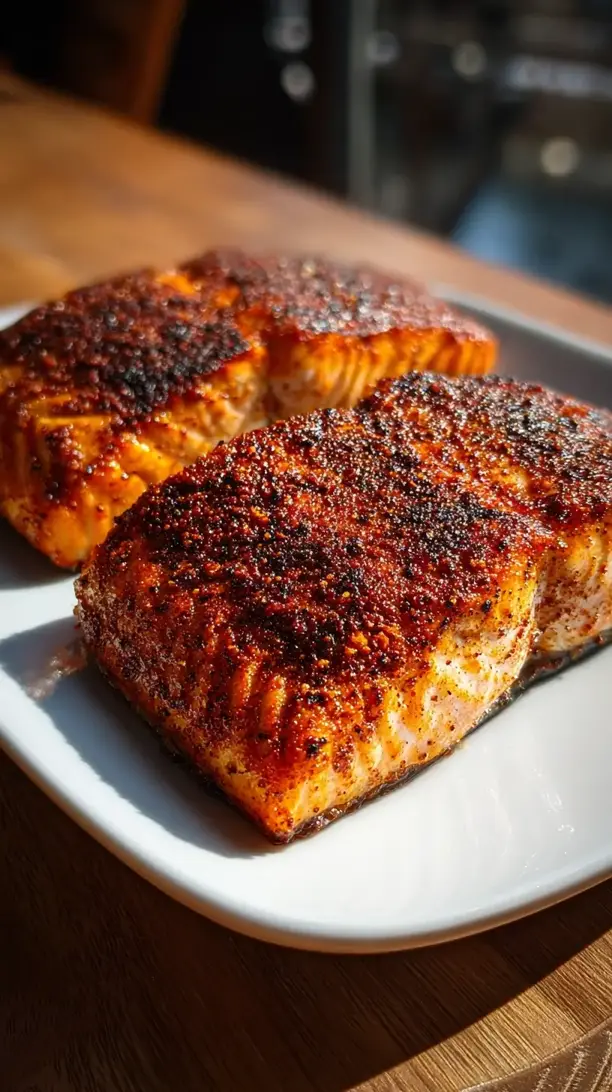
Blackened Salmon
Learn how to make perfect Blackened Salmon with a crispy crust and tender interior in just 20 minutes. This easy, healthy recipe is a weeknight game-changer. Get the recipe!
Ingredients
For the Ingredients
-
4 skinless salmon fillets (150-170 g each, about 2.5 cm thick)
-
2 tbsp smoked paprika
-
1 tbsp garlic powder
-
1 tsp onion powder
-
1 tsp dried oregano
-
1 tsp dried thyme
-
0.5 - 1 tsp cayenne pepper (adjust to your heat preference)
-
1 tsp fine sea salt
-
0.5 tsp freshly ground black pepper
-
2 tbsp avocado oil or another high-smoke-point oil
-
1 tbsp unsalted butter (optional, for basting)
-
1 lemon (cut into wedges for serving)
-
2 tbsp fresh chopped parsley or chives (for garnish)
Instructions
-
First, take your salmon fillets and pat them completely dry on all sides with paper towels. This is crucial for that perfect sear. In a small bowl, whisk together the smoked paprika, garlic powder, onion powder, oregano, thyme, cayenne, salt, and black pepper until well combined. The aroma at this stage is already incredible—smoky, herby, and a little spicy.01
-
Drizzle about one tablespoon of the oil over the salmon fillets and rub it to coat all sides. Then, liberally sprinkle the spice mix over every surface of the fish, pressing gently to help it adhere. You want a nice, even, rust-colored coating on all sides. Let the coated fillets sit for 5 minutes while you heat the pan—this allows the spices to hydrate slightly and stick better.02
-
Place your heavy skillet (cast iron is best) over medium-high heat and let it preheat for a good 4-5 minutes. You want it seriously hot. To test, flick a tiny drop of water into the pan; it should sizzle and evaporate almost instantly. Add the remaining tablespoon of oil and swirl to coat the bottom.03
-
Carefully place the seasoned salmon fillets in the hot pan. You should hear an immediate, aggressive sizzle—that’s what you want! Do not touch them. Let them cook undisturbed for 3-4 minutes. You’ll notice the edges of the spice crust darkening to a deep, blackened brown and the salmon will become opaque about one-third of the way up the sides.04
-
Using a thin, flexible fish spatula, gently flip each fillet. If you’re using the butter, you can add it to the pan now, letting it melt and foam around the salmon. For the final side, cook for another 2-4 minutes, depending on thickness. The salmon is done when it feels firm to the touch and flakes easily with a fork. For medium, aim for an internal temperature of 125°F (52°C); for well-done, 145°F (63°C).05
-
Immediately transfer the blackened salmon to a clean plate or serving platter. Let it rest for 2-3 minutes. This allows the juices to redistribute throughout the fillet, ensuring every single bite is moist. Squeeze fresh lemon juice over the top and garnish with chopped parsley or chives right before serving to add a bright, fresh finish.06