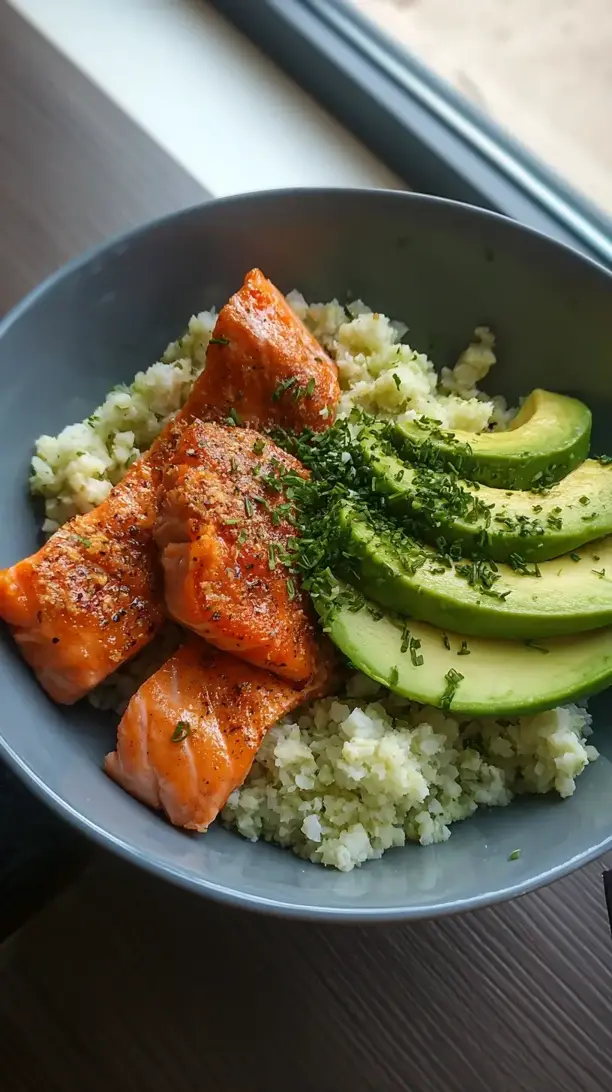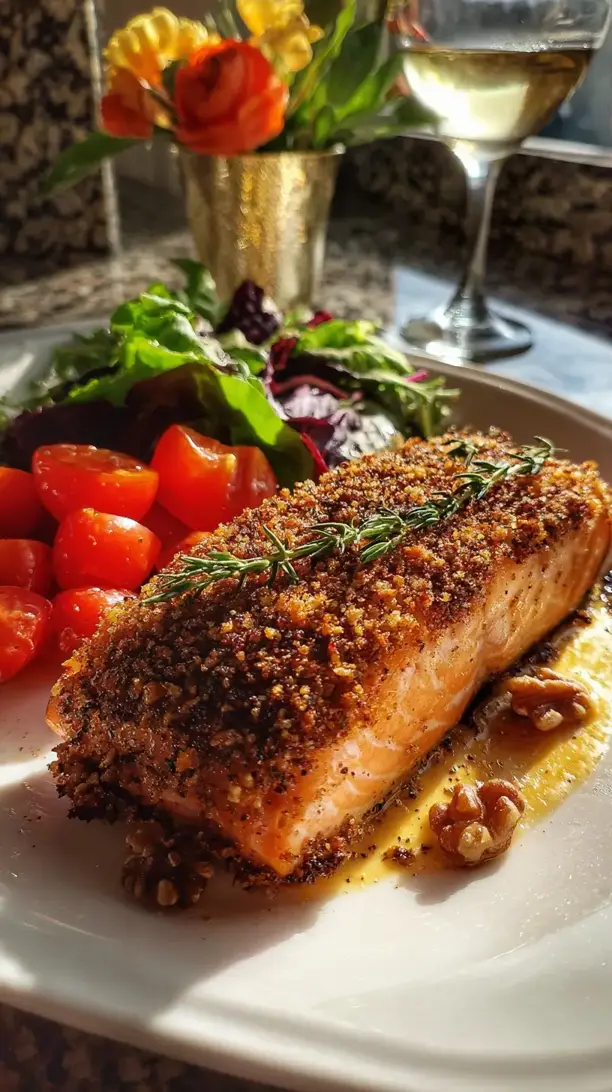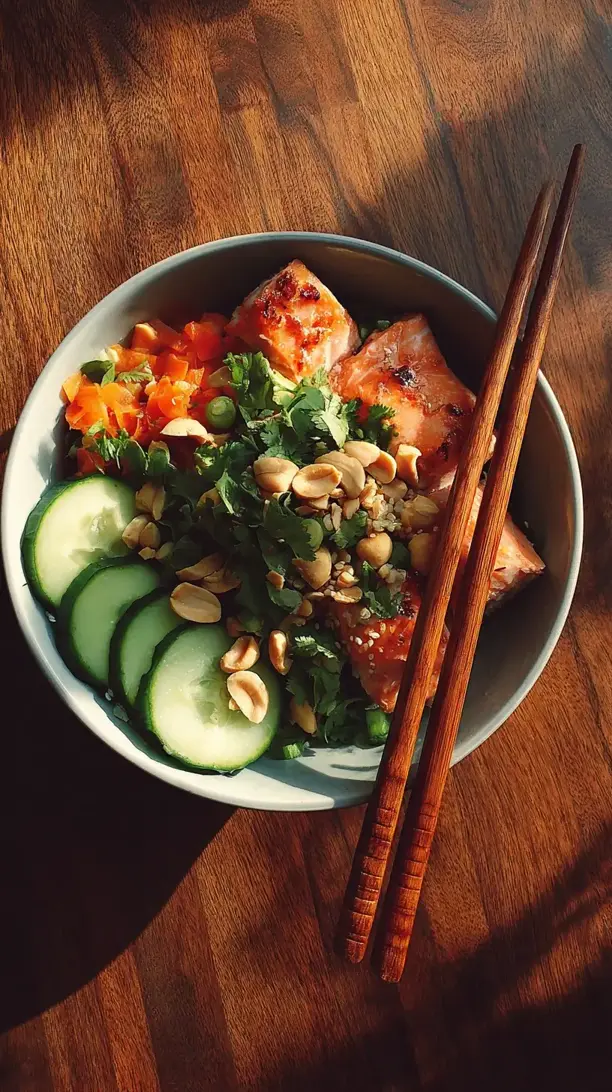

Perfectly cooked salmon is flaky, moist, and full of flavor, but finding delicious AIP-compliant recipes can be a challenge. This AIP Salmon Recipe uses fresh herbs, healthy fats, and simple roasting for a nourishing, satisfying meal. The crisp-skinned salmon with a vibrant herb sauce makes this dish a celebration of clean, wholesome ingredients.
Why You’ll Love This AIP Salmon Recipe
- Big flavor, AIP-safe: Fresh herbs, citrus, and garlic-infused oil create a vibrant sauce without nightshades or seeds.
- Perfect texture: High-heat roasting delivers crisp skin and a flaky, moist interior.
- One-pan meal: Roast compliant vegetables alongside for easy prep and cleanup.
- Anti-inflammatory power: Omega-3 rich salmon and healing herbs support your AIP journey.
Ingredients & Tools
- 4 (150 g each) skin-on salmon fillets
- 3 tbsp extra virgin olive oil, divided
- 1 tsp sea salt
- 1 cup fresh parsley, packed
- 1/2 cup fresh basil, packed
- 1/4 cup fresh mint leaves
- 2 tbsp fresh lemon juice
- 1 tsp lemon zest
- 2 tbsp garlic-infused olive oil
- 1/4 cup extra virgin olive oil (for the sauce)
Tools: A rimmed baking sheet, parchment paper, a food processor or high-speed blender, a microplane or zester, and a small bowl.
Notes: Use the freshest herbs you can find. Garlic-infused oil provides savory flavor without raw garlic, a key AIP hack.
Nutrition (per serving)
| Calories: | 415 kcal |
| Protein: | 35 g |
| Fat: | 30 g |
| Carbs: | 2 g |
| Fiber: | 1 g |
Serves: 4 | Prep Time: 15 minutes | Cook Time: 12 minutes | Total Time: 27 minutes
Before You Start: Tips & Ingredient Notes
- Why skin-on salmon? The skin acts as a protective barrier during roasting, keeping the delicate flesh incredibly moist. It also gets wonderfully crisp and is a great source of additional healthy fats and collagen, which is fantastic for gut healing.
- Can I use dried herbs instead? Honestly, I wouldn’t recommend it for the sauce. Fresh herbs are essential for that vibrant, bright green color and lively flavor. Dried herbs just won’t provide the same fresh punch and can make the sauce taste a bit dusty.
- What if I don’t have garlic-infused oil? You can easily make your own by gently heating 1/4 cup of olive oil with a few smashed garlic cloves for about 10-15 minutes over low heat, then straining them out. Just be sure to let the oil cool completely before using it in the sauce.
- Is the lemon juice absolutely necessary? The acidity is key for balancing the rich fat of the salmon and the oil in the sauce. It cuts through and brightens everything up. If you are sensitive to citrus, you could try a very small amount of apple cider vinegar, but the flavor profile will change.
How to Make AIP Salmon Recipe
Step 1: First, preheat your oven to 400°F (200°C). This high heat is our secret weapon for getting that crisp skin without overcooking the interior. While the oven is heating up, line your baking sheet with parchment paper—this isn’t just for easy cleanup; it also prevents the salmon from sticking and helps it cook more evenly. Pat the salmon fillets completely dry with a paper towel. This is a crucial step! Any excess moisture on the skin will steam instead of crisp up, and we want that beautiful, crackly texture.
Step 2: Now, let’s prepare the salmon for roasting. Place the dried fillets skin-side down on the prepared baking sheet. Drizzle them with about one tablespoon of the regular olive oil and rub it gently over the top and sides of the flesh. Then, sprinkle the sea salt evenly over all four fillets. You’ll notice that the salt will start to draw out a little moisture almost immediately, which will help form a lovely seasoned crust as it roasts.
Step 3: It’s time to make that vibrant green sauce. In your food processor or blender, combine the fresh parsley, basil, mint, lemon juice, lemon zest, and garlic-infused olive oil. Pulse it a few times to start breaking down the herbs. Then, with the motor running, slowly stream in the remaining 1/4 cup of regular olive oil. You’ll see the sauce emulsify and turn into a beautifully smooth, pale green paste. Taste it—it should be herbaceous, tangy, and deeply savory. If it’s too thick, you can add a teaspoon of water to thin it out slightly.
Step 4: Carefully place the baking sheet in the preheated oven. The trick is to roast the salmon for about 10-12 minutes. You’re looking for the flesh to be opaque and flake easily with a fork, but still be moist in the very center. The skin should be bubbly and crisp. A good visual cue is that the salmon will have released some of its white albumin protein—that’s totally normal and a sign it’s cooked!
Step 5: Once the salmon is perfectly roasted, remove it from the oven. Let it rest on the pan for just a minute—this allows the juices to redistribute throughout the fillets. To serve, place each fillet on a plate and generously spoon the bright green herb sauce over the top. The contrast of the warm, rich salmon with the cool, zesty sauce is honestly what makes this dish so special. Serve it immediately while the skin is still at its crispiest.
Storage & Freshness Guide
- Fridge: Store leftover salmon and sauce separately in airtight containers for up to 2 days.
- Freezer: Freeze cooked salmon (without sauce) in a single layer, then transfer to a freezer bag for up to 1 month.
- Reviving: Reheat salmon gently in a 300°F (150°C) oven until warm; sauce is best cold or at room temperature.
Serving Suggestions
Complementary Dishes
- Garlicky Mashed Parsnips — Their creamy, slightly sweet flavor is the perfect neutral base to soak up the delicious herb sauce from the salmon.
- Simple Roasted Asparagus — Tossed in a little avocado oil and salt, roasted asparagus adds a lovely green element and a satisfying crunch.
- Cauliflower “Rice” Pilaf — Sautéed with leeks and fresh herbs, this light pilaf makes the meal feel more complete without being heavy.
Drinks
- Sparkling Water with Cucumber & Mint — The ultimate refreshing, non-alcoholic pairing that cleanses the palate between bites of the rich salmon.
- Herbal Iced Tea — A chilled peppermint or rooibos tea complements the herbal notes in the sauce without any added sugars or caffeine.
- Ginger Turmeric Tisane — A warm, anti-inflammatory brew that echoes the healing intentions of the AIP diet beautifully.
Something Sweet
- Baked Cinnamon Apples — Soft, warm apples with a dash of cinnamon offer a simple, comforting, and completely AIP-friendly dessert.
- Coconut Milk Panna Cotta — A silky, cool, and rich treat made with gelatin and coconut milk that feels incredibly indulgent.
- Fresh Berry Compote — Gently warmed berries, perhaps with a hint of orange zest, provide a tart and sweet finish that’s light and refreshing.
Top Mistakes to Avoid
- Mistake: Not drying the salmon skin thoroughly. Any lingering moisture will create steam, which is the enemy of crispiness. You’ll end up with rubbery, soft skin instead of that delightful crackle.
- Mistake: Overcooking the salmon. Salmon continues to cook from residual heat after it leaves the oven (carryover cooking). If you wait until it looks completely done in the oven, it will be overdone and dry on your plate. Pull it out when it’s still slightly translucent in the very center.
- Mistake: Blending the sauce for too long. If you over-process the herb sauce, the friction from the blades can heat it up and turn it brown, and it can also become bitter. Pulse and blend just until it’s smooth and emulsified.
- Mistake: Skipping the rest time. Letting the salmon sit for a minute or two after roasting allows the muscle fibers to relax and reabsorb the juices. If you cut into it immediately, all those precious, flavorful juices will run out onto the plate.
Expert Tips
- Tip: For an extra-crispy skin, you can start the salmon skin-side down in a hot oven-safe skillet on the stovetop for 2-3 minutes before transferring the entire skillet to the oven to finish cooking. This method gives you a restaurant-quality sear.
- Tip: Make a double batch of the herb sauce! It keeps well in the fridge for up to 4 days. You can use the leftovers as a dressing for an AIP salad, a dip for roasted vegetables, or a topping for grilled chicken.
- Tip: If your food processor is on the larger side and the sauce ingredients aren’t blending properly, don’t be afraid to stop and scrape down the sides a few times. This ensures everything gets incorporated evenly for a perfectly smooth texture.
- Tip: To check for doneness without a thermometer, use the tip of a small knife to peek at the thickest part of a fillet. The flesh should be opaque and flake apart easily, but you should still see a little bit of darker, translucent flesh in the very center—it will finish cooking on the plate.
FAQs
Can I make this AIP salmon recipe with frozen salmon?
Absolutely, you can! The key is to thaw it properly. The best method is to transfer it from the freezer to the refrigerator and let it thaw slowly overnight. Never thaw salmon at room temperature or in warm water, as this can create a texture that’s mushy and can compromise food safety. Once it’s fully thawed, be sure to pat it very dry with paper towels, as frozen fish often releases more liquid than fresh.
How should I store and reheat leftovers?
Store any leftover salmon and sauce in separate airtight containers in the refrigerator for up to 2 days. To reheat, I strongly recommend gently warming the salmon in a 300°F (150°C) oven for about 10 minutes, or until just warmed through. Avoid the microwave, as it will make the salmon rubbery and overcooked. The sauce is best served cold or at room temperature, so just spoon it over the reheated salmon.
What can I use if I don’t have a food processor or blender?
No problem! You can make a chunkier, salsa-style version of the sauce. Just finely mince all the herbs with a sharp knife, then mix them in a bowl with the lemon juice, zest, and oils. It will have a different texture, but the flavors will still be fantastic. It’s a great arm workout, too!
Is the salmon skin actually good to eat on AIP?
Yes, it is not only good to eat, it’s encouraged! Salmon skin is an excellent source of healthy fats and collagen, which are both highly beneficial for gut healing and reducing inflammation—core goals of the AIP diet. Just make sure it’s from a high-quality source. And when it’s cooked until crisp, it’s absolutely delicious.
Can I use another type of fish for this recipe?
You sure can! This method works beautifully with other sturdy, oily fish like arctic char or mackerel. For a leaner white fish like cod or halibut, I’d reduce the cooking time by a few minutes to prevent it from drying out. The herb sauce is so versatile it pairs wonderfully with almost any seafood you choose.
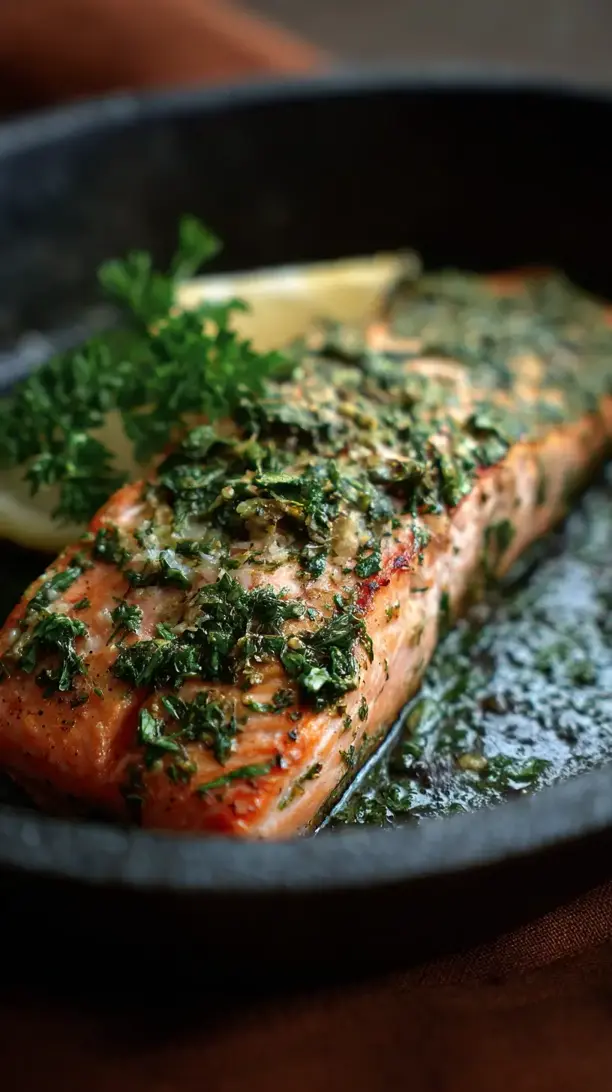
Aip Salmon Recipe
Make this easy AIP Salmon Recipe for a delicious, anti-inflammatory meal. Features crisp skin, a vibrant herb sauce, and is ready in under 30 minutes. Get the recipe!
Ingredients
For the salmon and sauce
-
4 skin-on salmon fillets (150 g each)
-
3 tbsp extra virgin olive oil (divided)
-
1 tsp sea salt
-
1 cup fresh parsley (packed)
-
1/2 cup fresh basil (packed)
-
1/4 cup fresh mint leaves
-
2 tbsp fresh lemon juice
-
1 tsp lemon zest
-
2 tbsp garlic-infused olive oil
-
1/4 cup extra virgin olive oil (for the sauce)
Instructions
-
First, preheat your oven to 400°F (200°C). This high heat is our secret weapon for getting that crisp skin without overcooking the interior. While the oven is heating up, line your baking sheet with parchment paper—this isn't just for easy cleanup; it also prevents the salmon from sticking and helps it cook more evenly. Pat the salmon fillets completely dry with a paper towel. This is a crucial step! Any excess moisture on the skin will steam instead of crisp up, and we want that beautiful, crackly texture.01
-
Now, let’s prepare the salmon for roasting. Place the dried fillets skin-side down on the prepared baking sheet. Drizzle them with about one tablespoon of the regular olive oil and rub it gently over the top and sides of the flesh. Then, sprinkle the sea salt evenly over all four fillets. You’ll notice that the salt will start to draw out a little moisture almost immediately, which will help form a lovely seasoned crust as it roasts.02
-
It’s time to make that vibrant green sauce. In your food processor or blender, combine the fresh parsley, basil, mint, lemon juice, lemon zest, and garlic-infused olive oil. Pulse it a few times to start breaking down the herbs. Then, with the motor running, slowly stream in the remaining 1/4 cup of regular olive oil. You’ll see the sauce emulsify and turn into a beautifully smooth, pale green paste. Taste it—it should be herbaceous, tangy, and deeply savory. If it’s too thick, you can add a teaspoon of water to thin it out slightly.03
-
Carefully place the baking sheet in the preheated oven. The trick is to roast the salmon for about 10-12 minutes. You’re looking for the flesh to be opaque and flake easily with a fork, but still be moist in the very center. The skin should be bubbly and crisp. A good visual cue is that the salmon will have released some of its white albumin protein—that’s totally normal and a sign it’s cooked!04
-
Once the salmon is perfectly roasted, remove it from the oven. Let it rest on the pan for just a minute—this allows the juices to redistribute throughout the fillets. To serve, place each fillet on a plate and generously spoon the bright green herb sauce over the top. The contrast of the warm, rich salmon with the cool, zesty sauce is honestly what makes this dish so special. Serve it immediately while the skin is still at its crispiest.05