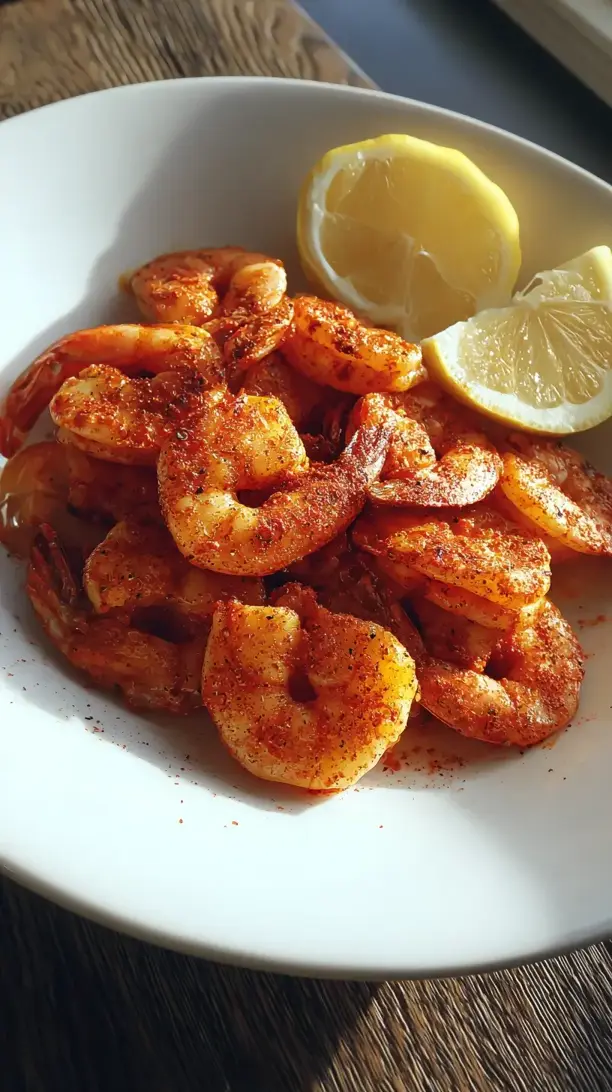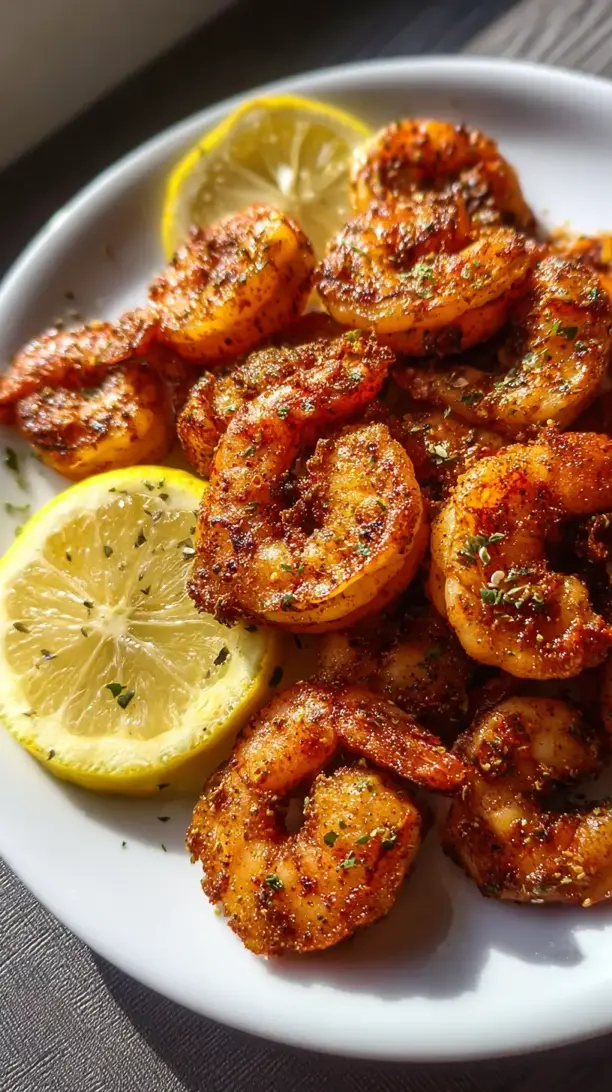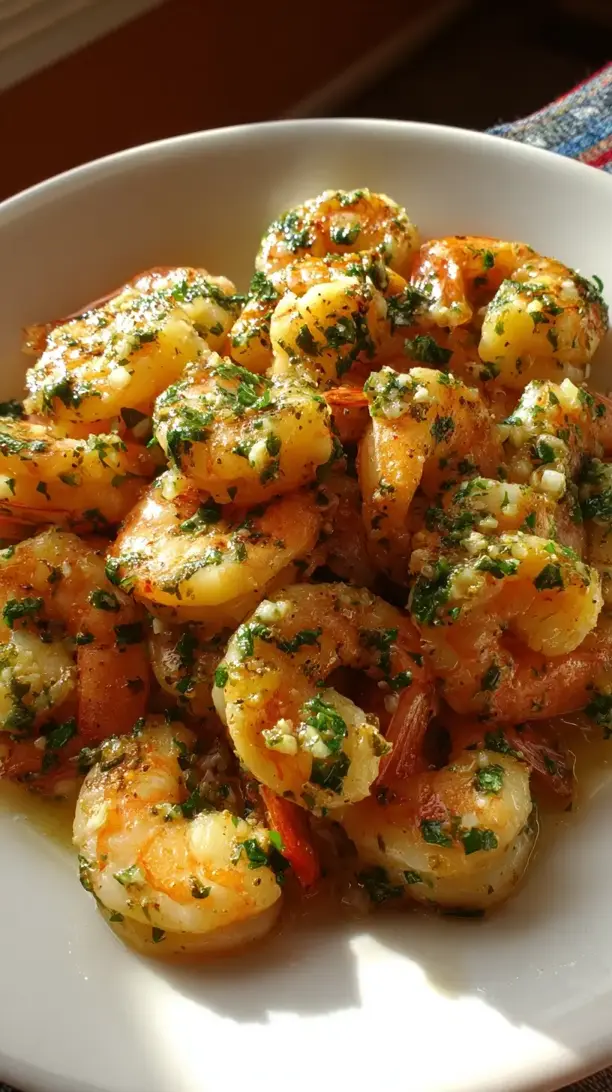

This Yellow Curry Shrimp delivers vibrant, aromatic flavor in under 30 minutes. The star is yellow curry paste, which gives the dish its sunny color and warm depth. Tender shrimp cook quickly in a creamy coconut sauce for a satisfying weeknight meal.
Why You’ll Love This Yellow Curry Shrimp
- Fast & Forgiving: Ready in 30 minutes with simple visual cues.
- Complex Flavor, Simple Process: Toasting curry paste unlocks deep aroma.
- Wonderfully Versatile: Swap shrimp for chicken, tofu, or extra veggies.
- Feels Like a Treat: Restaurant-quality creaminess and color.
Ingredients & Tools
- 1 lb (450 g) large raw shrimp, peeled and deveined
- 3 tbsp yellow curry paste
- 1 (14 oz/400 ml) can full-fat coconut milk
- 1 medium yellow onion, thinly sliced
- 1 red bell pepper, sliced into strips
- 3 cloves garlic, minced
- 1 tbsp fresh ginger, grated
- 1 tbsp fish sauce
- 1 tbsp coconut sugar or brown sugar
- 1 tbsp vegetable or coconut oil
- 1 cup bamboo shoots, drained (optional)
- 1/2 cup fresh Thai basil or cilantro, for garnish
- 1 lime, cut into wedges
Notes: Use full-fat coconut milk for a creamy, rich texture. Fish sauce adds savory depth.
Tools: A large skillet or wok, a wooden spoon or spatula, a microplane or fine grater for the ginger.
Nutrition (per serving)
| Calories: | 320 kcal |
| Protein: | 25 g |
| Fat: | 18 g |
| Carbs: | 15 g |
| Fiber: | 3 g |
Serves: 4 | Prep Time: 15 mins | Cook Time: 15 mins | Total Time: 30 mins
Before You Start: Tips & Ingredient Notes
- Your curry paste is the flavor foundation. Not all yellow curry pastes are created equal! Brands can vary widely in saltiness and heat. I recommend starting with a known Thai brand like Mae Ploy or Maesri for the most authentic flavor. Taste a tiny bit first to gauge its potency.
- Don’t skip the step of toasting the paste. This is the single most important step for unlocking the curry’s full aroma and flavor. You’re essentially frying the spices in oil, which removes any raw, gritty taste and makes the entire sauce taste richer and more complex.
- Pat your shrimp completely dry. This is a small but crucial detail for getting a good sear and preventing the shrimp from steaming in their own moisture. Dry shrimp will have a better texture and will also help keep the sauce from becoming watery.
- Have all your ingredients prepped and within arm’s reach. Because the cooking process is so fast, you won’t have time to chop the garlic or grate the ginger once you’ve started. A little “mise en place” makes the entire process smooth and enjoyable.
How to Make Yellow Curry Shrimp
Step 1: Start by preparing your shrimp. If they’re frozen, make sure they’re fully thawed. Pat them dry thoroughly with paper towels and season lightly with a pinch of salt. This is also the time to prep all your vegetables—thinly slice the onion and bell pepper, mince the garlic, and grate the ginger. Having everything ready will make the cooking process feel like a breeze.
Step 2: Heat the oil in your large skillet or wok over medium heat. Add the sliced onion and cook for about 4-5 minutes, until it starts to soften and become translucent. You’re not looking for color here, just tenderness. Then, add the red bell pepper and cook for another 2 minutes until it just begins to soften. This initial cooking helps to sweeten the vegetables and build a flavor base.
Step 3: Push the vegetables to one side of the pan. Add the yellow curry paste to the empty space. Now, here’s the magic—let the paste fry for 1-2 minutes, stirring it constantly. You’ll notice the color deepen and the most incredible, fragrant aroma will fill your kitchen. This toasting process is non-negotiable for a truly great curry.
Step 4: Add the minced garlic and grated ginger to the curry paste and stir everything together for just 30 seconds until fragrant. Be careful not to burn the garlic. Now, mix the paste with the vegetables so everything is well-coated and vibrant yellow.
Step 5: It’s time for the coconut milk. Shake the can well before opening. Pour in about half of the coconut milk and use your spoon to dissolve the curry paste completely into the liquid, creating a thick, concentrated base. Once it’s smooth, add the remaining coconut milk, along with the fish sauce and coconut sugar. Stir well to combine.
Step 6: Bring the sauce to a gentle simmer. Let it bubble away for about 5 minutes, stirring occasionally. You’ll see the sauce thicken slightly and the oil may start to glisten on the surface. This is a good sign—it means the flavors are melding perfectly. If you’re using bamboo shoots, add them now to heat through.
Step 7: Add the raw shrimp to the simmering sauce in a single layer. They will cook very quickly. Let them simmer for 2-3 minutes, then flip them over and cook for another 1-2 minutes, or just until they turn pink and opaque all the way through. The trick is to take them off the heat as soon as they curl into a loose “C” shape. Overcooked shrimp become rubbery, so watch them closely.
Step 8: Immediately remove the skillet from the heat. Taste the sauce and adjust the seasoning if needed—you might want a squeeze of lime juice for acidity or a pinch more sugar to balance the heat. Stir in most of your fresh herbs, saving a few for garnish. Serve your beautiful Yellow Curry Shrimp immediately over steamed jasmine rice, with lime wedges on the side.
Storage & Freshness Guide
- Fridge: Store in an airtight container for up to 2 days.
- Freezer: Not recommended; coconut sauce and shrimp texture may suffer.
- Reviving: Reheat gently on the stovetop, stirring to prevent separation.
Serving Suggestions
Complementary Dishes
- Jasmine Rice — Its delicate floral scent and slightly sticky texture are the perfect neutral canvas to soak up every last drop of the creamy curry sauce.
- Simple Cucumber Salad — Thinly sliced cucumbers with a quick dressing of rice vinegar, sugar, and chili flakes provide a crisp, refreshing contrast to the rich, warm curry.
- Steamed Bok Choy or Green Beans — A simple side of steamed greens adds a pop of color and a fresh, clean element that lightens the whole meal.
Drinks
- A Crisp Lager or Pale Ale — The beer’s carbonation and slight bitterness cut through the richness of the coconut milk beautifully, cleansing the palate between bites.
- Off-Dry Riesling — A wine with a touch of sweetness and bright acidity balances the spice and complements the aromatic lemongrass and ginger in the curry.
- Thai Iced Tea — For a non-alcoholic option, the sweet, creamy, and spiced flavors of this classic drink are a match made in heaven with yellow curry.
Something Sweet
- Mango with Sticky Rice — You can’t go wrong with this classic Thai dessert. The sweet, ripe mango and creamy coconut sticky rice are the ultimate finale after a savory curry.
- Coconut Ice Cream — A few scoops of rich, creamy coconut ice cream continue the tropical theme and provide a cool, soothing finish.
- Lychees Chilled in Their Syrup — These are incredibly refreshing and light, with a floral sweetness that feels elegant and simple to serve straight from the can.
Top Mistakes to Avoid
- Mistake: Adding the shrimp too early. If you add the shrimp before the sauce has had a chance to simmer and develop its flavors, they will overcook and become tough by the time the curry tastes right. Always let the sauce simmer first.
- Mistake: Using light coconut milk. Light coconut milk has a higher water content and will make your curry thin and watery instead of luxuriously creamy. The fat in full-fat coconut milk is essential for the correct texture and mouthfeel.
- Mistake: Not tasting and adjusting at the end. Curries need balance. Before serving, always taste it. Does it need more salt (add a dash more fish sauce)? More acidity (a squeeze of lime)? More sweetness? This final tweak makes all the difference.
- Mistake: Boiling the curry vigorously after adding the coconut milk. A gentle simmer is all you need. A rolling boil can sometimes cause the coconut milk to separate, making the sauce look greasy or curdled.
Expert Tips
- Tip: Bloom your own spices for next-level flavor. If you’re feeling adventurous, toast whole coriander seeds and cumin seeds in a dry pan until fragrant, then grind them and add a teaspoon to the curry paste when you fry it. The flavor will be incredibly vibrant and fresh.
- Tip: Create a double-layer flavor base with the shrimp. For an extra depth of flavor, quickly sear the shrimp in a separate, very hot pan for just 30-60 seconds per side to get a nice crust, then set them aside. Add them back to the finished curry sauce just to heat through. This adds a subtle smoky, caramelized note.
- Tip: Make it ahead for even better flavor. Curries often taste even better the next day. You can make the entire sauce (through Step 6) a day in advance. Let it cool, then refrigerate. When ready to serve, gently reheat the sauce and then cook the fresh shrimp in it. The flavors will have melded beautifully.
- Tip: Use the back of your spoon to test the sauce. Drag the back of a spoon through the sauce in the pan. If it leaves a clear path that doesn’t immediately fill in, your sauce is at the perfect consistency. If it’s too thin, let it reduce a bit longer.
FAQs
Can I use frozen shrimp?
Absolutely! Frozen shrimp are often more economical and just as good. The key is to thaw them properly. The best method is to place them in a sealed bag and submerge them in cold water for about 15-20 minutes. Avoid thawing at room temperature or in hot water, as this can affect the texture. And remember—pat them thoroughly dry with paper towels before cooking to ensure they sear instead of steam.
My curry is too spicy. How can I fix it?
Don’t worry, this is an easy fix! The simplest solution is to add more coconut milk to dilute the heat. You can also stir in a tablespoon or two of plain yogurt or a bit more coconut sugar. The fat and sweetness will help tame the spiciness. To prevent this next time, taste your curry paste before using it—some brands are much hotter than others.
Can I make this with chicken or tofu instead?
Of course! For chicken, use boneless, skinless thighs or breasts cut into bite-sized pieces. You’ll need to cook them for longer—about 8-10 minutes in the simmering sauce until cooked through. For firm or extra-firm tofu, press it to remove excess water, then pan-fry it until golden before adding it to the sauce at the very end just to heat through.
How long do leftovers last in the fridge?
Leftovers will keep well in an airtight container in the refrigerator for up to 2 days. Reheat gently on the stovetop over low heat, stirring occasionally. Be careful not to boil it vigorously, as this can overcook the shrimp and cause the coconut milk to separate. I don’t recommend freezing this dish, as the texture of the shrimp and the coconut sauce can become grainy upon thawing.
What’s the difference between yellow, red, and green curry paste?
The main differences are the chilies and additional herbs. Yellow curry paste uses yellow chilies and is heavy on turmeric, giving it a milder, slightly sweet, and earthy flavor. Red curry paste uses dried red chilies and is generally spicier. Green curry paste uses fresh green chilies and herbs like cilantro and basil, making it the hottest and most herbaceous of the three. They are not directly interchangeable without altering the dish’s character.
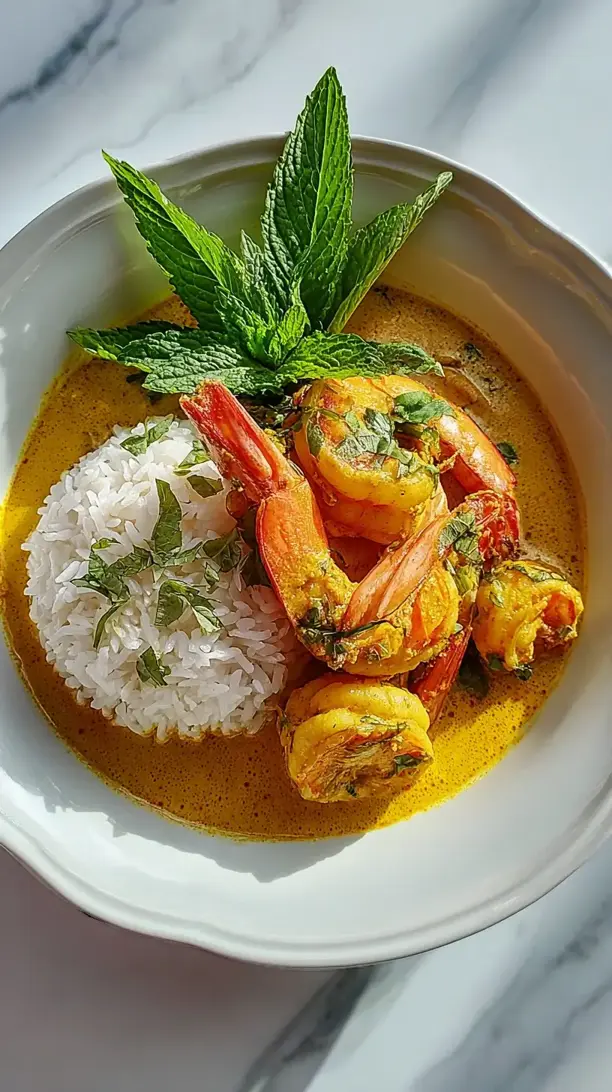
Yellow Curry Shrimp
Make easy, restaurant-quality Yellow Curry Shrimp in 30 minutes. A creamy, aromatic weeknight meal with tender shrimp. Get the simple recipe now!
Ingredients
For the Ingredients
-
1 lb large raw shrimp (peeled and deveined)
-
3 tbsp yellow curry paste
-
1 can full-fat coconut milk (14 oz/400 ml)
-
1 medium yellow onion (thinly sliced)
-
1 red bell pepper (sliced into strips)
-
3 cloves garlic (minced)
-
1 tbsp fresh ginger (grated)
-
1 tbsp fish sauce
-
1 tbsp coconut sugar or brown sugar
-
1 tbsp vegetable or coconut oil
-
1 cup bamboo shoots (drained (optional))
-
1/2 cup fresh Thai basil or cilantro (for garnish)
-
1 lime (cut into wedges)