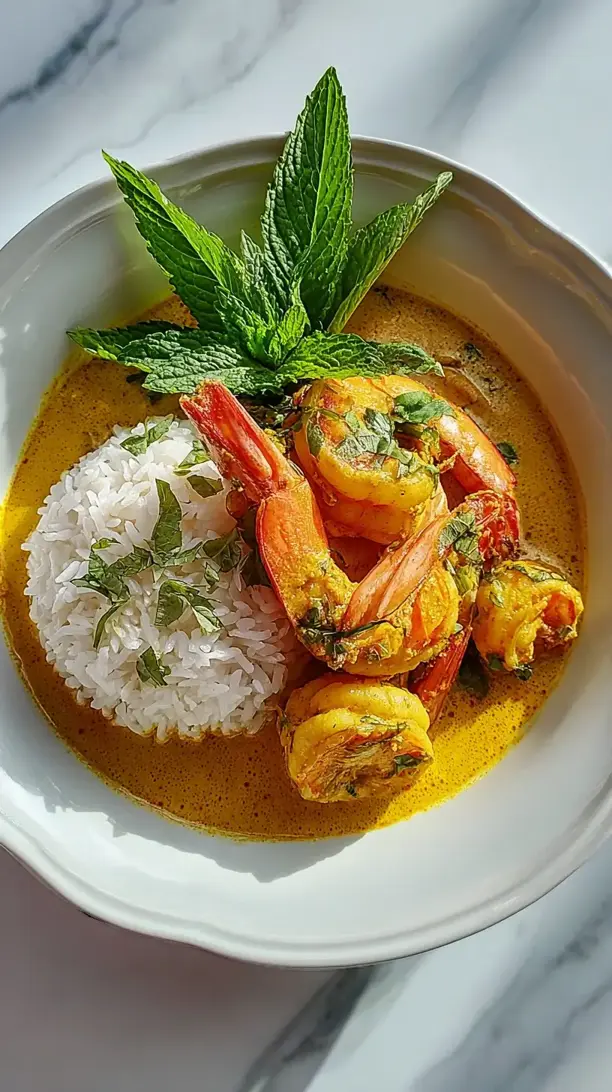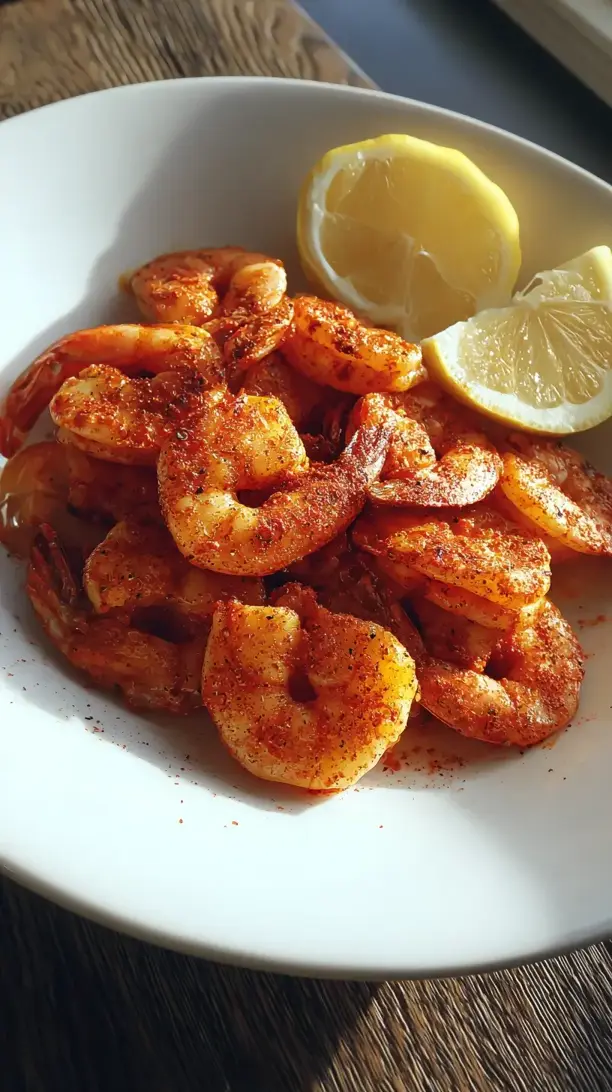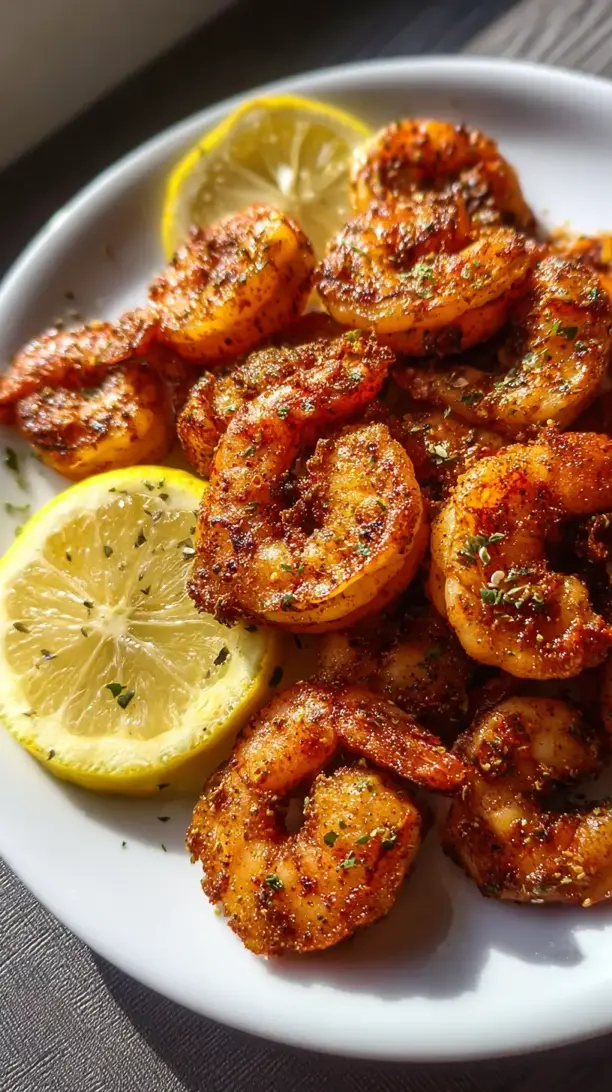

This Tom Yum Shrimp delivers a vibrant, aromatic broth that’s both comforting and invigorating. The hot, sour, salty, and fragrant flavors come together quickly for an authentic Thai experience. It’s a restaurant-quality meal you can easily make at home.
Why You’ll Love This Tom Yum Shrimp
- Flavor explosion: Perfect balance of spicy, sour, salty, and savory.
- Surprisingly fast: Ready in under 15 minutes once prepped.
- Aromatic & comforting: Therapeutic citrusy fragrance fills your kitchen.
- Adjustable heat: Easily tailor the spice level to your preference.
Ingredients & Tools
- 400 g large raw shrimp, peeled and deveined (keep shells for broth if desired)
- 4 cups chicken or vegetable broth
- 2 stalks lemongrass, bruised and cut into 2-inch pieces
- 4–5 slices galangal (about 1-inch thick)
- 6–8 kaffir lime leaves, torn slightly to release aroma
- 3–4 Thai bird’s eye chilies, lightly crushed (adjust to taste)
- 200 g mushrooms (straw or oyster work well), sliced
- 1 medium tomato, cut into wedges
- 1 small onion, thinly sliced
- 3 tbsp fish sauce
- 2–3 tbsp fresh lime juice (from about 1–2 limes)
- 1 tsp palm sugar or brown sugar
- 1/4 cup fresh cilantro, chopped
- 2–3 sprigs fresh sawtooth coriander (optional, for authentic finish)
Tools: Medium-sized soup pot, wooden spoon, fine-mesh strainer (optional), mortar and pestle (helpful for bruising aromatics)
Notes: Don’t skip the fresh aromatics—they’re non-negotiable for that true Tom Yum flavor. If you can’t find galangal, ginger is an okay substitute, but galangal’s citrusy, pine-like notes are really what make this soup special.
Nutrition (per serving)
| Calories: | 185 kcal |
| Protein: | 22 g |
| Fat: | 3 g |
| Carbs: | 15 g |
| Fiber: | 2 g |
Serves: 3–4 | Prep Time: 15 minutes | Cook Time: 12 minutes | Total Time: 27 minutes
Before You Start: Tips & Ingredient Notes
- Use the freshest aromatics you can find. Dried lemongrass or lime leaves just won’t deliver the same vibrant, citrusy punch. Look for them in Asian grocery stores—they freeze beautifully too.
- Don’t skip bruising the lemongrass. Give it a good whack with the back of your knife or a pestle. This releases its essential oils and infuses the broth with that distinct floral-lemony aroma.
- Prep everything before you heat the pot. Tom Yum comes together fast once you start cooking, so having your ingredients measured and ready to go is key to avoiding overcooked shrimp.
- Taste as you go, especially with the lime and fish sauce. The balance of sour and salty is personal. Start with less, then adjust at the end until it makes your taste buds sing.
How to Make Tom Yum Shrimp
Step 1: Start by preparing your aromatics. Take your lemongrass stalks and bruise them firmly with the back of your knife—you’ll hear a slight crunch and notice the fragrance immediately. Slice them into 2-inch pieces. Lightly crush the Thai chilies too (this controls the heat release). Tear the kaffir lime leaves slightly; just a little rip in the center is enough to let their incredible citrus perfume bloom in the broth.
Step 2: Pour the broth into your pot and bring it to a gentle boil over medium-high heat. Add the bruised lemongrass, galangal slices, torn kaffir lime leaves, and crushed chilies. Let this simmer for about 5–7 minutes. You’ll notice the broth becoming fragrant and taking on a pale yellow hue. This step is all about building that deep, aromatic base—don’t rush it.
Step 3: Now, add your sliced mushrooms, tomato wedges, and onion to the pot. Let them cook for 3–4 minutes until the mushrooms are tender and the tomatoes start to soften slightly. The vegetables will absorb the lovely flavors of the broth and add their own subtle sweetness and texture.
Step 4: It’s shrimp time! Add the peeled and deveined shrimp to the simmering broth. They’ll only need 2–3 minutes to cook through—you’re looking for them to turn pink and curl up nicely. Overcooking will make them rubbery, so keep a close eye. As soon as they’re opaque, move to the next step.
Step 5: Turn off the heat. Now, stir in the fish sauce, palm sugar, and fresh lime juice. The trick is to add the lime juice off the heat to preserve its bright, zesty flavor. Taste the broth—it should be a lively balance of sour, salty, and a hint of sweetness. Adjust with more lime juice or fish sauce if needed.
Step 6: Finally, stir in most of the chopped cilantro and sawtooth coriander (if using), reserving a little for garnish. Ladle the soup into bowls immediately, making sure each serving gets plenty of shrimp, veggies, and that incredible broth. The aroma at this point is just… wow.
Storage & Freshness Guide
- Fridge: Store in an airtight container for up to 2 days.
- Freezer: Freeze broth base (without shrimp, lime, herbs) for up to 3 months.
- Reviving: Gently reheat and add fresh lime juice & herbs just before serving.
Serving Suggestions
Complementary Dishes
- Steamed jasmine rice — The mild, floral fragrance of jasmine rice is the perfect neutral base to soak up the bold, brothy goodness and balance the heat.
- Fresh summer rolls with peanut dipping sauce — Their cool, crisp texture and nutty flavor provide a lovely contrast to the hot and sour soup.
- Stir-fried morning glory (Pad Pak Boong) — A classic Thai side of garlicky greens that complements the soup’s intensity without competing for attention.
Drinks
- Thai iced tea — Its creamy sweetness and strong tea flavor are a fantastic counterpoint to the soup’s spiciness and acidity.
- Cold, crisp lager — A light beer helps cleanse the palate between spoonfuls and enhances the overall refreshing quality of the meal.
- Sparkling water with lime — The bubbles and citrus cut through the richness and spice, keeping everything feeling light and balanced.
Something Sweet
- Mango with sticky rice — The ultimate Thai dessert; the sweet, creamy mango and coconut-infused rice are a heavenly finish after the savory, spicy soup.
- Coconut ice cream — Its cool, rich creaminess soothes the palate and provides a simple, satisfying end to the meal.
- Lychees served chilled — Their floral sweetness and juicy burst are a light, refreshing way to conclude such a flavorful dish.
Top Mistakes to Avoid
- Overcooking the shrimp. They cook in just 2–3 minutes. Any longer and they turn tough and rubbery, losing all their delicate sweetness.
- Adding lime juice while boiling. High heat destroys its bright, fresh acidity. Always stir it in at the very end, off the heat, to preserve that zing.
- Not tasting and adjusting at the end. The balance of sour (lime), salty (fish sauce), and sweet (sugar) is personal. Your last step should always be a quick taste test and tweak.
- Using powdered or dried substitutes for key aromatics. I’ve tried it, and the flavor is flat and one-dimensional. Fresh lemongrass, galangal, and lime leaves are essential for that authentic, complex aroma.
Expert Tips
- Tip: Make a double batch of the aromatic broth base and freeze half. Next time you crave Tom Yum, just thaw, bring to a simmer, and add your shrimp and veggies for a nearly instant meal.
- Tip: If you want a creamier, richer version (Tom Yum Nam Khon), stir in a couple tablespoons of evaporated milk or a splash of coconut milk at the very end. It adds a lovely, mellow creaminess.
- Tip: For an extra layer of flavor, quickly pan-sear the shrimp in a separate skillet before adding them to the soup. This adds a subtle caramelized note that’s really delicious.
- Tip: If your chilies are too spicy, add a stalk of lemongrass (whole) to the simmering broth and remove it before serving. It can help mellow the heat while adding more fragrance.
FAQs
Can I make Tom Yum Shrimp ahead of time?
You can prep the aromatics and vegetables ahead, but I highly recommend assembling and cooking the soup just before serving. The shrimp can become overcooked upon reheating, and the fresh, bright flavors of the lime and herbs are best enjoyed immediately. If you must, prepare the broth base (with aromatics and veggies) ahead, then gently reheat and add the shrimp and finishing touches right before eating.
What can I use if I can’t find galangal?
Young ginger is the closest substitute, though the flavor profile is different—galangal is more citrusy and pine-like, while ginger is warmer and spicier. Use the same amount of thinly sliced ginger. For a more complex flavor, add an extra stalk of lemongrass and a strip of lime zest to help mimic galangal’s unique aroma.
Is there a way to make this vegetarian?
Absolutely! Use vegetable broth instead of chicken broth, and substitute the fish sauce with soy sauce or a vegan fish sauce alternative. For the protein, add firm tofu cubes or a mix of hearty mushrooms like shiitake and king oyster. The core aromatic flavors will still shine through beautifully.
My soup is too spicy! How can I tone it down?
First, remove the whole chilies if they’re still floating in the broth. Then, add a bit more broth or a splash of water to dilute it. A pinch more palm sugar can also help balance the heat, and a squeeze of extra lime juice can distract the palate. Serving it with plenty of plain jasmine rice is your best bet for managing the spice level as you eat.
Can I use frozen shrimp?
Yes, frozen shrimp work perfectly fine. Just make sure to thaw them completely in the refrigerator overnight or under cold running water before using. Pat them dry with paper towels to avoid watering down your beautifully flavored broth.

Tom Yum Shrimp
Make authentic Tom Yum Shrimp in under 30 minutes! This hot & sour Thai soup features juicy shrimp in an aromatic broth. Get the easy recipe now!
Ingredients
For the Ingredients
-
400 g large raw shrimp (peeled and deveined (keep shells for broth if desired))
-
4 cups chicken or vegetable broth
-
2 stalks lemongrass (bruised and cut into 2-inch pieces)
-
4–5 slices galangal (about 1-inch thick)
-
6–8 kaffir lime leaves (torn slightly to release aroma)
-
3–4 Thai bird’s eye chilies (lightly crushed (adjust to taste))
-
200 g mushrooms (straw or oyster work well, sliced)
-
1 medium tomato (cut into wedges)
-
1 small onion (thinly sliced)
-
3 tbsp fish sauce
-
2–3 tbsp fresh lime juice (from about 1–2 limes)
-
1 tsp palm sugar or brown sugar
-
1/4 cup fresh cilantro (chopped)
-
2–3 sprigs fresh sawtooth coriander (optional, for authentic finish)
Instructions
-
Start by preparing your aromatics. Take your lemongrass stalks and bruise them firmly with the back of your knife—you’ll hear a slight crunch and notice the fragrance immediately. Slice them into 2-inch pieces. Lightly crush the Thai chilies too (this controls the heat release). Tear the kaffir lime leaves slightly; just a little rip in the center is enough to let their incredible citrus perfume bloom in the broth.01
-
Pour the broth into your pot and bring it to a gentle boil over medium-high heat. Add the bruised lemongrass, galangal slices, torn kaffir lime leaves, and crushed chilies. Let this simmer for about 5–7 minutes. You’ll notice the broth becoming fragrant and taking on a pale yellow hue. This step is all about building that deep, aromatic base—don’t rush it.02
-
Now, add your sliced mushrooms, tomato wedges, and onion to the pot. Let them cook for 3–4 minutes until the mushrooms are tender and the tomatoes start to soften slightly. The vegetables will absorb the lovely flavors of the broth and add their own subtle sweetness and texture.03
-
It’s shrimp time! Add the peeled and deveined shrimp to the simmering broth. They’ll only need 2–3 minutes to cook through—you’re looking for them to turn pink and curl up nicely. Overcooking will make them rubbery, so keep a close eye. As soon as they’re opaque, move to the next step.04
-
Turn off the heat. Now, stir in the fish sauce, palm sugar, and fresh lime juice. The trick is to add the lime juice off the heat to preserve its bright, zesty flavor. Taste the broth—it should be a lively balance of sour, salty, and a hint of sweetness. Adjust with more lime juice or fish sauce if needed.05
-
Finally, stir in most of the chopped cilantro and sawtooth coriander (if using), reserving a little for garnish. Ladle the soup into bowls immediately, making sure each serving gets plenty of shrimp, veggies, and that incredible broth. The aroma at this point is just… wow.06