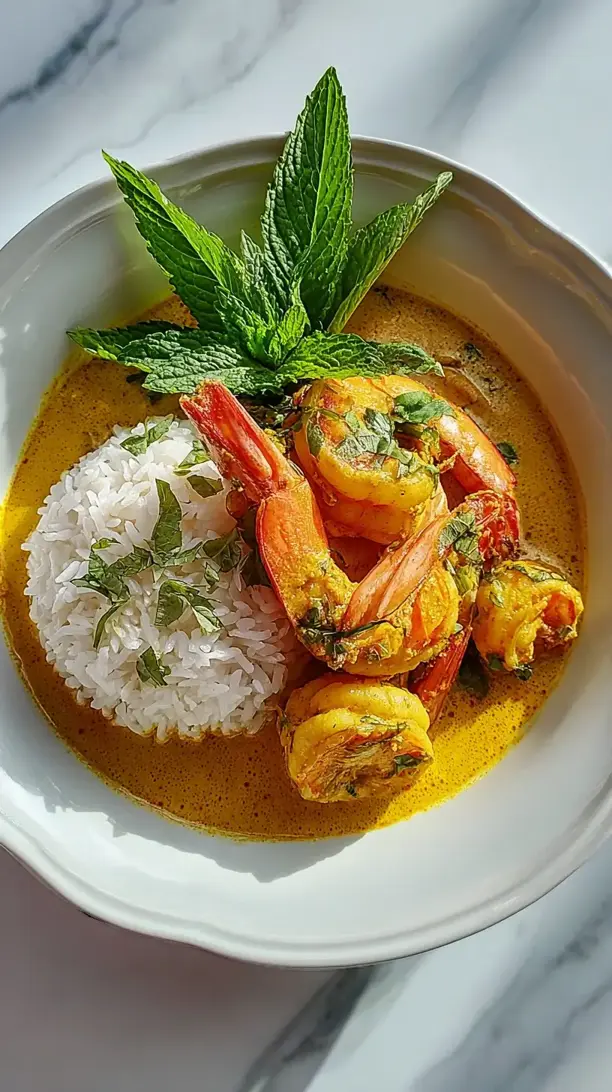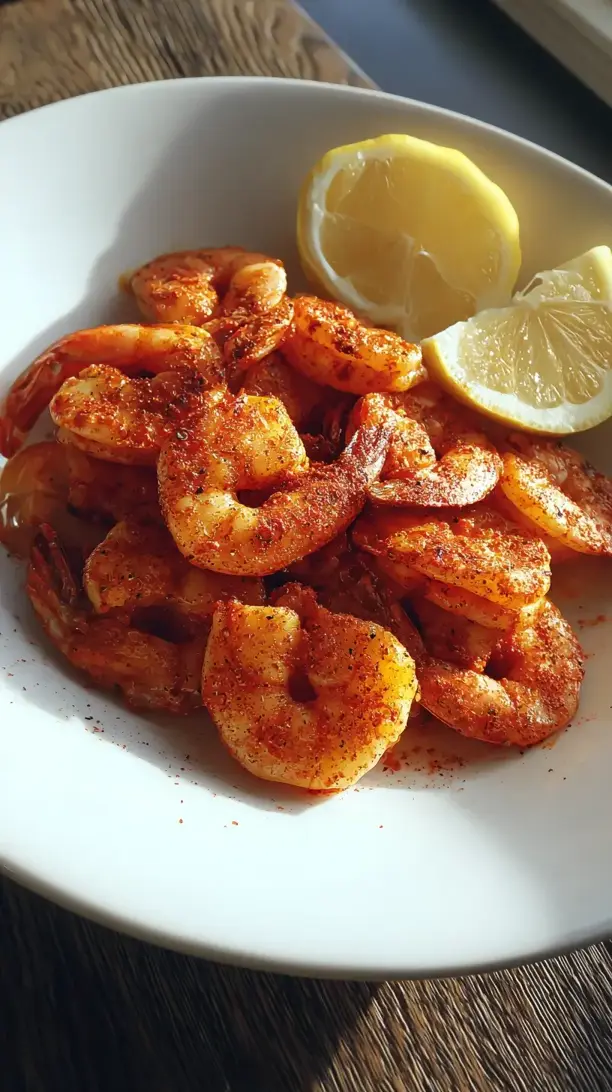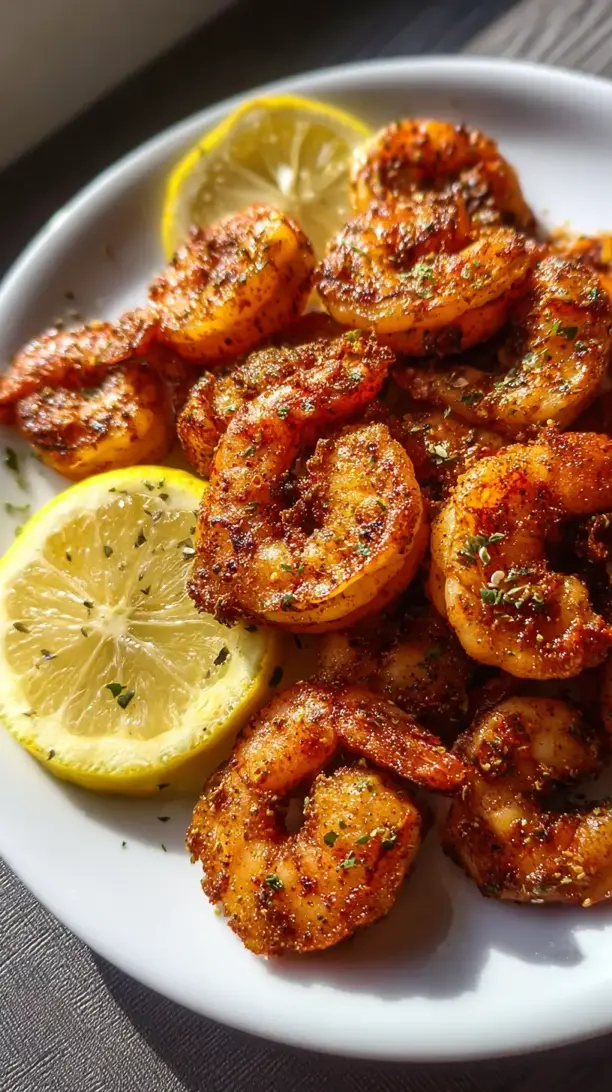

Why You’ll Love This Tom Kha with Shrimp
- Flavor explosion: Creamy coconut, bright lime, gentle heat, and herbal aromatics create perfect harmony.
- Surprisingly fast: Ready in under 15 minutes of simmering for an impressive weeknight or guest-worthy meal.
- Aromatic & comforting: Your kitchen will fill with incredible, soothing scents as it cooks.
- Flexible & forgiving: Easily swap proteins or adjust spice levels to suit your taste.
Ingredients & Tools
- 1 lb (450 g) large raw shrimp, peeled and deveined
- 4 cups (1 L) chicken or vegetable broth
- 2 (13.5 oz / 400 mL) cans full-fat coconut milk
- 1 stalk lemongrass, bruised and cut into 2-inch pieces
- 3-4 slices fresh galangal (about 1.5 inches total)
- 6-8 fresh kaffir lime leaves, torn
- 8 oz (225 g) mushrooms (straw or cremini), sliced
- 1-2 Thai chilies, bruised (or to taste)
- 3 tbsp fish sauce
- 2 tbsp fresh lime juice
- 1 tsp palm sugar or light brown sugar
- 1/4 cup fresh cilantro, chopped
- 2 green onions, thinly sliced
Tools: A medium-sized stockpot or Dutch oven, a fine-mesh strainer (optional but helpful), and a sharp knife for prepping aromatics.
Notes: Don’t stress if you can’t find fresh galangal—you can sometimes find it frozen, which works beautifully. And for the coconut milk, please go for full-fat; it gives the soup that luxurious, creamy body that light coconut milk just can’t replicate.
Nutrition (per serving)
| Calories: | 320 kcal |
| Protein: | 24 g |
| Fat: | 22 g |
| Carbs: | 9 g |
| Fiber: | 2 g |
Serves: 4 | Prep Time: 15 minutes | Cook Time: 20 minutes | Total Time: 35 minutes
Before You Start: Tips & Ingredient Notes
- Find your aromatics. The holy trinity of Tom Kha is galangal, lemongrass, and kaffir lime leaves. Look for them in the produce section of well-stocked supermarkets or at your local Asian grocery store. They are non-negotiable for that authentic flavor.
- Don’t skip the bruising. Bruising the lemongrass (smash it with the side of your knife) and chilies helps them release their oils and fragrance into the broth much more effectively. It’s a simple step with a big impact.
- Prep your shrimp last. Shrimp cook very quickly, so have all your other ingredients ready to go before you even think about adding them to the pot. This prevents them from becoming tough and rubbery.
- Balance is everything. Tom Kha is all about the interplay between salty (fish sauce), sour (lime), sweet (a touch of sugar), and spicy (chilies). Be prepared to taste and adjust at the very end to get it just right for your palate.
How to Make Tom Kha with Shrimp
Step 1: Start by preparing your aromatics. Take your stalk of lemongrass and, using the blunt side of your knife or a heavy object, whack it a few times along its length to bruise it thoroughly. This might feel a little aggressive, but it’s the best way to unlock all those incredible citrusy notes. Then, slice it into 2-3 inch pieces. Do the same with your Thai chilies—just give them a gentle smash. Tear your kaffir lime leaves in half; you’ll notice an immediate burst of fragrance. Slice your galangal into thin rounds, no need to peel it.
Step 2: Now, let’s build the broth base. Pour the chicken or vegetable broth into your stockpot and bring it to a gentle simmer over medium heat. Add the bruised lemongrass, galangal slices, and torn kaffir lime leaves. Let this simmer for about 10 minutes. You’re not trying to reduce the liquid drastically here; you’re infusing it. Your kitchen will start to smell absolutely incredible—that’s how you know it’s working.
Step 3: While the broth is infusing, prepare your other components. Give your mushrooms a quick rinse and slice them if they aren’t already. I love the delicate look of straw mushrooms, but cremini work perfectly well and add a lovely earthiness. Pat your shrimp dry and set them aside. Have your lime juice, fish sauce, and sugar measured and ready to go near the stove.
Step 4: After the broth has had its 10-minute infusion, it’s time for the coconut milk. Reduce the heat to low. Pour in both cans of full-fat coconut milk, stirring gently to combine. You want to avoid a rolling boil from this point on to prevent the coconut milk from separating. The broth should turn a beautiful, creamy off-white color.
Step 5: Add your sliced mushrooms and the bruised Thai chilies to the pot. Let them cook in the simmering broth for about 3-4 minutes, just until the mushrooms have softened and become tender. This is also when the chili will start to release its heat, so if you prefer a milder soup, you can add the chilies later or even remove them after a minute or two.
Step 6: Now for the star of the show—the shrimp! Gently add them to the simmering soup. They will cook very quickly, in just 2-3 minutes. You’ll know they’re done when they turn opaque and pink and curl up nicely. Do not overcook them, or they’ll become tough.
Step 7: Turn off the heat. This is the most important step for seasoning. Stir in the fish sauce, fresh lime juice, and palm sugar. Taste, taste, taste! You might need a little more fish sauce for saltiness, another squeeze of lime for tang, or another pinch of sugar to round it all out. The balance is personal, so adjust until it sings for you.
Step 8: Finally, stir in most of your fresh cilantro and sliced green onions, saving a little for garnish. At this point, you can use a slotted spoon or a fine-mesh strainer to fish out the large pieces of lemongrass, galangal, and lime leaves. It’s not strictly necessary, but it makes for a more elegant eating experience. Ladle the soup into bowls, garnish with the remaining herbs, and serve immediately.
Storage & Freshness Guide
- Fridge: Store in an airtight container for up to 2 days.
- Freezer: Freeze broth (without shrimp) for up to 1 month; add fresh shrimp when reheating.
- Reviving: Reheat gently on the stovetop; avoid boiling to prevent separation.
Serving Suggestions
Complementary Dishes
- Jasmine Rice — A fluffy bed of jasmine rice is the classic accompaniment. It’s perfect for soaking up every last drop of the fragrant coconut broth and balancing the soup’s bold flavors.
- Fresh Summer Rolls — The cool, fresh, and crunchy texture of summer rolls filled with shrimp, herbs, and vermicelli provides a lovely contrast to the hot and creamy soup.
- Thai Green Papaya Salad — The sharp, spicy, and tangy notes of Som Tum cut through the richness of the coconut milk beautifully, creating a truly dynamic and satisfying meal.
Drinks
- Thai Iced Tea — The sweet, creamy, and spiced notes of this iconic drink are a fantastic partner for the spicy and sour elements in the soup. It’s a classic pairing for a reason.
- A Crisp Lager — A light, clean lager helps cleanse the palate between spoonfuls and its slight bitterness contrasts nicely with the soup’s creamy richness.
- Gewürztraminer — This aromatic white wine, with its notes of lychee and rose, has a slight sweetness that can stand up to the complex spice and acidity in the Tom Kha.
Something Sweet
- Mango with Sticky Rice — You can’t go wrong with this timeless Thai dessert. The sweet, ripe mango and creamy coconut-infused sticky rice are the perfect, comforting end to a meal that started with similar flavors.
- Coconut Ice Cream — A simple scoop of high-quality coconut ice cream continues the tropical theme and provides a cool, sweet finish that soothes the palate after any lingering spice.
- Lychee Sorbet — Light, floral, and refreshing, a lychee sorbet is a elegant and palate-cleansing way to end your Thai feast without feeling too heavy.
Top Mistakes to Avoid
- Mistake: Boiling the soup after adding the coconut milk. A vigorous boil can cause the coconut milk to curdle or separate, giving your soup a grainy texture instead of that velvety smoothness we’re after. Keep it at a gentle simmer.
- Mistake: Overcooking the shrimp. I’ve messed this up before too—it’s so easy to do! Shrimp cook in just 2-3 minutes. The moment they turn pink and opaque, they’re done. Any longer and they’ll become rubbery and tough.
- Mistake: Not tasting and adjusting at the end. The final seasoning with lime juice, fish sauce, and sugar is what makes the soup come alive. If you skip this step, your Tom Kha might taste flat and one-dimensional.
- Mistake> Using light coconut milk. While it might seem like a healthier choice, light coconut milk will make your soup watery and thin. The richness of full-fat coconut milk is essential for the body and mouthfeel of an authentic Tom Kha.
Expert Tips
- Tip: Make a double batch of the infused broth base. You can simmer the broth with the lemongrass, galangal, and lime leaves, then let it cool and freeze it. When a Tom Kha craving strikes, just thaw it, add coconut milk, your protein, and seasonings for a 10-minute meal.
- Tip> For a clearer broth, strain out the aromatics. Before you add the coconut milk, you can strain out the big pieces of lemongrass, galangal, and lime leaves. You’ll lose a little of the continuing infusion, but you’ll get a soup that’s much easier to eat.
- Tip: Bloom your chili paste for more depth. If you’re using store-bought chili paste (like Nam Prik Pao), fry a teaspoon of it in a little oil for 30 seconds before adding the broth. This “blooms” the flavors and gives the soup a deeper, more complex heat.
- Tip: Add vegetables for a heartier meal. Feel free to toss in some baby corn, cherry tomatoes, or even a handful of spinach along with the mushrooms. It’s a great way to pack in more nutrients and make the soup a more complete one-pot meal.
FAQs
Can I make this soup with chicken instead of shrimp?
Absolutely! Chicken is a classic alternative. Just use boneless, skinless chicken breast or thighs, cut into thin bite-sized pieces. Add the chicken right after you add the coconut milk and let it simmer for 6-8 minutes, or until fully cooked through, before proceeding with the mushrooms and final seasonings. The cooking time is just a bit longer than for shrimp.
I can’t find fresh galangal. What can I use as a substitute?
This is a common hurdle. While the flavor is unique, the best substitute is fresh ginger. It will give a different, earthier kind of warmth, but it’s still delicious. You could also look for frozen galangal or galangal paste in a jar at an Asian market. Avoid dried galangal if you can, as it lacks the vibrant punch of the fresh root.
Is there a way to make this soup vegetarian or vegan?
Easily! Use vegetable broth instead of chicken broth. For the protein, firm tofu (cubed) works wonderfully—add it when you would add the shrimp. The main swap is the fish sauce; use a vegan fish sauce alternative or a combination of light soy sauce and a pinch of salt to achieve that salty, umami depth.
How long do leftovers last, and how should I reheat them?
Leftovers will keep in an airtight container in the refrigerator for up to 2 days. Reheat gently on the stovetop over low heat, stirring frequently. Avoid boiling it aggressively, as this can cause the shrimp to toughen and the coconut milk to separate. You may need to add a small splash of broth or water when reheating as the soup tends to thicken when chilled.
My soup turned out too spicy! How can I fix it?
Don’t worry, it happens to the best of us! The easiest fix is to balance the heat with more richness and sweetness. Stir in an extra splash of coconut milk and a little more palm sugar. You can also add a squeeze of fresh lime juice, as acidity can help counterbalance spiciness. Serving it with plenty of jasmine rice will also help dilute the heat with each bite.
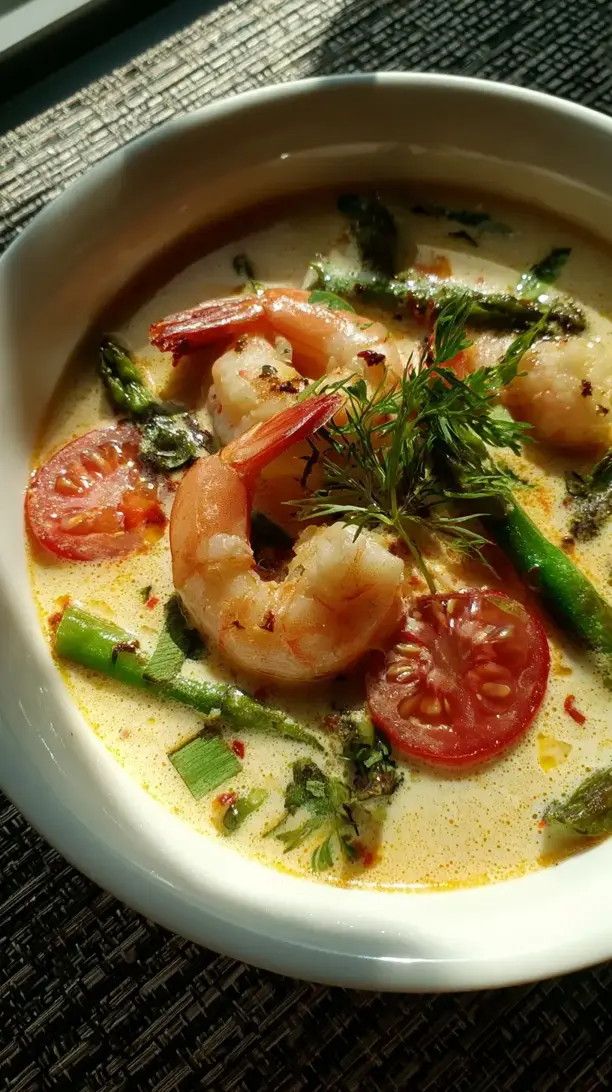
Tom Kha With Shrimp
Learn how to make authentic Tom Kha with Shrimp at home. This easy Thai coconut soup recipe delivers incredible flavor in just 35 minutes. Get the recipe now!
Ingredients
For the soup
-
1 lb large raw shrimp (peeled and deveined)
-
4 cups chicken or vegetable broth
-
2 cans full-fat coconut milk
-
1 stalk lemongrass (bruised and cut into 2-inch pieces)
-
3-4 slices fresh galangal
-
6-8 fresh kaffir lime leaves (torn)
-
8 oz mushrooms (sliced)
-
1-2 Thai chilies (bruised)
-
3 tbsp fish sauce
-
2 tbsp fresh lime juice
-
1 tsp palm sugar or light brown sugar
-
1/4 cup fresh cilantro (chopped)
-
2 green onions (thinly sliced)
Instructions
-
Start by preparing your aromatics. Take your stalk of lemongrass and, using the blunt side of your knife or a heavy object, whack it a few times along its length to bruise it thoroughly. Then, slice it into 2-3 inch pieces. Do the same with your Thai chilies—just give them a gentle smash. Tear your kaffir lime leaves in half. Slice your galangal into thin rounds, no need to peel it.01
-
Now, let’s build the broth base. Pour the chicken or vegetable broth into your stockpot and bring it to a gentle simmer over medium heat. Add the bruised lemongrass, galangal slices, and torn kaffir lime leaves. Let this simmer for about 10 minutes.02
-
While the broth is infusing, prepare your other components. Give your mushrooms a quick rinse and slice them if they aren’t already. Pat your shrimp dry and set them aside. Have your lime juice, fish sauce, and sugar measured and ready to go near the stove.03
-
After the broth has had its 10-minute infusion, it’s time for the coconut milk. Reduce the heat to low. Pour in both cans of full-fat coconut milk, stirring gently to combine.04
-
Add your sliced mushrooms and the bruised Thai chilies to the pot. Let them cook in the simmering broth for about 3-4 minutes, just until the mushrooms have softened and become tender.05
-
Now for the star of the show—the shrimp! Gently add them to the simmering soup. They will cook very quickly, in just 2-3 minutes. You’ll know they’re done when they turn opaque and pink and curl up nicely.06
-
Turn off the heat. Stir in the fish sauce, fresh lime juice, and palm sugar. Taste, taste, taste! You might need a little more fish sauce for saltiness, another squeeze of lime for tang, or another pinch of sugar to round it all out.07
-
Finally, stir in most of your fresh cilantro and sliced green onions, saving a little for garnish. At this point, you can use a slotted spoon or a fine-mesh strainer to fish out the large pieces of lemongrass, galangal, and lime leaves. Ladle the soup into bowls, garnish with the remaining herbs, and serve immediately.08