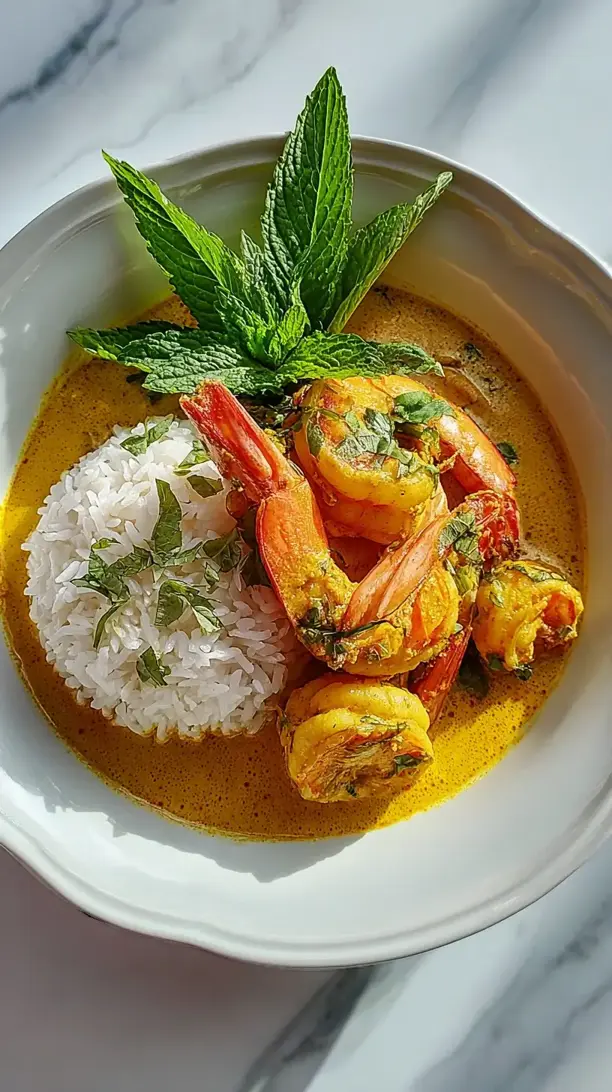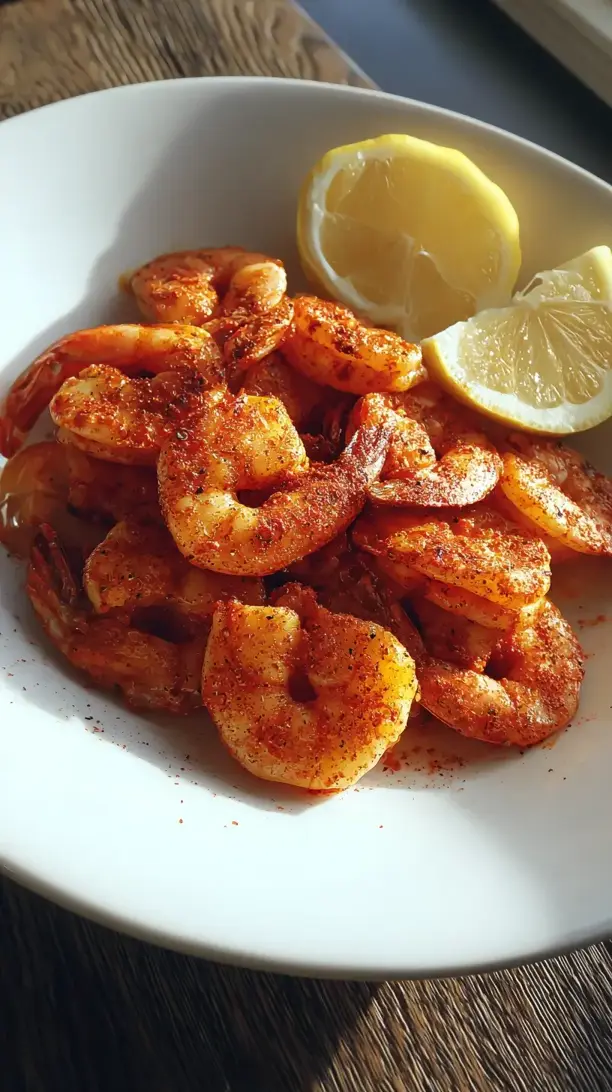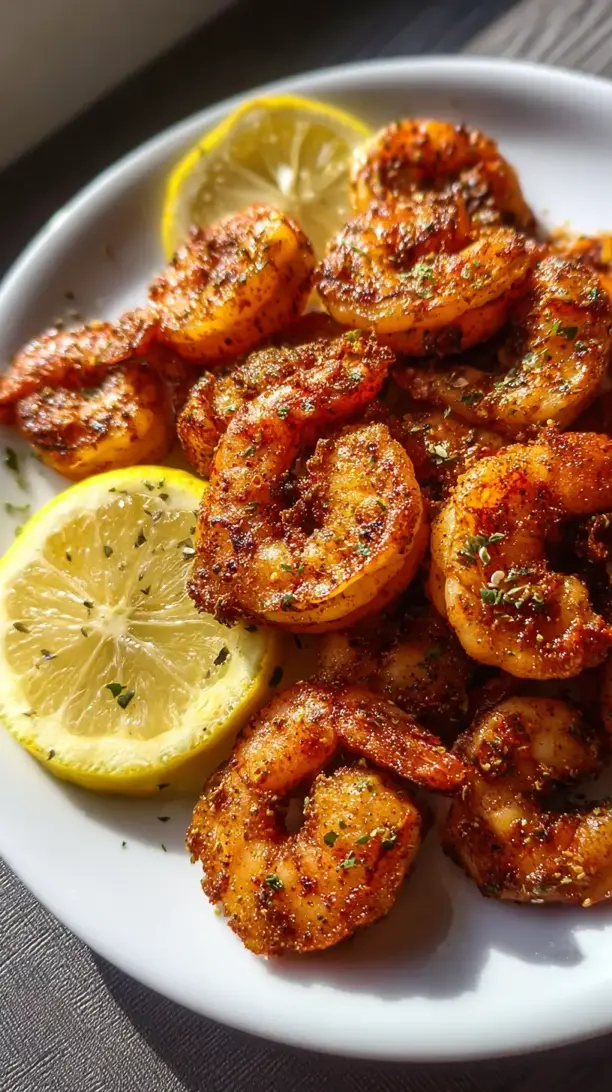

This Thai Basil Shrimp delivers explosive flavor in just 15 minutes. The sizzle of garlic, chilies, and fresh basil creates an aromatic dish that’s a staple of Thai street food. You’ll love how simple and satisfying this Goong Pad Krapow is to make at home.
Why You’ll Love This Thai Basil Shrimp
- Explosively flavorful: A savory, umami-rich sauce clings to every plump shrimp.
- Comes together fast: From fridge to table in about 15 minutes.
- Incredibly versatile: Great with rice, noodles, or in lettuce cups.
- Aromatic therapy: Your kitchen will smell like a professional Thai kitchen.
Ingredients & Tools
- 450 g large raw shrimp, peeled and deveined
- 3 tbsp neutral oil (like vegetable or canola)
- 8-10 cloves garlic, finely minced
- 2-4 Thai bird’s eye chilies, finely minced (adjust to taste)
- 1 medium shallot, thinly sliced
- 2 tbsp oyster sauce
- 1 tbsp fish sauce
- 1 tsp dark soy sauce (or light soy sauce)
- 1 tsp palm sugar or light brown sugar
- 2 cups packed fresh Thai holy basil leaves
- 1-2 tbsp water or chicken stock, if needed
Tools: A large wok or a large, heavy-bottomed skillet is essential here.
Notes: Don’t be intimidated by the ingredient list—it’s mostly pantry staples for anyone who loves Asian cooking. The real stars are the fresh basil and the quality of your shrimp. Using fresh, not frozen-and-thawed-to-sogginess, shrimp makes a world of difference in texture. And while Thai holy basil is ideal for its distinctive, slightly spicy flavor, don’t stress if you can only find regular sweet basil; it will still be delicious, just with a slightly different aromatic profile.
Nutrition (per serving)
| Calories: | 280 kcal |
| Protein: | 25 g |
| Fat: | 14 g |
| Carbs: | 10 g |
| Fiber: | 1 g |
Serves: 3 | Prep Time: 10 minutes | Cook Time: 5 minutes | Total Time: 15 minutes
Before You Start: Tips & Ingredient Notes
- Get your mise en place ready. This dish cooks in mere minutes, so you won’t have time to chop garlic or measure sauces once you start. Have everything prepped and within arm’s reach of the stove. It’s the single most important step for success.
- What’s the deal with Thai basil? Thai holy basil (Bai Graprow) has a more peppery, anise-like flavor compared to sweet Italian basil. It’s also sturdier and stands up better to high-heat stir-frying. If you have an Asian market nearby, it’s worth seeking out for the most authentic taste.
- How to handle the heat. Thai bird’s eye chilies are potent! For a mild version, use 1-2 and remove the seeds. For medium, use 2-3 with seeds. For authentic, fiery heat, use 4 or more. Remember, you can always add more heat at the end, but you can’t take it away.
- Don’t skip the dark soy sauce. It’s not just for saltiness; it provides a beautiful dark caramel color and a deeper, molasses-like flavor that is key to the dish’s signature look and taste. If you only have light soy, that’s okay, but the color will be lighter.
How to Make Thai Basil Shrimp
Step 1: Prep the shrimp and aromatics. Pat your shrimp completely dry with paper towels—this is non-negotiable for getting a good sear instead of them steaming in their own moisture. Season them lightly with a pinch of white pepper. Now, finely mince your garlic and chilies. I like to use a mortar and pestle for this to create a rough paste, but a sharp knife and a little elbow grease work perfectly. Thinly slice your shallot. This foundation of aromatics is what will build the incredible depth of flavor in the sauce.
Step 2: Mix the sauce components. In a small bowl, combine the oyster sauce, fish sauce, dark soy sauce, and palm sugar. Stir it well until the sugar has mostly dissolved. Doing this now prevents you from fumbling with multiple bottles over a screaming hot wok. Taste a tiny drop—you should get a hit of salty-sweetness that’s perfectly balanced. Set this sauce mixture right next to your stove.
Step 3: Stir-fry the aromatics. Place your wok or skillet over the highest possible heat. Let it get seriously hot—you should see a slight wisp of smoke rising from the surface. Add the neutral oil and swirl it to coat the surface. Immediately add the garlic, chilies, and shallot. Stir-fry for just 20-30 seconds until incredibly fragrant. You’ll notice the sharp aroma mellowing and becoming sweet. Be careful not to burn it, or the entire dish will taste bitter.
Step 4: Cook the shrimp. Add the shrimp to the wok in a single layer if possible. Let them sear for about 30 seconds before you start tossing. You want to get a little color on one side. Then, stir-fry vigorously for another 1-2 minutes. The shrimp will start to turn pink and opaque, but they cook so fast! The goal is to just cook them through until they are firm and curl into a loose “C” shape. Overcooked, rubbery shrimp are the enemy here.
Step 5: Add the sauce and basil. Now, pour your pre-mixed sauce over the shrimp. It will sizzle and bubble violently, reducing almost instantly and coating the shrimp in a gorgeous, glossy glaze. Toss everything together for another 30 seconds. If the sauce looks too thick or is reducing too quickly, add a tablespoon of water or stock to loosen it up. Turn off the heat and immediately add all of the fresh basil leaves. The residual heat is enough to wilt the basil perfectly, releasing its aroma without making it slimy.
Step 6: Final toss and serve. Give everything one last, vigorous toss in the wok to distribute the wilted basil throughout the dish. You should see vibrant green leaves speckled amongst the glistening shrimp. Do a final taste test—it should be a perfect balance of salty, sweet, and spicy. Serve immediately over a steaming bed of jasmine rice. The contrast of the hot, savory shrimp with the fluffy, slightly fragrant rice is simply divine.
Storage & Freshness Guide
- Fridge: Store in an airtight container for up to 2 days.
- Freezer: Not recommended; shrimp will become rubbery upon thawing.
- Reviving: Gently reheat in a skillet with a splash of water to loosen sauce.
Serving Suggestions
Complementary Dishes
- Jasmine Rice — The classic, non-negotiable partner. Its subtle floral scent and sticky texture are the perfect canvas to soak up every last drop of the incredible sauce.
- Simple Cucumber Salad — Sliced cucumbers with a quick dressing of rice vinegar, sugar, and salt provides a cool, crisp, and acidic counterpoint that cuts through the richness of the shrimp beautifully.
- Thai-style Omelette (Khai Jiao) — A fluffy, deep-fried omelette is a common side in Thailand. Its rich, eggy texture is a wonderful, comforting addition to the meal.
Drinks
- A Crisp Lager — An ice-cold Thai beer like Singha or Chang is the ultimate pairing. The crisp, clean bubbles and mild bitterness work to reset your palate between spicy, flavorful bites.
- Lemongrass Iced Tea — The citrusy, herbal notes of lemongrass steeped in unsweetened tea, served over ice with a squeeze of lime, complements the dish’s Southeast Asian flavors without adding more sweetness.
Something Sweet
- Mango with Sticky Rice — The quintessential Thai dessert. The sweet, creamy mango and rich coconut-infused sticky rice are a heavenly finish that contrasts the savory-spicy main course perfectly.
- Coconut Ice Cream — A few scoops of high-quality coconut ice cream, maybe with some toasted peanuts sprinkled on top, offer a cool, creamy, and simple end to the meal that feels just right.
Top Mistakes to Avoid
- Mistake: Crowding the wok. If you dump too many shrimp in at once, they’ll release moisture and steam instead of searing. This leads to a watery sauce and rubbery, boiled shrimp instead of that beautiful, wok-kissed texture. Cook in batches if you’re doubling the recipe.
- Mistake: Overcooking the shrimp. I’ve messed this up before too… shrimp cook in a flash. The moment they curl and turn opaque, they’re done. Continuing to cook them will turn them from juicy and tender to tough and bouncy. Remember, they carryover cook a little even off the heat.
- Mistake: Burning the garlic. Garlic and chilies can go from golden and fragrant to acrid and black in seconds over high heat. Have your next ingredient (the shrimp) ready to go in the second they hit the oil. Constant motion is your friend.
- Mistake: Cooking the basil for too long. You add the basil at the very end, after the heat is off. The residual heat is plenty to wilt it. If you cook it with the sauce, it will become slimy, dark, and lose all its beautiful aromatic quality.
Expert Tips
- Tip: Velvet your shrimp for extra tenderness. For a pro-level, silky texture, marinate your peeled shrimp in a mixture of 1 egg white and 1 tablespoon of cornstarch for 15-30 minutes before patting them dry and cooking. It creates a protective coating that keeps them incredibly succulent.
- Tip: Use a mortar and pestle for the aromatics. Instead of just mincing, pounding the garlic and chilies into a coarse paste helps release their oils more effectively, resulting in a more profound and integrated flavor base for your sauce.
- Tip: Add a splash of Shaoxing wine. While not traditional, a tablespoon of Shaoxing wine added right after the aromatics have fried for a few seconds will deglaze the pan and add a wonderful layer of complex, fermented sweetness.
- Tip: For a saucier dish, adjust at the end. If you prefer more sauce to mix with your rice, don’t add more of the strong seasonings. Instead, add a few tablespoons of unsalted chicken stock or water at the very end and let it bubble for just 10 seconds to combine.
FAQs
Can I use frozen shrimp?
You absolutely can, but the key is to thaw them properly. Never thaw shrimp in warm water or the microwave, as this ruins the texture. The best method is to place them in a sealed bag and submerge them in cold water in the sink for about 30-45 minutes. Once thawed, pat them as dry as humanly possible with paper towels to ensure they sear instead of steam. The extra moisture is the biggest challenge with frozen shrimp.
What can I use if I can’t find Thai basil?
Don’t let this stop you from making the dish! Italian sweet basil will work in a pinch, though the flavor profile will be different—sweeter and less peppery. Another great substitute is a 50/50 mix of mint and Italian basil, which can mimic the complex, slightly spicy notes of holy basil more closely than basil alone.
Is this dish very spicy?
It’s as spicy as you make it! The heat comes almost entirely from the fresh Thai bird’s eye chilies. For a mild version, use just one chili and remove the seeds (where most of the capsaicin lives). For authentic, mouth-tingling heat, use 4 or more. You are in complete control of the Scoville scale here.
Can I make this with chicken or tofu instead?
Yes, it adapts beautifully. For chicken, use thinly sliced chicken thigh and cook it through before adding the sauce. For tofu, use extra-firm tofu, pressed and cubed, and pan-fry it until golden and crisp before proceeding. The cooking times will be a bit longer, but the sauce and method remain the same.
How do I store and reheat leftovers?
Store any leftovers in an airtight container in the refrigerator for up to 2 days. To reheat, gently warm it in a skillet over medium-low heat with a tiny splash of water to loosen the sauce. Avoid the microwave if you can, as it will almost certainly overcook the shrimp and make them rubbery.
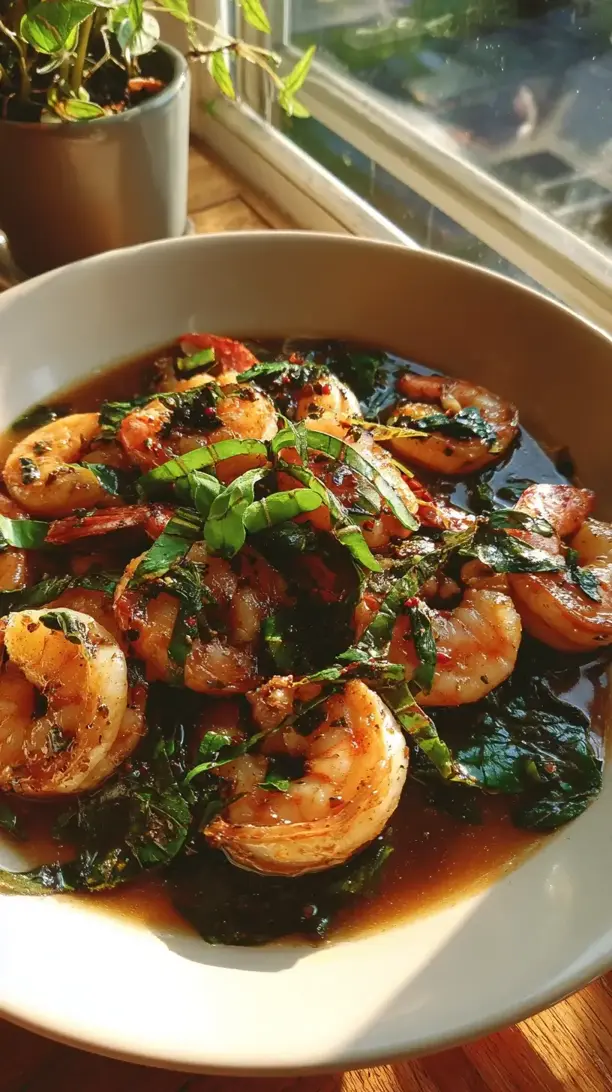
Thai Basil Shrimp
Make authentic Thai Basil Shrimp (Pad Krapow) in just 15 minutes! This easy, flavorful stir-fry is a weeknight dinner game-changer. Get the recipe now!
Ingredients
For the Ingredients
-
450 g large raw shrimp (peeled and deveined)
-
3 tbsp neutral oil (like vegetable or canola)
-
8-10 cloves garlic (finely minced)
-
2-4 Thai bird's eye chilies (finely minced (adjust to taste))
-
1 medium shallot (thinly sliced)
-
2 tbsp oyster sauce
-
1 tbsp fish sauce
-
1 tsp dark soy sauce (or light soy sauce)
-
1 tsp palm sugar or light brown sugar
-
2 cups fresh Thai holy basil leaves (packed)
-
1-2 tbsp water or chicken stock (if needed)