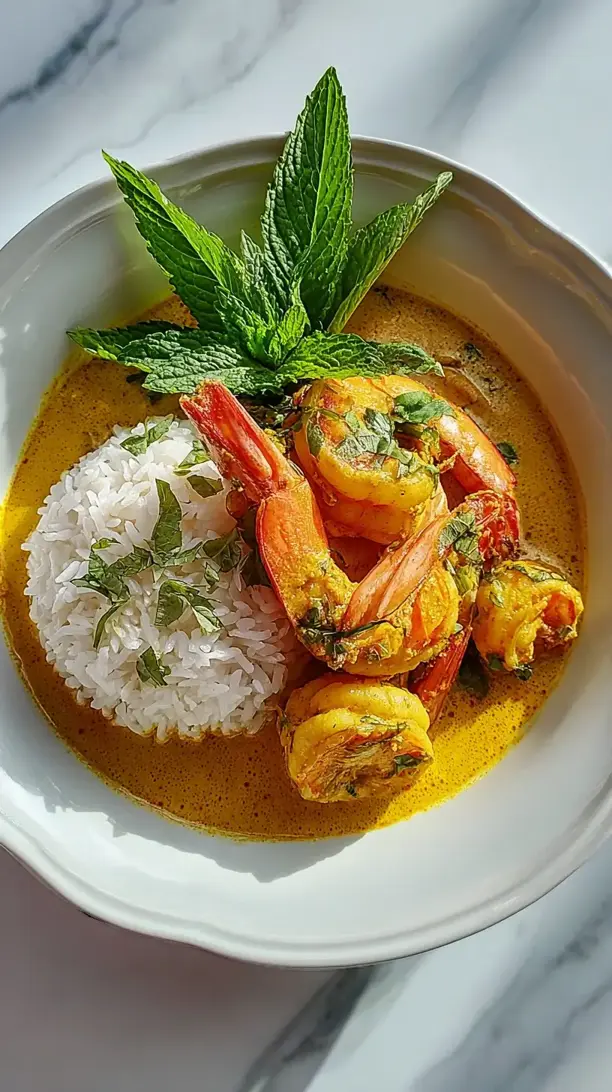

This Shrimp Ramen Bowl delivers rich, savory flavor in under 30 minutes. With plump shrimp, springy noodles, and a deeply aromatic broth, it’s a comforting weeknight meal. Customize your bowl with favorite toppings for a satisfying, restaurant-quality experience at home.
Why You’ll Love This Shrimp Ramen Bowl
- Fast & satisfying: Ready in 30 minutes for a restaurant-quality meal.
- Deep flavor, fast: Umami-packed broth tastes slow-simmered but comes together quickly.
- Endlessly customizable: Easy to adapt with your favorite toppings and spices.
- Perfect texture play: Tender shrimp, springy noodles, and crunchy toppings in every bite.
Ingredients & Tools
- 200 g ramen noodles (fresh or dried)
- 400 g large raw shrimp, peeled and deveined
- 1 L good-quality chicken or dashi broth
- 3 cloves garlic, minced
- 1 tbsp fresh ginger, grated
- 2 tbsp soy sauce
- 1 tbsp mirin
- 1 tsp sesame oil
- 1 tbsp neutral oil (like vegetable or canola)
- 2 soft-boiled eggs (optional, for topping)
- 2 spring onions, thinly sliced
- 1 sheet nori, torn into pieces
- To taste: chili oil or sesame seeds
Tools: A large pot or Dutch oven, a medium skillet, and a fine-mesh strainer (optional for skimming).
Notes: Use good-quality broth for best flavor. Raw, self-peeled shrimp offer superior texture and sweetness.
Nutrition (per serving)
| Calories: | 485 kcal |
| Protein: | 35 g |
| Fat: | 12 g |
| Carbs: | 55 g |
| Fiber: | 3 g |
Serves: 2 | Prep Time: 10 minutes | Cook Time: 20 minutes | Total Time: 30 minutes
Before You Start: Tips & Ingredient Notes
- Don’t skip the mirin. This sweet Japanese rice wine adds a subtle sweetness and complexity that balances the salty soy sauce perfectly. If you absolutely must, a tiny pinch of sugar mixed with a teaspoon of dry sherry can work in a pinch, but the real deal is best.
- What’s the deal with the noodles? You can use fresh or dried ramen noodles—just avoid the instant packets with the flavoring sachets. Cook them separately according to the package directions right before assembling your bowls to keep them perfectly springy.
- Get your toppings ready first. This is a fast-moving recipe once you start cooking. Having your sliced spring onions, soft-boiled eggs peeled and halved, and nori torn means you can go from stove to bowl without any stressful last-minute scrambling.
- Pat your shrimp dry. This is a small step with a big payoff. Drying the shrimp with a paper towel before seasoning helps them sear nicely instead of steaming, giving you a better texture and more flavor in the broth.
How to Make Shrimp Ramen Bowl
Step 1: Start by prepping all your ingredients. Mince the garlic, grate the ginger, and slice the spring onions, separating the white and green parts. If you’re including soft-boiled eggs, get those cooked, cooled, and peeled now. Having everything within arm’s reach makes the cooking process feel smooth and effortless.
Step 2: Bring a separate pot of water to a boil for your ramen noodles. We’ll cook these separately to keep them from making the broth starchy and cloudy. When the water is at a rolling boil, cook the noodles according to the package instructions, then drain and rinse briefly with cold water to stop the cooking process. Toss them with a tiny bit of oil to prevent sticking.
Step 3: Now, let’s build that incredible broth. Heat the neutral oil in your large pot or Dutch oven over medium heat. Add the white parts of your spring onions, the minced garlic, and grated ginger. Sauté for just 60-90 seconds until incredibly fragrant—you’ll notice the aroma fills your kitchen. Be careful not to burn the garlic.
Step 4: Pour in the chicken or dashi broth, along with the soy sauce and mirin. Bring this up to a gentle simmer, then let it bubble away for about 10 minutes. This allows the flavors to meld beautifully and the broth to reduce just slightly, concentrating its savory goodness.
Step 5: While the broth simmers, cook the shrimp. Pat them dry with a paper towel and season lightly with a pinch of salt. Heat a skillet over medium-high heat with a tiny drizzle of oil. Cook the shrimp for 1-2 minutes per side, just until they turn pink and opaque. You don’t want to overcook them here, as they’ll warm through again in the broth.
Step 6: Turn off the heat under your broth and stir in the sesame oil. This is a finishing oil, and its nutty aroma is best preserved when not boiled. Give it a taste—this is your moment to adjust the seasoning. Want it a bit saltier? A splash more soy sauce. A little more depth? Another drop of sesame oil.
Step 7: It’s assembly time! Divide the cooked ramen noodles between two deep bowls. Ladle the hot broth over the noodles, making sure to get all those delicious aromatics in there. Artfully arrange the cooked shrimp on top, followed by your halved soft-boiled eggs, the green parts of the spring onions, and the torn nori. Finish with a drizzle of chili oil and a sprinkle of sesame seeds if you like.
Storage & Freshness Guide
- Fridge: Store broth and toppings separately for up to 2 days.
- Freezer: Freeze broth only for up to 3 months.
- Reviving: Gently reheat broth; cook noodles and shrimp fresh.
Serving Suggestions
Complementary Dishes
- Simple Cucumber Sunomono — A light, vinegary cucumber salad cuts through the richness of the ramen and provides a refreshing, crisp contrast.
- Steamed Gyoza (Dumplings) — These little parcels of joy are perfect for dipping into the ramen broth and make the meal feel like a true feast.
- Quick-Pickled Radishes — Their sharp, tangy crunch adds a fantastic brightness and another layer of texture to your ramen experience.
Drinks
- Iced Green Tea — Its clean, slightly bitter notes are a classic pairing that cleanse the palate between slurps of the savory, umami-packed broth.
- A Light Lager — The crisp, effervescent quality of a cold lager complements the dish without overpowering its delicate flavors.
- Ginger Beer — The spicy-sweet fizz mirrors the ginger in the broth and adds a fun, non-alcoholic kick to the meal.
Something Sweet
- Mochi Ice Cream — These chewy, frozen treats, especially green tea or red bean flavor, offer a delightful, light finish that feels authentically Japanese.
- Orange Segments with a Mint Sprinkle — Incredibly simple, but the juicy, citrusy freshness is the perfect palate cleanser after a savory meal.
- Black Sesame Cookies — Their nutty, slightly sweet flavor is a sophisticated and delicious way to end your ramen night on a high note.
Top Mistakes to Avoid
- Overcooking the shrimp. They cook in just a few minutes and will continue to warm in the hot broth. Overcooked shrimp become rubbery and tough, losing all their delicate sweetness.
- Boiling the sesame oil. This is a finishing oil, not a cooking oil. Adding it at the end preserves its wonderful nutty aroma. If you cook it for too long, the flavor becomes muted and bitter.
- Cooking the noodles directly in the broth. It might seem like a time-saver, but it will make your broth cloudy and overly starchy. Cooking them separately is the secret to a clear, clean-tasting soup and perfectly textured noodles.
- Skipping the taste test at the end. Broths can vary, so always taste your creation before serving. This is your chance to balance the saltiness with more soy sauce or add a touch of mirin for sweetness.
Expert Tips
- Tip: Make a double batch of the aromatics. Sauté a bigger portion of the garlic, ginger, and spring onion whites, then freeze half. Next time you crave ramen, you can start your broth in a flash by simply dropping the frozen aromatics into hot broth.
- Tip: Infuse your oil for an extra layer of flavor. Gently heat your neutral oil with a few slices of ginger and a crushed garlic clove before you start cooking. Strain it out, and use this flavored oil to cook your shrimp and aromatics.
- Tip: For a richer, creamier broth, add a tablespoon of miso paste. Whisk a bit of your hot broth into the miso in a separate bowl to dissolve it, then stir it back into the pot right at the end. It adds incredible umami depth.
- Tip: Don’t toss your shrimp shells! If you peeled the shrimp yourself, simmer the shells in your broth for the first 5-10 minutes, then strain them out. This adds a phenomenal seafood essence to the base.
FAQs
Can I use frozen shrimp?
Absolutely, and it’s a great time-saver! The key is to thaw them properly. The best way is to place them in a sealed bag and submerge them in cold water for about 15-20 minutes. Avoid thawing at room temperature or in warm water, as this can negatively affect the texture. Just make sure to pat them very dry before cooking to get a nice sear.
What can I use instead of mirin?
If you don’t have mirin, you can create a decent substitute. Mix 1 teaspoon of sugar into 1 tablespoon of dry sherry or even a light, dry white wine. A tiny splash of rice vinegar can help mimic the slight acidity. While it won’t be exactly the same, it will provide that necessary balance of sweetness to counter the salty soy sauce.
How can I make this vegetarian?
It’s an easy swap! Use a robust vegetable broth as your base and replace the shrimp with firm tofu cubes or a bunch of sliced mushrooms like shiitake or oyster. Sauté the mushrooms until they’re nicely browned to build flavor. You’ll still get a deeply satisfying, umami-rich bowl that feels complete and delicious.
Can I prepare the broth ahead of time?
You sure can! The broth actually tastes even better the next day. Let it cool completely, then store it in an airtight container in the fridge for up to 3 days. When you’re ready to eat, gently reheat the broth and cook your noodles and shrimp fresh for the best possible texture.
My broth tastes a bit flat. How can I fix it?
This happens sometimes! The easiest fix is a bit more salt or soy sauce. If it needs more complexity, a dash of fish sauce (even if it’s not traditional) works wonders for umami. A squeeze of fresh lime juice just before serving can also brighten everything up and make the other flavors pop.
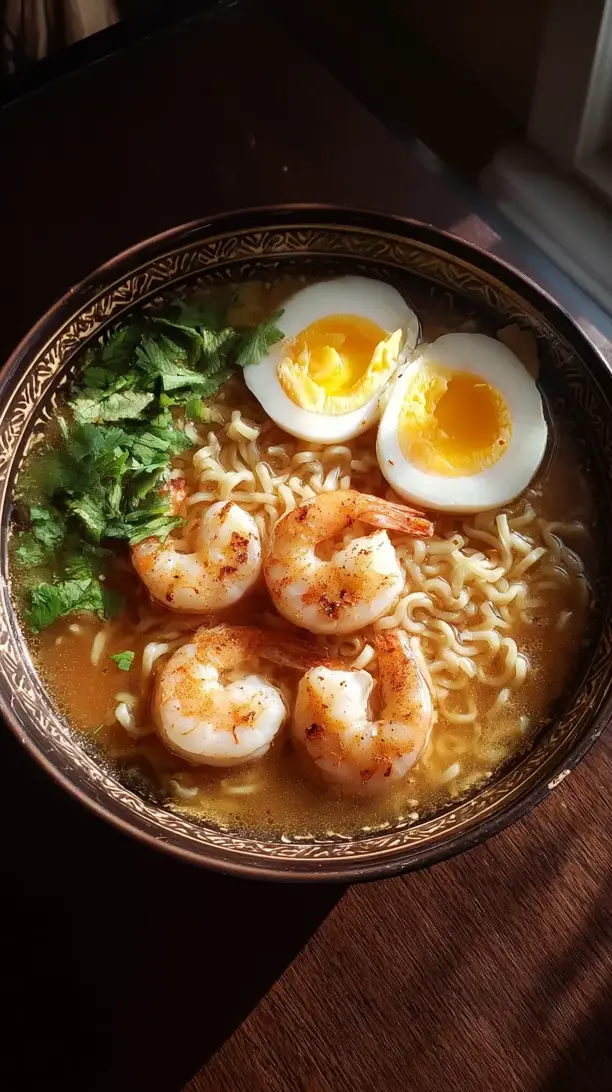
Shrimp Ramen Bowl
Make a delicious Shrimp Ramen Bowl at home in 30 minutes! This easy recipe features a savory broth, tender shrimp, and springy noodles. Get the full recipe now!
Ingredients
For the ramen bowl:
-
200 g ramen noodles (fresh or dried)
-
400 g large raw shrimp (peeled and deveined)
-
1 L good-quality chicken or dashi broth
-
3 cloves garlic (minced)
-
1 tbsp fresh ginger (grated)
-
2 tbsp soy sauce
-
1 tbsp mirin
-
1 tsp sesame oil
-
1 tbsp neutral oil (like vegetable or canola)
-
2 soft-boiled eggs (optional, for topping)
-
2 spring onions (thinly sliced)
-
1 sheet nori (torn into pieces)
-
chili oil or sesame seeds (to taste)
Instructions
-
Start by prepping all your ingredients. Mince the garlic, grate the ginger, and slice the spring onions, separating the white and green parts. If you're including soft-boiled eggs, get those cooked, cooled, and peeled now. Having everything within arm's reach makes the cooking process feel smooth and effortless.01
-
Bring a separate pot of water to a boil for your ramen noodles. We'll cook these separately to keep them from making the broth starchy and cloudy. When the water is at a rolling boil, cook the noodles according to the package instructions, then drain and rinse briefly with cold water to stop the cooking process. Toss them with a tiny bit of oil to prevent sticking.02
-
Now, let's build that incredible broth. Heat the neutral oil in your large pot or Dutch oven over medium heat. Add the white parts of your spring onions, the minced garlic, and grated ginger. Sauté for just 60-90 seconds until incredibly fragrant—you'll notice the aroma fills your kitchen. Be careful not to burn the garlic.03
-
Pour in the chicken or dashi broth, along with the soy sauce and mirin. Bring this up to a gentle simmer, then let it bubble away for about 10 minutes. This allows the flavors to meld beautifully and the broth to reduce just slightly, concentrating its savory goodness.04
-
While the broth simmers, cook the shrimp. Pat them dry with a paper towel and season lightly with a pinch of salt. Heat a skillet over medium-high heat with a tiny drizzle of oil. Cook the shrimp for 1-2 minutes per side, just until they turn pink and opaque. You don't want to overcook them here, as they'll warm through again in the broth.05
-
Turn off the heat under your broth and stir in the sesame oil. This is a finishing oil, and its nutty aroma is best preserved when not boiled. Give it a taste—this is your moment to adjust the seasoning. Want it a bit saltier? A splash more soy sauce. A little more depth? Another drop of sesame oil.06
-
It's assembly time! Divide the cooked ramen noodles between two deep bowls. Ladle the hot broth over the noodles, making sure to get all those delicious aromatics in there. Artfully arrange the cooked shrimp on top, followed by your halved soft-boiled eggs, the green parts of the spring onions, and the torn nori. Finish with a drizzle of chili oil and a sprinkle of sesame seeds if you like.07