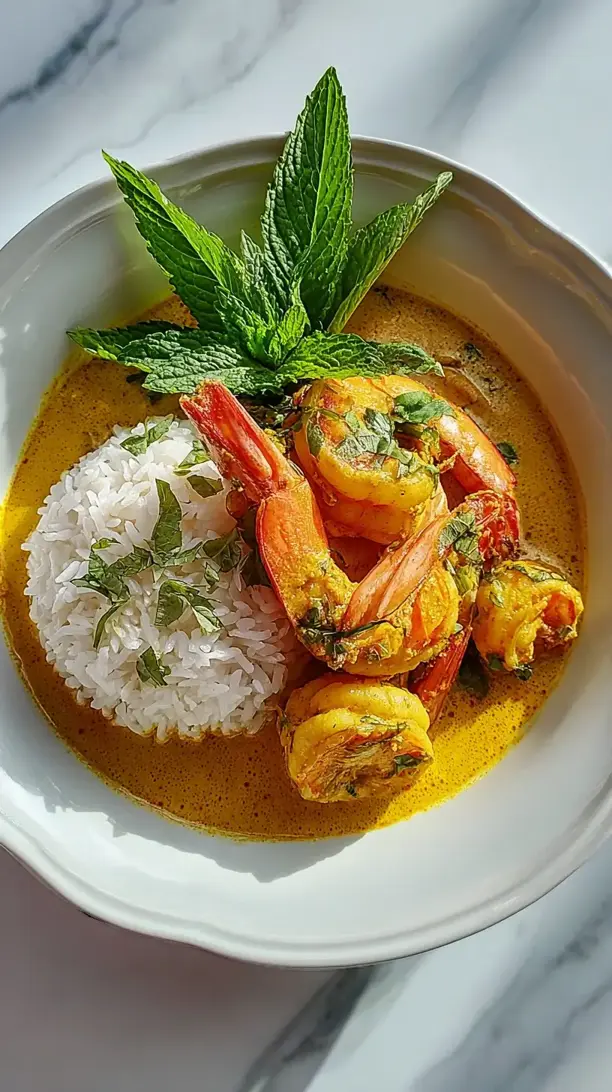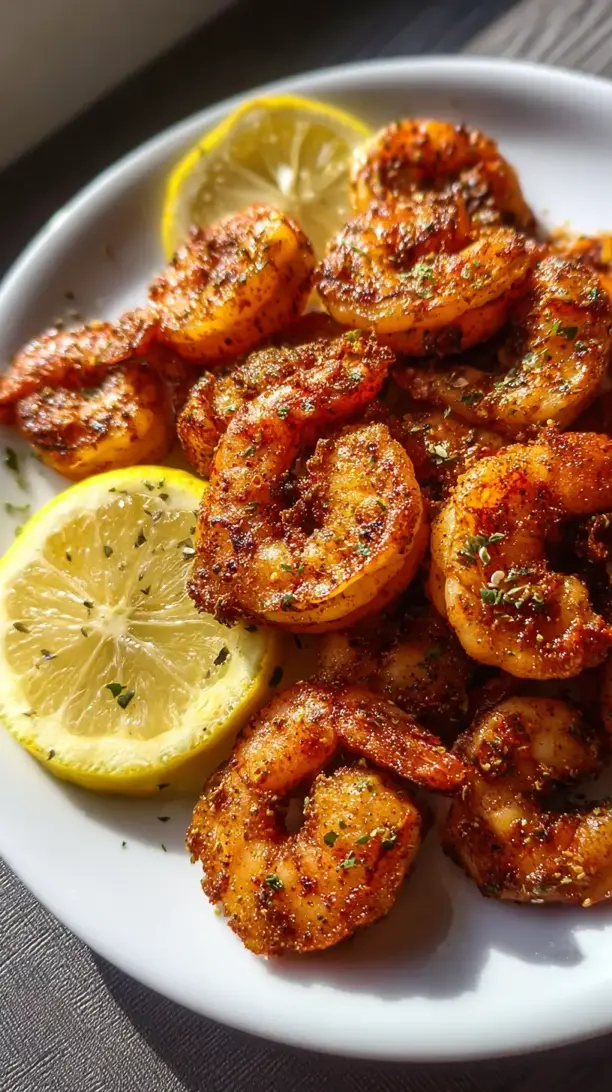

This Shrimp Lo Mein delivers a classic takeout experience in just 20 minutes. Tender noodles, juicy shrimp, and crisp vegetables are coated in a savory-sweet sauce. It’s a flexible, one-skillet weeknight hero that’s faster than delivery.
Why You’ll Love This Shrimp Lo Mein
- Faster than takeout: Ready in 20 minutes, fresher and hotter than delivery.
- Perfect texture: Chewy noodles, snappy shrimp, and crisp-tender veggies in every bite.
- Incredibly versatile: Swap veggies or add heat to make it your own.
- Magic sauce: Savory, sweet, and umami-packed, coating every noodle perfectly.
Ingredients & Tools
- 8 oz lo mein noodles or fresh chow mein noodles
- 1 lb medium shrimp, peeled and deveined
- 2 tbsp vegetable or canola oil, divided
- 1 tbsp sesame oil
- 3 cloves garlic, minced
- 1 tbsp fresh ginger, grated
- 1 medium carrot, julienned
- 1 red bell pepper, thinly sliced
- 2 cups shredded napa or green cabbage
- 2 green onions, sliced (white and green parts separated)
- 1/4 cup soy sauce (or tamari for gluten-free)
- 2 tbsp oyster sauce (or vegetarian oyster sauce)
- 1 tbsp hoisin sauce
- 1 tsp rice vinegar
- 1 tsp brown sugar
- 1/4 tsp white pepper (optional)
Tools: A large skillet or wok, a large pot for boiling noodles, and a small bowl for mixing the sauce.
Notes: Fresh ginger and garlic enhance aroma; don’t skip the sesame oil for an authentic finish.
Getting the ingredients right is key here. Using fresh ginger and garlic makes a world of difference in the aroma, and don’t skip the sesame oil at the end—it’s what gives that authentic, nutty finish.
Nutrition (per serving)
| Calories: | 420 kcal |
| Protein: | 28 g |
| Fat: | 12 g |
| Carbs: | 52 g |
| Fiber: | 4 g |
Serves: 4 | Prep Time: 10 minutes | Cook Time: 10 minutes | Total Time: 20 minutes
Before You Start: Tips & Ingredient Notes
- Prep everything before you fire up the wok. This dish comes together incredibly fast, so having your veggies chopped, your sauce mixed, and your shrimp ready to go is non-negotiable for a smooth process.
- What’s the best noodle to use? Fresh lo mein or chow mein noodles are ideal—they have that perfect chewy texture. If you can’t find them, linguine or spaghetti make a decent, if not entirely authentic, substitute.
- Don’t overcook the shrimp! They only need a minute or two per side until they’re pink and opaque. They’ll continue to cook a little when you add them back to the skillet, so it’s better to err on the side of underdone initially.
- Customize your veggies. This is a great clean-out-the-fridge recipe. Snow peas, mushrooms, bean sprouts, or baby corn would all be fantastic additions. Just keep the total volume roughly the same.
How to Make Shrimp Lo Mein
Step 1: Start by cooking your noodles. Bring a large pot of salted water to a boil and cook the lo mein noodles according to the package directions until they’re al dente. You want them to still have a bit of a bite since they’ll cook a little more in the wok. Once they’re done, drain them thoroughly and give them a very light drizzle of oil to prevent sticking. Set them aside while you get everything else going.
Step 2: While the noodles are cooking, mix your sauce. In a small bowl, whisk together the soy sauce, oyster sauce, hoisin sauce, rice vinegar, brown sugar, and white pepper (if using) until the sugar is dissolved. This is your flavor powerhouse—taste it and feel free to adjust to your liking. A little more hoisin for sweetness or a dash more vinegar for tang is totally up to you.
Step 3: Now, let’s cook the shrimp. Pat your shrimp completely dry with a paper towel—this is the secret to getting a nice sear instead of them steaming. Heat 1 tablespoon of vegetable oil in a large skillet or wok over medium-high heat. Add the shrimp in a single layer and season with a pinch of salt. Cook for about 1-2 minutes per side, just until they turn pink and opaque. You’ll notice they curl up nicely. Don’t hang around—scoop them out and onto a clean plate immediately.
Step 4: In the same skillet, add the remaining 1 tablespoon of vegetable oil. Toss in the white parts of your green onions, the minced garlic, and grated ginger. Stir-fry for just 30 seconds until incredibly fragrant—be careful not to burn the garlic! Then, add your harder vegetables first: the julienned carrot and sliced bell pepper. Stir-fry for about 2 minutes until they just start to soften.
Step 5: Next, add the softer vegetables. Toss in the shredded cabbage and stir-fry for another 1-2 minutes. You want everything to be vibrant and crisp-tender, not mushy. The cabbage will wilt down slightly, which is exactly what you want. The whole veggie cooking process should only take about 3-4 minutes total.
Step 6: It’s assembly time! Reduce the heat to medium. Add the cooked, drained noodles back to the skillet with the vegetables. Pour your pre-mixed sauce over everything. Using a pair of tongs or two forks, toss everything together vigorously, making sure every noodle and vegetable gets coated in that glorious sauce. Let it cook together for about 1 minute so the noodles can soak up the flavor.
Step 7: Return the cooked shrimp to the skillet along with any accumulated juices. Give everything one final, gentle toss to incorporate the shrimp and heat them through—this should only take another 30 seconds. The trick is to just warm the shrimp without overcooking them.
Step 8: Finish the dish. Turn off the heat. Drizzle the entire thing with that 1 tablespoon of sesame oil and sprinkle with the green parts of your green onions. Toss one last time. The sesame oil isn’t for cooking; it’s for that incredible, nutty aroma that hits you as you serve it. Your Shrimp Lo Mein is now ready to devour!
Storage & Freshness Guide
- Fridge: Store in an airtight container for up to 2 days.
- Freezer: Not recommended; noodles and shrimp become mushy upon thawing.
- Reviving: Reheat in a skillet with a splash of water or broth to loosen sauce.
Serving Suggestions
Complementary Dishes
- Simple Steamed Dumplings — The soft, savory filling is a perfect textural contrast to the noodles and makes the meal feel extra special.
- A Crispy Egg Roll — You can’t go wrong with that classic combo. The crunch of the egg roll wrapper alongside the soft noodles is just heavenly.
- Quick Cucumber Salad — A light, tangy, and refreshing salad cuts through the richness of the lo mein beautifully.
Drinks
- Jasmine Green Tea — Its delicate, floral notes cleanse the palate between bites and complement the dish’s umami flavors without overpowering them.
- A Crisp Lager — The light carbonation and clean finish of a cold lager are fantastic for washing down this savory, satisfying meal.
- Ginger Beer — The spicy-sweet kick of a non-alcoholic ginger beer mirrors the ginger in the dish and provides a refreshing zing.
Something Sweet
- Fortune Cookies and Orange Slices — A classic, light finish. The sweet, citrusy oranges are incredibly refreshing after the savory lo mein.
- Mango Pudding — Its creamy, tropical sweetness is a lovely, simple dessert that feels authentic to the cuisine.
- Lychee Sorbet — The floral, delicate flavor of lychee is a light and palate-cleansing way to end your meal on a high note.
Top Mistakes to Avoid
- Mistake: Overcooking the shrimp. This is the number one error. Rubbery, tough shrimp will ruin the texture of your entire dish. Cook them just until pink and remove them from the heat immediately.
- Mistake: Using wet noodles. If your noodles aren’t drained well, the extra water will dilute your beautiful sauce, making it watery and less flavorful. Drain them thoroughly!
- Mistake: Crowding the pan. If you add all the shrimp at once, they’ll steam instead of sear. Cook them in a single layer, even if you have to do it in two batches.
- Mistake: Burning the garlic. Garlic and ginger burn in a flash and will turn bitter. Keep the stir-fry moving and add them after the aromatics have had a moment to heat the oil.
Expert Tips
- Tip: Velvet your shrimp for a restaurant-quality texture. For supremely tender shrimp, marinate them for 15 minutes in 1 tsp of baking soda and 1 tbsp of water before rinsing and patting dry. It changes the pH and makes them incredibly plump and silky.
- Tip: Add a splash of the starchy noodle water. When you’re tossing the noodles with the sauce, add a tablespoon or two of the water you cooked the noodles in. The starch helps the sauce cling to every strand, making it even more luscious.
- Tip: Get your wok screaming hot. A properly heated wok is key for that “wok hei,” the slightly smoky, charred flavor you get from great takeout. Don’t be afraid of high heat—just keep everything moving.
- Tip: Toast your sesame oil. For a deeper, nuttier flavor, add the sesame oil to the empty, hot wok for just 10 seconds before you add your aromatics. It unlocks a whole new level of flavor.
FAQs
Can I make this Shrimp Lo Mein ahead of time?
You can, but it’s best served fresh. The noodles tend to soak up the sauce and can become a bit soft upon sitting. If you must, prep all the components separately—cook the noodles, make the sauce, chop the veggies—and store them in airtight containers in the fridge. When ready to eat, quickly stir-fry the veggies, add the noodles and sauce, and finish with the pre-cooked shrimp. It’ll come together in under 5 minutes.
What’s a good substitute for oyster sauce?
If you need a substitute, you can use more hoisin sauce, though it will be sweeter. For a vegetarian option, mushroom stir-fry sauce is excellent. As a last resort, you can mix a tablespoon of soy sauce with a teaspoon of brown sugar and a dash of fish sauce to mimic that deep, savory-sweet umami flavor.
My sauce turned out too salty. How can I fix it?
It happens! The easiest fix is to add a squeeze of fresh lime or lemon juice, which will balance the saltiness with acidity. You can also add a teaspoon of brown sugar or a splash of water or low-sodium chicken broth to dilute it. Tossing in more noodles or vegetables can help spread the saltiness out, too.
Can I use frozen shrimp?
Absolutely, just make sure they are fully thawed and patted completely dry with paper towels before you cook them. If you try to cook frozen shrimp directly, they’ll release too much water and steam instead of sear, making your entire dish watery.
How do I store and reheat leftovers?
Store any leftovers in an airtight container in the fridge for up to 2 days. The best way to reheat is in a skillet over medium heat with a tiny splash of water or broth to loosen the sauce. Avoid the microwave if you can, as it will make the noodles rubbery and the shrimp tough.

Shrimp Lo Mein
Make better-than-takeout Shrimp Lo Mein at home in just 20 minutes! This easy recipe features tender shrimp, chewy noodles, and a savory sauce. Get the recipe now!
Ingredients
For the main ingredients:
-
8 oz lo mein noodles or fresh chow mein noodles
-
1 lb medium shrimp (peeled and deveined)
-
2 tbsp vegetable or canola oil (divided)
-
1 tbsp sesame oil
-
3 cloves garlic (minced)
-
1 tbsp fresh ginger (grated)
-
1 medium carrot (julienned)
-
1 red bell pepper (thinly sliced)
-
2 cups shredded napa or green cabbage
-
2 green onions (sliced (white and green parts separated))
For the sauce:
-
1/4 cup soy sauce (or tamari for gluten-free)
-
2 tbsp oyster sauce (or vegetarian oyster sauce)
-
1 tbsp hoisin sauce
-
1 tsp rice vinegar
-
1 tsp brown sugar
-
1/4 tsp white pepper (optional)
Instructions
-
Start by cooking your noodles. Bring a large pot of salted water to a boil and cook the lo mein noodles according to the package directions until they’re al dente. You want them to still have a bit of a bite since they’ll cook a little more in the wok. Once they’re done, drain them thoroughly and give them a very light drizzle of oil to prevent sticking. Set them aside while you get everything else going.01
-
While the noodles are cooking, mix your sauce. In a small bowl, whisk together the soy sauce, oyster sauce, hoisin sauce, rice vinegar, brown sugar, and white pepper (if using) until the sugar is dissolved. This is your flavor powerhouse—taste it and feel free to adjust to your liking. A little more hoisin for sweetness or a dash more vinegar for tang is totally up to you.02
-
Now, let’s cook the shrimp. Pat your shrimp completely dry with a paper towel—this is the secret to getting a nice sear instead of them steaming. Heat 1 tablespoon of vegetable oil in a large skillet or wok over medium-high heat. Add the shrimp in a single layer and season with a pinch of salt. Cook for about 1-2 minutes per side, just until they turn pink and opaque. You’ll notice they curl up nicely. Don’t hang around—scoop them out and onto a clean plate immediately.03
-
In the same skillet, add the remaining 1 tablespoon of vegetable oil. Toss in the white parts of your green onions, the minced garlic, and grated ginger. Stir-fry for just 30 seconds until incredibly fragrant—be careful not to burn the garlic! Then, add your harder vegetables first: the julienned carrot and sliced bell pepper. Stir-fry for about 2 minutes until they just start to soften.04
-
Next, add the softer vegetables. Toss in the shredded cabbage and stir-fry for another 1-2 minutes. You want everything to be vibrant and crisp-tender, not mushy. The cabbage will wilt down slightly, which is exactly what you want. The whole veggie cooking process should only take about 3-4 minutes total.05
-
It’s assembly time! Reduce the heat to medium. Add the cooked, drained noodles back to the skillet with the vegetables. Pour your pre-mixed sauce over everything. Using a pair of tongs or two forks, toss everything together vigorously, making sure every noodle and vegetable gets coated in that glorious sauce. Let it cook together for about 1 minute so the noodles can soak up the flavor.06
-
Return the cooked shrimp to the skillet along with any accumulated juices. Give everything one final, gentle toss to incorporate the shrimp and heat them through—this should only take another 30 seconds. The trick is to just warm the shrimp without overcooking them.07
-
Finish the dish. Turn off the heat. Drizzle the entire thing with that 1 tablespoon of sesame oil and sprinkle with the green parts of your green onions. Toss one last time. The sesame oil isn't for cooking; it's for that incredible, nutty aroma that hits you as you serve it. Your Shrimp Lo Mein is now ready to devour!08