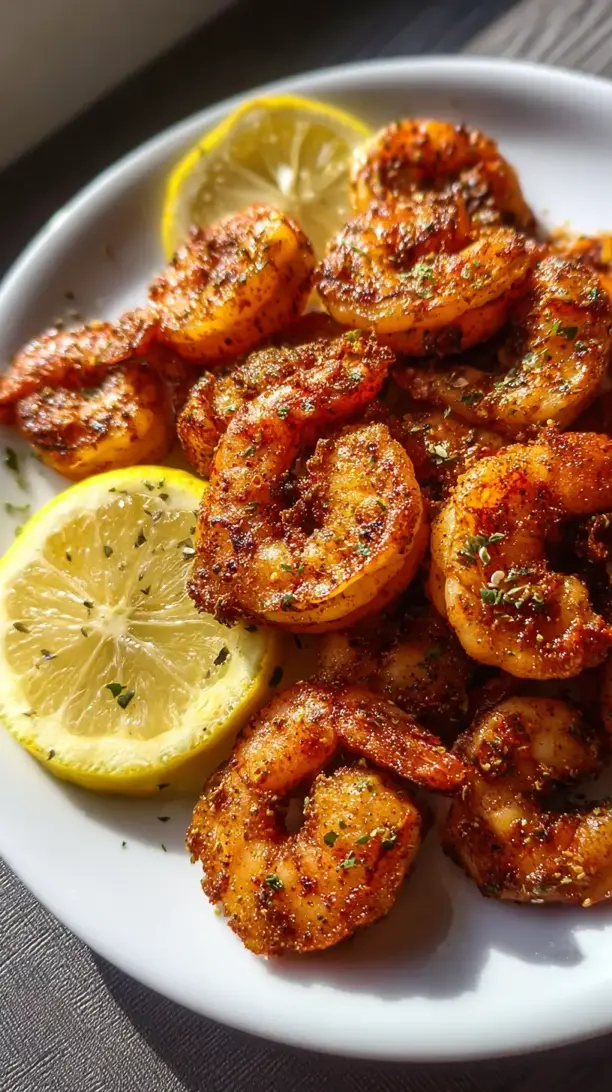

This pesto shrimp recipe delivers vibrant, herby flavor in under 20 minutes. Juicy shrimp are seared and tossed in a bright pesto sauce for a meal that feels special with minimal effort. Perfect for busy weeknights, this pesto shrimp is wonderfully versatile and always a crowd-pleaser.
Why You’ll Love This Pesto Shrimp
- Fast & easy: Ready in about 15 minutes for a stress-free meal.
- Restaurant-quality flavor: Garlicky pesto and sweet shrimp create a satisfying depth.
- Highly versatile: Serve over pasta, rice, salads, or with crusty bread.
- Elegant without fuss: Impressive enough for date night or dinner parties.
Ingredients & Tools
- 450 g large raw shrimp, peeled and deveined
- 4 tbsp homemade or high-quality store-bought basil pesto
- 2 tbsp olive oil
- 3 cloves garlic, minced
- 1 lemon (juice and zest)
- 1/4 tsp red pepper flakes (optional)
- Salt and black pepper to taste
- 2 tbsp fresh parsley, chopped (for garnish)
Tools: A large skillet, microplane or zester, tongs.
Notes: Don’t skip the lemon zest—it adds fragrant brightness. Use raw, not pre-cooked, shrimp for the best sear and texture.
Nutrition (per serving)
| Calories: | 285 kcal |
| Protein: | 25 g |
| Fat: | 18 g |
| Carbs: | 4 g |
| Fiber: | 1 g |
Serves: 3-4 | Prep Time: 5 minutes | Cook Time: 10 minutes | Total Time: 15 minutes
Before You Start: Tips & Ingredient Notes
- What kind of shrimp should I use? Look for large (21/25 count) raw shrimp, peeled and deveined. I prefer frozen shrimp that I can thaw quickly under cold running water—they’re often fresher than “fresh” shrimp sitting at a counter.
- Homemade or store-bought pesto? Honestly, a good quality store-bought pesto works wonderfully here and saves time. If you’re making your own, just be sure it’s nicely balanced and not too oily.
- Don’t forget to pat the shrimp dry. This is a small but crucial step. Moisture is the enemy of a good sear, so take a moment to pat your thawed shrimp thoroughly with paper towels before they hit the pan.
- Have all your ingredients prepped and ready. This recipe cooks so quickly that you won’t have time to mince garlic or zest a lemon once you’ve started cooking. A little “mise en place” makes the process seamless.
How to Make Pesto Shrimp
Step 1: Start by preparing your shrimp. If they’re frozen, thaw them completely under cold running water. Pat them very dry with paper towels—this is non-negotiable for a good sear. Season the shrimp generously with a pinch of salt and black pepper on both sides. You’ll notice that seasoning them now, rather than later in the sauce, gives them a much better base flavor.
Step 2: Heat the olive oil in a large skillet over medium-high heat. You want the pan to be properly hot before adding the shrimp. To test it, you can flick a tiny drop of water into the pan—if it sizzles and evaporates instantly, you’re good to go. Add the shrimp to the hot pan in a single layer, making sure they aren’t crowded.
Step 3: Cook the shrimp for about 1-2 minutes per side, just until they turn pink and opaque and develop a light golden sear. They cook incredibly fast, so don’t walk away! Use tongs to flip them individually. You’ll know they’re done when they form a loose “C” shape. Overcooked shrimp curl tightly into an “O” and become tough.
Step 4: Push the cooked shrimp to one side of the skillet and reduce the heat to low. Add the minced garlic and optional red pepper flakes to the empty part of the pan. Sauté for just 30-60 seconds until fragrant—be careful not to burn the garlic, or it will turn bitter. The aroma at this stage is just incredible.
Step 5: Now, turn off the heat. This is important, as high heat can cause the pesto to separate and lose its fresh flavor. Add the pesto and a tablespoon of lemon juice to the pan. Stir everything together gently, coating the shrimp in the warm, fragrant sauce. The residual heat is perfect for warming the pesto through without cooking it.
Step 6: Finally, stir in the lemon zest and most of the chopped parsley. Give everything one last gentle toss. The zest will release its beautiful oils and make the whole dish sing. Taste and adjust seasoning if needed—sometimes a tiny extra pinch of salt is all it takes to bring the flavors into perfect harmony.
Storage & Freshness Guide
- Fridge: Store in an airtight container for up to 2 days.
- Freezer: Freezing not recommended; shrimp may become rubbery.
- Reviving: Reheat gently in a skillet over low heat with a splash of water or broth.
Serving Suggestions
Complementary Dishes
- Lemon Parmesan Orzo — The creamy, citrusy orzo is a dreamy bed for the shrimp and soaks up the pesto sauce beautifully.
- Simple Arugula Salad — The peppery bite of arugula dressed with just lemon juice and olive oil provides a fresh, crisp contrast to the rich shrimp.
- Garlic Bread — It’s a classic for a reason—you’ll want something to scoop up every last bit of that delicious sauce left on the plate.
Drinks
- A Crisp Sauvignon Blanc — Its herbaceous and citrusy notes mirror the flavors in the pesto and lemon, creating a really harmonious pairing.
- Sparkling Water with Lemon — For a non-alcoholic option, the bubbles and citrus help cleanse the palate between bites of the rich, garlicky shrimp.
- A Light Italian Lager — The crisp, clean finish of a lager cuts through the richness of the dish without overpowering the delicate shrimp.
Something Sweet
- Lemon Sorbet — A scoop of bright, tart sorbet continues the citrus theme and feels incredibly refreshing after the savory main course.
- Almond Biscotti — The nuttiness of the biscotti echoes the pine nuts in the pesto, and their crunch is a lovely textural shift.
- Fresh Berry Crostata — A simple, rustic fruit tart offers a sweet, slightly tart finish that doesn’t feel too heavy.
Top Mistakes to Avoid
- Overcooking the shrimp. Shrimp cook in just a few minutes and become rubbery and tough if left on the heat for too long. Cook them just until they turn pink and opaque.
- Adding pesto to high heat. Pesto is a fresh sauce. If you cook it over high heat, the basil will turn dark and bitter, and the oil can separate. Always take the pan off the heat before stirring it in.
- Crowding the pan. If you add too many shrimp at once, they’ll steam instead of sear. Cook in batches if necessary to ensure each shrimp gets a beautiful, caramelized exterior.
- Skipping the lemon zest. The zest packs a powerful, aromatic punch that the juice alone can’t provide. It truly elevates the dish from great to exceptional, so don’t leave it out.
Expert Tips
- Tip: For an extra flavor boost, marinate the raw shrimp in a tablespoon of the pesto for 15-30 minutes in the fridge before cooking. It deeply seasons the shrimp and adds another layer of herby goodness.
- Tip: If your sauce seems a little too thick after adding the pesto, thin it out with a tablespoon of pasta water, chicken broth, or even a splash of white wine. This helps it coat the shrimp more evenly.
- Tip: To make this dish ahead, you can cook the shrimp and make the sauce separately. Gently reheat the shrimp in the sauce over very low heat just before serving to preserve their perfect texture.
- Tip: For a richer sauce, finish the dish with a small pat of cold butter stirred in at the very end. It adds a lovely silkiness and gloss that makes the sauce cling to everything beautifully.
FAQs
Can I use frozen shrimp for this recipe?
Absolutely, and I often do! Just be sure to thaw them completely first. The best method is to place them in a colander and run cold water over them for 5-10 minutes. Never thaw shrimp in warm water or at room temperature, as this can lead to a mushy texture. The most important step after thawing is to pat them thoroughly dry with paper towels so they sear properly instead of steaming in the pan.
What can I use instead of basil pesto?
You can definitely get creative here! A sun-dried tomato pesto would be delicious and add a sweeter, deeper flavor. A kale or spinach-based pesto also works well, though the flavor will be more earthy. Even a cilantro-jalapeño pesto could be a fun, zesty twist if you’re in the mood for something different. The method remains exactly the same.
How should I store and reheat leftovers?
Store any leftovers in an airtight container in the refrigerator for up to 2 days. To reheat, I recommend doing so gently in a skillet over low heat. You can add a tiny splash of water or broth to loosen the sauce. Avoid the microwave if you can, as it will almost certainly overcook the shrimp and make them rubbery.
Is this recipe gluten-free?
Yes, the pesto shrimp itself is naturally gluten-free. Just be mindful of what you serve it with. If you’re tossing it with pasta, be sure to use a gluten-free variety. It’s also wonderful served over rice, polenta, or roasted vegetables for a completely gluten-free meal.
Can I make this dairy-free?
Easily! Traditional pesto contains Parmesan cheese, but many store-bought brands offer dairy-free versions made with nutritional yeast. You can also easily make your own dairy-free pesto at home by omitting the cheese or using a plant-based alternative. The rest of the ingredients in the recipe are naturally dairy-free.
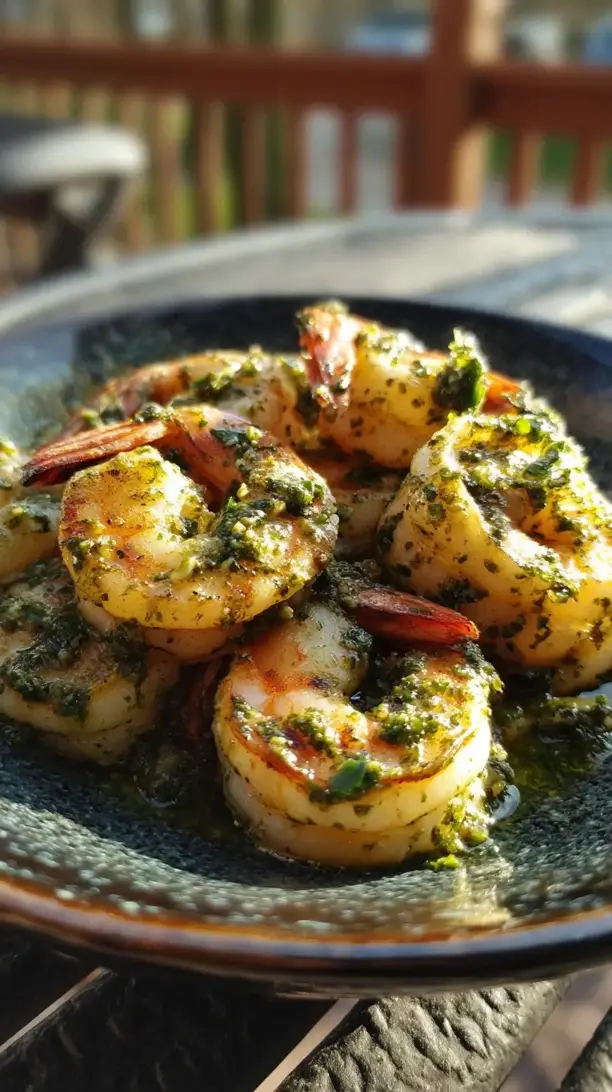
Pesto Shrimp
Make this easy Pesto Shrimp recipe in just 15 minutes for a flavorful, impressive meal. Perfect over pasta or rice. Get the simple steps and cook it tonight!
Ingredients
For the Ingredients
-
450 g large raw shrimp (peeled and deveined)
-
4 tbsp homemade or high-quality store-bought basil pesto
-
2 tbsp olive oil
-
3 cloves garlic (minced)
-
1 lemon (juice and zest)
-
1/4 tsp red pepper flakes (optional)
-
Salt and black pepper (to taste)
-
2 tbsp fresh parsley (chopped, for garnish)
Instructions
-
Start by preparing your shrimp. If they’re frozen, thaw them completely under cold running water. Pat them very dry with paper towels—this is non-negotiable for a good sear. Season the shrimp generously with a pinch of salt and black pepper on both sides. You’ll notice that seasoning them now, rather than later in the sauce, gives them a much better base flavor.01
-
Heat the olive oil in a large skillet over medium-high heat. You want the pan to be properly hot before adding the shrimp. To test it, you can flick a tiny drop of water into the pan—if it sizzles and evaporates instantly, you’re good to go. Add the shrimp to the hot pan in a single layer, making sure they aren’t crowded.02
-
Cook the shrimp for about 1-2 minutes per side, just until they turn pink and opaque and develop a light golden sear. They cook incredibly fast, so don’t walk away! Use tongs to flip them individually. You’ll know they’re done when they form a loose “C” shape. Overcooked shrimp curl tightly into an “O” and become tough.03
-
Push the cooked shrimp to one side of the skillet and reduce the heat to low. Add the minced garlic and optional red pepper flakes to the empty part of the pan. Sauté for just 30-60 seconds until fragrant—be careful not to burn the garlic, or it will turn bitter. The aroma at this stage is just incredible.04
-
Now, turn off the heat. This is important, as high heat can cause the pesto to separate and lose its fresh flavor. Add the pesto and a tablespoon of lemon juice to the pan. Stir everything together gently, coating the shrimp in the warm, fragrant sauce. The residual heat is perfect for warming the pesto through without cooking it.05
-
Finally, stir in the lemon zest and most of the chopped parsley. Give everything one last gentle toss. The zest will release its beautiful oils and make the whole dish sing. Taste and adjust seasoning if needed—sometimes a tiny extra pinch of salt is all it takes to bring the flavors into perfect harmony.06