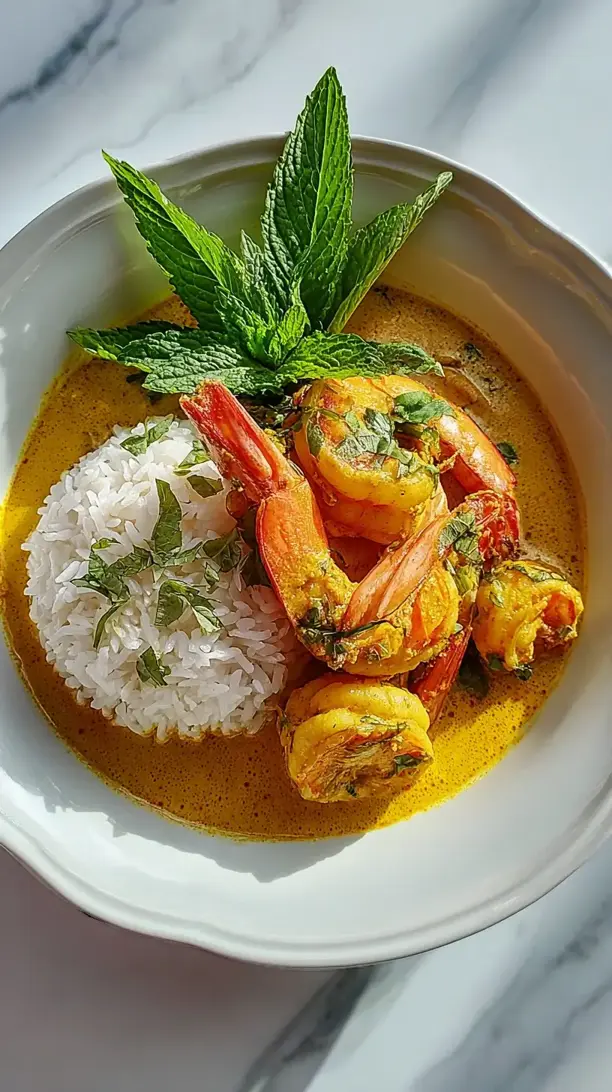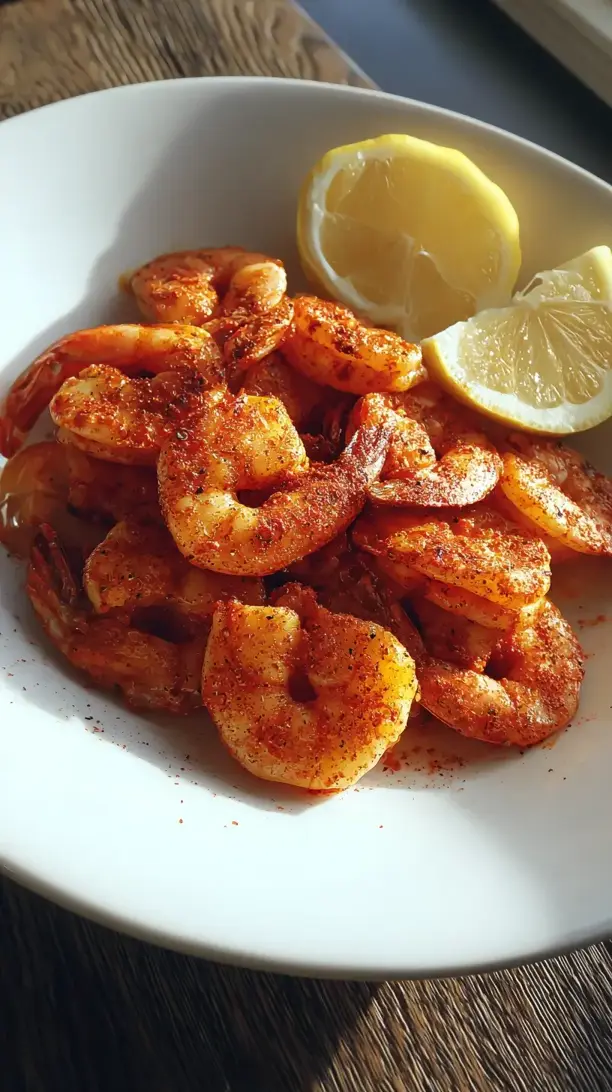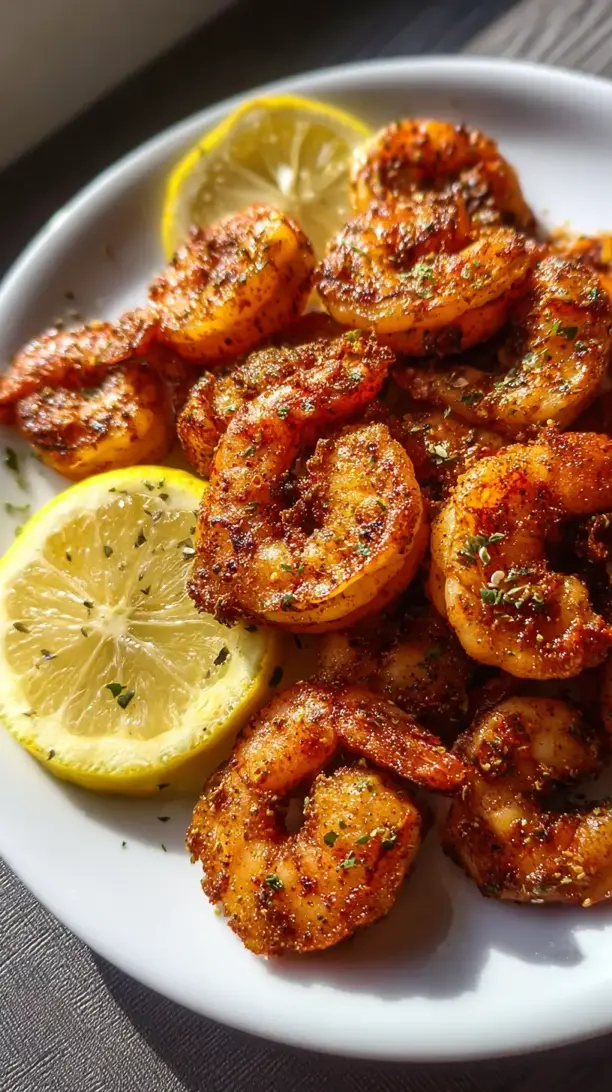

This Mediterranean Shrimp Stew is a rustic yet elegant one-pot meal that’s both nourishing and bright. It features plump shrimp simmered in a rich tomato and herb broth with vibrant Mediterranean flavors. The aroma of garlic, tomatoes, and herbs filling your kitchen is half the joy of this simple, flexible dish.
Why You’ll Love This Mediterranean Shrimp Stew
- Fast & satisfying: Ready in about 30 minutes of active cooking.
- Bright, layered flavors: Sweet tomatoes, tangy wine, and fresh herbs create a balanced palate.
- Flexible one-pot: Easily adapt with extra seafood or vegetables.
- Fancy yet approachable: Impressive enough for guests, simple enough for weeknights.
Ingredients & Tools
- 450 g large raw shrimp, peeled and deveined (tails on or off)
- 2 tbsp olive oil
- 1 large yellow onion, finely chopped
- 4 cloves garlic, minced
- 1 red bell pepper, diced
- 400 g canned crushed tomatoes
- 120 ml dry white wine (like Sauvignon Blanc)
- 240 ml fish or vegetable broth
- 1 tbsp tomato paste
- 1 tsp smoked paprika
- ½ tsp dried oregano (or 1 tbsp fresh)
- 1 bay leaf
- Juice of ½ a lemon
- 2 tbsp fresh parsley, chopped
- Salt and black pepper to taste
- Optional: pinch of red pepper flakes for heat
Tools: A large, heavy-bottomed pot or Dutch oven, a wooden spoon, and a sharp knife for prepping your vegetables.
Notes: Use a good dry white wine for acidity and depth; smoked paprika adds warmth; fresh lemon juice at the end brightens the stew.
Nutrition (per serving)
| Calories: | 280 kcal |
| Protein: | 25 g |
| Fat: | 9 g |
| Carbs: | 18 g |
| Fiber: | 4 g |
Serves: 4 | Prep Time: 15 minutes | Cook Time: 25 minutes | Total Time: 40 minutes
Before You Start: Tips & Ingredient Notes
- Don’t skimp on sautéing the aromatics. Taking the time to properly soften the onion, garlic, and bell pepper builds a sweet, savory foundation for your stew. You’ll know they’re ready when the onion is translucent and the whole kitchen smells amazing.
- Use raw, not pre-cooked, shrimp. Pre-cooked shrimp will become tough and rubbery when simmered in the stew. Raw shrimp cook quickly and stay tender, absorbing all the lovely flavors from the tomato and wine broth.
- Choose a dry white wine you’d actually drink. The wine adds a crucial acidic note that balances the richness of the tomatoes. If you wouldn’t enjoy a glass of it, don’t cook with it! If you prefer not to use wine, you can substitute with additional broth and a splash of lemon juice or white wine vinegar.
- Prep everything before you start cooking. This recipe moves fairly quickly once you begin, so having your vegetables chopped, shrimp peeled, and spices measured out will make the process smooth and enjoyable—no frantic searching for the tomato paste while your garlic threatens to burn.
How to Make Mediterranean Shrimp Stew
Step 1: Pat the shrimp dry with paper towels and season lightly with salt and pepper. This helps them sear nicely instead of steaming. In your large pot, heat one tablespoon of olive oil over medium-high heat. Add the shrimp in a single layer and cook for about 1-2 minutes per side, just until they turn pink and opaque. You don’t need to cook them through completely here—they’ll finish in the stew later. Remove the shrimp to a plate and set aside.
Step 2: Reduce the heat to medium and add the remaining tablespoon of olive oil to the same pot. Add the chopped onion and red bell pepper. Sauté for about 5-7 minutes, stirring occasionally, until the vegetables have softened and the onion is translucent. You’ll notice a lovely sweet aroma starting to develop. Add the minced garlic and cook for another minute until fragrant—be careful not to let the garlic burn.
Step 3: Push the vegetables to one side of the pot and add the tomato paste to the empty space. Let it cook for 30 seconds to a minute, until it darkens slightly and smells sweet. This little trick deepens its flavor. Then, stir the tomato paste into the vegetables. Add the smoked paprika, dried oregano, and a pinch of red pepper flakes if using, and stir for 30 seconds until everything is coated and fragrant.
Step 4: Pour in the white wine to deglaze the pot, scraping up any browned bits from the bottom with your wooden spoon. Those bits are packed with flavor! Let the wine simmer for 2-3 minutes until it has reduced by about half. Then, add the crushed tomatoes, broth, and the bay leaf. Bring the stew to a gentle boil, then reduce the heat to low, cover, and let it simmer for 15 minutes. This allows the flavors to meld together beautifully.
Step 5: After 15 minutes, the stew should have thickened slightly. Taste it and adjust the seasoning with more salt and pepper if needed. Now, return the partially cooked shrimp to the pot, along with any accumulated juices. Gently stir them into the stew and let them cook for 2-3 more minutes, just until they are heated through and fully cooked. You’ll see them curl nicely and become firm.
Step 6: Turn off the heat. Remove and discard the bay leaf. Stir in the fresh lemon juice and most of the chopped parsley, reserving a little for garnish. The lemon juice is crucial—it brightens all the flavors and cuts through the richness. Give the stew one final taste and adjust seasoning if necessary. Serve immediately, ladled into bowls and garnished with the remaining fresh parsley.
Storage & Freshness Guide
- Fridge: Store in an airtight container for up to 2 days.
- Freezer: Not recommended; shrimp can become mushy.
- Reviving: Reheat gently on the stovetop over low heat.
Serving Suggestions
Complementary Dishes
- Crusty bread or garlic bread — Absolutely essential for sopping up every last bit of the delicious, tomatoey broth. A warm, chewy baguette works perfectly.
- Simple buttered orzo or couscous — These tiny pastas are fantastic for absorbing the stew’s liquid and make the meal feel more substantial without overpowering the shrimp.
- A crisp, green salad with a lemony vinaigrette — The fresh, acidic notes from the salad provide a lovely contrast to the rich, savory stew and help cleanse the palate.
Drinks
- A crisp, dry white wine like Sauvignon Blanc or Pinot Grigio — The citrus and mineral notes in these wines mirror the lemon and herbs in the stew, creating a harmonious pairing.
- Sparkling water with a lemon wedge — For a non-alcoholic option, the bubbles and citrus are refreshing and help balance the stew’s richness.
- A light, citrusy pale ale — The hoppy, bitter notes can stand up to the tomatoes and spice, while the citrus undertones complement the dish beautifully.
Something Sweet
- Lemon sorbet or semifreddo — The bright, clean citrus flavor is a perfect, light finish that echoes the lemon in the stew and feels refreshing after a savory meal.
- Almond biscotti for dipping — Their nutty, crunchy texture and not-too-sweet flavor are ideal with a cup of espresso, providing a simple, elegant end to the meal.
- Honey-drizzled Greek yogurt with berries — It’s creamy, tangy, and a little sweet, offering a lovely contrast in texture and temperature that feels satisfying but not heavy.
Top Mistakes to Avoid
- Overcooking the shrimp. Shrimp cook incredibly fast and become tough and rubbery if left in the heat too long. That’s why we parcook them first and only add them back at the end to heat through. I’ve messed this up before too, and it really changes the texture.
- Not deglazing the pot properly. After sautéing the vegetables, those browned bits stuck to the bottom are pure flavor. Make sure to use the wine to scrape them all up—it adds a ton of depth to your stew base.
- Skipping the fresh lemon juice at the end. It might seem like a small thing, but that hit of fresh acidity at the end is what makes the flavors pop. Adding it while cooking can mute its effect, so always stir it in right before serving.
- Using low-quality canned tomatoes. Since tomatoes are a star ingredient here, it’s worth using a good brand of crushed tomatoes. They should taste bright and fruity, not tinny or overly acidic.
Expert Tips
- Tip: For an even deeper flavor, you can add a teaspoon of fennel seeds when you’re toasting the dried spices. It gives a subtle anise note that’s classic in Mediterranean seafood dishes and pairs wonderfully with the tomatoes and shrimp.
- Tip: If you have saffron threads, steep a pinch in a tablespoon of warm broth for 5 minutes and add it with the liquid. It will impart a beautiful golden color and a unique, aromatic flavor that elevates the stew to a new level.
- Tip: To make this ahead, prepare the stew base (through step 4) and refrigerate it. When you’re ready to eat, gently reheat the base, then add the raw shrimp and cook until done. This prevents the shrimp from overcooking and keeps their texture perfect.
- Tip: If your stew is a bit too acidic from the tomatoes, a tiny pinch of sugar (about ¼ teaspoon) can help balance it out. Taste as you go—you’d be surprised how a little sweetness can round out the flavors.
FAQs
Can I use frozen shrimp?
Absolutely! Frozen shrimp are a great option. Just make sure to thaw them completely in the refrigerator overnight before using. Pat them very dry with paper towels to remove excess moisture, which ensures they sear properly instead of boiling in their own liquid. There’s no need to pay a premium for “fresh” shrimp, as most are previously frozen anyway.
What can I use instead of white wine?
If you prefer not to cook with alcohol, you can substitute the white wine with an equal amount of additional broth plus a tablespoon of lemon juice or white wine vinegar. The goal is to replicate the acidity and depth that the wine provides. The flavor profile will be slightly different, but it will still be delicious.
How long will leftovers keep?
Leftovers will keep in an airtight container in the refrigerator for up to 2 days. Reheat gently on the stovetop over low heat to avoid overcooking the shrimp. I don’t recommend freezing this stew, as the shrimp can become mushy and the texture of the tomatoes may change upon thawing.
Can I add other seafood?
Definitely! This stew base is very versatile. You could add scallops (sear them with the shrimp) or mussels or clams (add them in step 5 and cook until they open). Just be mindful of different cooking times—add firmer seafood earlier and more delicate items towards the end.
My stew is too thin. How can I thicken it?
If you prefer a thicker consistency, you can let it simmer uncovered for an extra 5-10 minutes to reduce further. Alternatively, you can mix a teaspoon of cornstarch with a tablespoon of cold water to make a slurry and stir it into the simmering stew. It will thicken up almost instantly, so use this method sparingly.
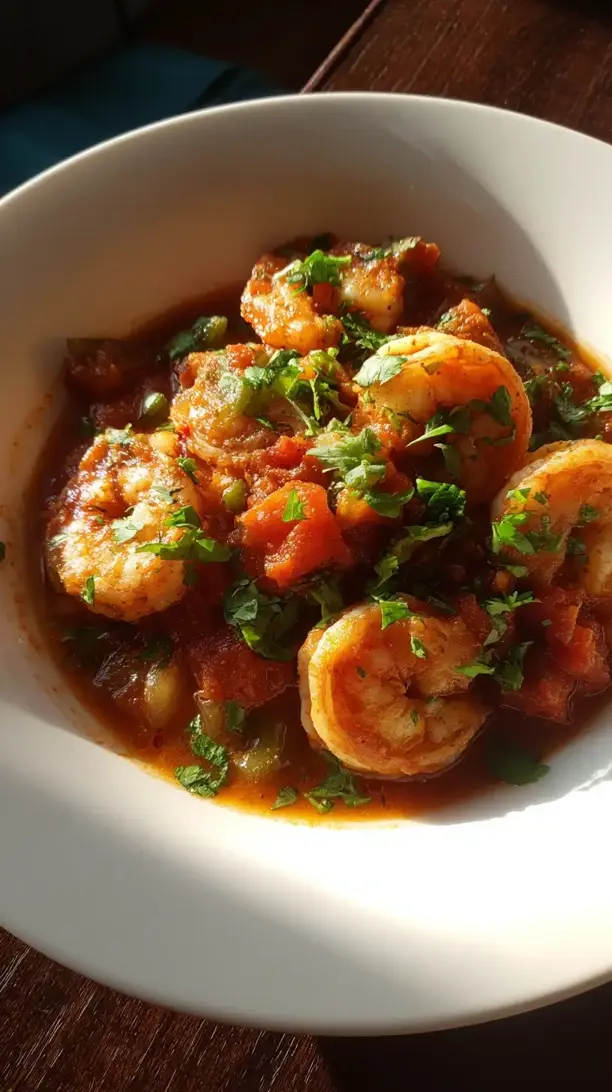
Mediterranean Shrimp Stew
Make this easy Mediterranean Shrimp Stew in just 40 minutes! A one-pot meal with plump shrimp in a rich tomato broth. Get the simple, impressive recipe now!
Ingredients
For the Stew
-
450 g large raw shrimp (peeled and deveined (tails on or off))
-
2 tbsp olive oil
-
1 large yellow onion (finely chopped)
-
4 cloves garlic (minced)
-
1 red bell pepper (diced)
-
400 g canned crushed tomatoes
-
120 ml dry white wine (like Sauvignon Blanc)
-
240 ml fish or vegetable broth
-
1 tbsp tomato paste
-
1 tsp smoked paprika
-
0.5 tsp dried oregano (or 1 tbsp fresh)
-
1 bay leaf
-
Juice of ½ a lemon
-
2 tbsp fresh parsley (chopped)
-
Salt and black pepper (to taste)
-
pinch of red pepper flakes (optional, for heat)
Instructions
-
Pat the shrimp dry with paper towels and season lightly with salt and pepper. In your large pot, heat one tablespoon of olive oil over medium-high heat. Add the shrimp in a single layer and cook for about 1-2 minutes per side, just until they turn pink and opaque. Remove the shrimp to a plate and set aside.01
-
Reduce the heat to medium and add the remaining tablespoon of olive oil to the same pot. Add the chopped onion and red bell pepper. Sauté for about 5-7 minutes, stirring occasionally, until the vegetables have softened and the onion is translucent. Add the minced garlic and cook for another minute until fragrant.02
-
Push the vegetables to one side of the pot and add the tomato paste to the empty space. Let it cook for 30 seconds to a minute, until it darkens slightly and smells sweet. Then, stir the tomato paste into the vegetables. Add the smoked paprika, dried oregano, and a pinch of red pepper flakes if using, and stir for 30 seconds until everything is coated and fragrant.03
-
Pour in the white wine to deglaze the pot, scraping up any browned bits from the bottom with your wooden spoon. Let the wine simmer for 2-3 minutes until it has reduced by about half. Then, add the crushed tomatoes, broth, and the bay leaf. Bring the stew to a gentle boil, then reduce the heat to low, cover, and let it simmer for 15 minutes.04
-
After 15 minutes, the stew should have thickened slightly. Taste it and adjust the seasoning with more salt and pepper if needed. Now, return the partially cooked shrimp to the pot, along with any accumulated juices. Gently stir them into the stew and let them cook for 2-3 more minutes, just until they are heated through and fully cooked.05
-
Turn off the heat. Remove and discard the bay leaf. Stir in the fresh lemon juice and most of the chopped parsley, reserving a little for garnish. Give the stew one final taste and adjust seasoning if necessary. Serve immediately, ladled into bowls and garnished with the remaining fresh parsley.06